
What is the ideal kitchen runner length? The ideal kitchen runner length is generally determined by the space it will occupy, aiming to provide comfort and aesthetic appeal without obstructing movement or door swings. Typically, a kitchen runner should extend far enough to cover the primary working areas, such as in front of the sink, stove, or dishwasher, and often extends to the cabinetry.
Finding the perfect kitchen runner length can transform your kitchen. A well-chosen runner adds warmth, color, and comfort underfoot. But how do you measure up when it comes to kitchen rug length? This guide will help you decipher the best appropriate kitchen runner size for your culinary space. We’ll explore standard kitchen rug dimensions, kitchen runner placement, and how to find the optimal kitchen runner length.
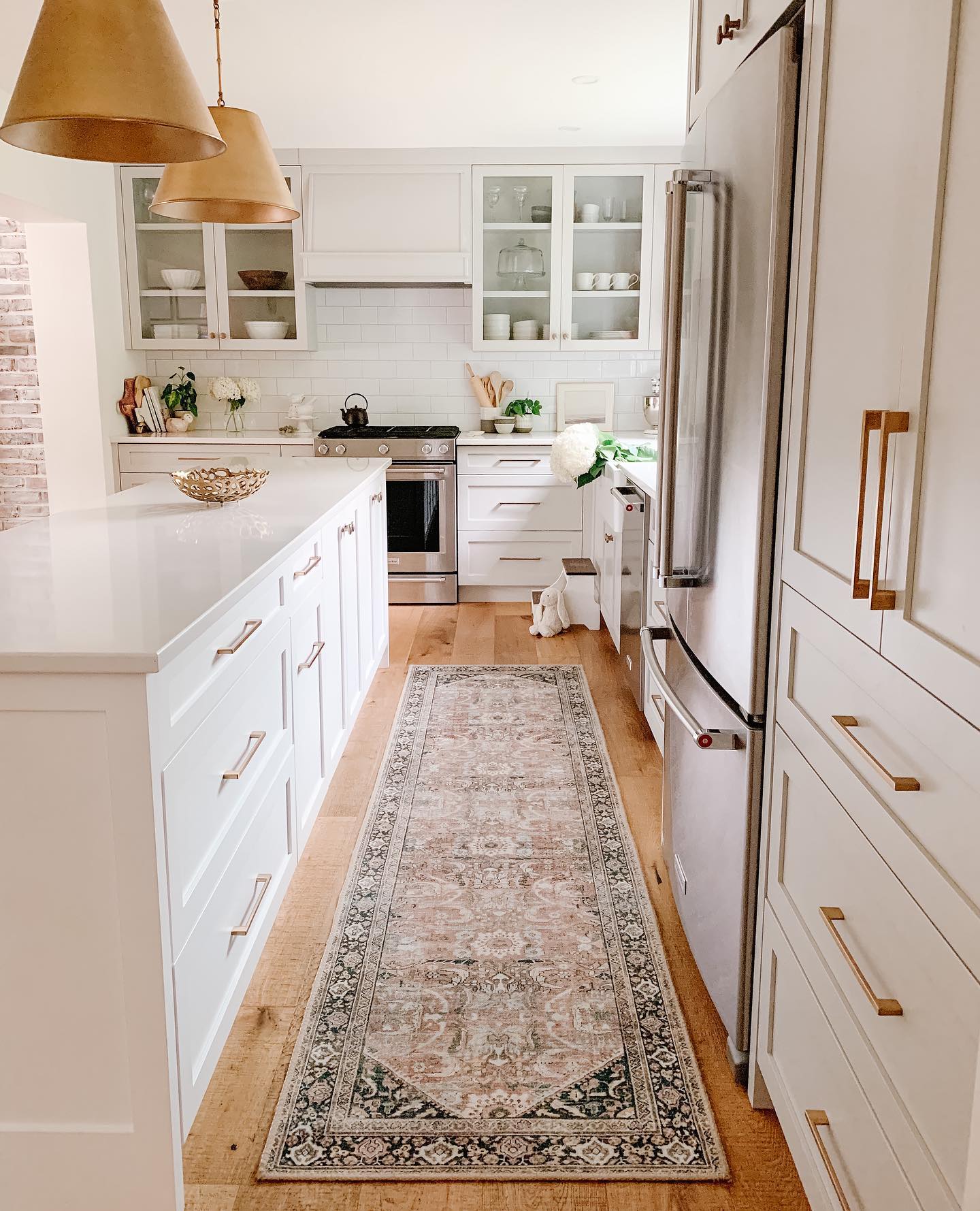
Image Source: image1.rugs-direct.com
Deciphering Kitchen Runner Sizing
Choosing the right size for your kitchen runner is crucial for both function and form. Too short, and it won’t cover the areas where you stand the most. Too long, and it can become a tripping hazard or make the kitchen feel cramped. Let’s delve into how to get this just right.
The Purpose of a Kitchen Runner
Kitchen runners are more than just decorative pieces. They serve several important functions:
- Comfort: They provide a soft, cushioned surface to stand on, especially during long periods of cooking or cleaning. This can reduce fatigue in your feet, legs, and back.
- Safety: A good runner can offer slip resistance, preventing accidents on potentially slick kitchen floors.
- Style: They add personality and visual interest to your kitchen, tying together the overall design scheme.
- Protection: Runners can protect your flooring from spills, stains, and wear and tear, especially in high-traffic areas.
Key Factors Influencing Your Choice
When selecting a kitchen runner, consider these factors:
- The Layout of Your Kitchen: Is it a galley kitchen, an open-plan space, or a U-shaped layout? The shape and flow of your kitchen will dictate where a runner works best.
- The Area You Want to Cover: Are you looking for a runner primarily for the sink area, the cooking zone, or a pathway between them?
- Existing Furniture and Appliances: Ensure the runner doesn’t interfere with cabinet doors, drawers, or appliance doors opening fully.
- Overall Kitchen Dimensions: The size of your kitchen will influence how a runner looks and feels. A tiny runner in a large kitchen might look lost, while an oversized runner in a small kitchen can feel overwhelming.
- Personal Preference: Ultimately, aesthetics play a significant role. What looks and feels good to you is important.
Measuring for Your Kitchen Runner
Accurate measurement is the first step to finding the perfect fit. Here’s how to measure for a kitchen runner:
Step-by-Step Measurement Process
- Identify the Target Area: Decide which part of your kitchen you want your runner to cover. Common areas include:
- In front of the sink and dishwasher.
- In front of the stove and oven.
- A pathway between workstations (e.g., fridge to sink).
- A longer stretch in a galley kitchen.
- Measure the Width of the Area: Use a tape measure to determine the width of the space. For example, if you’re placing it in front of your sink, measure the width of the sink area or the cabinet it sits within.
- Measure the Depth (or Length) of the Area: Measure how far out you want the runner to extend. Think about how far you typically stand or move while working in that spot. Aim for coverage that extends beyond the immediate appliance or sink.
- Consider Walkways and Doorways:
- Walkways: Ensure the runner doesn’t block essential pathways or create narrow passages, especially if you have multiple people using the kitchen.
- Door Swings: Crucially, measure how far cabinet doors, appliance doors (like ovens or dishwashers), and even the main kitchen door swing open. Your runner should not impede these movements. Leave a few inches of clearance.
- Visualize the Placement: Before committing to a size, lay down masking tape on the floor in the dimensions of your desired runner. This helps you visualize how much space it will occupy and whether it feels proportionate.
Common Kitchen Runner Placement Areas
- The Sink and Dishwasher Area: This is a very popular spot. Runners here provide comfort while washing dishes and can catch water splashes. A common length here is to match the width of the sink cabinet, plus a little extra on each side.
- The Stove/Oven Area: Standing while cooking can be tiring. A runner here offers relief and can also protect your floor from dropped food items.
- Galley Kitchen Pathways: In narrower kitchens, a runner can define the walkway, add color, and provide continuous comfort from one end to the other. The length here would typically run the length of the walkway, ensuring it doesn’t interfere with cabinet doors.
- Island or Peninsula: If you have a kitchen island or peninsula with seating, a runner placed in front of it can add a cozy touch and protect the floor from shoe scuffs.
Standard Kitchen Rug Dimensions and Common Sizes
While there are no strict rules, there are common standard kitchen rug dimensions that work well for many kitchens. Understanding these can be a helpful starting point for your runner rug sizing guide.
Typical Runner Lengths and Widths
Kitchen runners typically come in standard widths, often ranging from 2 feet to 3 feet (approximately 60 cm to 90 cm). The length, however, can vary significantly, from 4 feet (120 cm) to 12 feet (360 cm) or even longer.
Here’s a look at some common sizes and what they might be best suited for:
| Runner Width | Common Lengths | Best For |
|---|---|---|
| 2 feet | 4 ft, 6 ft, 8 ft | Smaller galley kitchens, short sink areas, single-person households. |
| 2.5 feet | 6 ft, 8 ft, 10 ft | Most standard kitchen sink areas, moderate galley kitchens. |
| 3 feet | 8 ft, 10 ft, 12 ft+ | Larger sink areas, longer pathways, open-plan kitchens, U-shaped kitchens. |
What is a Kitchen Mat Size?
A “kitchen mat” can sometimes refer to smaller, more functional mats, often placed right in front of the sink or stove. These are typically rectangular, perhaps 18×30 inches or 20×36 inches. While they offer comfort, they lack the extended coverage and aesthetic appeal of a true runner. A runner is generally longer and designed to cover a more significant stretch of floor space.
Considering Hallway Rug Length
The principles of choosing hallway rug length are very similar to kitchen runners. In a hallway, you want the runner to be long enough to cover the main walking path but leave a border of floor visible at both ends, typically 4-6 inches (10-15 cm). It should also not obstruct any doorways leading off the hallway. This concept of leaving a border and not obstructing movement is also key for kitchen runner placement.
Achieving Optimal Kitchen Runner Length
The “optimal” length is subjective and depends heavily on your specific kitchen. Here are guidelines for achieving it:
For Sink Areas
- Width: Aim for a runner that is at least as wide as your sink cabinet. Ideally, it should extend a few inches beyond the cabinet on either side to offer more standing room.
- Length: The runner should extend far enough to comfortably accommodate your feet when you’re at the sink. It should ideally cover the entire area in front of the sink and dishwasher. A good rule of thumb is to have it extend about 18-24 inches (45-60 cm) beyond the cabinet or appliance edge.
For Stove/Oven Areas
- Width: Measure the width of your stove or oven, and add a few inches on each side for comfortable standing.
- Length: The runner should extend far enough to provide cushioning while you’re actively cooking, reaching for ingredients, or moving around the stove. About 18-24 inches (45-60 cm) in front of the stove is usually sufficient.
For Pathways (Galley Kitchens)
- Width: Choose a width that leaves a comfortable amount of space on either side for walking. For example, if your galley kitchen is 5 feet wide and you want 18 inches of walkway on each side, a 2-foot wide runner would be appropriate (5 ft total – 1.5 ft left walkway – 1.5 ft right walkway = 2 ft runner width).
- Length: Measure the entire length of the pathway you wish to cover. The runner can run the full length, but always check that it doesn’t interfere with cabinet doors, appliance doors, or the main entrance to the kitchen. It’s often pleasing to have a small gap (a few inches) of floor visible at each end of the runner in a pathway.
For Open-Plan Kitchens
In open-plan layouts, a runner can help define the kitchen zone.
- Placement: Consider placing a runner along the main work triangle (sink, stove, fridge) or in the area where people often gather while cooking.
- Length: The length here will be dictated by the specific area you’re defining. It could be a long runner along a bank of cabinets or a shorter one in front of a central island.
Visualizing and Testing Runner Sizes
Before you buy, it’s essential to visualize. Here are some kitchen runner placement ideas and methods to test sizes:
Using Painter’s Tape
As mentioned earlier, this is a fantastic, low-cost method.
- Mark the Dimensions: Use painter’s tape (the blue or green kind is best as it’s less likely to damage floors) to outline the exact dimensions of the runner you are considering.
- Walk Around: Stand in the taped area. Imagine yourself cooking or cleaning. Does it feel like enough space?
- Check Clearances: Open all nearby cabinet doors, drawers, and appliance doors to ensure the taped area doesn’t block them.
- Assess the Flow: Does the taped runner impact the natural flow and movement within your kitchen?
Considering Proportion
- Overall Kitchen Size: A runner should feel proportionate to your kitchen. In a large kitchen, a very small runner might look insignificant. Conversely, a huge runner in a small kitchen can make it feel cluttered.
- Countertop Length: If placing a runner in front of a long bank of countertops, aim for a runner that is roughly two-thirds to three-quarters the length of the countertop.
Common Mistakes to Avoid
Even with the best intentions, it’s easy to make mistakes when choosing a kitchen runner.
Too Short or Too Narrow
- The Problem: A runner that is too short only covers a fraction of the space you stand in, offering minimal comfort and aesthetic impact. A narrow runner might not provide adequate cushioning or protection.
- The Solution: Always measure your primary standing areas. Err on the side of slightly longer rather than too short. For width, ensure it comfortably spans your main work zone and offers a good landing spot for your feet.
Obstructing Movement
- The Problem: A runner that is too long or placed too close to cabinets can prevent doors and drawers from opening fully, creating a functional nightmare and potential tripping hazards.
- The Solution: Meticulously check all door and drawer clearances. Ensure there’s a comfortable buffer zone.
Not Considering the Kitchen Layout
- The Problem: Placing a runner in an awkward spot that disrupts the kitchen’s natural flow or looks out of place.
- The Solution: Think about the kitchen as a whole. Where do you spend most of your time? Where are the high-traffic areas? A runner should enhance these zones, not hinder them.
Ignoring the Style
- The Problem: Choosing a runner that clashes with your kitchen’s decor, colors, or overall style.
- The Solution: Consider the colors, patterns, and textures already present in your kitchen. A runner is an opportunity to add a complementary or contrasting element.
Runner Rug Sizing Guide: A Quick Reference
Here’s a simplified runner rug sizing guide to keep handy:
| Feature | Recommendation |
|---|---|
| Width | At least as wide as the cabinet/appliance, plus a few inches on each side. Typically 2-3 feet. |
| Length (Sink Area) | Extends 18-24 inches beyond the cabinet/appliance edge. |
| Length (Pathways) | Covers the desired path, leaving 4-6 inches of floor visible at each end if desired. |
| Clearance | Crucial! Ensure all doors/drawers open freely (at least 2-3 inches clearance). |
| Proportion | Should look balanced with the size of the kitchen and surrounding countertops/cabinets. |
| Visual Test | Use painter’s tape to test dimensions on the floor before purchasing. |
Frequently Asked Questions (FAQ)
How far should a kitchen runner extend from the sink?
A kitchen runner in front of the sink should typically extend about 18-24 inches (45-60 cm) beyond the edge of the sink cabinet or appliance to provide ample standing room and comfort.
Can I have a runner that goes all the way across my galley kitchen?
Yes, you can have a runner that covers the length of a galley kitchen, but it’s vital to ensure it doesn’t interfere with any cabinet doors, drawers, or the main entrance/exit. Leaving a few inches of floor visible at each end can also improve the look and prevent it from feeling too confined.
Do I need a rug pad under my kitchen runner?
Yes, a rug pad is highly recommended. It prevents the runner from slipping, which is a major safety concern in kitchens. It also adds extra cushioning and can help protect your floors from wear and tear.
What if my kitchen has an island and a sink area?
In kitchens with multiple zones, you might consider using runners in both areas. Ensure the sizes and styles are complementary. For example, two shorter runners in front of the sink and stove, or one long runner along a galley walkway.
How much space should I leave around the runner?
It’s generally good practice to leave some space between the runner and the walls or cabinets. Aim for at least a few inches (4-6 inches or 10-15 cm) of visible floor space around the runner, especially at the ends. This prevents the space from feeling overcrowded and allows for easier cleaning around the edges.
Choosing the right kitchen runner length is a balance of practical needs and aesthetic desires. By carefully measuring, considering your kitchen’s layout, and using visualization techniques, you can find a runner that adds comfort, style, and functionality to your culinary heart.