
Yes, you can paint kitchen chairs! Refinishing kitchen chairs is a fantastic way to update your dining space and give your existing furniture a fresh new look. This DIY kitchen chair paint project is achievable for most skill levels and can dramatically transform your kitchen chair makeover.
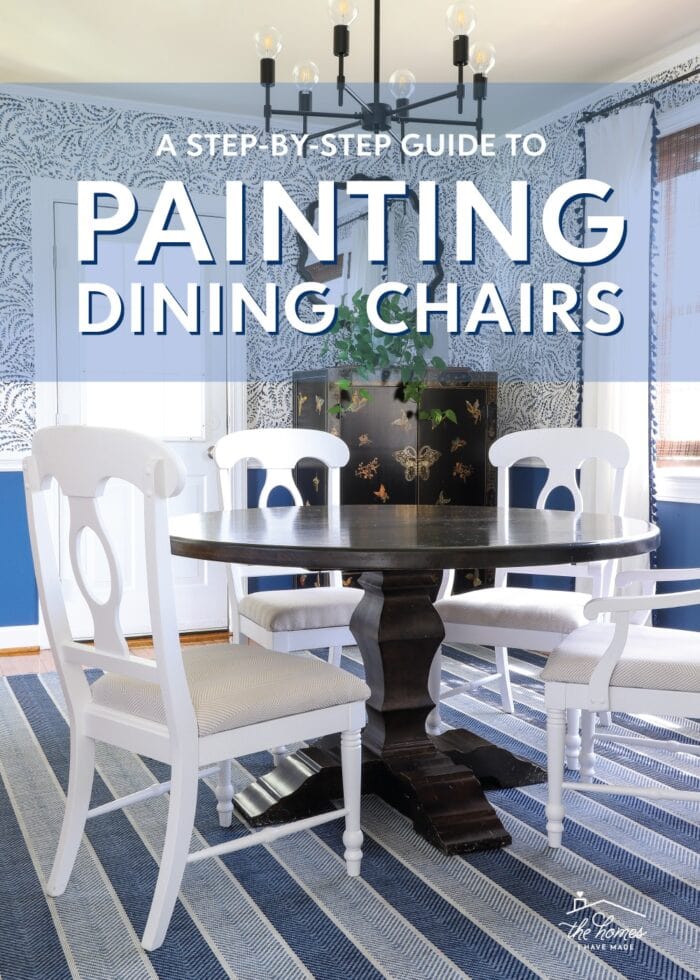
Image Source: thehomesihavemade.com
Revitalizing Your Kitchen Chairs: A Comprehensive Guide
Are your kitchen chairs looking a little tired? Perhaps the finish is chipped, the color is dated, or you simply crave a change to match new decor. Whatever the reason, painting your kitchen chairs is a rewarding and budget-friendly project. This guide will walk you through everything you need to know, from choosing the right paint to achieving a flawless, durable finish. We’ll cover the essential steps for painting wood chairs and explore various techniques to help you achieve your desired kitchen chair makeover.
Why Paint Your Kitchen Chairs?
Painting kitchen chairs offers several benefits:
- Cost-Effective: It’s significantly cheaper than buying a new set of chairs.
- Customization: You can match your chairs to any color scheme or style.
- Durability: With the right prep and paint, your newly painted chairs can be more durable than their original finish.
- Sustainability: Upcycling your existing furniture reduces waste.
- Satisfaction: The pride of completing a DIY project is immense!
Choosing the Best Paint for Kitchen Chairs
Selecting the correct paint is crucial for a long-lasting and attractive finish, especially for items that experience daily wear and tear like kitchen chairs.
Types of Paint to Consider
- Latex Paint: Water-based and easy to clean up. It’s a good all-around choice, but for high-traffic areas like kitchen chairs, you’ll need to use a durable topcoat.
- Chalk Paint: Known for its matte, chalky finish and excellent adhesion. It requires minimal prep and often doesn’t need a primer. Chalk paint kitchen chairs are very popular. However, they always need a sealant, like wax or a polycrylic, for durability.
- Mineral Paint: A newer option that combines the durability of enamel paint with the ease of use of chalk paint. It’s self-leveling and typically doesn’t require a separate topcoat.
- Enamel Paint: Oil-based or water-based enamel paints offer excellent durability and a smooth finish. They are a great choice for high-wear surfaces. Water-based enamels are easier to clean up than oil-based.
- Lacquer: Offers a very hard, durable, and smooth finish. Lacquer kitchen chairs are known for their professional look. It can be sprayed on and dries quickly, but it requires good ventilation and can be trickier for beginners.
Factors to Consider When Choosing Paint
- Durability: Kitchen chairs take a beating! Look for paints that are known for their toughness.
- Finish: Matte, satin, semi-gloss, or gloss? Satin and semi-gloss are popular for kitchen chairs as they are easier to wipe clean and are more resistant to moisture than matte finishes.
- Ease of Application: Are you comfortable with spray paint, or do you prefer brush-on?
- Color Selection: Most paint brands offer a vast array of colors.
Table 1: Paint Comparison for Kitchen Chairs
| Paint Type | Pros | Cons | Best For |
|---|---|---|---|
| Latex | Easy to clean up, wide color range, affordable | Can chip without a good topcoat, requires more prep than chalk paint | Beginners, budget-friendly projects, when using a strong topcoat |
| Chalk Paint | Minimal prep, matte finish, good adhesion, great for distressed looks | Requires a topcoat for durability, can be prone to scratching if not sealed | Distressed or vintage looks, quick transformations |
| Mineral Paint | Durable, self-leveling, often no topcoat needed, smooth finish | Limited color selection by some brands, can be more expensive | Modern or classic looks, durability focus |
| Enamel | Very durable, smooth finish, good for high-traffic areas | Can have stronger fumes (especially oil-based), longer drying times | High-traffic chairs, glossy or semi-gloss finishes |
| Lacquer | Extremely durable, smooth, professional finish, quick drying | Requires specialized equipment (sprayer), strong fumes, advanced users | High-end finishes, spray application |
Prepping Kitchen Chairs for Paint: The Foundation of Success
This is arguably the most important step. Skipping or rushing the prep work will lead to a poor finish that peels or chips easily. Proper prepping kitchen chairs for paint ensures your new finish adheres well and lasts.
Materials You’ll Need for Prep:
- Screwdriver or drill (if disassembling)
- Vacuum cleaner with brush attachment
- Damp cloths or rags
- Mild soap (like dish soap)
- Bucket
- Sanding sponges or sandpaper (120-grit and 220-grit)
- Tack cloths
- Painter’s tape (if needed)
- Drop cloths or newspaper
Step-by-Step Prep Process:
-
Disassemble (If Necessary): If your chairs have removable seats or can be easily taken apart, do so. This makes painting all surfaces much easier and leads to a more professional finish. Keep screws and hardware organized, perhaps in labeled plastic bags.
-
Clean Thoroughly: This is non-negotiable. Kitchen chairs accumulate grease, food residue, and general grime.
- Mix a solution of mild dish soap and warm water.
- Wipe down the entire chair with a damp cloth dipped in the soapy solution.
- Rinse the cloth frequently and wipe again with clean water to remove all soap residue.
- Dry the chairs completely with a clean cloth. Let them air dry for a few hours to ensure all moisture is gone, especially in crevices.
-
Sand for Adhesion: Sanding creates a slightly rough surface for the paint to grip onto.
- Start with 120-grit sandpaper or sanding sponge. Lightly sand all surfaces you plan to paint. You don’t need to remove the old finish unless it’s peeling or in very bad condition. The goal is to scuff up the surface.
- For a smoother finish, follow up with 220-grit sandpaper.
- Pay attention to any sticky spots or uneven areas.
- Crucially, sand with the grain of the wood.
-
Remove Sanding Dust: Dust is the enemy of a good paint job.
- Use a vacuum cleaner with a brush attachment to remove as much dust as possible.
- Wipe down the entire chair with a tack cloth. Tack cloths are designed to pick up fine dust particles that vacuums might miss. Repeat this process until no visible dust remains.
-
Address Imperfections:
- Dents and Scratches: For small dents, you can sometimes use a damp cloth and an iron to “steam” them out. For deeper scratches or gouges, use wood filler. Apply the filler, let it dry completely according to the product instructions, and then sand it smooth with 220-grit sandpaper. Wipe away dust again.
- Loose Joints: If your chairs are wobbly, now is the time to reinforce them with wood glue and clamps before painting.
-
Prime (Optional but Recommended for Some Paints):
- If you’re using latex or enamel paint over a dark finish or if you want maximum adhesion and a uniform color, a primer is a good idea.
- Choose a high-quality bonding primer suitable for furniture.
- Apply one to two thin, even coats, allowing each coat to dry completely according to the manufacturer’s instructions. Lightly sand with 220-grit sandpaper after the primer dries and wipe away dust with a tack cloth for an ultra-smooth surface.
Painting Techniques for a Beautiful Finish
Now for the fun part – applying the paint! There are several ways to paint your kitchen chairs, each offering a different look and application experience.
Brush-On Painting
This is the most traditional method and requires less specialized equipment.
Materials:
- Good quality synthetic or natural bristle brushes (angled brushes are great for details)
- Foam rollers (for flat surfaces like seats)
- Paint tray
Steps:
- Apply Thin Coats: This is the golden rule for brush painting. Thick coats lead to drips and an uneven finish.
- Brush in One Direction: For the smoothest finish, try to brush in the direction of the wood grain.
- Maintain a Wet Edge: Overlap your brush strokes slightly to avoid visible lines where one stroke ends and another begins.
- Work in Sections: Paint one part of the chair at a time (e.g., a leg, then the apron, then the seat).
- Allow Drying Time: Let each coat dry completely according to the paint can’s instructions before applying the next. This is crucial for durability.
- Light Sanding Between Coats: For an ultra-smooth finish, lightly sand between coats with very fine-grit sandpaper (220-grit or higher) or a sanding sponge. Wipe away dust with a tack cloth after each sanding.
- Number of Coats: You’ll likely need 2-3 coats of paint, possibly more depending on the color and coverage.
Spray Painting Kitchen Chairs
Spray painting offers a smooth, factory-like finish and is excellent for intricate details.
Materials:
- Spray paint (specifically designed for furniture or cabinetry)
- Drop cloths or a spray shelter
- Painter’s tape (if protecting parts you don’t want painted)
- Respirator mask
- Safety glasses
- Gloves
Steps:
- Choose Your Paint: Look for spray paints labeled “enamel” or “lacquer” for durability. Chalk spray paint is also an option.
- Find a Well-Ventilated Area: Outdoors is best, or in a garage with the door open. Use a spray shelter if possible to protect yourself and the surrounding area from overspray.
- Protect Yourself and Your Space: Wear a respirator mask, safety glasses, and gloves. Cover the floor and any surrounding objects with drop cloths.
- Shake the Can: Shake the spray can vigorously for at least one minute after you hear the mixing ball rattling.
- Test Spray: Before spraying the chair, test the spray on a piece of cardboard to check the flow and coverage.
- Apply Thin, Even Coats: Hold the can about 10-12 inches away from the surface. Use a steady, sweeping motion. Overlap each pass by about 50%. Avoid holding the can in one spot for too long, as this causes drips.
- Work in Sections: Paint one side of the chair at a time, rotating it as needed. Allow a few minutes between coats for the paint to set slightly.
- Multiple Light Coats: It’s always better to apply several light coats than one heavy one. Most projects require 3-4 thin coats for good coverage.
- Drying Time: Allow ample drying time between coats as per the manufacturer’s instructions.
- Durability: If using spray chalk paint or latex spray paint, you will still need to apply a protective topcoat.
Chalk Paint Kitchen Chairs Technique
Chalk paint kitchen chairs are incredibly popular due to their unique matte finish and ease of application.
Key Considerations for Chalk Paint:
- Minimal Prep: Often, you only need to clean and lightly scuff sand. No heavy sanding or priming is usually required.
- Topcoat is Essential: Chalk paint alone is not durable enough for kitchen chairs. You must seal it.
Sealing Options for Chalk Paint:
- Furniture Wax: Provides a soft, matte sheen and some protection. It’s beautiful but less durable than poly. It needs reapplication over time. Apply thin coats with a wax brush or lint-free cloth and buff to a shine.
- Polycrylic: A water-based poly sealant that offers excellent durability and a more protective finish. It’s available in matte, satin, and semi-gloss. Apply 2-3 thin coats with a good quality brush or foam roller, allowing each coat to dry fully and sanding lightly with fine-grit sandpaper between coats for maximum smoothness. This is the preferred method for kitchen chairs that see heavy use.
Steps for Chalk Paint Kitchen Chairs:
- Prep: Clean and dry the chairs thoroughly. Lightly scuff sand if desired for extra adhesion. Wipe with a tack cloth.
- Paint: Apply 1-3 coats of chalk paint, allowing each coat to dry to the touch. You don’t need to worry about brush strokes as much with chalk paint; they can add to the character.
- Distressing (Optional): If you want a distressed look, lightly sand certain areas after the paint is dry, particularly edges and high-wear points.
- Seal: Once the paint is completely dry (wait at least 24 hours if using wax, or follow polycrylic instructions), apply your chosen topcoat (wax or polycrylic) according to product directions. For chairs, polycrylic is generally the more robust choice.
Lacquer Kitchen Chairs
Lacquer offers a very high-end, durable, and smooth finish. It’s often applied with a sprayer.
Key Considerations for Lacquer:
- Ventilation is Critical: Lacquer fumes are strong and potentially harmful. Work in a very well-ventilated area or use a spray booth with proper exhaust.
- Requires a Sprayer: While brush-on lacquers exist, the signature smooth finish is best achieved with a sprayer (HVLP or airbrush).
- Fast Drying: Lacquer dries very quickly, which is great for building layers, but also means you need to work efficiently to avoid lap marks.
- Stripping Old Finish: For a truly flawless lacquer finish, you often need to completely strip the old finish down to bare wood.
Steps for Lacquer Kitchen Chairs:
- Prep: Strip old finish, sand to bare wood (starting with 100-grit and moving up to 220-grit), clean thoroughly.
- Prime (Optional): Some lacquers can be applied directly, but a compatible primer can create an even smoother base.
- Spray Lacquer: Apply very thin, even coats using a sprayer. Allow minimal flash-off time between coats as per the product instructions.
- Sanding Between Coats: Very light sanding with very fine grit (320-400) between coats can achieve an exceptional smoothness.
- Top Coat: Lacquer itself is the topcoat. The more thin coats you apply, the more durable and glossy (or matte, depending on the lacquer) the finish will be.
Furniture Painting Techniques for a Professional Look
Regardless of the paint type, certain furniture painting techniques will elevate your DIY kitchen chair paint job from good to great.
Layering Colors and Glazes
- Base Coat/Accent Color: Paint the chair in one color, and then use a contrasting color for the seat, details, or legs.
- Glazing: A glaze can be applied over a dry painted surface to add depth and an antiqued look. It’s a translucent coating that settles into crevices and highlights details. You can wipe off excess glaze to control the intensity of the effect.
Distressing and Antiquing
- Sanding: As mentioned with chalk paint, light sanding over dried paint can reveal the base color or wood underneath, creating a worn, vintage look.
- Antiquing Wax: After painting and sealing (especially with chalk paint), a dark or colored wax can be applied and then wiped back to create an aged patina.
Stenciling
- Stencils can add beautiful patterns to chair seats, backs, or legs. Ensure the stencil is securely taped down, and use a stencil brush or foam roller with minimal paint to avoid bleed-through.
Applying a Topcoat for Durability
For any paint that isn’t inherently super-durable (like some mineral paints or lacquers), a topcoat is essential for kitchen chairs.
- Polycrylic: Water-based, low VOC, dries clear, and is very durable. Available in matte, satin, and semi-gloss. Ideal for most latex and chalk paint projects.
- Polyurethane: Oil-based poly is very durable but can yellow over time, especially over light colors. Water-based polyurethane is a better choice for preserving the original paint color.
- Furniture Wax: Primarily for chalk paint, offers a beautiful soft sheen but less protection than poly.
Application Tips for Topcoats:
- Ensure the painted surface is completely dry and clean (dust-free).
- Apply thin, even coats using a high-quality brush or foam applicator.
- Allow each coat to dry thoroughly before applying the next.
- Lightly sand with very fine-grit sandpaper (320-400) between coats and wipe with a tack cloth for the smoothest finish.
- Generally, 2-3 coats are recommended for kitchen chairs.
Frequently Asked Questions (FAQ)
Q1: Do I need to prime my kitchen chairs before painting?
A1: While not always strictly necessary (especially with chalk paint or some mineral paints), priming provides a better surface for paint adhesion, helps with color coverage, and can block stains. It’s highly recommended when painting over a dark color with a light paint, or if you want maximum durability with latex or enamel paints.
Q2: Can I paint over an existing varnish or finish?
A2: Yes, as long as the existing finish is clean, dry, and lightly sanded to create a scuff surface for adhesion. If the old finish is peeling or in poor condition, it’s best to strip it first.
Q3: What’s the best way to avoid brush strokes?
A3: Use high-quality brushes, apply paint in thin coats, and paint with the direction of the wood grain. For an even smoother finish, lightly sand between coats with fine-grit sandpaper and wipe away dust with a tack cloth. Using a paint additive like Floetrol can also help reduce brush marks in latex paints.
Q4: How long do painted kitchen chairs take to dry?
A4: Drying times vary greatly depending on the paint type, humidity, and temperature. Always follow the manufacturer’s instructions. “Dry to the touch” might be a few hours, but “fully cured” (meaning ready for heavy use and sealing) can take several days to a few weeks for some paints.
Q5: Can I paint fabric seats on my kitchen chairs?
A5: Yes, you can use specialized fabric paints or diluted latex paint. Apply with a spray bottle or foam brush, working in thin layers and allowing drying time between each. You might need multiple light coats. However, this often results in a stiffer fabric feel. You might also consider reupholstering the seats with a new fabric.
Conclusion: Enjoy Your Transformed Kitchen Chairs!
Refinishing kitchen chairs through painting is a fulfilling DIY project that can completely revitalize your dining space. By carefully preparing your chairs and choosing the right paint and techniques, you can achieve a beautiful, durable finish that you’ll be proud of. So gather your supplies, put on some music, and get ready to enjoy your stunning kitchen chair makeover!