
So, how tall is a kitchen island? The answer depends on its intended use, but standard heights generally range from 34 to 36 inches for standard counter height, while bar height islands can reach 40 to 42 inches. This crucial detail impacts usability, comfort, and the overall flow of your kitchen. Choosing the right kitchen island height is as important as its size and placement.
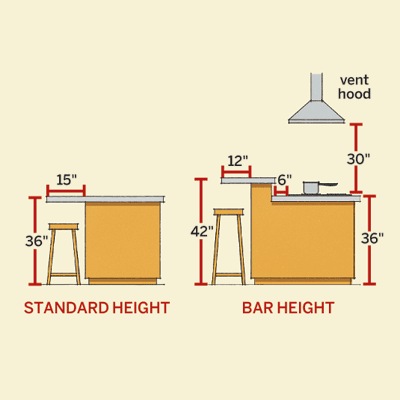
Image Source: kikiinteriors.com
Deciphering Standard Kitchen Island Dimensions
When planning your kitchen renovation or redesign, a key consideration is the standard kitchen island dimensions. These aren’t rigid rules but rather widely accepted guidelines that ensure functionality and aesthetic harmony. While you can certainly deviate for a custom kitchen island height, knowing the standard helps set a baseline.
The Foundation: Standard Counter Height
The most common kitchen island height aligns with your base cabinetry, typically sitting at 34 to 36 inches from the floor. This is often referred to as counter height island. This height is perfect for a variety of tasks:
- Food Preparation: Chopping vegetables, mixing ingredients, and rolling out dough are all comfortable at this level.
- Everyday Kitchen Work: It’s the ideal height for tasks like washing dishes (if your sink is integrated) or simply placing groceries.
- Casual Dining: With the addition of stools, this height is comfortable for quick breakfasts or snacks.
The island height with countertop will be the final measurement, so factor in the thickness of your chosen countertop material. Granite, quartz, marble, or butcher block all add a few centimeters to the overall height.
Reaching for More: Bar Height Islands
For kitchens that prioritize a social gathering space or a dedicated eating area, a bar height island is a popular choice. These islands are typically 40 to 42 inches tall. This elevated design offers a distinct feel and serves a different purpose:
- Social Hub: It encourages guests to gather around, chat with the cook, and enjoy drinks and appetizers.
- Distinct Zones: A taller island can help visually separate the cooking area from the dining or living space in an open-plan layout.
- Ergonomic for Standing: While less ideal for extended prep work, it’s comfortable for standing conversations and quick meals.
When opting for a bar height, ensure you select appropriate bar stools with a seat height of around 28-30 inches to maintain comfortable legroom and interaction.
The Middle Ground: Table Height Islands
Less common but still a viable option is a table height island, typically around 28 to 30 inches. This height mimics a standard dining table and can be ideal if your island is intended primarily for dining or as a central gathering spot that doubles as a workspace.
- Dining Focus: Perfect for family meals or as a casual dining table.
- Versatile Workspace: Can be used for homework, crafting, or even as a temporary desk.
For this height, you’ll need chairs with a seat height of 18-20 inches.
Fathoming the Factors Influencing Your Island Height
Beyond the standard dimensions, several factors should guide your decision on the best height for kitchen island.
1. Intended Use: The Primary Driver
The most critical factor is how you plan to use your island.
- Prep Central: If your island is your main food preparation area, a counter height island (34-36 inches) is likely the best height for kitchen island. This ergonomic height reduces strain on your back and shoulders during chopping, mixing, and other culinary tasks.
- Dining Destination: For an island that serves as a primary eating spot, a bar height island (40-42 inches) is often preferred, encouraging guests to stand and mingle. Alternatively, a table-height island with comfortable chairs can create a more formal dining experience.
- Multi-Functional Hub: Many kitchens benefit from a multi-level island. You could have a lower prep area (counter height) adjacent to a higher bar area. This offers the best of both worlds, providing dedicated spaces for different activities. The kitchen island workspace height for prep should be lower than any bar seating.
2. Seating Arrangements and Comfort
The type of seating you plan to incorporate significantly influences the ideal kitchen island seating height.
- Counter Stools (for 34-36 inch islands): These typically have a seat height of 24-26 inches. This allows for about 10-12 inches of legroom between the seat and the countertop, which is a comfortable ratio.
- Bar Stools (for 40-42 inch islands): These have a seat height of 28-30 inches, again providing the ideal 10-12 inch gap.
- Dining Chairs (for 28-30 inch islands): These have seat heights of 18-20 inches.
Consider the overall visual balance. Very tall islands can feel imposing if they dwarf your seating, while very low islands might make your stools look out of proportion.
3. Ergonomics and Your Physique
While standard heights work for most people, personal ergonomics play a role, especially if you have specific physical needs or are particularly tall or short.
- For Taller Individuals: You might find a slightly higher counter height island (closer to 36 inches) or even a custom height more comfortable for prolonged prep work.
- For Shorter Individuals: A kitchen island workspace height on the lower end of the standard range (around 34 inches) might feel more natural.
It’s a good idea to test out different heights if possible. Visit showrooms and stand at various island heights to see what feels most natural for your body.
4. Cabinetry and Material Choices
Your choice of base cabinetry and the thickness of your countertop material will directly impact the final island height with countertop.
- Standard Base Cabinets: Most standard base cabinets are 34.5 inches high. Adding a typical 1.5-inch thick countertop brings the total to 36 inches.
- Thicker Countertops: Exotic stones or thick butcher block can add significant height. If you’re using a 2-inch thick slab, you might need to account for this by using slightly shorter base cabinets if you aim for a precise height.
- Custom Cabinetry: If you’re opting for custom cabinets, you have more flexibility to achieve any desired custom kitchen island height.
5. Overall Kitchen Design and Flow
The height of your island should complement the scale and style of your kitchen.
- Open-Plan Living: In open-plan spaces, the island’s height can help define zones. A taller bar height island can act as a visual divider between the kitchen and living area.
- Proportion and Scale: Ensure the island’s height is in proportion to your ceiling height and the overall size of the kitchen. A towering island in a small kitchen can feel overwhelming, while a squat island in a grand kitchen might get lost.
- Visual Hierarchy: The island’s height can also contribute to the visual hierarchy of your kitchen. A distinct height can make it a focal point.
Exploring Different Kitchen Island Heights in Detail
Let’s delve deeper into the practical implications of different island heights.
Counter Height Islands (34-36 inches)
This is the most prevalent kitchen island height for good reason. It’s incredibly versatile.
- Pros:
- Excellent for food preparation, reducing strain.
- Comfortable for casual dining with counter stools.
- Integrates seamlessly with existing counter heights.
- Offers ample storage within the base cabinets.
- Cons:
- May feel slightly too low for some as a dedicated bar area.
- Requires counter-height stools, which might be less suitable for very young children or those with mobility issues.
Example Scenario: A busy family who loves to cook together will find a 35-inch counter height island ideal for daily meal prep and occasional quick bites.
Bar Height Islands (40-42 inches)
These islands elevate your kitchen experience, literally and figuratively.
- Pros:
- Creates a natural gathering spot for socializing.
- Provides a comfortable standing height for drinks and appetizers.
- Can act as a visual divider in open-plan layouts.
- Offers a different aesthetic, often more contemporary.
- Cons:
- Less comfortable for extended food preparation.
- Requires taller bar stools, which may be less stable for children.
- Can feel imposing in smaller kitchens or with low ceilings.
Example Scenario: A couple who entertains frequently might opt for a 41-inch bar height island to create a dedicated social zone separate from their main cooking area.
Table Height Islands (28-30 inches)
These offer a more traditional furniture feel.
- Pros:
- Comfortable for dining with standard dining chairs.
- Versatile for various activities like homework or crafting.
- Can make a kitchen feel more like a dining room.
- Cons:
- Too low for comfortable food preparation for most adults.
- Requires dining chairs, which can take up more space than stools.
Example Scenario: A homeowner who wants their kitchen to double as a secondary dining area might choose a 29-inch table height island, furnished with comfortable dining chairs.
The Importance of Measuring and Planning
Before you commit to a custom kitchen island height or even choose from standard options, meticulous planning and measurement are essential.
Creating a Mock-Up
One of the best ways to gauge comfort is to create a temporary mock-up of your island. Use cardboard boxes or painter’s tape on the floor to outline the island’s footprint and stack boxes to represent different heights. Spend time standing at these mock-ups, imagining yourself preparing food or sitting at it.
Considering Vertical Space
Don’t forget about overhead clearance. Ensure there’s enough space between the island and surrounding cabinets or appliances for comfortable movement. The standard walkway clearance around a kitchen island is 36 inches, but 42-48 inches is preferable for more spacious kitchens and easier passage.
The Role of the Countertop Thickness
Remember that the island height with countertop is the final figure. If you fall in love with a 1-inch thick countertop for a sleek, modern look, and you want a 36-inch counter height island, you’ll need base cabinets that are 35 inches tall. This might require custom cabinet fabrication or adjustments to standard cabinets.
Custom Kitchen Island Height: When Standards Aren’t Enough
While standard dimensions work for many, there are compelling reasons to consider a custom kitchen island height.
- Unique Kitchen Layouts: Irregularly shaped kitchens or those with non-standard ceiling heights might benefit from a custom-fitted island.
- Specific Ergonomic Needs: As mentioned earlier, individuals with distinct physical requirements might need a tailored height for optimal comfort and usability.
- Distinct Design Vision: Some homeowners have a clear aesthetic vision that a custom height can help achieve. This might involve integrating the island height with existing furniture or architectural features.
- Multi-Level Designs: Creating an island with varying heights for different functions is inherently a custom solution.
Factors to Discuss with Your Designer or Cabinet Maker
When opting for a custom height, have a detailed conversation with your kitchen designer or cabinet maker. Bring your measurements, your intended uses, and any inspirations you have. Discuss:
- Your preferred kitchen island workspace height.
- The desired kitchen island seating height.
- The thickness of your chosen countertop.
- The overall average kitchen island size and how your chosen height will fit within it.
- Any specific ergonomic considerations.
Frequently Asked Questions About Kitchen Island Height
Here are some common questions people have about kitchen island heights:
What is the most common kitchen island height?
The most common kitchen island height is counter height, typically ranging from 34 to 36 inches. This aligns with standard base cabinet heights and is ideal for food preparation and casual dining.
Can I have a kitchen island with different heights?
Yes, absolutely! Multi-level kitchen islands are a popular design choice, allowing you to have a lower prep area (counter height) and a higher bar area (bar height) on the same island.
What is the best height for kitchen island seating?
For counter height islands (34-36 inches), the best kitchen island seating height is around 24-26 inches for the stool seat. For bar height islands (40-42 inches), the best stool seat height is 28-30 inches. This allows for 10-12 inches of legroom between the seat and the countertop.
How do I determine my custom kitchen island height?
To determine your custom kitchen island height, consider your primary uses (prep, dining, socializing), your own height and comfort, and the type of seating you plan to use. Mock-ups and testing different heights in showrooms are highly recommended.
Does the countertop thickness affect the island height?
Yes, the island height with countertop is the final measurement. If you choose a thicker countertop material (e.g., 2 inches), you’ll need to adjust the height of your base cabinets accordingly if you aim for a specific overall island height.
What is a good kitchen island workspace height?
A good kitchen island workspace height for food preparation is generally between 34 to 36 inches, similar to your main kitchen counters. This height is ergonomically sound for chopping, mixing, and other culinary tasks.
What is the average kitchen island size?
While dimensions vary greatly, the average kitchen island size can range from about 3 feet by 5 feet to 4 feet by 7 feet. However, the height is a separate but equally important consideration within that size.
By carefully considering these factors and exploring your options, you can find the perfect kitchen island height that enhances both the functionality and beauty of your kitchen. Whether you opt for a standard height or a custom solution, the right height will make your island a beloved and well-used feature of your home.