
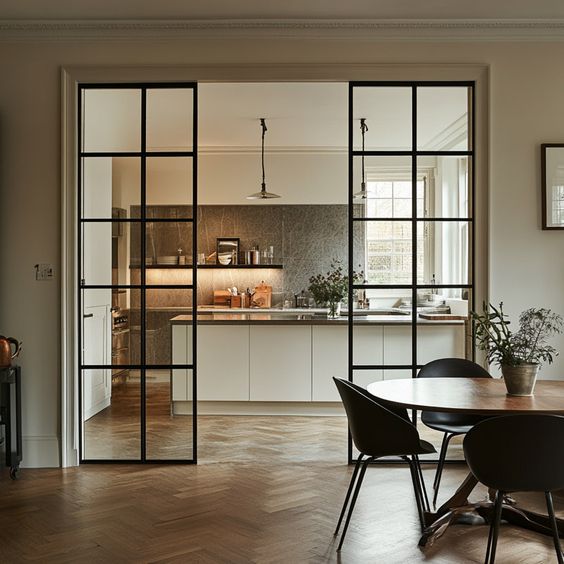
Image Source: andorwillow.com
How To Separate Kitchen From Living Room: Smart Ideas
Can you separate a kitchen from a living room in an open-concept space? Yes, absolutely! You can effectively separate a kitchen from a living room in an open-concept space using various clever techniques and design elements. What are the best ways to create a visual separation between these two zones? The best ways involve creating distinct boundaries that define each area without fully enclosing them, using elements like furniture placement, open concept divider solutions, and strategic use of materials and lighting.
In today’s homes, the open-concept layout is incredibly popular. It fosters a sense of spaciousness and encourages interaction. However, it can also blur the lines between living and working areas, particularly between the kitchen and the living room. This can lead to a lack of definition, making one space feel like it’s intruding on the other. But fear not! There are many smart and stylish ways to achieve a harmonious balance, creating zones that are both functional and aesthetically pleasing. Whether you’re looking for a subtle hint of separation or a more defined division, this guide will explore a range of room partition ideas to help you reimagine your open-concept living and kitchen space.
The Appeal of Defined Zones
Having defined zones in an open-concept home offers several benefits:
- Improved Functionality: Each area serves its intended purpose without interference. For example, cooking smells and sounds from the kitchen are less likely to permeate the entire living space.
- Enhanced Aesthetics: Clearly defined areas can showcase different décor styles, adding visual interest and preventing a monotonous look.
- Better Flow and Navigation: Guests and residents can easily understand where one space ends and another begins, improving the overall flow of the home.
- Increased Privacy: While still open, a degree of privacy can be achieved for different activities.
Practical Room Partition Ideas
When aiming to separate your kitchen from your living room, think about how you can create these defined areas without sacrificing the open feel entirely. The goal is to guide the eye and establish boundaries subtly.
1. Furniture Arrangement Living Room Kitchen
This is often the most straightforward and cost-effective method for creating zones. The strategic placement of furniture can act as a natural open concept divider.
The Sofa as a Barrier
- Placement: Position your sofa with its back facing the kitchen. This creates a clear visual break between the seating area and the cooking space.
- Considerations: Ensure there’s enough circulation space behind the sofa. A larger sofa can create a more substantial divide.
Island or Peninsula as a Divider
- Functionality: Kitchen islands or peninsulas are classic open concept dividers. They not only provide extra counter space and storage but also serve as a physical and visual barrier between the kitchen and living areas.
- Benefits: They can incorporate seating, making them a social hub. Their height naturally separates the zones.
Console Tables and Sideboards
- Style: Placing a long console table or sideboard behind a sofa or at the edge of the living area can create a sense of a room within a room.
- Use: These can be styled with lamps, plants, and decorative items, adding personality while still allowing sightlines.
Area Rugs for Visual Separation
- Impact: Define each zone by using distinct area rugs. A rug in the living room anchors the seating area, while another rug, perhaps a runner or a smaller mat, can define the kitchen’s dining or prep area.
- Effectiveness: This is a simple yet powerful way to visually delineate spaces without any physical obstruction.
2. Architectural Elements for a Defined Separation
For a more permanent or significant separation, consider incorporating architectural features. These can add character and structure to your open-concept layout.
The Half Wall (Partial Wall)
- Concept: A half wall, also known as a partial wall, is a fantastic open concept divider. It offers a substantial physical barrier without completely closing off the space.
- Benefits:
- Provides privacy for the kitchen.
- Can incorporate built-in shelving or a breakfast bar.
- Offers a surface for artwork or decor.
- Reduces the transmission of cooking odors and sounds.
- Design Ideas:
- Height: Typically extends halfway up the wall or to a comfortable counter height.
- Material: Can be drywall, wood, brick, or even a combination.
- Integration: Can be designed with open shelving on the living room side for display, or a solid surface for a more distinct divide.
Built-in Shelving Units or Bookcases
- Dual Purpose: A strategically placed, open shelving unit or bookcase can act as an excellent open concept divider.
- Advantages:
- Allows light to pass through, maintaining a sense of openness.
- Provides storage and display space for books, plants, and decorative items.
- Can be customized to fit the specific dimensions and style of your home.
- Customization: Consider a custom room divider unit designed with varying shelf heights and depths for maximum visual appeal and functionality.
Sliding Doors or Room Divider Screens
- Flexibility: For a more adaptable solution, consider sliding doors or stylish room divider screens.
- Sliding Doors: Glass or frosted glass sliding doors can offer a sleek and modern separation. They can be opened completely to regain the open-concept feel or closed for more distinct zones.
- Room Divider Screens: These are versatile and can range from decorative fabric screens to more solid, panelled units. They offer a flexible way to create visual separation as needed.
Change in Flooring
- Subtle Distinction: A change in flooring material can effectively signal a transition between zones. For instance, using tile in the kitchen and hardwood or carpet in the living room creates a subtle but clear demarcation.
- Considerations: Ensure the transition is smooth and visually appealing.
Ceiling Treatments
- Highlighting Zones: Use different ceiling treatments to define areas. A dropped ceiling, a coffered ceiling over the kitchen, or a unique lighting fixture above the dining area can draw attention and visually separate the spaces.
3. Creative Room Partition Ideas
Beyond the standard solutions, there are many creative ways to achieve separation.
Plant Walls or Large Greenery
- Biophilic Design: Incorporate large potted plants, a freestanding planter with multiple plants, or even a vertical plant wall.
- Benefits: This adds a touch of nature, improves air quality, and creates a soft, organic visual separation.
Double-Sided Fireplace
- Focal Point: A fireplace that can be viewed from both the kitchen and living room is a stunning open concept divider.
- Ambiance: It adds warmth and a cozy focal point to both spaces.
Countertop Extension or Breakfast Bar
- Integrated Solution: Extending your kitchen countertop or creating a breakfast bar that juts out into the living area acts as a natural open concept divider.
- Utility: It provides a casual dining spot and a counter for serving food and drinks.
Different Wall Colors or Textures
- Psychological Separation: Painting the kitchen walls a different color from the living room walls can create a subtle psychological separation.
- Accent Walls: An accent wall in the living room, or a textured backsplash in the kitchen, can also help define the areas.
Lighting Design
- Task vs. Ambient: Use different types of lighting to differentiate the zones. Bright task lighting is ideal for the kitchen, while softer, ambient lighting works well in the living room.
- Pendant Lights: Hanging pendant lights over an island or dining area can visually anchor the space and create a clear boundary.
4. DIY Room Divider Solutions
For the budget-conscious or the creative at heart, DIY room divider projects offer endless possibilities.
Repurposed Doors or Screens
- Creative Reuse: Find old doors, windows, or decorative screens at antique shops or flea markets and repurpose them into unique room dividers.
- Modification: You can paint them, add hinges, or even insert glass or fabric panels.
Crate or Wooden Panel Dividers
- Modular Design: Build a divider using wooden crates or panels. These can be arranged in various configurations, offering a rustic or modern aesthetic.
- Functionality: Crates can even provide built-in shelving.
Fabric Panels or Curtains
- Soft Separation: Hang heavy curtains or create fabric panels on a track system. This offers a soft, movable room partition idea.
- Benefits: They can be opened or closed as needed and come in a vast array of colors and patterns.
Bookshelf as a Room Divider
- Open or Closed Back: Use a freestanding bookshelf, ideally one with a finished back, as a divider. You can fill it with books, plants, or decorative items.
- Customization: For a truly unique custom room divider, consider building your own modular bookshelf.
Creating Zones: What to Consider
When implementing any of these ideas, keep these factors in mind:
- Scale and Proportion: Ensure your chosen divider fits the scale of your room. A massive divider in a small space can feel overwhelming, while a tiny one in a large space might not be effective.
- Light Flow: Try to maintain as much natural light as possible. Opaque dividers can block light, so consider options with open shelving or glass elements.
- Acoustics: Consider how your divider might affect the sound. A solid wall will dampen sound more than an open shelving unit.
- Style Cohesion: While you’re creating separate zones, ensure the overall style remains cohesive with the rest of your home.
- Budget: Determine how much you’re willing to spend. DIY solutions are often more budget-friendly than custom-built architectural elements.
Table of Ideas for Separating Kitchen from Living Room
| Idea Category | Specific Solutions | Benefits | Considerations |
|---|---|---|---|
| Furniture Arrangement | Sofa placement, Island/Peninsula, Console Tables, Area Rugs | Cost-effective, flexible, no construction needed, defines zones | Circulation space, sofa size, visual impact of rugs |
| Architectural Elements | Half Wall (Partial Wall), Built-in Shelving, Sliding Doors, Ceiling Treatments | Permanent/semi-permanent, significant separation, adds value, can be highly functional | Construction required, can reduce natural light, cost, commitment |
| Creative Solutions | Plant Walls, Double-Sided Fireplace, Countertop Extension, Wall Colors, Lighting | Unique aesthetic, natural appeal, focal points, subtle separation, mood setting | Maintenance for plants, cost of fireplace/counter extension, artistic preferences |
| DIY Room Divider | Repurposed Doors, Crate Dividers, Fabric Panels, Bookshelf Divider | Budget-friendly, personalized, creative expression, adaptable | Time investment, skill level required, aesthetic quality, durability |
Frequently Asked Questions (FAQ)
Q1: What is the easiest way to separate a kitchen from a living room?
The easiest ways involve furniture arrangement and area rugs. Placing a sofa with its back to the kitchen or using distinct rugs for each zone can quickly define the spaces without any complex installation.
Q2: Can I use a bookshelf as an open concept divider?
Yes, a bookshelf is an excellent open concept divider. Opt for one with a finished back and place it strategically to create a visual break between your kitchen and living room. You can also fill it with items to enhance the separation.
Q3: What is a half wall and how does it help separate rooms?
A half wall, or partial wall, is a wall that doesn’t extend to the ceiling. It provides a physical barrier that partially separates two spaces, such as a kitchen and living room, offering a degree of privacy and sound reduction without fully enclosing the areas. It can also serve as a surface for decorative items or even a breakfast bar.
Q4: How can I create visual separation without building a wall?
You can create visual separation using furniture placement, area rugs, strategic lighting, changes in flooring, or by incorporating decorative screens or open shelving units. These methods define the zones without creating a solid barrier.
Q5: What are some good DIY room divider ideas?
Great DIY room divider ideas include repurposing old doors or windows into screens, building dividers from wooden crates or pallets, hanging fabric panels, or using a freestanding bookshelf. These allow for customization and budget-friendliness.
Q6: How do I choose the right room partition ideas for my space?
Consider your budget, the desired level of separation, the amount of natural light you want to preserve, and your home’s overall style. Think about whether you need a purely visual separation or a more substantial open concept divider. Also, consider if you’d prefer a movable room divider screens or a more permanent fixture like a partial wall.
By thoughtfully implementing these ideas, you can transform your open-concept space into a well-defined and functional home, enhancing both its aesthetics and its usability.