
The ideal kitchen island height is generally 36 inches from the floor to the top of the countertop. This height aligns with standard kitchen countertop height and provides a comfortable workspace for most individuals, as well as a good height for casual dining.
A kitchen island is more than just an extra surface; it’s a hub of activity. It’s where meals are prepped, homework is done, and conversations flow. Choosing the right kitchen island height recommendations is crucial for both functionality and comfort. Too low, and you’ll be hunching over constantly. Too high, and it becomes awkward for most tasks. Let’s dive into the details to help you find the optimal kitchen island height for your home.
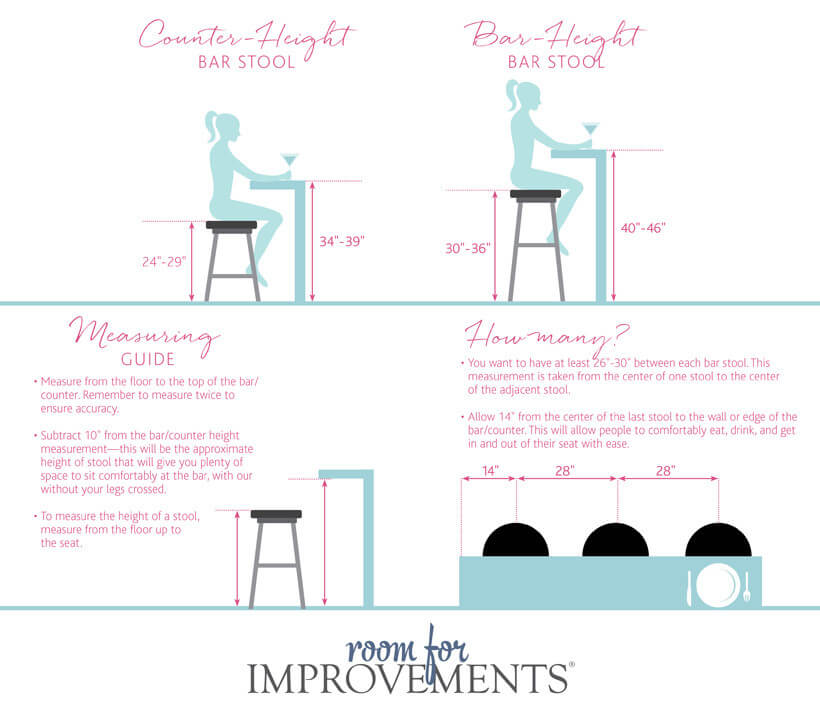
Image Source: www.signaturekab.com
Deciphering Standard Kitchen Island Dimensions
When planning your kitchen, knowing the standard kitchen island dimensions is a great starting point. These are the typical measurements that work well in most kitchens, but remember, customization is key.
Kitchen Island Countertop Height: The Core Measurement
As mentioned, the most common kitchen island countertop height is 36 inches. This measurement is consistent with the standard countertop height found throughout most kitchens. This uniformity makes it easy to transition from your main counters to your island, allowing for a seamless workflow.
Why 36 inches?
- Ergonomics: This height is generally comfortable for food preparation, chopping vegetables, kneading dough, and other common kitchen tasks without causing undue strain on your back or arms.
- Appliance Integration: Many standard appliances, like dishwashers and trash pull-outs, are designed to fit under a 36-inch countertop.
- Seating Comfort: It provides a good height for many standard counter stools.
Counter Stool Height for Island: Finding the Perfect Match
If your island will double as a dining or seating area, selecting the correct counter stool height for island is vital.
- For a 36-inch island countertop: Look for counter stools that are typically 24-26 inches from the floor to the seat. This leaves about 10-12 inches of knee space between the seat and the underside of the countertop.
- For taller islands (e.g., 42 inches): You’ll need bar stools, which have seats typically 28-30 inches from the floor.
Here’s a quick guide:
| Countertop Height | Recommended Stool Seat Height | Clearance |
|---|---|---|
| 36 inches | 24-26 inches | 10-12 inches |
| 42 inches | 28-30 inches | 12-14 inches |
Kitchen Island Depth: Balancing Function and Flow
The kitchen island depth is another critical consideration. It needs to be deep enough to be functional but not so deep that it impedes movement around the kitchen.
- Standard Depth: A typical kitchen island depth ranges from 24 to 36 inches.
- Working Depth: If your island includes cabinets or drawers on one side, the usable countertop depth will be slightly less than the overall cabinet depth. Standard base cabinets are usually 24 inches deep. Adding a countertop will typically bring this to around 25-25.5 inches.
- Seating Depth: If you plan to have seating on one side, you’ll need to account for overhang. A common overhang for seating is 12-15 inches. This means if you have 24-inch deep cabinets, your total island depth with seating could be 36-39 inches.
Kitchen Island Width: More Than Just a Number
The kitchen island width depends heavily on the size of your kitchen and your intended use.
- Minimum Width: For basic prep space and storage, a minimum width of 24-30 inches is often recommended.
- Usable Width: Consider how much clear workspace you need.
- Walkway Clearance: Crucially, ensure you have adequate clearance around the island for comfortable movement. Aim for at least 36 inches of walkway space on all sides, and ideally 42-48 inches if traffic is heavy or if appliances like ovens or dishwashers open onto the walkway.
Tailoring Your Island Height: Beyond the Standard
While 36 inches is the standard, your needs might dictate a different optimal kitchen island height.
For the Master Chef: Lowering for Prep Work
If you spend a lot of time actively cooking, chopping, and prepping, you might find a slightly lower island more comfortable.
- Consider: A height of 30-34 inches can be more ergonomic for tasks requiring prolonged standing and leaning over the surface. This mimics the height of a standard dining table.
- Impact on Seating: If you opt for a lower prep island, you’ll need to use dining chairs or stools that complement this height, rather than counter stools.
For the Entertainer: Elevated for Serving and Gathering
If your island is primarily a buffet, serving station, or a gathering spot for guests, a slightly higher counter can be advantageous.
- Consider: A 42-inch high island (often called a bar height island) can be perfect. This height is ideal for standing conversations and can easily accommodate bar stools.
- Multiple Levels: You can even incorporate different levels on your island. For example, a 36-inch prep area with a 42-inch seating bar. This adds visual interest and caters to different activities.
The Universal Design Approach: Accessibility for All
For a truly inclusive kitchen, consider universal design principles. This means designing for people of all ages and abilities.
- Adjustable Height: While less common for fixed islands, adjustable-height islands are available. These offer flexibility for different users and tasks.
- Lowered Sections: Incorporate a section of the island at a lower height (e.g., 30 inches) to accommodate wheelchair users or children who enjoy helping in the kitchen.
The Ideal Kitchen Island Size: A Balancing Act
The ideal kitchen island size is a delicate balance between desired functionality, available space, and traffic flow. There’s no one-size-fits-all answer.
Factors Influencing Your Island Size:
- Kitchen Footprint: Measure your kitchen space carefully. Don’t overcrowd the room, as this can make it feel cramped and difficult to navigate.
- Primary Use: Will it be mostly for prep, seating, storage, or a combination?
- Appliance Integration: Do you plan to house a cooktop, sink, or dishwasher in your island? This will dictate the minimum size required.
- Walkway Clearance: As mentioned, this is non-negotiable for safety and comfort.
Typical Island Sizes:
- Small Kitchens (Under 150 sq ft): A narrow island, perhaps 3 feet by 6 feet, can offer added prep and storage without overwhelming the space. Rolling islands or narrower peninsula styles can also be great options.
- Medium Kitchens (150-300 sq ft): A standard island of around 4 feet by 7 feet or 5 feet by 8 feet is often suitable, offering ample workspace and potential for seating.
- Large Kitchens (Over 300 sq ft): You have more flexibility here. Larger islands, even with seating on multiple sides, can be incorporated. Consider L-shaped or U-shaped island configurations for maximum workspace.
Beyond the Straight Line: Island Shapes
- Rectangular Islands: The most common shape, versatile and fits most kitchen layouts.
- Square Islands: Good for smaller kitchens or when seating is desired on multiple sides.
- L-Shaped Islands: Can maximize counter space and seating in larger kitchens.
- U-Shaped Islands: Offer extensive counter space and can create a distinct zone within a larger open-plan area.
Material Matters: Countertop Choices and Their Impact
The material of your island countertop can influence its perceived height and overall aesthetic.
- Butcher Block: Offers a warm, natural feel and is excellent for chopping directly on (with proper maintenance). Its thickness can add to the perceived height.
- Granite/Quartz: Durable, non-porous, and available in a vast array of colors and patterns. They offer a sleek, modern look.
- Marble: Luxurious and beautiful, but more prone to etching and staining, requiring careful maintenance.
- Laminate: An economical choice, available in many styles, but less durable than natural stone or solid surfaces.
- Concrete: Modern and industrial, can be poured on-site to custom dimensions.
The thickness of your countertop will add to the overall height. A standard countertop is typically 1.25 inches to 1.5 inches thick. If you choose a thicker slab, remember this will increase the final kitchen island countertop height.
Incorporating Seating: A Common Island Feature
Most people want to integrate seating into their kitchen island, turning it into a social hub.
Seating Arrangements:
- One Side Seating: The most common setup, where stools are placed along one length of the island. This usually requires an overhang of at least 12 inches.
- Two Side Seating: If your island is wide enough, you can have seating on both longer sides. This is ideal for larger families or frequent entertaining.
- End Seating: Sometimes, seating can be incorporated at the ends of the island, especially if the island is not directly in a main traffic path.
Seating Clearance:
- Knee Space: Ensure at least 10-12 inches of knee space between the seat and the underside of the countertop.
- Stool Clearance: Allow enough space for people to comfortably pull out their stools and sit down without bumping into other furniture or the island itself. Aim for 4-6 inches between the edge of the stool and the edge of the island.
- Back-to-Back Seating: If seating is on opposite sides of the island, you’ll need ample walkway space between the stools, ideally 48-60 inches, so people can pass behind seated guests.
Frequently Asked Questions About Kitchen Island Height
Here are some common questions people have when deciding on their kitchen island’s height.
Q1: Can my kitchen island be the same height as my regular countertops?
A1: Yes, this is the most common and often the most practical approach. Matching your island countertop height to your existing countertops (typically 36 inches) creates a cohesive look and a consistent workspace. It also simplifies appliance integration and stool selection.
Q2: What if my kitchen is very small? How tall should my island be?
A2: In a small kitchen, prioritize functionality and airflow. A standard 36-inch height is still a good starting point. Focus on a narrower kitchen island width and depth. Consider a rolling island that can be moved out of the way when not in use. If seating is essential, a slightly higher, narrower island (like a table-height island with chairs) might be more space-efficient than a wide island with stools.
Q3: Should the height of my island depend on my height?
A3: Yes, personal ergonomics can play a role. If you are significantly taller or shorter than average, you might consider adjusting the optimal kitchen island height. For very tall individuals, a slightly higher island (e.g., 38-40 inches) might be more comfortable for prep work. For those who are shorter, a slightly lower island (e.g., 32-34 inches) could be better. However, always consider how this deviation from the standard might affect seating and overall kitchen flow.
Q4: How much overhang do I need for seating at my kitchen island?
A4: For comfortable seating at a 36-inch high island, aim for an overhang of at least 10-12 inches. This allows enough knee space for someone to sit comfortably. For bar-height islands (42 inches), an overhang of 12-15 inches is generally recommended for bar stools.
Q5: Can I have different heights on my kitchen island?
A5: Absolutely! This is a popular design trend that adds visual interest and functionality. You can have a lower section for prep work (e.g., 30-34 inches) and a raised section for seating or serving (e.g., 42 inches). Just ensure the transition between levels is smooth and safe.
By carefully considering these kitchen island height recommendations, standard kitchen island dimensions, and your personal needs, you can design a kitchen island that is not only beautiful but also perfectly functional for your culinary adventures and daily life. Remember, the ideal kitchen island size and height are ultimately determined by how you use your kitchen.