
Can you see your kitchen cabinets in a different color? Absolutely! The best way to see your kitchen cabinets in a new color is by using digital tools and physical samples. This article will guide you through the exciting process of envisioning your kitchen cabinets with a fresh coat of paint or a new finish. We’ll explore various methods, from simple online visualizers to trying out cabinet color samples in your own space, to help you make the perfect choice for your kitchen remodel visualizer.
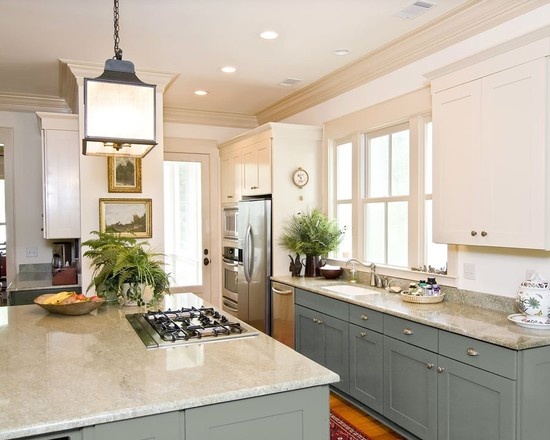
Image Source: thedecorologist.com
Exploring Kitchen Cabinet Color Ideas
Choosing a new color for your kitchen cabinets can transform your entire kitchen. It’s like giving your kitchen a brand new personality! Whether you’re dreaming of a modern farmhouse look, a sleek contemporary vibe, or a cozy traditional feel, the right cabinet color is key. Let’s dive into some popular kitchen cabinet color ideas to spark your inspiration.
Popular Cabinet Color Trends
- Whites and Off-Whites: These are timeless classics for a reason. They make kitchens feel bright, airy, and spacious. Think crisp whites, creamy ivories, or even subtle off-whites with a hint of grey.
- Greys and Greiges: These sophisticated neutrals offer warmth and depth. Light greys can create a modern feel, while darker charcoal greys can be dramatic. Greige, a mix of grey and beige, is incredibly versatile.
- Blues: From soft, muted sky blues to deep, rich navy blues, this color family brings a sense of calm and elegance. Navy cabinets are a bold statement, while pale blues are serene.
- Greens: Sage green, olive green, and even deep forest green are gaining popularity. They bring a touch of nature indoors and can create a very welcoming atmosphere.
- Black: For a dramatic and chic look, black cabinets are a fantastic choice. They add a touch of luxury and can make other elements in your kitchen pop.
- Wood Tones: Don’t forget the beauty of natural wood! Stained cabinets in warm honey tones, rich cherry, or deep espresso can provide a timeless and inviting feel.
Factors to Consider When Choosing a Color
When you’re thinking about changing your cabinet colors, it’s not just about picking a shade you like. You need to consider how it will work with the rest of your kitchen.
- Your Kitchen’s Style: Is it modern, traditional, rustic, or something else? The cabinet color should match this overall style.
- Countertops and Backsplash: The cabinet color needs to harmonize with these elements. If you have busy countertops, a simpler cabinet color might be best, and vice versa.
- Flooring: Your cabinet color should complement your floor.
- Lighting: How much natural light does your kitchen get? Light colors can brighten darker spaces, while darker colors can make a well-lit kitchen feel cozier.
- Your Personal Taste: Ultimately, you want a color that you love and that makes you happy every time you’re in your kitchen.
How to See Your Kitchen Cabinets in a New Color: Practical Methods
So, you have some kitchen cabinet color ideas. Now, how do you actually see what they’ll look like before you commit? This is where the fun and the practical planning come in. There are several effective ways to visualize a cabinet makeover.
1. Using a Cabinet Paint Simulator (Virtual Cabinet Repaint)
One of the most powerful tools for visualizing a change in cabinet color is a cabinet paint simulator. These online tools allow you to digitally “repaint” your cabinets.
How Cabinet Paint Simulators Work
- Upload Your Kitchen Photo: Most cabinet color visualizers allow you to upload a clear, well-lit photo of your current kitchen.
- Select Cabinet Areas: You can then select the areas of your cabinets that you want to change in the virtual repaint.
- Choose Colors: Browse through a wide range of colors offered by paint brands. You can often see how different finishes (matte, satin, semi-gloss) look too.
- Apply Colors Digitally: The software applies the chosen color to your cabinets in the photo, giving you a virtual cabinet repaint.
Benefits of Using a Cabinet Paint Simulator
- See Many Options Quickly: You can experiment with dozens of colors in minutes.
- Visualize the Entire Kitchen: Get a sense of how the new color will look with your existing countertops, backsplash, and appliances.
- No Mess, No Commitment: It’s a risk-free way to explore different looks.
Popular Cabinet Color Visualizer Tools
Many paint manufacturers and home improvement retailers offer their own cabinet color visualizer tools. Some popular options include:
- Sherwin-Williams ColorSnap® Visualizer: Allows you to upload photos and try colors on walls and cabinets.
- Benjamin Moore Color Capture® App: Similar functionality, letting you try colors virtually.
- Behr ColorSmart by BEHR App: Another great option for seeing colors in your space.
- Online Kitchen Remodel Visualizer Tools: Some websites specialize in full kitchen design and allow you to change cabinet colors as part of a broader remodel visualization.
2. Trying Cabinet Color Samples
While digital tools are great for an initial overview, nothing beats seeing actual cabinet color samples in your kitchen. This is a crucial step in the process of changing cabinet colors.
How to Get and Use Cabinet Color Samples
- Order Paint Samples: Purchase small sample pots of your top color choices from your preferred paint brand.
- Paint Swatches: Find areas in your kitchen that have good lighting and are not too visually busy (e.g., the inside of a cabinet door if possible, or a large piece of cardboard). Paint generous swatches of each color.
- Observe in Different Lights: Look at the samples at different times of day – morning, afternoon, and evening. Natural light changes throughout the day, and this will affect how the color appears.
- Compare with Existing Elements: Hold the paint swatches next to your countertops, backsplash, and appliances to see how they coordinate.
Types of Cabinet Color Samples
- Paint Swatches: As mentioned, small paint pots and large swatches are the most common.
- Painted Cabinet Doors: If you’re considering refacing or replacing doors, you can often order a single sample door painted in your chosen color. This is the most accurate way to see the final result.
- Material Samples: If you’re not painting but considering new cabinet doors in a different material or finish (like laminate or thermofoil), order samples of those materials directly.
3. Cabinet Refacing Visualizer
If you’re not painting but thinking about replacing your cabinet doors and drawer fronts, a cabinet refacing visualizer can be incredibly helpful. This tool focuses on the look of new door styles and colors.
What a Cabinet Refacing Visualizer Shows
A cabinet refacing visualizer typically allows you to:
- Select Door Styles: Choose from various door profiles (shaker, raised panel, flat panel, etc.).
- Pick Finishes and Colors: See how different wood veneers, painted finishes, or laminate colors look on those styles.
- Visualize the Whole Kitchen: Some advanced visualizers can show you how the new doors and drawer fronts will look on your existing cabinet boxes.
This is a great way to see if a completely different look is achievable through refacing.
4. Professional Design Software and Consultations
For a more in-depth and professional approach, consider using design software or consulting with a kitchen designer.
- Kitchen Remodel Visualizer Software: Interior designers often use sophisticated software that can create 3D renderings of your kitchen. This allows for highly realistic cabinet color visualization.
- Color Consultations: A professional color consultant can help you choose colors that not only look good but also suit your home’s overall style and your personal preferences. They can also advise on the best finishes and application methods.
Popular Cabinet Color Palettes for Your Kitchen
Let’s get more specific with some popular cabinet color palettes to help you with your kitchen cabinet color ideas. Think about how these might look in your space and how they complement other kitchen elements.
Palette 1: Bright and Airy Modern
- Cabinet Color: Soft White or Light Greige.
- Countertops: Quartz with subtle veining in grey or white.
- Backsplash: White subway tile or a light mosaic.
- Hardware: Brushed nickel or matte black.
- Overall Feel: Clean, spacious, and contemporary.
Palette 2: Warm Farmhouse Comfort
- Cabinet Color: Creamy off-white, soft sage green, or a muted blue-grey.
- Countertops: Butcher block, light granite, or white marble.
- Backsplash: Ceramic subway tile, shiplap, or a simple patterned tile.
- Hardware: Brushed brass or matte black.
- Overall Feel: Inviting, cozy, and rustic.
Palette 3: Sleek and Dramatic Contemporary
- Cabinet Color: Charcoal grey, deep navy, or black.
- Countertops: White or light grey solid surface, or a dramatic dark granite.
- Backsplash: Large format tiles in a neutral tone, or a sleek glass backsplash.
- Hardware: Polished chrome, brushed gold, or black.
- Overall Feel: Bold, sophisticated, and modern.
Palette 4: Natural Wood Elegance
- Cabinet Color: Stained wood in a medium or dark tone (walnut, cherry, oak).
- Countertops: White quartz, honed granite, or a rich wood.
- Backsplash: Stone, tile that complements the wood, or a simple painted finish.
- Hardware: Brushed brass, oil-rubbed bronze, or black.
- Overall Feel: Warm, natural, and timeless.
The Process of Changing Cabinet Colors
Once you’ve decided on a color using your cabinet color visualization, what’s next? The actual process of changing cabinet colors, whether through painting or refacing, requires preparation and patience.
Painting Cabinets: A Step-by-Step Guide
Painting cabinets is a DIY-friendly project, but it requires meticulous preparation for a professional finish.
Step 1: Preparation is Key
- Empty Cabinets: Remove everything from your cabinets and drawers.
- Remove Hardware: Take off all knobs, pulls, hinges, and drawer slides. Store them safely.
- Clean Thoroughly: Wash cabinets with a degreaser to remove grease and grime.
- Light Sanding: Lightly sand all cabinet surfaces. This creates a surface for the primer and paint to adhere to. Use fine-grit sandpaper (120-220 grit).
- Clean Dust: Wipe down all surfaces with a damp cloth or tack cloth to remove sanding dust.
- Repair Imperfections: Fill any holes or dents with wood filler and sand smooth once dry.
- Prime: Apply a high-quality primer specifically designed for cabinets. This ensures good adhesion and a smooth, even finish. Let it dry completely.
Step 2: Painting
- Choose the Right Paint: Use a durable enamel paint designed for cabinets. Alkyd paints offer superior hardness but are harder to clean up. Water-based acrylic enamels are easier to use and clean, and many modern formulas are very durable.
- Apply Thin Coats: Apply paint in thin, even coats. It’s better to do multiple thin coats than one thick one.
- Use the Right Tools: A high-quality foam roller or a fine-tipped brush is best for flat surfaces. For details, a good brush is essential.
- Allow Drying Time: Let each coat dry completely according to the manufacturer’s instructions before applying the next. Sand lightly between coats with very fine-grit sandpaper (220-320 grit) for a smoother finish, and wipe away dust.
- Drying vs. Curing: Paint dries to the touch relatively quickly, but it needs time to cure (harden fully), which can take several weeks. Be gentle with freshly painted cabinets during this time.
Cabinet Refacing: A Professional Approach
Cabinet refacing involves replacing the doors and drawer fronts while keeping the existing cabinet boxes. This is a great way to update the look without the mess of painting.
The Refacing Process
- Measure and Design: Accurate measurements of your existing cabinet boxes are taken. You’ll choose new door styles, finishes, and hardware.
- Fabrication: New doors, drawer fronts, and sometimes a veneer or laminate to cover the cabinet boxes are custom-made.
- Installation: A professional installs the new doors and drawer fronts, often adding new hinges and drawer slides for a smoother operation. Sometimes, the cabinet boxes are covered with a matching veneer or laminate for a completely cohesive look.
Benefits of Cabinet Refacing
- Faster Installation: Generally quicker than painting cabinets.
- Less Mess: Minimal disruption and dust compared to sanding and painting.
- New Look with Existing Boxes: Great for updating the style of your kitchen without a full gut renovation.
Final Touches: Hardware and Lighting
After you’ve seen your kitchen cabinets in a new color and made your decision, don’t forget the finishing touches!
Hardware Matters
New cabinet hardware can completely change the feel of your cabinets.
- Style: Modern, traditional, rustic, industrial – hardware comes in many styles.
- Finish: Brushed nickel, chrome, brass, black, oil-rubbed bronze, and more. Consider how the hardware finish will complement your new cabinet color and other finishes in the kitchen.
- Placement: The placement and size of knobs and pulls also impact the overall look.
Lighting Enhancements
Good lighting is crucial for making your cabinet color shine.
- Under-Cabinet Lighting: Illuminates countertops and adds ambiance.
- Task Lighting: Ensures you have enough light for cooking and prep work.
- Ambient Lighting: Overhead fixtures that provide overall illumination.
Choosing cabinet lighting that works well with your new cabinet color can make a significant difference.
Frequently Asked Questions (FAQ)
Q1: How much does it cost to repaint kitchen cabinets?
The cost varies depending on whether you DIY or hire a professional. DIY painting can cost anywhere from $200-$500 for supplies (paint, primer, brushes, rollers, sandpaper, degreaser). Professional painters typically charge $2,000-$6,000 or more, depending on the kitchen size and complexity.
Q2: How long does it take to paint kitchen cabinets?
If you DIY, it can take anywhere from 3-7 days, accounting for drying times between coats. Professionals can often complete the job in 1-2 weeks.
Q3: What is the best paint finish for kitchen cabinets?
Semi-gloss or satin finishes are generally recommended for kitchen cabinets. They are durable, easy to clean, and resist moisture better than matte finishes.
Q4: Can I change my cabinet color without painting?
Yes, you can change your cabinet color or finish through cabinet refacing (replacing doors and drawer fronts) or by applying contact paper or wood veneer to existing doors if you’re looking for a temporary or less intensive change.
Q5: What’s the difference between cabinet refacing and cabinet replacement?
Cabinet refacing involves updating the visible surfaces of your existing cabinets – the doors, drawer fronts, and often a new veneer over the cabinet boxes. Cabinet replacement means removing your old cabinets entirely and installing new ones. Refacing is usually less expensive and less disruptive than full replacement.
By utilizing a cabinet paint simulator, ordering cabinet color samples, and carefully considering your kitchen’s overall design, you can confidently see your kitchen cabinets in a new color and achieve the kitchen of your dreams. Happy designing!