
So, what’s the ballpark figure for installing a kitchen island? The cost to install a kitchen island can range widely, typically from $1,000 to $5,000 or more, depending on the island’s size, materials, features, and the complexity of the installation. This price includes the island itself, countertop, hardware, and professional labor. If you’re dreaming of a functional and stylish centerpiece for your kitchen, let’s break down all the costs involved.
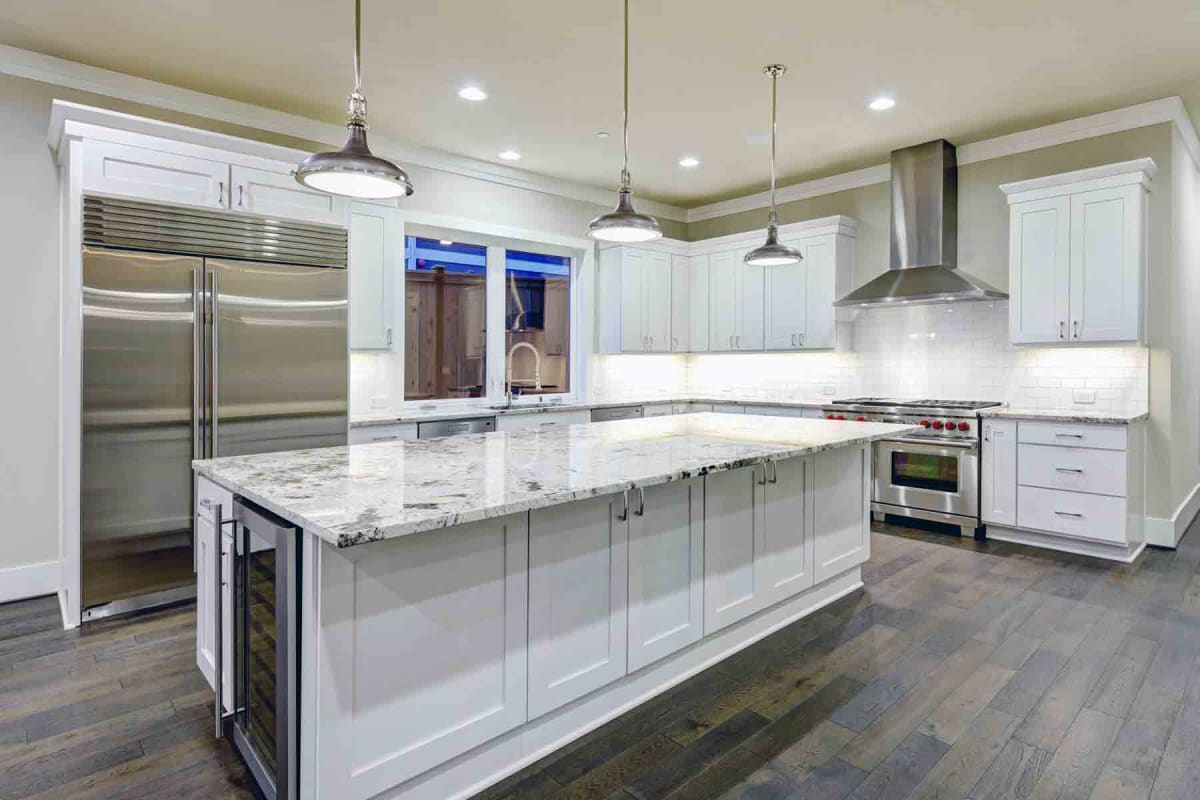
Image Source: res.cloudinary.com
Deciphering the Cost of a Kitchen Island Installation
Adding a kitchen island is a popular renovation choice for good reason. It adds valuable counter space, storage, and can even serve as a dining area. But before you dive in, it’s crucial to understand where your money will go. The average kitchen island cost is influenced by many factors, from the type of island you choose to the specific tradespeople you hire.
The Island Itself: Styles and Price Tags
The island is the star of the show, and its price tag is heavily dependent on its design and construction.
Pre-fabricated or Stock Islands
These are ready-made units you can buy from big box stores or kitchen supply retailers. They offer a more budget-friendly option.
- Pros: Lower cost, quicker installation, wide variety of styles and sizes.
- Cons: Less customization, may not fit your exact space perfectly, material quality can vary.
- Typical Cost: $300 – $2,000 for the unit itself.
Semi-Custom Islands
These islands offer a bit more flexibility. You might be able to choose cabinet configurations, countertop materials, and some finishes.
- Pros: More personalized look, better quality materials than stock, good balance of cost and customization.
- Cons: Higher price than stock, longer lead times.
- Typical Cost: $1,000 – $4,000 for the unit.
Custom Kitchen Island Price
This is where you get exactly what you want. You can design every aspect, from dimensions and cabinet layouts to specific wood types and finishes.
- Pros: Perfectly tailored to your space and needs, unique design, high-quality craftsmanship.
- Cons: Most expensive option, requires detailed planning and longer lead times.
- Typical Cost: $2,000 – $10,000+ for the unit, depending on complexity and materials.
Cabinet Installation Cost for Kitchen Island
If your island includes cabinets, this is a significant part of the overall cabinet installation cost kitchen island. The type of cabinets, their complexity, and the number of drawers or doors will impact the price.
- Stock Cabinets: These are the most affordable. Simple door styles and standard sizes keep costs down.
- Semi-Custom Cabinets: Offer more style options and configurations, increasing the price slightly.
- Custom Cabinets: Hand-built to your specifications, these offer the highest quality and most intricate designs, but also the highest cost.
The installation itself also adds to the cost. A general contractor or cabinet installer will charge for their time and expertise to properly secure, level, and finish the cabinets.
The Countertop Component: Material Matters
The surface of your island is a major focal point and a significant cost driver. The island countertop installation cost varies dramatically based on the material chosen.
Laminate Countertops
- Pros: Most affordable option, wide range of colors and patterns, relatively easy to clean.
- Cons: Not as durable as other materials, can be prone to scratches and heat damage, edges can chip.
- Typical Cost: $20 – $50 per square foot, installed.
Butcher Block Countertops
- Pros: Warm, natural look, can be repaired if scratched or damaged, relatively affordable.
- Cons: Requires regular sealing and maintenance to prevent staining and water damage, can dent or scratch.
- Typical Cost: $30 – $70 per square foot, installed.
Solid Surface Countertops (e.g., Corian)
- Pros: Seamless look, non-porous, stain-resistant, can be repaired.
- Cons: Can scratch more easily than granite or quartz, heat can damage the surface.
- Typical Cost: $40 – $100 per square foot, installed.
Granite Island Installation Cost
- Pros: Durable, heat-resistant, unique natural patterns, adds value to your home.
- Cons: Requires sealing periodically, can chip if heavy objects are dropped on the edges, can be porous if not sealed properly.
- Typical Cost: $50 – $150 per square foot, installed.
Quartz Island Installation Cost
- Pros: Extremely durable, non-porous (resists stains and bacteria), low maintenance (no sealing required), wide variety of colors and patterns.
- Cons: Can be more expensive than granite, not as heat-resistant as granite (can be damaged by very hot pots), can be heavy.
- Typical Cost: $60 – $170 per square foot, installed.
Marble Countertops
- Pros: Luxurious, beautiful veining, classic look.
- Cons: Very porous, prone to staining and etching from acids (like lemon juice or vinegar), requires frequent sealing, can be expensive.
- Typical Cost: $75 – $200+ per square foot, installed.
Other Materials
- Concrete: Modern look, durable, can be customized with colors and finishes. Can range from $70-$150+ per square foot.
- Stainless Steel: Industrial look, hygienic, durable. Can range from $75-$150+ per square foot.
- Recycled Glass: Eco-friendly, unique look. Can range from $80-$200+ per square foot.
The island countertop installation cost is a significant portion of the overall project. It includes the cost of the material itself, fabrication (cutting, shaping, edge finishing), and the physical installation.
Labor Costs: The Price of Expertise
The labor cost to install a kitchen island can be a substantial chunk of the budget. This covers the skilled professionals who bring your island to life.
Installation Crew
- What they do: Unpack, assemble (if necessary), position, level, secure the island to the floor, and install the countertop. They may also handle electrical work if your island has outlets or lighting.
- Cost: Typically charged by the hour or as a flat fee for the project. Hourly rates can range from $50 to $150 per hour per worker, depending on your location and the complexity of the job. A full island installation might take 1-3 days.
Electrician (if applicable)
If your island requires new electrical outlets, lighting, or built-in appliances, you’ll need to factor in the cost of an electrician.
- Cost: Electricians typically charge $75 to $150+ per hour. Running new circuits and installing outlets can add $200 to $1,000+ depending on the complexity.
Plumber (if applicable)
If your island includes a sink or dishwasher, a plumber will be essential.
- Cost: Plumbers also charge hourly rates, often similar to electricians. Adding plumbing for a sink can cost $300 to $1,000+, depending on the ease of access to existing water and drain lines.
The total labor cost to install a kitchen island can easily be $500 to $3,000 or more, depending on the services required.
Additional Costs to Consider
Beyond the island itself, countertops, and labor, several other expenses can arise.
Permits
Depending on your local building codes and the extent of the work (especially electrical or plumbing), you may need to obtain permits. These can range from $50 to $500+.
Flooring
If the island requires moving or replacing flooring, this adds to the cost. The DIY kitchen island cost can escalate quickly if you underestimate flooring needs.
Backsplash
If your island has a seating overhang or a decorative backsplash, this is another material and installation cost.
Hardware
Cabinet pulls, knobs, and decorative elements will add to the overall budget.
Appliances
If your island will house a built-in microwave, cooktop, dishwasher, or refrigerator, these appliances are separate purchases.
Modifications to Existing Kitchen
Sometimes, installing an island requires moving existing cabinets, rerouting plumbing, or adjusting electrical wiring, which increases labor and material costs.
DIY Kitchen Island Cost vs. Professional Installation
The decision to tackle a kitchen island installation yourself or hire professionals significantly impacts the DIY kitchen island cost and the overall project budget.
Doing It Yourself (DIY)
Embarking on a DIY kitchen island project can save you money on labor, but it requires time, skill, and the right tools.
Potential Savings: You can save on the labor cost kitchen island by doing the work yourself.
Considerations:
- Skill Level: Do you have experience with carpentry, cabinet installation, flooring, and potentially electrical or plumbing?
- Tools: Do you own or can you rent the necessary tools (e.g., saws, drills, level, sander, safety equipment)?
- Time Commitment: DIY projects often take longer than anticipated. Are you prepared to dedicate the time?
- Mistakes: Errors can be costly, often requiring you to purchase new materials or hire a professional to fix them anyway.
- Permits: Even DIY projects may require permits.
DIY Cost Components:
- Island unit/materials: $300 – $5,000+
- Countertop material: $200 – $2,000+
- Hardware: $50 – $200+
- Tools (rental/purchase): $100 – $500+
- Permits: $50 – $500+
- Miscellaneous (screws, adhesive, etc.): $50 – $150+
Estimated DIY Total: $750 – $8,500+
Professional Installation
Hiring professionals ensures the job is done correctly and efficiently, though it comes at a higher price point.
Benefits:
- Expertise: Professionals have the knowledge and experience for a seamless installation.
- Efficiency: They can complete the job much faster.
- Quality Assurance: Most installers guarantee their work.
- Access to Tools: They have specialized tools and equipment.
- Permit Handling: They can often assist with or handle permit acquisition.
Cost Components:
- Island unit/materials: $300 – $10,000+
- Countertop material: $200 – $5,000+
- Hardware: $50 – $200+
- Labor: $500 – $3,000+ (including potential electrician/plumber)
- Permits: $50 – $500+
- Miscellaneous: $50 – $150+
Estimated Professional Total: $1,150 – $18,850+
Factors Influencing Your Kitchen Island Installation Cost
Several variables will significantly sway the final bill for your kitchen island project.
Size and Shape
Larger islands naturally require more materials and labor, increasing the overall cost to build kitchen island. Complex shapes, like L-shaped or curved islands, can also be more expensive to fabricate and install.
Materials Chosen
As discussed, the choice of countertop material is a major price differentiator. The type of wood for cabinetry, the finish, and any specialized features (like pull-out shelves or integrated storage) also impact the cost.
Complexity of Installation
- Electrical and Plumbing Needs: Adding outlets, lighting, or a sink and dishwasher will increase costs due to the need for licensed electricians and plumbers.
- Structural Changes: If the island requires moving plumbing pipes, electrical wires, or even load-bearing walls, the cost will escalate significantly.
- Flooring: If new flooring needs to be installed or existing flooring adjusted, this adds another layer of expense.
Location
Labor rates vary by geographic location. Major metropolitan areas typically have higher costs for skilled tradespeople than rural areas.
Customization Level
The more custom features you add – unique drawer configurations, specialized lighting, integrated appliances, ornate details – the higher the custom kitchen island price will be.
Brand and Retailer
The manufacturer or retailer you purchase your island from can also affect the price. High-end brands or specialty kitchen designers will often charge more than mass-market retailers.
Budgeting for Your Kitchen Island Project
Creating a realistic budget is key to a successful kitchen island installation. Here’s a way to approach it:
- Define Your Needs: What do you want your island to do? Storage? Seating? Workspace? Appliance hub?
- Set a Realistic Price Range: Research average costs for different island types and materials.
- Prioritize: Decide where you’re willing to spend more and where you can save. Is the countertop your biggest splurge, or is it the custom cabinetry?
- Get Multiple Quotes: For both the island unit and the installation, get at least three quotes from different suppliers and contractors.
- Factor in a Contingency Fund: It’s wise to set aside an extra 10-20% of your total budget for unexpected costs.
Sample Budget Breakdown (Mid-Range Island with Granite Countertop)
| Item | Estimated Cost Range | Notes |
|---|---|---|
| Pre-fabricated Island Unit | $500 – $1,500 | Standard size, decent quality cabinetry |
| Granite Countertop (Slab) | $800 – $2,000 | Includes material, fabrication, and installation. Price depends on granite type and sq. ft. |
| Hardware (Pulls, Knobs) | $100 – $300 | |
| Labor Installation | ||
| Cabinet & Island Assembly | $500 – $1,000 | Includes positioning, leveling, securing |
| Countertop Installation | $300 – $600 | Often included in the countertop price, but some installers charge separately. |
| Electrician (1 outlet) | $200 – $400 | For island power |
| Permits | $100 – $200 | |
| Miscellaneous Materials | $100 – $200 | Screws, adhesive, caulk, etc. |
| Total Estimated Cost | $2,600 – $6,400 | This is a general estimate. Actual costs can vary significantly. |
This table provides a snapshot. Remember that a custom kitchen island price could easily push the upper end of this range, and even simple islands can exceed it with premium materials or complex installations.
Making the Most of Your Kitchen Island Investment
A well-planned kitchen island can be a fantastic addition to your home. Consider these tips for maximizing your investment:
- Functionality First: Design the island around how you use your kitchen. Do you need ample prep space, a breakfast bar, or extensive storage?
- Traffic Flow: Ensure the island doesn’t impede movement through the kitchen. Leave adequate clearance (at least 36-42 inches) around it.
- Lighting: Proper task lighting above the island is crucial for prep work and ambiance.
- Storage Solutions: Maximize storage with drawers, pull-out shelves, and specialized organizers.
- Durability: Choose materials for both the island and the countertop that are durable and easy to clean, especially if it will be a high-traffic area.
Frequently Asked Questions (FAQ)
Q1: How much does it cost to add an island to an existing kitchen?
A: The cost to add an island to an existing kitchen typically ranges from $1,000 to $5,000 or more. This includes the island unit, countertop, hardware, and professional installation labor. If electrical or plumbing work is needed, the cost will increase.
Q2: Is installing a kitchen island worth the cost?
A: For most homeowners, yes. A kitchen island adds significant functionality, storage, and aesthetic appeal, often increasing a home’s resale value. The return on investment depends on the quality of materials and installation.
Q3: Can I install a kitchen island myself?
A: Yes, you can install a kitchen island yourself if you have the necessary DIY skills, tools, and time. However, if the island requires electrical or plumbing work, it’s highly recommended to hire licensed professionals for those aspects.
Q4: What is the average kitchen island cost for a granite countertop?
A: The granite island installation cost can vary, but typically the granite countertop itself, including fabrication and installation, can range from $50 to $150 per square foot. This, combined with the island unit and labor, brings the total average kitchen island cost with granite to anywhere from $2,000 to $7,000 or more.
Q5: How much does it cost to install custom kitchen island cabinets?
A: The cabinet installation cost kitchen island for custom cabinets can range from $1,000 to $5,000 or more, depending on the size, complexity, number of doors/drawers, and the cabinet maker’s rates. This is in addition to the island structure and countertop.
By carefully considering these costs and planning your project thoroughly, you can successfully add a beautiful and functional kitchen island that enhances your home for years to come.