
Imagine a world where your gut feels calm and happy, free from the unpredictable twists and turns of IBS. For millions, this feels like a distant dream. Dealing with Irritable Bowel Syndrome (IBS) can be exhausting. You might feel bloated, have tummy pain, or face constant trips to the bathroom. It’s tough to know what will help, and the sheer number of probiotic options out there can make choosing the right one feel like a puzzle with missing pieces.
But what if there was a way to support your gut health and potentially ease those frustrating IBS symptoms? This is where probiotics come in. They are like tiny helpers for your digestive system, but not all probiotics are created equal, especially when it comes to IBS. This post is here to cut through the confusion. We’ll explore what makes a probiotic a good choice for IBS and how to find one that might bring you some much-needed relief.
By the end of this read, you’ll understand the key things to look for, what ingredients really matter, and how to make a smart decision for your gut. Get ready to take a step towards a more comfortable you.
Our Top 5 Probiotic For Ibs Recommendations at a Glance
Top 5 Probiotic For Ibs Detailed Reviews
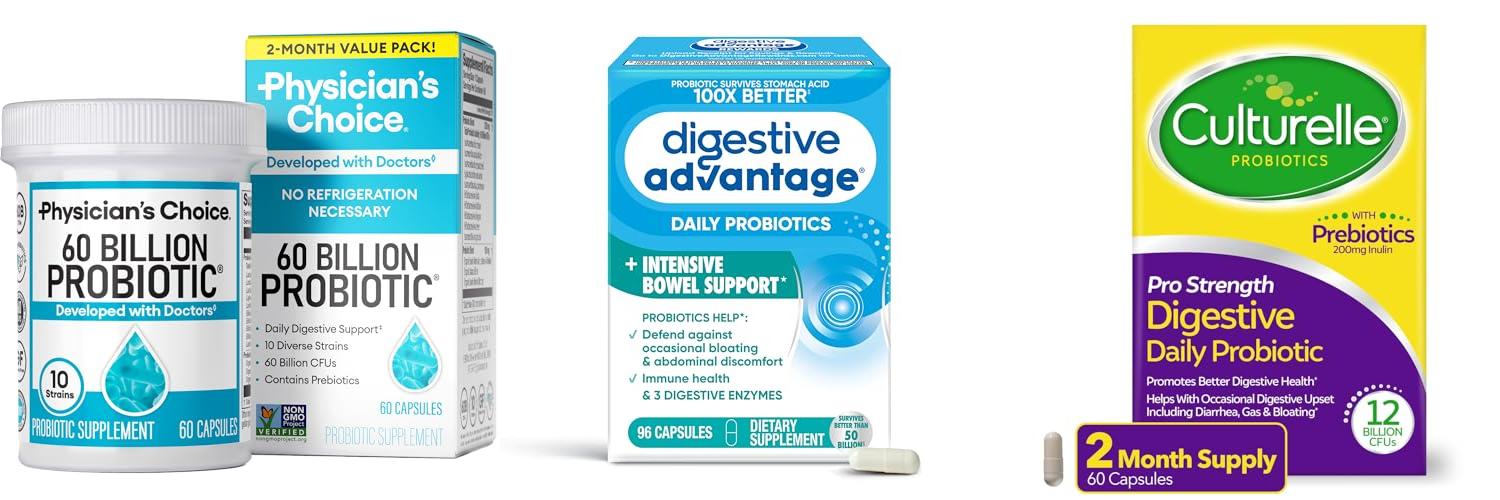
1. Physician’s CHOICE Probiotics 60 Billion CFU – 10 Strains + Organic Prebiotics – Immune

Rating: 8.7/10
Feeling a bit off? Physician’s CHOICE Probiotics 60 Billion CFU is here to help your tummy feel its best! This powerful supplement is packed with good bacteria and food for those bacteria to help your digestive system work smoothly. It’s designed for both men and women, and one bottle gives you a two-month supply. It’s like giving your gut a healthy boost!
What We Like:
- It offers a big boost of 60 billion good bacteria from 10 different kinds, plus prebiotics to feed them.
- It’s made to survive your stomach’s acid so the good bacteria can reach your gut.
- It can help with common tummy troubles like constipation, diarrhea, gas, and bloating.
- The company works with doctors and tests their product for quality and safety.
- It’s a great value, providing a two-month supply in one bottle.
What Could Be Improved:
- The packaging might look different sometimes, which could be a little confusing.
- Some people might prefer a smaller capsule size, though these are designed for survival.
If you’re looking for a way to support your gut health and feel better, Physician’s CHOICE Probiotics is a solid choice. It’s a science-backed product that offers a comprehensive approach to digestive wellness.
2. IBS Daily Probiotic Capsules for Digestive Health & Gut Health

Rating: 9.4/10
If you’re looking for a way to support your digestive system every day, these IBS Daily Probiotic Capsules from Digestive Advantage might be just what you need. They are designed for both men and women to help with gut health. Each box contains 96 capsules, and they also include digestible enzymes to help your body break down food.
What We Like:
- These probiotics help your digestive and immune health when you use them regularly.
- They fight off occasional gas, bloating, belly aches, and diarrhea.
- The special BC30 probiotic survives stomach acid much better, about 100 times better than other probiotics and yogurts.
- You don’t have to worry about artificial flavors; they are pure, fresh, and have the strength listed on the label.
- Each capsule has 1 billion helpful BC30 probiotic cells.
What Could Be Improved:
- The product note warns that heat or sunlight can melt or damage the capsules. This means you need to be home when the delivery arrives to prevent this.
These capsules offer a strong probiotic that aims to make your digestive system feel better long-term. They are a good option for daily gut support.
3. Culturelle Pro Strength Daily Probiotics For Digestive Health (2 Month Supply) with Prebiotics for Women & Men

Rating: 9.3/10
Tired of tummy troubles? The Culturelle Pro Strength Daily Probiotics are here to help! This 2-month supply is packed with good bacteria and prebiotics to keep your digestive system happy. It’s designed for both women and men to support your gut health and ease common issues like gas, bloating, and occasional diarrhea. Plus, it’s gluten and soy-free, making it a great choice for many people.
What We Like:
- Supports digestive health naturally with scientifically proven ingredients.
- Helps reduce occasional gas, bloating, and diarrhea.
- Contains Lactobacillus rhamnosus GG, a well-researched and effective probiotic strain.
- Provides 12 billion CFUs for digestive and immune support.
- Includes prebiotic inulin to feed the good bacteria.
- Safe for daily use and backed by extensive research.
- Vegetarian-friendly and free from gluten, milk, soy, and preservatives.
- No refrigeration needed, making it convenient for travel and everyday storage.
What Could Be Improved:
- The capsule form might be difficult for some individuals to swallow.
- While effective for occasional issues, it may not be a strong enough solution for chronic digestive problems.
This Culturelle Pro Strength Daily Probiotic offers a convenient and effective way to boost your gut health. It’s a solid choice for anyone looking to support their digestive well-being on a daily basis.
4. IBS Anti Diarrhea Probiotic for Diarrhea Relief and IBS-D – Clinically Studied Antidiarrheal Pills for Long-Term Comfort – Diarrhea Medication for Adults – Specialized IBS Supplement and Medicine

Rating: 8.6/10
Living with IBS-D can be tough. It often disrupts daily life and causes discomfort. This IBS Anti Diarrhea Probiotic offers a promising solution for those seeking relief from diarrhea and its related symptoms. It’s designed to help you regain control and enjoy your day without constant worry.
What We Like:
- It’s clinically tested to improve stool consistency and reduce how often you need to go to the bathroom.
- It targets specific probiotic strains that help with diarrhea from IBS, travel, or other tummy troubles.
- Research backs up its effectiveness for IBS-D symptoms, and you can find studies on the U.S. National Library of Medicine website.
- It helps improve your mood and social life, not just your digestion.
- It supports the connection between your gut and your brain, which can make you feel better mentally.
- You can get back to your daily activities with more confidence because it significantly cuts down on bathroom trips.
- It’s a once-daily, max-strength pill for easy use.
What Could Be Improved:
- The product description doesn’t mention potential side effects or who should avoid it.
- It doesn’t specify the exact probiotic strains used, which might be important for some users.
- The “long-term comfort” claim is broad; more specific timelines for noticeable effects could be helpful.
This probiotic seems like a strong option for managing IBS-D symptoms. It focuses on both physical relief and overall well-being, making it a valuable tool for improving quality of life.
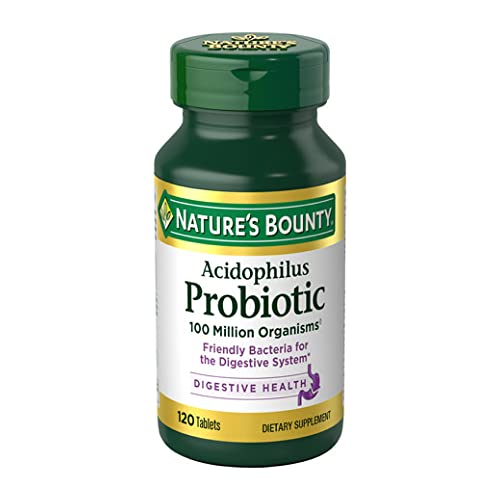
5. Nature’s Bounty Lactobacillus Acidophilus Probiotic Supplement – Daily Probiotic for Women/Men Digestive Health
Rating: 9.1/10
Nature’s Bounty Lactobacillus Acidophilus Probiotic Supplement offers a simple way to support your digestive system. This daily supplement provides 100 million active cultures to help keep your gut happy. It’s made for both men and women, making digestive health easier for everyone. Plus, it’s vegetarian-friendly and free from common allergens.
What We Like:
- Supports digestive health with 100 million active Lactobacillus acidophilus cultures.
- Just one easy-to-take tablet per day keeps things simple.
- It’s gluten-free, dairy-free, and wheat-free, which is great for many people.
- The vegetarian formula is a bonus for those with dietary choices.
- Nature’s Bounty has a long history of making quality health products.
What Could Be Improved:
- Some users might prefer a higher number of active cultures for stronger support.
- The tablet size might be a bit large for some individuals to swallow easily.
This probiotic is a solid choice for anyone looking to boost their digestive wellness. It’s a straightforward and accessible way to care for your gut health daily.
Choosing the Right Probiotic for IBS: Your Smart Shopping Guide
Living with Irritable Bowel Syndrome (IBS) can be tough. You might feel bloated, have stomach pain, or deal with irregular bowel movements. Many people find relief by taking probiotics. These are good bacteria that can help balance your gut. But with so many options, how do you pick the best one for you? This guide will help you make a smart choice.
Key Features to Look For
When you’re shopping for a probiotic for IBS, keep these important features in mind:
- Specific Strains: Not all probiotics are the same. Look for strains that research shows can help with IBS symptoms. Some common helpful strains include *Bifidobacterium infantis*, *Lactobacillus plantarum*, and *Lactobacillus acidophilus*.
- CFU Count: CFU stands for Colony Forming Units. This tells you how many live bacteria are in each dose. A higher CFU count doesn’t always mean better, but look for a product with a good amount, usually in the billions (e.g., 10 billion to 50 billion CFUs).
- Shelf Stability: Some probiotics need to be kept in the fridge. Others are shelf-stable, meaning you can keep them at room temperature. Shelf-stable ones are often easier to travel with and use.
- Third-Party Testing: This is super important! It means an independent lab checked the product to make sure it has what it says it has and is free from bad stuff. Look for seals from organizations like NSF International or USP.
Important Materials and Ingredients
Probiotics are made of live bacteria. The “good” bacteria are the stars of the show. However, you’ll also find other ingredients in the capsules or powders.
- Prebiotics: Sometimes, probiotics are combined with prebiotics. Prebiotics are food for the good bacteria, helping them grow and multiply in your gut. Common prebiotics include inulin and fructooligosaccharides (FOS).
- Fillers and Binders: These are added to help form the capsule or powder. They are usually harmless, but if you have sensitivities, check the full ingredient list.
- Allergens: Make sure the product doesn’t contain common allergens like gluten, dairy, soy, or nuts if you have those sensitivities.
Factors That Improve or Reduce Quality
Several things can make a probiotic better or worse for your IBS.
Factors That Improve Quality:
- Research-Backed Strains: Products that use probiotic strains proven to help with IBS symptoms are much better.
- High CFU Count at Expiration: The CFU count should be guaranteed through the expiration date, not just when it’s made.
- Good Manufacturing Practices (GMP): This means the company follows strict rules when making the product, ensuring it’s safe and pure.
- Enteric Coating: Some capsules have a special coating. This helps the probiotic survive your stomach acid and reach your intestines, where it can do its work.
Factors That Reduce Quality:
- Unknown Strains: If a product doesn’t list the specific strains, it’s hard to know if it’s right for you.
- Low CFU Count: A probiotic with too few live bacteria might not be effective.
- Poor Storage: If the probiotic isn’t stored properly (like being left in the heat), the bacteria can die, making it useless.
- Excessive Fillers: Too many unnecessary ingredients can sometimes cause issues for sensitive stomachs.
User Experience and Use Cases
People use probiotics for IBS in different ways.
- Daily Maintenance: Many people take a probiotic every day to keep their gut health steady and prevent symptoms from flaring up.
- During Flare-ups: When IBS symptoms get worse, some people increase their probiotic dose or switch to a specific formula designed for active symptoms.
- After Antibiotics: Antibiotics can kill off good bacteria along with the bad. Taking a probiotic afterward can help restore a healthy gut balance.
- Traveler’s Diarrhea Prevention: For some, a probiotic can help prevent digestive upset when traveling to new places with different foods and water.
Remember, it might take a few weeks to notice a difference. Be patient and consistent with your chosen probiotic. Always talk to your doctor before starting any new supplement, especially if you have a health condition like IBS.
Frequently Asked Questions (FAQ) About Probiotics for IBS
Q: What are the main key features to look for in a probiotic for IBS?
A: The main key features are specific, research-backed probiotic strains known to help with IBS, a good Colony Forming Unit (CFU) count, shelf stability for convenience, and third-party testing for quality assurance.
Q: Are prebiotics important when choosing a probiotic for IBS?
A: Prebiotics can be helpful because they feed the good bacteria in your gut, helping them grow. Many people find probiotics with prebiotics beneficial.
Q: How much CFU should a probiotic for IBS have?
A: Look for a probiotic with a CFU count in the billions, typically between 10 billion and 50 billion CFUs per dose. The exact amount can vary, but this range is generally effective.
Q: What does “third-party testing” mean for probiotics?
A: Third-party testing means an independent company has checked the probiotic to confirm it contains the ingredients listed on the label and is free from harmful contaminants. It ensures the product’s purity and potency.
Q: Can I take a probiotic if I have a dairy or gluten intolerance?
A: Yes, many probiotics are free from common allergens like dairy and gluten. Always check the ingredient list carefully to make sure it suits your specific dietary needs.
Q: How long does it take to see results from a probiotic for IBS?
A: It can take a few weeks, often around 2 to 4 weeks, to notice improvements in IBS symptoms. Consistency is key, so take it as directed every day.
Q: What happens if I stop taking my probiotic?
A: If you stop taking your probiotic, the beneficial bacteria it introduced might decrease over time. Your IBS symptoms could potentially return if the probiotic was significantly helping manage them.
Q: Can probiotics help with all types of IBS?
A: Probiotics can help with different types of IBS (IBS-D, IBS-C, IBS-M), but the effectiveness can vary from person to person. Specific strains might be better for certain symptom types.
Q: Should I refrigerate my probiotic?
A: Some probiotics require refrigeration to keep the bacteria alive, while others are shelf-stable. Check the product packaging for storage instructions. Shelf-stable options are easier for travel.
Q: When is the best time to take a probiotic?
A: The best time to take a probiotic is usually on an empty stomach, about 30 minutes before a meal, or at bedtime. However, some probiotics can be taken with food. Follow the specific product’s recommendations.
In conclusion, every product has unique features and benefits. We hope this review helps you decide if it meets your needs. An informed choice ensures the best experience.
If you have any questions or feedback, please share them in the comments. Your input helps everyone. Thank you for reading.