
What is the ideal height for a kitchen island? The ideal height for a kitchen island depends on its primary function. For general prep work and as a workspace, a counter height island at 36 inches is standard. If it’s primarily for casual dining or bar-style seating, a bar height island at 42 inches is more common. When considering kitchen island dimensions, it’s crucial to also think about the seating height for kitchen island and the overall kitchen island height for comfort and usability.
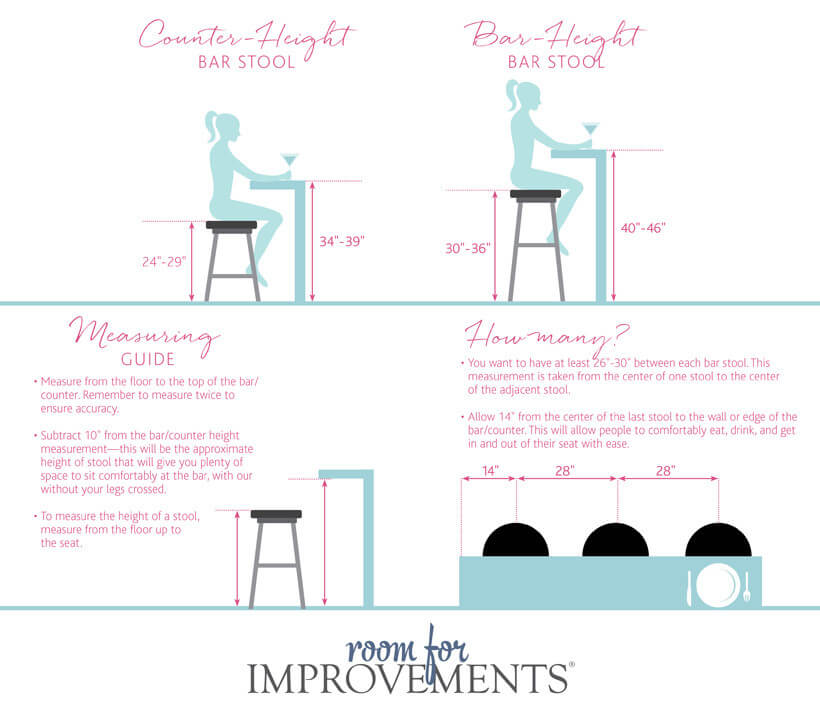
Image Source: www.signaturekab.com
Deciphering Kitchen Island Heights: A Comprehensive Guide
The kitchen island has evolved from a simple workspace to the heart of the modern home. It serves as a culinary hub, a casual dining spot, and a gathering place for family and friends. But what makes a kitchen island truly functional and comfortable? A significant factor is its height. Getting the kitchen island height right is paramount to ensuring it seamlessly integrates into your kitchen’s workflow and offers a pleasant experience for everyone who uses it.
This in-depth guide will explore the various aspects of kitchen island height, including standard sizes, seating considerations, and the impact of different heights on your kitchen’s overall design and usability. We’ll help you navigate the choices to find the comfortable kitchen island height for your specific needs.
Standard Kitchen Island Height: The Foundation of Functionality
When we talk about standard kitchen island height, we’re often referring to the height that aligns with your existing kitchen countertops. This allows for a cohesive look and a continuous workspace.
Counter Height Islands: The Workhorse
The most common kitchen island height is 36 inches. This is known as counter height island. This height is:
- Ergonomically sound: It matches the standard height of most kitchen countertops, making it ideal for food preparation, chopping vegetables, kneading dough, and general cooking tasks.
- Versatile: It can accommodate standard counter stools that are typically 24-26 inches high, allowing for comfortable casual seating.
- Integrated feel: A counter height island creates a seamless extension of your kitchen’s primary work surfaces, promoting a unified aesthetic.
Why 36 inches? This height emerged from the need for a comfortable working surface that doesn’t require excessive bending or standing on tiptoes. It’s a height that most adults can adapt to easily for a variety of kitchen tasks.
Bar Height Islands: The Social Hub
Another popular kitchen island height is 42 inches, often referred to as a bar height island. This height is typically chosen when the island will serve as a primary spot for dining or entertaining.
- Ideal for bar stools: This height perfectly complements bar stools, which are generally 28-30 inches high.
- Elevated social space: It creates a more distinct separation between the cooking area and the dining or social zone, fostering a bar-like atmosphere.
- Visual interest: The elevated surface can add a dynamic element to your kitchen design.
The distinction between counter vs bar height island is crucial when planning your kitchen. A counter vs bar height island will dictate the type of seating you can comfortably use and the overall feel of the space.
Dining Height Kitchen Island: The Hybrid Option
For those seeking a blend of preparation space and dining, some islands are designed with a split height. This often involves a lower counter height island section for work and a higher section that functions as a dining surface.
- Flexibility: This allows for both prep work at a comfortable height and dining at a more conventional table height (around 30 inches for chairs, meaning the island surface would be around 36 inches if incorporating a comfortable seating gap, or a higher perch if using stools).
- Aesthetic variation: It can break up the visual monotony of a single-height island.
However, it’s important to note that true dining height is usually around 30 inches for the surface to accommodate standard dining chairs. A dining height kitchen island that reaches this level is less common as a primary island height for preparation due to the increased bending required. It’s more often seen as a specific dining extension.
Kitchen Island Dimensions and Seating Considerations
Beyond just the height, the overall kitchen island dimensions play a vital role in its functionality, especially when it comes to seating.
Seating Overhang: The Key to Comfort
The amount of seating height for kitchen island is directly related to the overhang provided. This is the distance the countertop extends beyond the base of the island to allow for legroom for those seated.
- Counter Height (36 inches): For a counter height island, a comfortable overhang for seating is typically 12-15 inches. This allows ample space for diners to sit without their knees bumping into the island’s base.
- Bar Height (42 inches): For a bar height island, a slightly smaller overhang of 10-12 inches is often sufficient, as people tend to sit closer to the bar.
Here’s a quick reference table for typical seating overhangs:
| Island Height | Seating Type | Recommended Overhang | Stool/Chair Height |
|---|---|---|---|
| 36 inches | Counter Stool | 12-15 inches | 24-26 inches |
| 42 inches | Bar Stool | 10-12 inches | 28-30 inches |
| 30 inches | Dining Chair | 12-15 inches | 18 inches |
Note: These are general recommendations and can be adjusted based on individual preferences and the specific design of your island.
The Importance of Legroom
Adequate legroom is essential for a comfortable kitchen island height. Even with the correct seating height for kitchen island, if there’s insufficient space for legs to extend under the counter, seating will be uncomfortable.
- Knee Clearance: Ensure there’s at least 15 inches of clearance between the edge of the seating overhang and any cabinetry or supporting structures.
- Seating Spacing: Allow at least 24 inches of width per person seated at the island to prevent crowding.
Factors Influencing Your Kitchen Island Height Choice
Choosing the right kitchen island height involves more than just picking a number. Several factors should guide your decision to ensure your island is both beautiful and highly functional.
Your Primary Use Case
The most significant determinant of your ideal kitchen island height is how you intend to use it most often.
- Culinary Focus: If your island is primarily for prepping, cooking, and baking, a counter height island (36 inches) will offer the most ergonomic and practical workspace. This height minimizes strain on your back and arms during food preparation.
- Social Hub/Dining: If your kitchen is frequently filled with guests, and you envision your island as a place for casual meals, morning coffee, or after-school snacks, a bar height island (42 inches) might be more appealing. This height lends itself well to a lively, communal atmosphere.
- Hybrid Needs: For those who want to do it all, a multi-level island or a thoughtfully designed single-height island that can accommodate different seating heights can be a great solution. You might opt for a counter height island with a built-in breakfast bar extension at bar height island.
Your Household’s Needs
Consider the people who will be using the island regularly.
- Height of Users: If your household has particularly tall or short individuals, you might need to adjust the standard heights slightly to ensure everyone can use the island comfortably.
- Children: If children will be using the island for homework or meals, ensuring a safe and accessible height is crucial. A counter height island might be more practical for younger children, or you might consider an adjustable height kitchen island for ultimate flexibility.
Your Kitchen’s Layout and Design
The overall kitchen island dimensions and height must also complement your kitchen’s layout and aesthetic.
- Ceiling Height: In kitchens with lower ceilings, a very tall bar height island might feel overwhelming. Conversely, in a grand kitchen with high ceilings, a standard counter height island might seem disproportionately small.
- Flow and Traffic: Ensure that the island’s height doesn’t impede the flow of traffic around the kitchen. There should be ample space between the island and surrounding countertops or appliances for easy movement. A good rule of thumb is to allow at least 36-42 inches of clearance.
- Visual Balance: The height of the island contributes to the visual balance of your kitchen. A counter vs bar height island will have a different visual impact. A taller island can make a statement, while a lower one can feel more integrated and less imposing.
Exploring Adjustable Height Kitchen Islands
For ultimate flexibility and to cater to a wider range of needs, an adjustable height kitchen island is an increasingly popular option. These innovative islands can be raised or lowered to suit different tasks and users.
- Adaptability: Perfect for households with varying heights or for those who want to switch between prep work and dining effortlessly.
- Ergonomic Benefits: Allows users to find their optimal working height, reducing fatigue and improving posture.
- Space Saving: Some adjustable height kitchen island models are designed to fold or tuck away, maximizing space when not in use.
While an adjustable height kitchen island offers tremendous advantages, they can sometimes be more expensive than fixed-height islands and may have limitations in terms of weight capacity or stability depending on the mechanism.
FAQs About Kitchen Island Height
Here are some common questions people have when deciding on their kitchen island’s height:
Q1: What is the most common kitchen island height?
A1: The most common kitchen island height is 36 inches, known as counter height island. This aligns with standard kitchen countertops and is ideal for food preparation.
Q2: Can I have different heights on my kitchen island?
A2: Yes, you can have different heights on your kitchen island. This is often achieved with a multi-level design, where one section is at counter height island for prep and another section is raised to bar height island for seating or dining.
Q3: How much legroom do I need for island seating?
A3: For comfortable seating at a counter height island (36 inches), aim for at least 12-15 inches of overhang. For a bar height island (42 inches), 10-12 inches of overhang is generally sufficient. Ensure there is at least 15 inches of knee clearance from the edge of the seating overhang to the island’s base.
Q4: What height stools should I buy for a 36-inch island?
A4: For a counter height island that is 36 inches high, you should purchase counter stools that are typically 24-26 inches high. This allows for a comfortable sitting position with appropriate legroom.
Q5: What height stools should I buy for a 42-inch island?
A5: For a bar height island that is 42 inches high, you should purchase bar stools that are generally 28-30 inches high. This ensures comfortable seating at the higher surface.
Q6: What is the difference between counter height and bar height islands?
A6: The primary difference between a counter vs bar height island is the height. A counter height island is typically 36 inches, matching standard kitchen counters, and is used for prep work and with counter stools. A bar height island is usually 42 inches high, resembling a bar, and is designed for casual dining and with bar stools.
Q7: How do I determine the most comfortable kitchen island height for my needs?
A7: To find the comfortable kitchen island height, consider your primary use for the island (prep vs. dining), the heights of the people who will use it, and the overall flow and aesthetic of your kitchen. Measure existing comfortable workspaces and seating areas to get a baseline.
Q8: Are there islands that can be used for both prep and dining?
A8: Yes, many kitchen islands are designed to serve both purposes. A common approach is a counter height island (36 inches) with an extended countertop overhang that creates a seating or dining area. Some islands feature a split-level design with a lower prep surface and a higher dining surface.
By carefully considering these factors, you can choose a kitchen island height that enhances your kitchen’s functionality, comfort, and style, ensuring it becomes a beloved and well-used feature of your home.