
A kitchen sink can smell bad because of drain pipe bacteria, rotten food debris, and decomposing food waste that get trapped in the pipes. These can lead to garbage disposal odor, clogged sink smell, and even sewer gas smell if the problem is severe. The good news is, you can usually get rid of these unpleasant odors with simple cleaning methods.
Your kitchen sink, the heart of your culinary activities, can sometimes become the source of a most unwelcome aroma. That lingering, unpleasant smell emanating from your drain isn’t just an annoyance; it’s often a signal that something is amiss within your plumbing. The question on many homeowners’ minds is: “Why does my kitchen sink smell?” The reasons are varied but typically revolve around organic matter and the resulting bacterial growth within your drain system.
This comprehensive guide will delve into the common culprits behind a smelly kitchen sink and, more importantly, provide you with effective, actionable steps to banish those bad odors for good. We’ll explore everything from the science behind drain pipe bacteria to practical solutions for tackling a clogged sink smell, ensuring your kitchen remains a fresh and inviting space.
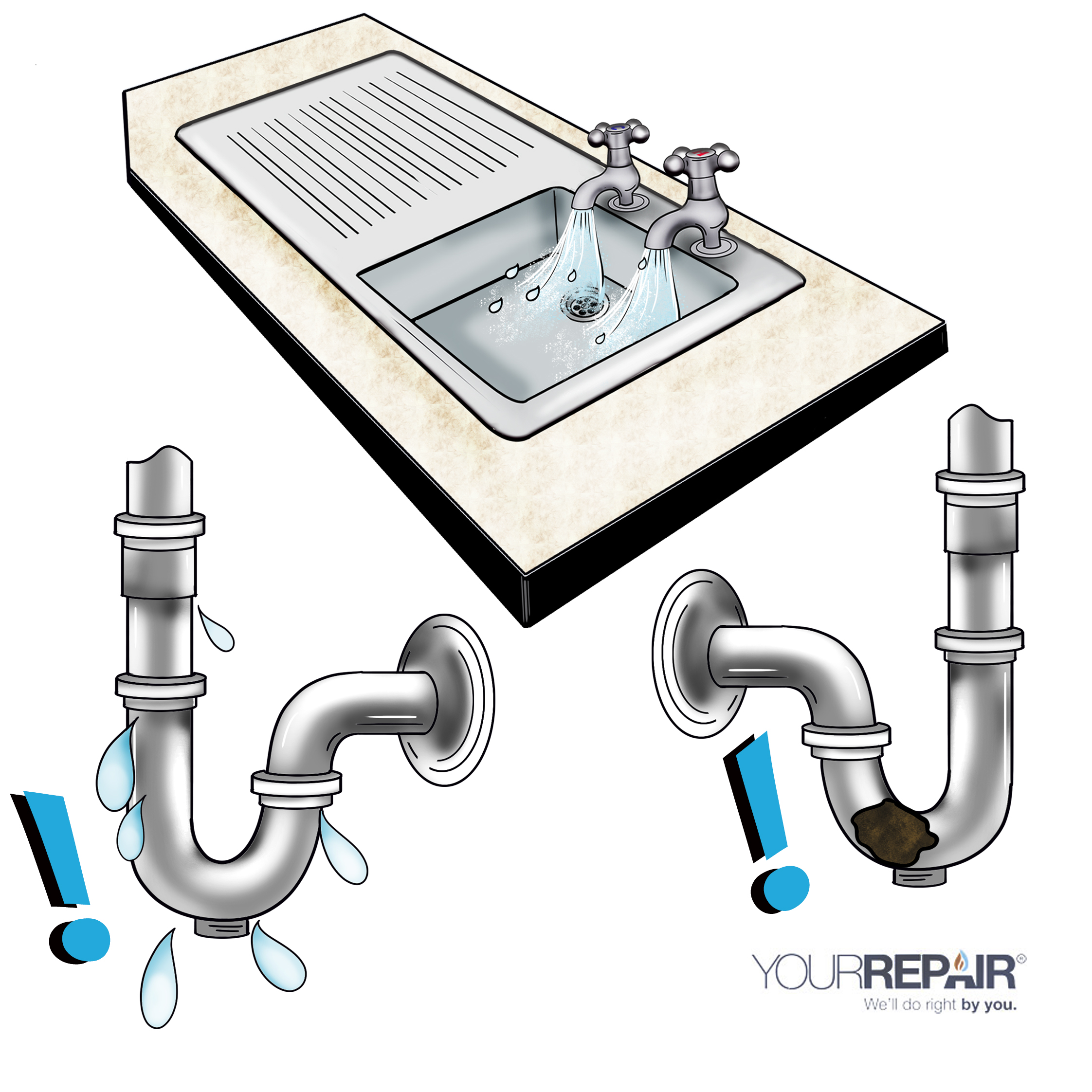
Image Source: www.yourrepair.co.uk
Fathoming the Foul Fumes: Common Causes of Sink Odors
The kitchen sink is a busy place, privy to food scraps, grease, soap scum, and a host of other substances. Over time, these elements can accumulate, creating the perfect breeding ground for odor-causing bacteria and unpleasant smells. Let’s break down the primary reasons behind that dreaded sink odor.
The Grime in the Drain: Decomposing Food Waste and Debris
The most frequent offender is undoubtedly decomposing food waste. When you wash dishes, small food particles, grease, and other organic matter inevitably go down the drain. While a functional garbage disposal can help break down some of this, it’s not foolproof. Tiny remnants can cling to the sides of the pipes, especially in areas where water flow is slower.
- Rotten Food Debris: Even small bits of vegetables, fruit peels, coffee grounds, and meat scraps can start to decompose. As they break down, they release gases that have a putrid smell.
- Grease and Fats: When hot grease or fat is poured down the sink, it appears liquid. However, as it cools in the pipes, it solidifies and coats the interior. This greasy layer traps food particles, creating a sticky, smelly mess.
- Soap Scum: While not as odorous as food, soap scum can also contribute to buildup in the pipes, trapping other odor-causing substances.
The Hidden Habitat: Drain Pipe Bacteria and Biofilm
The damp, dark environment inside your drain pipes is an ideal habitat for various types of bacteria. When food particles and organic matter are present, these bacteria feed on them, multiplying rapidly. This process of decomposition by bacteria is a primary source of garbage disposal odor and general smelly kitchen pipes.
- Bacterial Colonies: Colonies of bacteria form a sticky, slimy layer called biofilm on the interior surfaces of your pipes. This biofilm can harbor a significant amount of odor-producing microorganisms.
- Gas Production: As bacteria consume organic waste, they release gases as a byproduct. These gases, often containing sulfur compounds, are responsible for the characteristic rotten egg or sewage-like smells.
The Clog Connection: Clogged Sink Smell and its Consequences
A clogged sink smell is often a more immediate and noticeable problem. When a clog forms, water doesn’t drain properly, leaving stagnant water filled with decomposing food and bacteria. This stagnant environment intensifies the odors.
- Trapped Odors: Clogs prevent the natural flushing action of water, trapping gases produced by decomposition within the pipes.
- Increased Bacterial Activity: Stagnant water and trapped debris create an even more favorable environment for bacteria to thrive, leading to a stronger, more persistent smell.
The Unseen Invaders: Drain Flies and Their Contribution
Sometimes, the smell is accompanied by small, winged insects hovering around your sink. These are commonly drain flies (also known as moth flies or sewer flies). Their presence is a strong indicator of organic buildup within the drain, as they lay their eggs in this moist, nutrient-rich environment.
- Life Cycle: Drain flies feed on the slime and organic matter found in drains and reproduce quickly.
- Odor Association: While the flies themselves aren’t the direct cause of the smell, their habitat—the decaying organic matter—is the source of the odor.
The Deeper Issues: Vent Pipe Issues and Sewer Gas
Less commonly, a persistent, strong sewer gas smell might indicate a problem with your plumbing’s ventilation system, specifically vent pipe issues. Plumbing systems have vent pipes that allow gases to escape safely into the atmosphere.
- Blocked Vents: If a vent pipe becomes blocked (by leaves, bird nests, or ice), gases can be forced back into your home through the drains.
- Dry P-Trap: The P-trap (the curved section of pipe under your sink) is designed to hold water, creating a seal that prevents sewer gases from entering your home. If the water in the P-trap evaporates or is siphoned out due to vent pipe problems, sewer gases can escape.
The Sink Trap Odor: The P-Trap’s Role
The sink trap odor is directly related to the P-trap. As mentioned, this U-shaped pipe is crucial for blocking sewer gases. However, if it contains trapped debris or the water seal is compromised, it can become a source of smell itself.
- Accumulated Debris: Food particles and grime can settle in the P-trap, leading to decomposition and odor.
- Water Seal Failure: As discussed, a compromised water seal allows sewer gases to pass through.
Tackling the Traps: Effective Methods to Eliminate Sink Smells
Now that we’ve identified the common causes, let’s move on to practical solutions. These methods range from simple DIY fixes to more involved approaches, depending on the severity of the odor.
The Power of Boiling Water and Dish Soap
This is the simplest and often most effective first step for mild odors. Boiling water can help to dissolve grease and loosen buildup, while dish soap helps to cut through grease and lift grime.
Steps:
- Pour a pot of boiling water directly down the drain.
- Follow this with a generous squirt of liquid dish soap.
- Let it sit for a few minutes.
- Flush with more hot tap water.
Frequency: Repeat daily for a week if necessary.
The Baking Soda and Vinegar Combination
A classic cleaning duo, baking soda (a mild abrasive and deodorizer) and vinegar (an acid that can break down grime) work wonders on drains.
Steps:
- Pour about half a cup of baking soda down the drain.
- Slowly pour about half a cup of white vinegar over the baking soda. It will fizz.
- Immediately cover the drain with a stopper or cloth to keep the reaction contained within the pipes.
- Let it sit for at least 30 minutes, or preferably overnight.
- Flush thoroughly with hot water.
Table 1: Baking Soda and Vinegar Effectiveness
| Odor Source | Effectiveness | Notes |
|---|---|---|
| Mild food debris | High | Breaks down grease and neutralizes odors. |
| Light soap scum buildup | Moderate | Helps to loosen and flush away. |
| Mild garbage disposal odor | High | Deodorizes and breaks down residue. |
Citrus Power: Lemon Peels and Their Deodorizing Abilities
Citrus peels, particularly lemon and orange, contain natural oils that are excellent for deodorizing and can help to break down grease.
Steps:
- Cut lemon or orange peels into small pieces.
- Feed these pieces gradually into your garbage disposal (if you have one).
- Run the disposal with cold water.
- Alternatively, boil lemon peels in water, then pour the cooled liquid down the drain.
The Unclogging Arsenal: Dealing with Clogs
If the smell is due to a clogged sink smell, you’ll need to address the blockage.
Mechanical Methods: Plunger and Drain Snake
- Plunger: Ensure there’s enough water in the sink to cover the plunger’s rubber cup. Create a tight seal over the drain opening and plunge vigorously up and down. If you have a double sink, block the other drain with a wet cloth to create better suction.
- Drain Snake (Auger): This flexible tool can be fed into the drain to break up or retrieve clogs. Carefully insert the snake into the drain and crank the handle to extend the cable. When you feel resistance, turn the crank to break up the clog. Pull the snake back slowly, bringing any debris with it.
Chemical Drain Cleaners: Use with Caution
While readily available, chemical drain cleaners can be harsh and may damage pipes if used improperly or too frequently. They are best used as a last resort.
- Read Instructions Carefully: Always follow the manufacturer’s instructions precisely.
- Ventilation: Ensure good ventilation when using chemical cleaners.
- Avoid Mixing: Never mix different chemical drain cleaners, as this can create toxic fumes.
- Environmentally Friendly Options: Consider enzyme-based drain cleaners, which use natural enzymes to break down organic waste and are safer for pipes and the environment.
Garbage Disposal Deep Clean: Eradicating Garbage Disposal Odor
Garbage disposal odor is a common complaint. Regular cleaning is key to preventing it.
Table 2: Garbage Disposal Cleaning Schedule
| Frequency | Method | Purpose |
|---|---|---|
| Weekly | Ice cubes & cold water | Cleans disposal blades and grind ring. |
| Bi-Weekly | Baking soda & vinegar, followed by hot water | Deodorizes and cleans buildup. |
| Monthly | Citrus peels (lemon, orange) & cold water | Freshens and helps break down residue. |
| As Needed | Disposal cleaner tablets or specialized tools | Deep cleaning for persistent odors. |
Steps for a Deep Clean:
- Turn off the power to the garbage disposal at the breaker box.
- Use a disposal brush or an old toothbrush to scrub the inside of the disposal chamber, especially around the splash guard and blades.
- Flush with hot water or run the disposal with ice cubes and a little water to help dislodge any remaining debris.
- You can also try filling the disposal with baking soda and a bit of water, letting it sit, then rinsing.
Addressing Drain Flies and Their Habitat
To get rid of drain flies, you must eliminate their food source – the organic buildup in your pipes.
- Thoroughly clean the entire drainpipe, from the sink strainer down to the trap.
- Use a stiff brush or drain snake to scrub away any slime or buildup.
- Follow up with a baking soda and vinegar treatment or a commercial drain cleaner.
- Ensure there are no leaks or standing water around the sink, as these can also attract drain flies.
Inspecting Vent Pipe Issues and Sewer Gas Smell
If you suspect vent pipe issues are causing a sewer gas smell, it’s best to call a professional plumber. They can inspect the vent system for blockages or damage and ensure proper airflow. A plumber can also check the P-trap to ensure the water seal is intact.
Proactive Prevention: Keeping Your Sink Smelling Fresh
The best way to deal with a smelly sink is to prevent the odors from forming in the first place. Consistent, simple habits can make a world of difference.
Smart Sink Habits
- Scrape Plates Thoroughly: Before rinsing dishes, scrape all food scraps into the trash or compost bin.
- Avoid Pouring Grease Down the Drain: Collect grease in a separate container and dispose of it in the trash once it solidifies.
- Run Cold Water: When using the garbage disposal, always run cold water. Hot water can melt grease, allowing it to coat the pipes more easily.
- Regular Flushing: Run hot water down the sink for a minute or two after each use, especially after washing greasy dishes.
- Periodic Cleaning: Make drain cleaning a regular part of your kitchen maintenance routine.
What NOT to Put Down the Sink
Certain items should never go down the kitchen sink, as they contribute significantly to clogs and odors:
- Grease, oils, and fats
- Coffee grounds
- Eggshells
- Pasta, rice, and bread (they expand with water)
- Fibrous vegetables (celery, corn husks)
- Fruit pits and seeds
- Bones
- Harsh chemicals (bleach, ammonia)
- Non-biodegradable items (wipes, paper towels)
Maintaining Your P-Trap
The P-trap is your first line of defense against sewer gases.
- Regular Cleaning: Periodically clean the P-trap by placing a bucket underneath it and carefully unscrewing the fittings. Clean out any accumulated debris and flush with hot water before reassembling.
- Check for Leaks: Ensure the P-trap is securely fitted and not leaking, as this can compromise the water seal.
Frequently Asked Questions (FAQ)
Q1: How often should I clean my kitchen sink drain?
It’s recommended to perform a basic cleaning (like the boiling water and dish soap method) weekly and a deeper clean (baking soda and vinegar) monthly. If you notice a recurring odor, increase the frequency.
Q2: Can I use bleach to clean my sink drain?
While bleach can kill bacteria, it’s not the best solution for most sink smells. It can be harsh on pipes, especially older ones, and doesn’t effectively break down grease or food buildup. Baking soda and vinegar are safer and often more effective for organic-based odors.
Q3: My garbage disposal smells awful, what’s the best way to clean it?
For persistent garbage disposal odor, a good initial step is running it with ice cubes and cold water. Follow this with a cleaning using baking soda and vinegar. Specialized garbage disposal cleaning tablets are also available and can be very effective. Always remember to turn off the power at the breaker before any manual cleaning.
Q4: What are drain flies, and how do I get rid of them?
Drain flies are small, fuzzy insects that breed in the moist organic film found inside drains. To eliminate them, you must thoroughly clean the drainpipes to remove their food source. Use a stiff brush and a cleaning solution like baking soda and vinegar or an enzyme cleaner.
Q5: What if I suspect a sewer gas smell?
A sewer gas smell often indicates a problem with the plumbing’s ventilation system or a compromised P-trap. If you detect this type of odor, it’s best to contact a qualified plumber to inspect your vent pipes and P-traps.
Q6: Is a clogged sink smell dangerous?
While unpleasant, a clogged sink smell itself isn’t typically dangerous. However, the bacteria present in stagnant, decaying waste can be unsanitary. Addressing the clog promptly is important for hygiene and to prevent further buildup or potential plumbing issues.
By understanding the root causes of sink odors and implementing these cleaning and prevention strategies, you can ensure your kitchen remains a pleasant and fresh-smelling environment. Regular maintenance is key to avoiding the inconvenience and unpleasantness of smelly drains.