
Changing your kitchen countertops can significantly update the look and feel of your kitchen, but what’s the typical kitchen countertop cost? Generally, the average kitchen countertop price can range anywhere from $2,000 to $6,000 for a standard kitchen, but this is a broad estimate. Many factors influence this, from the material you choose to the complexity of the installation. This guide will break down the costs involved so you can better plan your kitchen remodel budget.
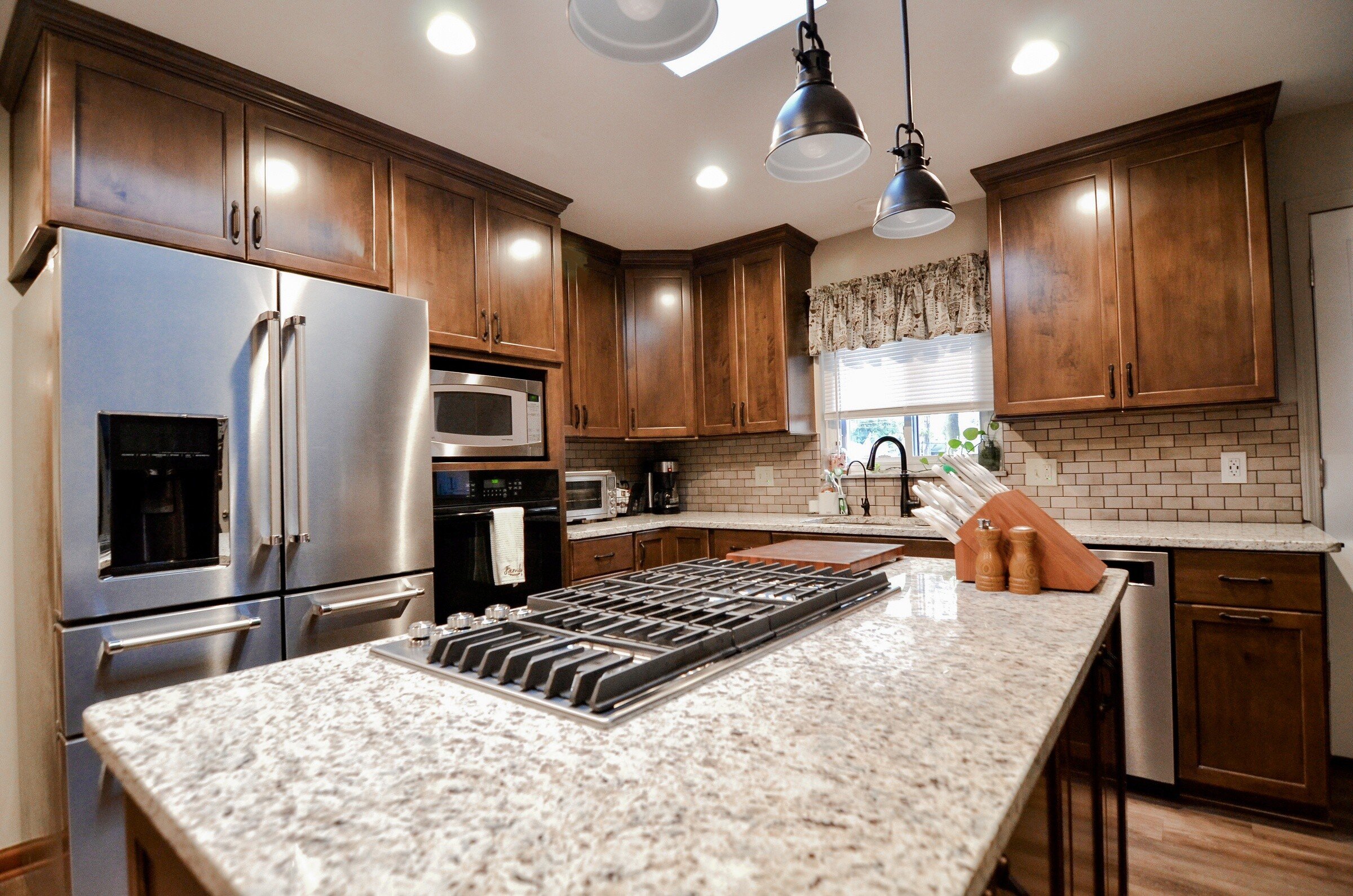
Image Source: www.jsbhomesolutions.com
Deciphering the Cost of New Kitchen Counters
When planning a kitchen renovation, the countertops are often a focal point, both aesthetically and financially. The new kitchen counters cost is a major component of your overall kitchen renovation expenses. It’s not just about the material itself; several other elements contribute to the final bill.
Material Matters: The Biggest Cost Driver
The choice of countertop material is by far the most significant factor influencing the price. Each material offers a unique blend of durability, aesthetics, and cost.
Cost of Laminate Countertops
Laminate countertops are often the most budget-friendly option. They are made from layers of particleboard or plywood covered with a decorative laminate sheet, often mimicking the look of stone or wood.
- Pros:
- Most affordable option.
- Wide variety of colors, patterns, and textures.
- Relatively easy to clean.
- DIY-friendly installation for some types.
- Cons:
- Less durable than stone or quartz.
- Susceptible to heat damage, scratches, and water ingress (especially at seams).
- Cannot be repaired if damaged; replacement is usually required.
- Price Range: Laminate countertops typically cost between $20 to $50 per square foot installed. For a standard 30-square-foot kitchen, this could mean $600 to $1,500 for the countertops alone.
Cost of Granite Countertops
Granite is a natural stone, prized for its unique patterns, durability, and heat resistance. Each slab of granite is one-of-a-kind.
- Pros:
- Natural beauty and unique patterns.
- Highly durable and resistant to scratches and heat.
- Adds significant value to a home.
- Can be sealed to resist stains.
- Cons:
- Porous and requires regular sealing to prevent stains.
- Can be heavy, requiring reinforced cabinetry.
- Natural variations mean samples might not perfectly match installed slabs.
- Can chip or crack if subjected to heavy impact.
- Price Range: The cost of granite countertops can vary widely depending on the type of granite and its rarity. Expect to pay between $40 to $100 per square foot installed. This translates to approximately $1,200 to $3,000 for a 30-square-foot kitchen. Exotic or highly patterned granites can push this price higher.
Cost of Quartz Countertops
Quartz countertops, also known as engineered stone, are made from about 90-95% natural quartz crystals mixed with resin binders and pigments. This makes them incredibly durable and low-maintenance.
- Pros:
- Extremely durable, resistant to scratches, stains, and heat.
- Non-porous, so it doesn’t require sealing and is hygienic.
- Consistent patterns and colors, offering a more uniform look.
- Wide range of styles, including those mimicking marble and granite.
- Cons:
- Can be more expensive than granite.
- Susceptible to damage from extreme heat (direct contact with hot pots can cause discoloration or cracking).
- Seams can be more noticeable in certain patterns.
- Price Range: The cost of quartz countertops generally falls between $50 to $120 per square foot installed. For a 30-square-foot kitchen, this means $1,500 to $3,600. High-end designer quartz can cost even more.
Other Popular Countertop Materials and Their Costs
- Marble: Known for its luxurious veining and cool surface, marble is beautiful but porous and prone to etching and staining.
- Price Range: $60 to $150+ per square foot installed.
- Butcher Block (Wood): Offers a warm, natural look and can be sanded and refinished. Requires regular oiling to prevent drying and cracking.
- Price Range: $30 to $70 per square foot installed.
- Solid Surface (e.g., Corian): A blend of acrylic and polyester resins. It’s non-porous, seamless, and repairable.
- Price Range: $40 to $70 per square foot installed.
- Stainless Steel: Popular in professional kitchens for its hygiene and modern look. Durable but can scratch and show fingerprints.
- Price Range: $50 to $100 per square foot installed.
- Concrete: Offers a unique, industrial aesthetic and can be customized with colors and finishes. Requires sealing.
- Price Range: $50 to $100+ per square foot installed.
- Recycled Glass: Eco-friendly option with a unique speckled appearance. Can be resin or cement-based.
- Price Range: $50 to $120+ per square foot installed.
Beyond the Material: Additional Cost Factors
While the material is the primary cost, several other elements contribute to the countertop replacement prices.
Fabrication and Edge Profiles
Once you choose your material, it needs to be fabricated to fit your kitchen precisely. This includes cutting the slab, polishing the edges, and creating any special features like sink cutouts or backsplashes.
- Edge Profiles: Standard edges like a eased or square edge are usually included in the per-square-foot price. More complex profiles like a bullnose, ogee, or waterfall edge will add to the cost, typically an extra $10 to $30 per linear foot.
- Sink Cutouts: A standard single or double sink cutout is usually included. Cutouts for farm sinks or unique sink designs might incur additional charges.
- Special Features: Custom shaping, radius corners, or built-in drainboards will also increase fabrication costs.
Demolition and Disposal
If you are replacing existing countertops, the old ones need to be removed and disposed of.
- Demolition: This can often be a DIY task to save money, but if you hire professionals, expect to pay $100 to $300 for removal, depending on the complexity and material of the old countertops.
- Disposal: There might be a fee for disposing of the old countertops, especially if they are heavy materials like stone or tile. This could add another $50 to $150.
Countertop Installation Cost
This is a crucial part of the overall expense. Professional installation ensures the countertops are fitted correctly, sealed properly, and any necessary support is added.
- Labor: Installation costs can vary based on the material’s weight and complexity, the intricacy of the kitchen layout, and the installer’s rates. Expect installation to be anywhere from $20 to $60 per square foot for most materials.
- Complexity: Kitchens with many angles, curves, or tight spaces will take longer to install and may cost more.
- Plumbing and Electrical: If your renovation involves moving or replacing sinks, faucets, or under-cabinet lighting, these trades will add to the overall kitchen renovation expenses.
Delivery Costs
Large and heavy slabs of stone or quartz need to be delivered to your home. Delivery fees typically range from $50 to $250, depending on your location and the distance from the supplier.
Underlayment and Support
For heavier materials like granite and quartz, it’s sometimes necessary to reinforce your existing cabinetry to ensure it can bear the weight. This might involve adding plywood underlayment or reinforcing cabinet frames, which could add $50 to $200 to the project cost.
Backsplash
While not strictly part of the countertop cost, many people choose to update their backsplash at the same time. The cost of backsplash materials and installation varies widely but can range from $15 to $100+ per square foot.
Estimating Your Total Kitchen Countertop Cost
To get a clearer picture, let’s look at some estimated total costs for a typical 30-square-foot kitchen, including fabrication and installation. These are mid-range estimates and can fluctuate.
| Material | Cost Per Square Foot (Installed) | Estimated Total Cost (30 sq ft) |
|---|---|---|
| Laminate | $20 – $50 | $600 – $1,500 |
| Butcher Block | $30 – $70 | $900 – $2,100 |
| Solid Surface | $40 – $70 | $1,200 – $2,100 |
| Granite | $40 – $100 | $1,200 – $3,000 |
| Quartz | $50 – $120 | $1,500 – $3,600 |
| Marble | $60 – $150+ | $1,800 – $4,500+ |
| Stainless Steel | $50 – $100 | $1,500 – $3,000 |
| Concrete | $50 – $100+ | $1,500 – $3,000+ |
| Recycled Glass | $50 – $120+ | $1,500 – $3,600+ |
Note: These figures are for the countertops themselves and basic installation. They do not typically include demolition, disposal, complex edge profiles, sink cutouts, or backsplashes unless specified by the installer.
Planning Your Countertop Replacement Project
When you’re ready to embark on changing your kitchen countertops, careful planning is key to staying within your kitchen remodel budget.
Getting Accurate Quotes
- Measure Your Space: Accurately measure the length and width of all countertop areas. Don’t forget to account for the backsplash height and any overhangs.
- Visit Showrooms: See and touch different materials in person. This helps you appreciate the texture, color, and overall feel.
- Request Multiple Quotes: Contact at least three reputable countertop fabricators and installers in your area. Ensure each quote includes:
- Material cost
- Fabrication costs (edge profiles, sink cutouts)
- Delivery fees
- Installation labor
- Demolition and disposal (if applicable)
- Any necessary underlayment or support
- Warranty information
- Ask About Hidden Costs: Clarify what is not included in the quote. For example, are there extra charges for templating? What about plumbing disconnect/reconnect?
DIY vs. Professional Installation
- DIY: If you have a lot of experience with home improvement projects, you might consider a DIY installation, especially for simpler materials like laminate or butcher block. However, for natural stone or quartz, precise cutting, fitting, and heavy lifting make professional installation highly recommended. Mistakes can be costly and irreparable.
- Professional: Hiring professionals offers peace of mind. They have the specialized tools, expertise, and insurance to handle the project correctly. The countertop installation cost is an investment in a quality finish and longevity.
Timing Your Project
- Templating: After you finalize your material selection and placement, a professional will typically come to your kitchen to create precise templates. This ensures a perfect fit.
- Fabrication: The slabs are then cut and fabricated at the fabricator’s shop. This can take anywhere from a few days to a couple of weeks, depending on the material and their workload.
- Installation: The installation itself usually takes one to two days for a standard kitchen.
Budgeting for the Unexpected
It’s always wise to add a contingency of 10-20% to your kitchen remodel budget for unforeseen issues. You might discover issues with your existing cabinetry, plumbing, or subflooring once the old countertops are removed.
Maximizing Value and Minimizing Costs
Making smart choices can help you get beautiful new countertops without breaking the bank.
Choosing the Right Material for Your Needs
- Budget-Conscious: Laminate or a standard-grade granite might be your best bet.
- Durability & Low Maintenance: Quartz or stainless steel are excellent choices.
- Natural Beauty: Granite or marble offer unique, organic aesthetics.
- Warmth & Character: Butcher block provides a cozy, rustic feel.
Look for Remnants or Special Sales
If you have a smaller kitchen or a small section of countertop, you might be able to purchase a stone remnant from a fabricator at a reduced price. Keep an eye out for sales or promotions from countertop suppliers.
Consider Simpler Edge Profiles
Opting for a standard eased or square edge profile instead of intricate carved edges can significantly reduce fabrication costs.
Combine Countertop and Backsplash Projects
If you’re planning to update your backsplash, doing it simultaneously with the countertops can sometimes streamline the process and potentially save on separate labor charges for measuring and scheduling.
Factor in Long-Term Value
While the upfront new kitchen counters cost is important, consider the long-term value. Durable materials like quartz and granite can add resale value to your home and offer years of enjoyment with minimal maintenance.
Frequently Asked Questions About Kitchen Countertop Costs
What is the cheapest way to change kitchen countertops?
The cheapest way to change kitchen countertops is by opting for laminate. It offers the lowest material and installation cost. Alternatively, if your existing countertops are in decent condition but you dislike the color, you might consider specialized countertop paint or a resurfacing kit, though these are temporary solutions and their longevity varies.
Can I reuse my old countertops?
Generally, it’s not recommended to reuse old countertops unless they are in excellent condition and you are simply moving them to a different, smaller space like a garage or laundry room. Kitchen countertops are typically cut to specific dimensions and have sink cutouts that are hard to match in a new location. Also, many older countertops may not meet current safety or aesthetic standards.
How much does installation add to countertop cost?
Countertop installation cost typically adds between $20 to $60 per square foot to the material cost, depending on the material, complexity of the job, and the installer’s rates. For materials like granite and quartz, professional installation is crucial due to their weight and the need for precise cutting.
What are the most expensive kitchen countertops?
The most expensive kitchen countertops are typically natural stones like rare marble varieties, quartzite, or exotic granites, as well as high-end engineered materials like premium quartz brands or custom concrete finishes. Prices can easily exceed $100 to $150+ per square foot installed for these premium options.
Does the sink affect countertop cost?
Yes, the type of sink can affect the countertop cost. Installing a standard undermount or drop-in sink is usually included in the fabrication cost. However, farmhouse sinks (apron sinks) often require a more complex cutout and special support structure, which can increase the fabrication and installation cost.
How much does granite countertop installation cost?
Countertop installation cost for granite typically ranges from $30 to $60 per square foot, in addition to the material and fabrication costs. This covers the labor for precise fitting, sealing, and ensuring the heavy slabs are securely in place.
Is quartz more expensive than granite?
Generally, quartz countertops are often slightly more expensive than granite, especially when comparing mid-range options. The cost of quartz countertops typically ranges from $50 to $120 per square foot installed, while cost of granite countertops can range from $40 to $100 per square foot installed. However, very rare or exotic granites can be more expensive than some quartz options.
How much does it cost to replace kitchen countertops in a small kitchen?
For a small kitchen, say 20 square feet, the new kitchen counters cost could be significantly less. For example, laminate might cost $400 to $1,000, while granite or quartz could range from $800 to $2,400, depending on the material and installation complexity. It’s important to get specific quotes as some installers have minimum charges.
What are the hidden costs of new kitchen counters?
Hidden costs can include:
* Demolition and disposal of old countertops.
* Delivery fees for new materials.
* Templating fees.
* Upgrades for edge profiles (beyond standard).
* Specialized sink cutouts (e.g., farmhouse sinks).
* Reinforcement of cabinetry for heavy materials.
* Plumbing disconnect and reconnect.
* Permits (though less common for just countertops unless structural changes are involved).
* Sealer application for natural stone.
By carefully considering these factors and getting detailed quotes, you can confidently plan your kitchen countertop replacement and achieve the updated look and functionality you desire for your kitchen.