
Worried about mice in your kitchen drawers? You can prevent mice from entering your kitchen drawers by sealing all potential entry points, storing food securely, and cleaning up thoroughly. This comprehensive guide will walk you through effective mouse exclusion techniques to keep your kitchen pest-free.
Mice are incredibly resourceful creatures, and our kitchens, with their readily available food sources and cozy nooks, are prime real estate for them. One of the most frustrating places to find them is in your kitchen drawers. The thought of tiny paws scurrying amongst your utensils or, worse, contaminating your food, is enough to send shivers down anyone’s spine. This guide will delve deep into preventing mice from invading these crucial storage spaces, focusing on proactive measures that form the bedrock of effective kitchen pest control. We’ll explore various methods for sealing entry points, understanding mouse behavior, and employing safe mouse deterrents to eliminate mice from kitchen areas and maintain the integrity of your food storage.
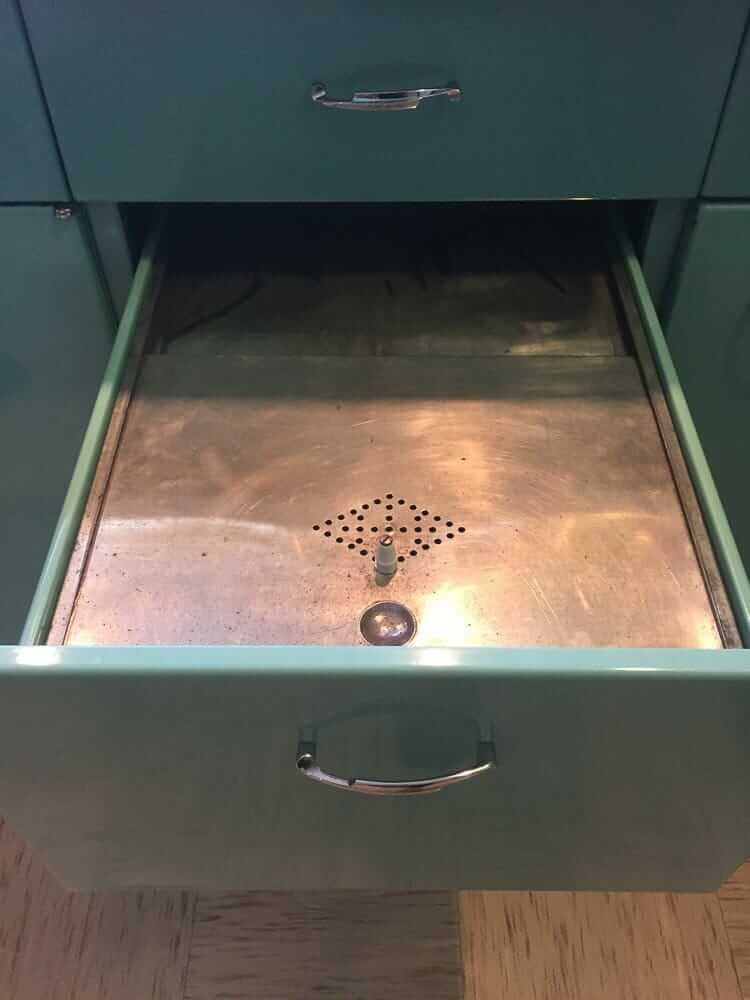
Image Source: retrorenovation.com
Why Kitchen Drawers Attract Mice
Kitchen drawers offer mice a combination of warmth, darkness, and proximity to food. They are often made of materials that mice can gnaw through, and they can be easily accessed if there are gaps in the cabinetry or the surrounding walls.
- Food Scraps: Even tiny crumbs that fall into drawers can be a beacon for mice.
- Shelter: Drawers provide a safe, secluded place for mice to nest and hide.
- Accessibility: Mice can squeeze through remarkably small openings to reach these spaces.
- Warmth: The enclosed nature of drawers can offer a comfortable environment.
Identifying Potential Entry Points: The First Line of Defense
Before you can stop mice from getting into your kitchen drawers, you need to know how they are getting in. This involves a thorough inspection of your kitchen, both inside and outside.
Inspecting Your Kitchen Walls and Cabinets
Mice don’t just magically appear inside drawers; they come from somewhere. This “somewhere” is usually the exterior of your home or other parts of your house that are connected to the outside.
- Foundation Cracks: Look for any cracks in your foundation, especially where pipes or wires enter the house.
- Vents and Gaps: Check all vents, including dryer vents, plumbing vents, and attic vents. Mice can easily enter through damaged screens or small openings.
- Door and Window Seals: Ensure that weather stripping around doors and windows is intact. Mice can get through tiny gaps.
- Utility Line Entry Points: Inspect where water pipes, gas lines, electrical cables, and air conditioning lines enter your home. These are common entry points.
- Roofline and Eaves: Mice can climb and access openings in the roof or under eaves.
- Cabinetry Gaps: Even within your kitchen, look for gaps between the wall and the back of your cabinets, or between cabinets themselves.
What size hole can a mouse fit through?
A mouse can fit through a hole as small as a quarter-inch in diameter, which is about the size of a dime. This means that even the smallest crack can be an open invitation for these pests.
Examining the Drawers Themselves
Once you’ve assessed the general kitchen area, focus specifically on the drawers.
- Backs of Cabinets: Are there any holes or gaps where the back panel of the cabinet meets the wall?
- Sides of Cabinets: Check the seams where cabinet sides meet.
- Underneath Cabinets: Gaps under the cabinets can provide access.
- Drawer Slides: Sometimes, the mechanisms for drawer slides can have small openings.
- Drawer Joints: The points where the wood of the drawer box comes together might have tiny gaps.
Sealing Entry Points: Mouseproofing Your Kitchen
Sealing entry points is the most critical step in preventing mouse infestation. By blocking all potential access routes, you make your kitchen inhospitable to these unwelcome guests.
Essential Materials for Sealing
When you’re looking to seal kitchen gaps, having the right materials is key.
- Steel Wool: Mice cannot chew through steel wool, making it an excellent material for stuffing into larger holes.
- Caulk: High-quality silicone caulk is effective for sealing smaller cracks and crevices.
- Expanding Foam Sealant: This can be used for larger gaps, but it’s advisable to cover it with another material (like steel wool or metal mesh) once it hardens, as mice can sometimes chew through it.
- Metal Mesh/Hardware Cloth: This is very durable and can be used to cover larger openings, such as vent screens.
- Sheet Metal: For very large holes or damaged areas, sheet metal can be cut and secured.
Best Materials for Sealing Mouse Entry Points
| Material | Best For | Durability Against Chewing | Ease of Use | Notes |
|---|---|---|---|---|
| Steel Wool | Small to medium holes, pipes, wires | High | Medium | Stuff firmly; can rust if exposed to moisture. |
| Silicone Caulk | Small cracks, gaps around pipes | Medium | Easy | Flexible, good seal; ensure it’s fully cured. |
| Expanding Foam | Large gaps, wall penetrations | Low to Medium | Medium | Can expand significantly; cover for better defense. |
| Metal Mesh | Vents, larger holes, covering foam | Very High | Medium | Use fine mesh (1/4 inch or smaller). |
| Sheet Metal | Very large holes, damaged areas | Very High | Difficult | Requires tools for cutting and securing. |
Step-by-Step Sealing Process
- Clean the Area: Before sealing, clean the area around the gap to ensure good adhesion for caulk or foam.
- Stuff Larger Holes: For holes larger than a pencil tip, pack them tightly with steel wool. This prevents mice from easily dislodging it.
- Apply Sealant: Use silicone caulk or expanding foam to fill any remaining small cracks around the steel wool or directly into smaller gaps. For expanding foam, use it sparingly as it expands.
- Cover and Secure: For larger openings, like vent covers, secure a piece of fine metal mesh over the opening with screws or staples. If you use expanding foam in a large hole, consider covering it with steel wool or a piece of metal mesh once it’s dry for added protection.
- Focus on the Kitchen: Pay special attention to the areas around your kitchen cabinets, plumbing, and electrical outlets.
Mouseproofing cupboards involves the same principles: identify and seal any tiny openings that allow access. This includes gaps where shelves meet the cabinet walls or where the cabinet back is attached.
Food Storage: Removing the Bait
Even the best-sealed kitchen can be compromised if food is left accessible. Proper food storage is a crucial part of preventing mouse infestation and a key element of kitchen pest control.
Secure Food Containers
Mice have powerful teeth and can chew through cardboard boxes, plastic bags, and thin foil.
- Glass Jars: Excellent for dry goods like flour, sugar, cereal, and pasta.
- Hard Plastic Containers: Look for sturdy, BPA-free plastic containers with tight-fitting lids.
- Metal Tins: Effective for storing cookies, crackers, and other dry snacks.
- Avoid Cardboard and Thin Plastic: Mice can easily gnaw through these.
Storing Food Outside the Drawers
While we’re focused on drawers, it’s worth noting that storing food in readily accessible pantries or on countertops in vulnerable packaging is an open invitation.
- Pantry Organization: Use the secure containers mentioned above within your pantry.
- Countertop Cleanliness: Don’t leave food out. Even a few crumbs can attract mice.
Keeping Drawers Clean: Reducing Attraction
A clean kitchen is a less attractive kitchen for mice. This extends to the drawers themselves.
Regular Cleaning Schedule
- Wipe Down Drawer Interiors: Periodically empty your kitchen drawers and wipe down the interior surfaces. This removes any accumulated crumbs or spills.
- Check for Spills: Be diligent about wiping up any spills that might have occurred inside drawers during use.
What to Do If You Find Evidence of Mice in Drawers
If you discover droppings, gnaw marks, or nesting materials in your kitchen drawers, it’s time to act.
- Empty the Drawer Completely: Remove all contents.
- Discard Contaminated Items: Any food items showing signs of contamination or gnawing should be discarded. When in doubt, throw it out.
- Clean and Sanitize: Thoroughly clean the drawer and its contents with a disinfectant solution. A mixture of one part bleach to ten parts water is effective. Ensure good ventilation.
- Inspect and Seal: Carefully inspect the drawer and the surrounding cabinet for any damage or entry points. Seal them immediately using the methods described earlier.
Natural Mouse Repellents: Gentle Deterrents
While sealing and cleaning are paramount, natural mouse repellents can offer an extra layer of defense. These are often used as mouse deterrents to make areas less appealing.
Peppermint Oil
Mice are known to dislike the strong scent of peppermint.
- How to Use: Soak cotton balls in pure peppermint oil and place them in areas where you suspect mice might be entering or nesting, including near drawers.
- Frequency: Replace the cotton balls every few days as the scent fades.
Other Natural Repellents
- Clove Oil: Similar to peppermint, the strong scent can deter mice.
- Ammonia: The smell of ammonia can mimic urine from predators, which mice tend to avoid. However, use with caution as the fumes can be strong. Dilute it and place it in open containers, but ensure pets and children cannot access it.
- Cayenne Pepper: Sprinkling cayenne pepper around entry points is sometimes suggested, but its effectiveness can be temporary and it can be messy.
Safe mouse deterrents are those that pose no risk to humans or pets. Peppermint oil is generally considered one of the safest and most pleasant-smelling options.
Advanced Mouseproofing Techniques
For persistent problems or more robust protection, consider these advanced strategies.
Metal Sheeting for Cabinet Protection
If mice are actively gnawing through the wood of your cabinets, especially around drawer openings, consider lining the insides of cabinets with thin metal sheeting. This provides a chew-proof barrier.
Rodent-Proofing Cabinet Doors
Ensure cabinet doors close tightly. If there are gaps, mice can use them as leverage to push them open or as entry points. Magnetic catches or small latches can help keep doors securely shut.
Sealing Around Pipes and Wires
Where pipes or wires enter the kitchen, there are often small gaps that mice exploit. Stuff these with steel wool and then seal with caulk or expanding foam. For larger, more permanent solutions, metal flashing can be used.
Trapping and Removal: If Prevention Fails
While the focus is on prevention, sometimes you might have mice already present. Knowing how to eliminate mice from kitchen spaces quickly is important.
Types of Traps
- Snap Traps: These are quick and effective but require careful placement and disposal. Use peanut butter or a small piece of bacon as bait.
- Live Traps: These capture mice alive, allowing for relocation. Ensure you check them frequently.
- Glue Traps: While they catch mice, they are often considered inhumane due to the prolonged suffering of the trapped animal.
Placement of Traps
Place traps along walls where mice are most likely to travel. They prefer to run along edges rather than across open spaces. Place them near suspected entry points or areas of activity.
The Importance of Consistency
Preventing mouse infestation is not a one-time task. It requires ongoing vigilance and consistent maintenance.
- Regular Inspections: Make it a habit to inspect your kitchen for new gaps or potential entry points.
- Maintain Cleanliness: Keep your kitchen, including drawers and cupboards, clean and free of food debris.
- Prompt Repairs: Address any damage to your home’s exterior or interior immediately.
When to Call a Professional
If you’ve implemented all these strategies and are still seeing signs of mice, or if you have a significant infestation, it’s time to call a professional. They have the expertise and tools for effective kitchen pest control and can identify entry points you might have missed. They can also advise on the best methods for mouse exclusion techniques specific to your home.
Signs You Need Professional Help:
- Persistent Activity: Seeing mice or signs of their activity despite your best efforts.
- Large Infestation: Numerous droppings, nests, or frequent sightings suggest a larger problem.
- Difficulty Accessing Areas: If entry points are in hard-to-reach places (e.g., behind walls, under floors).
- Concerns About Methods: If you are unsure about using traps or deterrents safely.
Frequently Asked Questions (FAQ)
How can I tell if a mouse has been in my kitchen drawers?
Signs include mouse droppings (small, dark pellets), gnaw marks on the drawers or their contents, nesting materials (shredded paper, fabric), and a musky odor.
Can mice chew through plastic containers in my kitchen drawers?
Yes, mice can chew through most plastic containers, especially thinner ones or if left to gnaw repeatedly. Hard, thick plastic is more resistant, but glass or metal containers are the most secure.
Are essential oils safe to use as mouse deterrents in kitchen drawers if I store food there?
Yes, essential oils like peppermint oil are generally considered safe for use around food storage areas, provided they are not directly applied to food. Place oil-soaked cotton balls in small, secure containers within the drawer or in the cabinet itself, away from direct contact with food items.
What is the best way to mouseproof kitchen drawers that are old and have gaps?
For older drawers with existing gaps, the best approach is a combination of sealing and barrier methods. Stuff any significant holes with steel wool, then seal the edges with silicone caulk. For extensive damage or very worn wood, consider lining the interior of the drawer or the cabinet space with thin metal sheeting.
How often should I check my kitchen for new mouse entry points?
It’s a good practice to conduct a visual inspection of your kitchen, especially around potential entry points and your cabinets, at least once every few months. Address any new cracks or openings promptly.
Can I use natural mouse repellents instead of sealing entry points?
Natural repellents can be a helpful addition to your strategy but are generally not sufficient on their own to eliminate mice from kitchen areas. Sealing entry points is the most effective way to prevent them from getting in in the first place. Repellents work best as secondary deterrents to make the environment less appealing.
By diligently applying these methods, you can significantly improve your chances of keeping mice out of your kitchen drawers and maintain a clean, healthy environment in your home. Remember, prevention is always more effective than dealing with an infestation.