
Can you get rid of roaches in kitchen appliances? Yes, you absolutely can! Tackling a kitchen appliance cockroach infestation requires a targeted approach, focusing on both eliminating existing pests and preventing their return. This comprehensive guide will walk you through effective strategies for roach control in your kitchen appliances, ensuring your cooking spaces are pest-free.
The sight of a cockroach scurrying across your kitchen counter is unsettling, but when they make your appliances their home, the problem becomes even more concerning. Roaches are drawn to kitchens for food, water, and shelter, and kitchen appliances offer all three in abundance. They can hide in dark, warm spaces, feed on crumbs and grease, and access water sources, making them ideal nesting grounds. This guide is designed to help you effectively remove these unwelcome guests from your most-used kitchen tools.
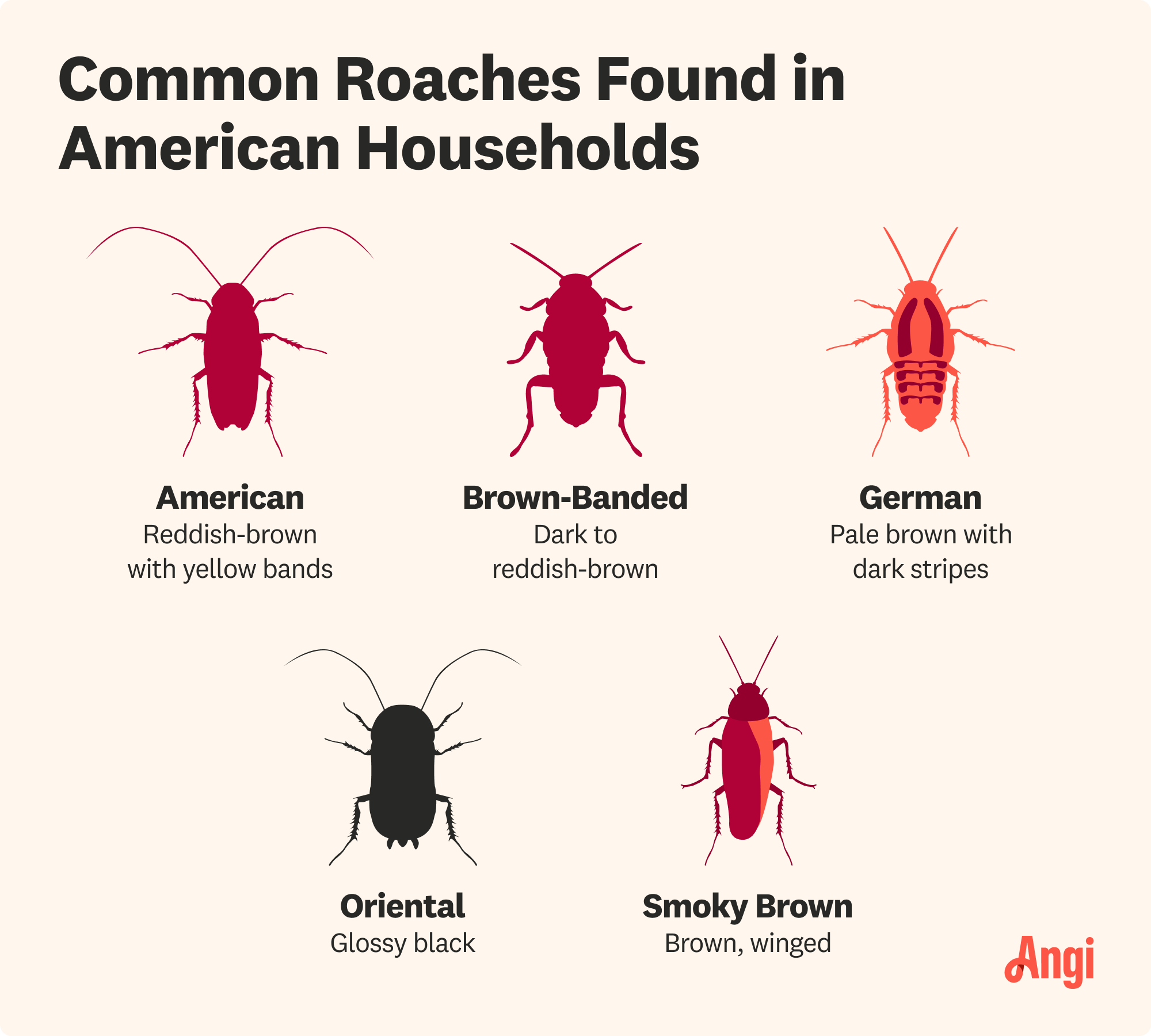
Image Source: media.angi.com
Why Roaches Love Kitchen Appliances
Kitchen appliances often provide the perfect trifecta for cockroach survival: warmth, moisture, and hidden spaces. Roaches are nocturnal and thrive in environments that mimic their natural habitats – dark, humid, and full of potential food sources.
- Warmth: Appliances like ovens, refrigerators (especially the motor area), dishwashers, and even toasters generate heat, creating cozy environments for roaches to breed and shelter.
- Moisture: Leaks from dishwashers, refrigerators, or even condensation from cooking can provide the essential water roaches need.
- Food Sources: Spilled food particles, grease buildup, and forgotten crumbs are a constant buffet for roaches. They can access these through small gaps, vents, and even cracks.
- Shelter: The nooks, crannies, and interior workings of appliances offer protection from predators and the elements, allowing roaches to hide and multiply undisturbed.
Identifying a Kitchen Appliance Cockroach Infestation
Recognizing the signs of roaches within your appliances is the first step to effective pest removal. Don’t wait until you see a full-blown infestation; early detection is key.
Common Signs to Look For:
- Live Roaches: Spotting live roaches, especially during the day, is a clear indicator of an infestation. If you see them emerging from or near your appliances, it’s a strong clue.
- Droppings: Cockroach droppings often resemble black pepper or coffee grounds. You might find them along baseboards, inside cabinets, and, critically, around appliance vents, seals, and motor housings.
- Egg Cases (Oothecae): These small, dark brown, capsule-like structures contain multiple cockroach eggs. They are often found in hidden, warm, and undisturbed locations within appliances.
- Musty Odor: A strong, unpleasant, musty odor can indicate a large cockroach population. This is due to their waste and secretions.
- Smear Marks: Greasy, dark smears on surfaces can be caused by roaches when they are in large numbers. These might appear on the exterior or interior of appliances.
Specific Appliances to Inspect:
- Refrigerator: Roaches are often found behind refrigerators, in the motor area, or along the warm coils. Check the seals for gaps.
- Oven: Roaches can hide in the heating elements, insulation, or vents of ovens. Roaches inside oven cavities are a common, though unwelcome, discovery.
- Microwave: Similar to ovens, microwaves can harbor roaches in their internal components and vents.
- Dishwasher: Leaks, leftover food particles, and the dark interior make dishwashers a prime target. Check the door seals and drain areas.
- Toaster/Toaster Oven: Small crumbs and warmth make these compact appliances attractive.
- Coffee Maker: Residual water and grounds can be a food and water source.
- Blender/Food Processor: Dried food residue in the base or motor housing can attract them.
Strategies for Cockroach Treatment Kitchen Appliances
Successfully treating a kitchen appliance cockroach infestation involves a multi-pronged approach, combining immediate elimination with long-term prevention.
1. Deep Cleaning: The Foundation of Roach Control
Before introducing any treatments, a thorough deep cleaning of your kitchen appliances is crucial. This removes food sources, nesting sites, and makes treatments more effective.
Steps for Deep Cleaning:
- Unplug Appliances: Always unplug any appliance before cleaning its interior or working near its electrical components. Safety first!
- Remove and Clean: Take out all removable parts (shelves, drawers, racks) from refrigerators, ovens, and microwaves. Wash them thoroughly with hot, soapy water.
- Scrape and Scrub: Use a putty knife or stiff brush to scrape away any caked-on food, grease, or debris from the interior and exterior of appliances. Pay close attention to crevices, corners, and under burners or heating elements.
- Degrease: Use a good degreaser or a solution of hot water and dish soap to cut through grease buildup. This is especially important for ovens, stovetops, and the areas around refrigerator coils.
- Clean Vents and Seals: Use a vacuum cleaner with a crevice tool to remove dust, debris, and potential egg cases from vents and appliance seals. A damp cloth can then be used to wipe these areas clean.
- Behind and Underneath: This is critical. Pull out appliances like refrigerators and stoves to thoroughly clean the floor and walls behind and beneath them. You’ll likely find accumulated dust bunnies, food particles, and possibly roach droppings.
- Empty Drip Pans: For refrigerators and ovens, empty and clean drip pans. These can be hidden sources of moisture and food.
Deep Cleaning Kitchen Appliances Checklist:
| Appliance | Key Areas to Clean |
|---|---|
| Refrigerator | Door seals, interior shelves/drawers, drip pan, motor housing (exterior only), behind and underneath |
| Oven | Interior cavity, racks, heating elements (carefully), door seals, vent openings, stovetop burners, under stove |
| Microwave | Interior cavity, turntable, door seals, vent openings |
| Dishwasher | Door seals, filter, spray arms, interior walls, drain area |
| Toaster/Oven | Crumb tray, interior, exterior |
| Small Appliances | Interior compartments, base units, cords |
2. Utilizing Insecticides and Baits for Roach Control
Once your appliances are clean, you can employ targeted treatments.
Insecticide Kitchen Appliances:
- Gel Baits: These are highly effective for targeting roaches directly in their hiding spots within appliances. Apply small dots of gel bait in cracks, crevices, and behind appliance panels where roaches are likely to travel. Roaches eat the bait and die, and the poison can be passed to other roaches through cannibalism or contact with feces.
- Bait Stations: Place bait stations in areas around appliances, especially behind refrigerators and under sinks where plumbing might be near appliance hookups. These stations contain a slow-acting poison that roaches consume.
- Insect Growth Regulators (IGRs): IGRs don’t kill roaches immediately but disrupt their life cycle, preventing them from reaching maturity or reproducing. They are a good long-term strategy.
- Residual Sprays: Use residual sprays cautiously and according to label instructions. Apply them to areas where roaches travel away from appliances, such as along baseboards or entry points, rather than directly inside electrical components. Never spray insecticides directly into appliance motors or heating elements.
Safety Precautions When Using Insecticides:
- Read Labels Carefully: Always follow the manufacturer’s instructions and safety warnings.
- Ventilate: Ensure good ventilation when using any sprays or baits.
- Keep Away from Food: Never apply insecticides directly to food preparation surfaces or in areas where food is stored uncovered.
- Protect Pets and Children: Keep all insecticide products out of reach of children and pets. Consider using bait stations rather than sprays in areas accessible to them.
- Turn Off Power: Always ensure appliances are unplugged before applying any treatments near electrical components.
3. Natural Roach Remedies Appliances: Eco-Friendly Solutions
For those seeking less chemically intensive options, several natural remedies can be effective for roach control in kitchen appliances.
Natural Solutions:
- Diatomaceous Earth (Food Grade): This fine powder is made from fossilized algae. It has sharp edges that dehydrate and kill insects, including roaches. Lightly dust food-grade diatomaceous earth in cracks, crevices, behind appliances, and in areas where roaches are seen. It is safe for humans and pets when used as directed.
- Boric Acid: Boric acid is a natural mineral that acts as a stomach poison and abrasive to roaches. Sprinkle a very thin layer in hidden areas like behind refrigerators, under cabinets, and in appliance motor compartments. Roaches ingest it when they clean themselves after crawling through it. Use with caution as it can be toxic if ingested by pets or children.
- Essential Oils: Certain essential oils, like peppermint, eucalyptus, and tea tree oil, have repellent properties. Mix a few drops with water and spray around appliance exteriors or in areas where roaches are seen. This is more of a deterrent than a killer.
- Cucumber Peels: Roaches reportedly dislike the smell of cucumber. Placing fresh cucumber peels in areas where roaches are found, such as behind the refrigerator, might deter them. Replace them regularly.
4. Sealing Entry Points and Harborage Areas
Roaches can enter appliances through tiny gaps. Sealing these points is vital for long-term control.
Sealing Strategies:
- Caulking: Use caulk to seal any cracks or gaps around appliance vents, electrical outlets near appliances, and where pipes enter the kitchen.
- Weather Stripping: Apply weather stripping to appliance doors (like refrigerators and ovens) if seals are damaged or loose.
- Mesh Screens: For vents, consider using fine mesh screens to prevent roaches from entering the internal workings of appliances while still allowing for air circulation.
5. Removing Food and Water Sources
The most effective way to eliminate roaches from kitchen appliances is to remove what attracts them in the first place.
Eliminating Attractants:
- Regular Cleaning: Stick to a rigorous cleaning schedule, especially after cooking. Wipe down countertops, stovetops, and appliance exteriors daily.
- No Leftovers: Don’t leave dirty dishes in the sink overnight. Wash them immediately or place them in a dishwasher and run it regularly.
- Secure Food Storage: Store all food, including pet food, in airtight containers. This includes items usually kept in pantries.
- Fix Leaks: Promptly repair any plumbing leaks, especially those near dishwashers or refrigerators.
- Empty Trash Regularly: Ensure trash cans have tight-fitting lids and empty them frequently, especially before bed.
Advanced Strategies for Kitchen Appliance Cockroach Infestation
For persistent or severe infestations, you might need to consider more aggressive measures.
1. Using Insecticide Kitchen Appliances: Professional Application
In cases where DIY methods aren’t sufficient, professional pest control services can be invaluable. They have access to a wider range of insecticides and advanced application techniques specifically designed for complex infestations like those found within kitchen appliance cockroach infestations. They can safely treat areas that are difficult for homeowners to access.
2. Cockroach Treatment Kitchen Appliances: Integrated Pest Management (IPM)
IPM is a holistic approach that combines multiple strategies for effective and sustainable pest control. It emphasizes prevention, monitoring, and the use of targeted treatments. For kitchen appliances, IPM would involve:
- Inspection: Regularly inspect appliances for signs of roach activity.
- Sanitation: Maintain impeccable cleanliness around and within appliances.
- Exclusion: Seal entry points into the kitchen and around appliances.
- Trapping: Use sticky traps to monitor roach activity and capture them.
- Targeted Treatment: Employ baits and IGRs in specific areas where roaches are active, minimizing broad-spectrum insecticide use.
3. Roaches Behind Refrigerator: A Common Hiding Spot
The area behind and under the refrigerator is a prime location for roaches due to the warmth from the motor and accumulated dust and debris.
Tackling Roaches Behind the Refrigerator:
- Safely Move the Refrigerator: Unplug the refrigerator and carefully pull it away from the wall. Be mindful of water lines or electrical cords.
- Thorough Cleaning: Vacuum all dust, debris, and any visible roaches or droppings. Use a degreaser to clean any grease buildup on the coils or motor housing (ensure the unit is unplugged and cool).
- Apply Baits: Place gel baits or bait stations in the crevices and along the wall behind where the refrigerator sits.
- Seal Gaps: Seal any cracks in the wall or floor behind the appliance.
- Replace and Monitor: Carefully push the refrigerator back into place. Monitor the area regularly for signs of activity.
4. Roaches Inside Oven: Dealing with a Hot Spot
Roaches inside an oven can be challenging due to the heat and enclosed nature of the appliance.
Managing Roaches Inside the Oven:
- Unplug and Cool: Ensure the oven is completely unplugged and cool.
- Clean Thoroughly: Remove racks and any debris. Clean the interior with a degreaser.
- Inspect and Treat: Look for cracks or openings in the oven’s casing, especially around the heating elements or fan. Apply small amounts of gel bait in these secluded spots. Never spray liquid insecticides near heating elements or electrical components.
- Consider Boric Acid: A very light dusting of boric acid in the inaccessible areas behind the oven might be an option, but extreme caution is needed.
- Ventilation is Key: If using any sprays for treatment around the oven (not inside), ensure thorough ventilation.
5. Pest Removal Kitchen Appliances: Eliminating Roaches Appliances
The goal is to comprehensively eliminate roaches from your kitchen appliances and prevent their return. This involves consistent effort and adherence to the strategies outlined.
Prevention: Keeping Roaches Out of Your Appliances
Once you’ve successfully removed roaches, maintaining a pest-free environment is crucial.
Ongoing Prevention Measures:
- Consistent Cleaning: Make deep cleaning kitchen appliances a regular part of your routine, perhaps monthly.
- Regular Inspections: Periodically check around and inside appliances for any new signs of pest activity.
- Seal Entry Points: As you notice new cracks or gaps, seal them immediately.
- Moisture Control: Ensure there are no leaks and that areas around appliances are kept dry.
- Proper Food Storage: Always keep food in sealed containers.
Frequently Asked Questions (FAQ)
Q1: How often should I deep clean my kitchen appliances to prevent roaches?
A: A general deep clean of appliance exteriors and accessible interiors should be done weekly or bi-weekly. A more thorough deep clean, including moving appliances and cleaning behind them, should be performed quarterly or at least twice a year.
Q2: Are natural roach remedies effective for appliances?
A: Natural remedies like diatomaceous earth and boric acid can be effective when used correctly in the hidden areas of appliances where roaches reside. Essential oils and cucumber peels are more for deterrence. They are often best used in conjunction with other methods.
Q3: Can I use insecticide kitchen appliances directly inside the oven or refrigerator motor?
A: Absolutely not. Never spray liquid insecticides or aerosols directly into the electrical components or motors of appliances. This is a fire hazard and can damage the appliance. Use baits and IGRs specifically designed for these areas, and always ensure the appliance is unplugged and cool.
Q4: What if I can’t find the source of the roaches in my appliances?
A: If you suspect a kitchen appliance cockroach infestation but can’t pinpoint the exact location, consider using sticky traps around and behind appliances to monitor activity. Professional pest control services can also conduct thorough inspections to identify hidden harborage areas.
Q5: How do I get rid of roaches behind the refrigerator?
A: To get rid of roaches behind the refrigerator, unplug it, pull it out, and thoroughly clean the area. Vacuum up debris, use a degreaser on the motor and coils (if safe to do so after unplugging), and apply roach baits or diatomaceous earth in cracks and crevices. Seal any entry points before pushing the appliance back.
Q6: What are the best roach control kitchen appliances tactics?
A: The best tactics involve a combination of deep cleaning, targeted use of baits (gel or stations), sealing entry points, and removing food and water sources. Integrated Pest Management (IPM) strategies are highly recommended for effective and long-term results.
By following these detailed steps and employing a persistent approach, you can effectively remove roaches from your kitchen appliances and reclaim a clean, healthy cooking environment. Remember that consistency in cleaning and prevention is your greatest ally in the fight against these unwelcome pests.