
Discovering small ants around your kitchen sink can be a common and frustrating problem. You’re likely asking, “What’s the best way to get rid of small ants around the kitchen sink quickly?” The most effective approach involves a multi-step strategy that targets the ants, their food sources, and their entry points, often combining immediate action with long-term prevention.
The presence of small ants sink areas can be a persistent nuisance. Whether they’re trailing across your kitchen counter or disappearing into the drain, these tiny invaders can signal a more significant ant infestation kitchen. This guide will walk you through proven methods to tackle kitchen sink ants efficiently and keep them from returning. We’ll cover everything from immediate DIY solutions to understanding why they’re there in the first place.
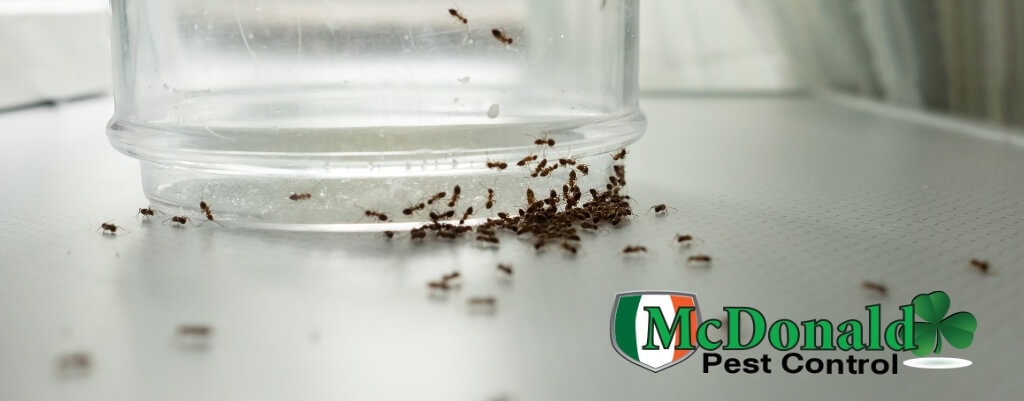
Image Source: www.mcdonaldpestcontrol.com
Why Are Ants Drawn to Your Kitchen Sink?
Before you can effectively banish them, it’s helpful to understand what attracts ants to your kitchen sink. These common kitchen ants are usually looking for two main things: food and water. Your sink area, with its potential for leftover food particles and moisture, is a prime target.
Common Attractions for Ants
- Food Residue: Even tiny crumbs or spills around the sink, on the counter, or in the drain can be a feast for ants. Sweet liquids, sticky residues, and forgotten food scraps are particularly appealing.
- Water Source: Leaky faucets, condensation, or standing water in the sink basin provide essential hydration for ant colonies. This makes your sink a critical resource, especially during dry periods.
- Entry Points: Ants can enter your home through incredibly small cracks and gaps. They might follow scent trails from outside or simply find an open pathway from their colony to your kitchen.
Immediate Actions for Kitchen Sink Ants
When you see those first trails of small ants sink, you want to act fast. Here are some immediate steps to disrupt their activity and start the elimination process.
1. Cleanliness is Key: The First Line of Defense
This is the most crucial step in any kitchen ant control strategy. Remove what the ants are after.
- Wipe Down Surfaces: Immediately clean the sink, countertop, and surrounding areas. Use a soapy cloth or a mild cleaning spray to wipe away any visible ants, food particles, and sweet residue. Pay special attention to the faucet, sink drain, and any crevices.
- Rinse the Drain: Pour hot water down the sink drain. This can help wash away any ant trails or food particles lurking within the pipes. Adding a bit of dish soap beforehand can help break down any greasy residue.
- Empty Trash and Compost: Ensure your kitchen trash and compost bins are sealed tightly and emptied regularly. Ants are attracted to the odors of decaying food.
2. Natural Ant Killer Sink Solutions
Many people prefer to use natural methods, especially in the kitchen where food is prepared. These DIY ant solutions sink are effective and generally safe.
Vinegar Solution
- How it works: Vinegar disrupts ant scent trails, making it difficult for them to navigate. It also acts as a deterrent.
- What you need: White vinegar and water.
- How to use:
- Mix equal parts white vinegar and water in a spray bottle.
- Spray the solution directly on the ants and the areas where you see them trailing.
- Wipe down surfaces with the solution.
- Repeat daily, especially after cleaning, to help erase scent trails.
Lemon Juice
- How it works: Similar to vinegar, the acidity of lemon juice can disrupt ant trails and deter them.
- What you need: Fresh lemon juice or bottled lemon juice.
- How to use:
- Spray lemon juice directly on ants and along their paths.
- You can also place lemon peels around the sink area as a repellent.
Peppermint Oil
- How it works: Peppermint oil has a strong scent that ants dislike and can disrupt their communication.
- What you need: Peppermint essential oil and water.
- How to use:
- Add 10-15 drops of peppermint oil to a spray bottle filled with water.
- Shake well and spray around the sink, counters, and any entry points.
- Reapply as needed, as the scent can dissipate.
Baking Soda and Powdered Sugar Bait
- How it works: This mixture is a common bait. Ants are attracted to the sugar and will consume the baking soda, which can disrupt their internal systems.
- What you need: Baking soda and powdered sugar.
- How to use:
- Mix equal parts baking soda and powdered sugar in a small dish or on a piece of cardboard.
- Place these bait stations near the ant activity, but out of reach of children and pets.
- Replace the bait every few days.
3. Physical Removal and Blocking Entry Points
While cleaning and natural repellents work on the surface, you also need to physically remove existing ants and stop new ones from coming in.
- Vacuuming: Use a vacuum cleaner with a hose attachment to suck up visible ants. Immediately empty the vacuum bag or canister outside your home to prevent them from escaping back inside.
- Caulking Cracks: Inspect the area around your sink, countertops, and windows for any small cracks or openings. Seal these with caulk to prevent ants from entering your kitchen. This is a vital part of ant prevention kitchen.
Targeting the Colony: Baits and Traps
If natural methods aren’t enough, or you have a persistent ant infestation kitchen, it’s time to consider baits and traps that target the entire colony.
Ant Baits: A Powerful Solution
Ant baits are designed to be carried back to the colony, where they are shared, potentially eliminating the queen and many workers.
- How they work: Baits contain a slow-acting poison mixed with an attractant (usually sweet or protein-based). Ants eat the bait and take it back to their nest.
- Types of Baits:
- Gel Baits: These are sticky and easy for ants to carry. Apply small dots in areas of ant activity.
- Liquid Baits: Available in small bait stations, these are also effective.
- Granule Baits: Often used for larger infestations or outdoor perimeter treatments.
- Placement Strategy:
- Identify ant trails.
- Place bait stations or gel dots along these trails, but not directly in the path where you’ve used repellents (like vinegar or peppermint oil), as this can deter them from reaching the bait.
- Keep baits out of reach of children and pets.
- Be patient. It can take a few days to a week to see a significant reduction in ant activity as the bait works its way through the colony.
Traps
- Sticky Traps: These are adhesive surfaces that trap ants as they walk over them. They are useful for monitoring ant activity and catching stragglers, but won’t eliminate the colony.
Identifying Common Kitchen Ants
Knowing what kind of ants you’re dealing with can sometimes help in choosing the most effective treatment. Many common kitchen ants are small and often found near water sources.
Pharaoh Ants
- Appearance: Very small (about 1/16 inch), typically pale yellow or reddish-brown.
- Habitat: Prefer warm, humid environments, making kitchens and bathrooms prime locations. They can nest in wall voids, behind baseboards, or even in electrical outlets.
- Behavior: They are attracted to sweets, fats, and proteins. They can spread quickly and are known to contaminate food and surfaces.
Odorous House Ants
- Appearance: Small (about 1/8 inch), brown to black. They emit a distinctive “rotten coconut” or “sour milk” smell when crushed.
- Habitat: Often nest outdoors in soil, under rocks, or in mulch but readily move indoors to find food and water.
- Behavior: They are attracted to sweets but will also eat greasy foods. They form trails to and from food sources.
Pavement Ants
- Appearance: Small (about 1/8 to 1/4 inch), dark brown to black. They have lighter antennae and legs.
- Habitat: Commonly nest outdoors in soil or pavement cracks, but they frequently forage indoors, especially in kitchens.
- Behavior: They are attracted to a wide range of foods, including sweets, meats, and fats.
Addressing Ants in the Bathroom Sink
Just as in the kitchen, ants bathroom sink areas are often due to moisture and food particles. The principles for dealing with them are similar.
- Moisture Control: Fix any leaky faucets or pipes. Keep the sink area dry by wiping it down regularly.
- Cleanliness: Remove any hair, soap residue, or other debris that might attract ants.
- Natural Repellents: Vinegar, lemon juice, and peppermint oil can also be used effectively in the bathroom.
- Baiting: If the problem persists, ant baits placed strategically near the bathroom sink can help eliminate the colony.
Long-Term Ant Prevention Kitchen Strategies
Once you’ve successfully rid your kitchen of ants, it’s essential to implement preventive measures to keep them from returning. Effective ant prevention kitchen is about making your home less attractive to them.
Maintain Impeccable Cleanliness
- Wipe Spills Immediately: Never leave spills, especially sugary ones, to dry.
- Clean Counters and Surfaces Daily: A thorough wipe-down of countertops, tables, and the sink area every evening is crucial.
- Sweep and Mop Floors Regularly: Remove crumbs and food particles from the floor.
- Rinse Dishes: Don’t leave dirty dishes in the sink overnight. Rinse them or put them directly into the dishwasher.
- Pet Food: Don’t leave pet food sitting out for extended periods. Clean pet bowls regularly.
Secure Food Storage
- Airtight Containers: Store all food items, especially sugar, flour, cereal, and pet food, in airtight containers. This includes items you might think are safe, like bread or cookies.
- Seal Packaging: Ensure all packaged foods are properly sealed after opening.
Manage Moisture
- Fix Leaks: Regularly check for and repair any leaky pipes or faucets under the sink or in the vicinity.
- Dry the Sink: After use, try to dry the sink basin and faucet area to eliminate residual moisture.
- Check for Condensation: Ensure proper ventilation in your kitchen to reduce condensation buildup.
Seal Entry Points
- Inspect Regularly: Periodically check for new cracks or openings in walls, windowsills, and doorframes.
- Caulk and Seal: Seal any gaps you find with caulk or appropriate sealants. Pay attention to areas where pipes or wires enter the house.
Exterior Maintenance
- Trim Vegetation: Keep shrubs and tree branches trimmed away from your house, as these can provide bridges for ants to access your home.
- Remove Debris: Clear away leaf litter, woodpiles, and other debris from around your foundation, as these can be nesting sites for ants.
- Trash Management: Keep outdoor trash cans clean and sealed, and place them away from the house if possible.
When to Call a Professional
While DIY methods are often effective for minor infestations of small ants sink, there are times when professional pest control is necessary.
- Large Infestations: If you see ants constantly, regardless of your cleaning efforts, or if they are in multiple areas of your home, you may have a significant ant infestation kitchen.
- Persistent Problems: If you’ve tried multiple DIY solutions without success, a professional can identify the specific ant species and their nesting locations.
- Difficult-to-Reach Nests: Some ant species, like Pharaoh ants, can nest in inaccessible areas (e.g., within walls or electrical systems), requiring specialized treatment.
- Safety Concerns: If you have young children or pets and are concerned about using pesticides, professionals can offer safer, targeted solutions.
A pest control professional can accurately diagnose the issue, apply targeted treatments, and provide advice on long-term prevention tailored to your specific situation.
Frequently Asked Questions (FAQ)
Q1: How fast can I get rid of ants around my kitchen sink?
With immediate cleaning and the use of natural repellents like vinegar or peppermint oil, you can see a reduction in ant activity within hours. However, eliminating the entire colony, especially with baits, can take several days to a week.
Q2: Can I use bleach to kill ants around my kitchen sink?
While bleach can kill ants on contact, it’s not a long-term solution for an ant infestation kitchen. Bleach can also damage some surfaces and its strong fumes can be unpleasant and potentially harmful in an enclosed kitchen space. It does not eliminate the colony and doesn’t disrupt scent trails effectively. Natural cleaners or commercially available ant baits are generally preferred.
Q3: Are ants around my kitchen sink a sign of a bigger problem?
Yes, often. While a few stray ants might be accidental visitors, a consistent trail of small ants sink or ants kitchen counter can indicate a nearby nest or a more established ant infestation kitchen. They are likely attracted by food and water sources, which your kitchen sink area readily provides.
Q4: How do I stop ants from coming back after I’ve cleaned them up?
The key to preventing ants from returning is consistent ant prevention kitchen practices. This includes maintaining high standards of cleanliness, properly storing food in airtight containers, promptly cleaning up spills, fixing any leaks that provide moisture, and sealing potential entry points into your home.
Q5: Are there specific times of year when ants are more active in the kitchen?
Ant activity often increases during warmer months, from spring through fall, as they forage for food and water. However, some species, like Pharaoh ants, can be active year-round, especially in heated homes with consistent access to food and moisture.
By following these detailed steps, you can effectively tackle those pesky small ants sink and enjoy a pest-free kitchen. Remember that persistence and a thorough approach are key to achieving lasting results.