
What is the ideal kitchen island height? The ideal kitchen island height typically falls between 36 and 42 inches. This range accommodates various uses, from food prep and dining to providing comfortable seating. Let’s explore the different heights available and how to choose the perfect one for your kitchen.
When you picture a kitchen island, you likely envision a central hub that enhances both functionality and style. One of the most crucial aspects of designing this essential element is getting the height just right. The kitchen island height isn’t just about aesthetics; it directly impacts how you use the space for cooking, gathering, and entertaining. So, how tall are kitchen islands, and more importantly, how do you find the perfect fit for your home?
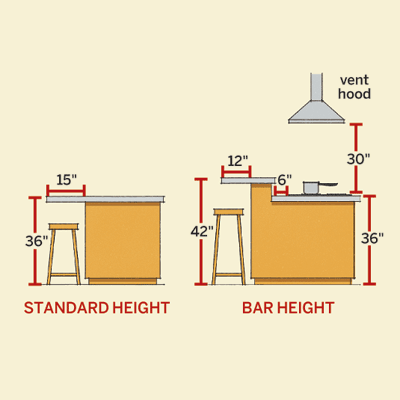
Image Source: kikiinteriors.com
Deciphering Kitchen Island Heights: A Guide to Comfort and Functionality
The standard kitchen island size can vary significantly, but a common starting point for the countertop is around 36 inches. This is the same height as most standard kitchen countertops. However, islands can be designed with multiple tiers or different levels to serve various purposes. Understanding these differences is key to creating a truly functional and comfortable kitchen.
The Cornerstone: Countertop Height Kitchen Island
The most common type of kitchen island you’ll encounter is the countertop height kitchen island. This design features a single level that matches your existing kitchen countertops, usually sitting at about 36 inches from the floor.
-
Benefits:
- Seamless Workflow: A consistent height makes it easy to move between your main kitchen work areas and the island for tasks like chopping vegetables, mixing ingredients, or plating food.
- Versatile Prep Space: It provides an extended, level surface for all your culinary endeavors.
- Dining Comfort: When paired with standard counter stools (those with seats around 24-26 inches high), it offers a comfortable spot for casual meals and conversations.
- Aesthetically Pleasing: A single-level design creates a clean, unified look within your kitchen.
-
Considerations:
- While great for dining, it might feel slightly low for some standing tasks if you prefer a higher work surface.
- If you plan to use it heavily for eating, ensure your stools are the correct height for comfortable legroom.
The Social Hub: Bar Height Island
Moving up the scale, we have the bar height island. These islands typically feature a countertop that sits around 42 inches from the floor. This higher surface is perfect for creating a more casual, bar-like atmosphere in your kitchen.
-
Benefits:
- Elevated Socializing: It encourages guests to gather around, converse, and even enjoy a drink while you cook.
- Ideal for Eating: This height is perfect for quick breakfasts, snacks, or enjoying a meal with a view of the kitchen action.
- Comfortable for Bar Stools: It pairs perfectly with bar stools that have seats around 28-30 inches high, offering ample legroom and a comfortable dining experience.
- Visual Appeal: The increased height can add a dynamic element to your kitchen design.
-
Considerations:
- It’s less ideal for food preparation unless you opt for an island with a lower, separate prep surface.
- If you have young children or elderly individuals using the island frequently, the higher level might pose a slight accessibility challenge.
The Hybrid: Table Height Island
While less common as a dedicated “island” in the traditional sense, some designs incorporate a table-height section. This typically measures around 30 inches from the floor, mimicking a standard dining table.
-
Benefits:
- Formal Dining Option: Provides a comfortable space for sit-down meals, similar to a breakfast nook.
- Accessibility: Easier for children and those with mobility issues to sit at.
-
Considerations:
- This height is generally too low for comfortable food preparation for most adults.
- It often requires a multi-level island design, which can add complexity to the build and potentially reduce usable counter space.
Multi-Level Islands: The Best of Both Worlds
For ultimate versatility, many homeowners opt for multi-level islands. These designs combine different heights within a single unit, allowing for distinct zones for prep, dining, and seating.
-
Common Configurations:
- A lower countertop height section (36 inches) for food preparation.
- An extended bar height overhang (typically 42 inches) for seating.
- Sometimes, a small section at table height for a dedicated eating area.
-
Benefits:
- Maximum Functionality: Cater to a wider range of activities without compromise.
- Defined Zones: Visually separates work areas from social spaces.
- Customizable: Allows you to tailor the island to your specific needs and lifestyle.
-
Considerations:
- Can be more complex and costly to design and build.
- Requires careful planning to ensure optimal flow and adequate clearances.
Fathoming Your Kitchen Island Dimensions: Beyond Just Height
While kitchen island height is a critical consideration, the overall kitchen island dimensions – including kitchen island width and kitchen island depth – are equally important for both usability and aesthetic balance.
Kitchen Island Depth: The Foundation of Function
The depth of your island contributes significantly to its usability.
- Standard Depth: A typical kitchen island depth ranges from 24 to 30 inches. This is often determined by the cabinets used, which are commonly 24 inches deep. Adding a countertop overhang for seating will increase the overall depth.
- Seating Overhang: For comfortable seating, aim for an overhang of at least 10-12 inches on the side where people will sit. This provides adequate knee space. If you’re planning for deeper seating or want to accommodate larger chairs, you might need an overhang of 15 inches or more.
- Work Surface Depth: If the island is primarily for prep, ensure enough depth for your appliances (like a microwave drawer or cooktop) if they are integrated, and for comfortable working space.
Kitchen Island Width: Creating the Right Footprint
The kitchen island width is determined by your kitchen’s overall size and layout.
- Minimum Width: For a functional island that allows for movement, aim for a minimum width of 36 inches. This ensures you have enough space on the island itself and adequate clearance around it.
- Average Width: Many islands fall into the 48-72 inch range, offering a good balance of prep space and seating.
- Wider Islands: Larger kitchens can accommodate wider islands (72 inches and up) for more substantial workspaces, multiple seating areas, or integrated appliances.
Optimizing Space: Clearance and Workflow
Regardless of the kitchen island height, proper clearances are paramount. Adequate space around your island ensures smooth traffic flow and safe movement.
- Traffic Clearance:
- Minimum: Allow at least 36 inches of clearance between the island and surrounding countertops or walls for basic passage.
- Ideal: 42-48 inches is recommended, especially if you have two people working in the kitchen simultaneously or need to open appliance doors (like ovens or dishwashers) that face the island.
- Seating Clearance: If you have seating at your island, ensure enough space for chairs to be pulled out comfortably. This usually requires an additional 12-18 inches behind the seating area.
Finding Your Perfect Kitchen Island Height: Key Considerations
Choosing the right kitchen island height depends on how you intend to use it most. Consider these factors:
1. Primary Use: Prep, Dining, or Both?
- Mainly for Food Prep: A countertop height kitchen island (36 inches) is ideal. This aligns with standard counter heights, making it comfortable for chopping, mixing, and rolling dough.
- Mainly for Dining/Socializing: A bar height island (42 inches) with a comfortable overhang for seating is excellent. This encourages guests to gather and creates a more casual dining experience.
- For Both: A multi-level island or a slightly higher counter height island (perhaps 37-38 inches) can offer a compromise, though a dedicated bar height section is best for optimal seating comfort.
2. Seating Type: Stools vs. Chairs
The type of seating you plan to use will directly influence the ideal island height.
- Counter Stools: Designed for counter height islands (36 inches), with seat heights typically around 24-26 inches.
- Bar Stools: Designed for bar height islands (42 inches), with seat heights typically around 28-30 inches.
- Dining Chairs: Designed for table height (30 inches), with seat heights around 18 inches.
3. User Ergonomics: Who Will Be Using It?
- Adults: Standard heights (36-42 inches) generally work well.
- Children: Lower sections or islands at table height (30 inches) can be more accessible and safer for younger users. Consider rounded edges for safety.
- Multiple Users: If people of significantly different heights will be using the island, a multi-level design can accommodate everyone.
4. Existing Kitchen Layout and Appliance Integration
- Appliance Height: If you’re integrating appliances like a microwave drawer or a built-in cooktop, ensure the island height complements their intended use and standard operating heights.
- Flow and Visual Harmony: The island’s height should harmonize with your existing cabinetry and overall kitchen design.
Material Matters: Impact on Height and Durability
The materials chosen for your countertop can also influence your decision regarding kitchen island height and design.
| Countertop Material | Typical Thickness | Considerations for Height |
|---|---|---|
| Laminate | 0.75 to 1.5 inches | Lightweight, budget-friendly. Less impact on overall island height. |
| Solid Surface | 0.75 to 2 inches | Seamless look, can be coved with the backsplash. Adds to overall height. |
| Granite/Quartz | 0.75 to 1.25 inches | Durable, wide variety of colors. Standard thickness is common. |
| Butcher Block | 1.5 to 3 inches | Warm aesthetic, functional for chopping. Thicker tops add to overall island height. |
| Concrete | 1.5 to 4+ inches | Highly customizable, industrial look. Can be cast to specific heights and thicknesses. |
| Marble | 0.75 to 1.25 inches | Luxurious, but porous and prone to staining. Standard thickness is typical. |
When calculating the final kitchen island height, always factor in the thickness of your chosen countertop material.
Common Kitchen Island Dimensions in a Table Format
To help visualize, here’s a table summarizing common kitchen island dimensions and their associated heights:
| Island Type | Typical Height (Floor to Countertop) | Typical Seat Height (for Overhang) | Typical Depth (Cabinets + Overhang) | Typical Width | Primary Use |
|---|---|---|---|---|---|
| Counter Height | 36 inches | 24-26 inches | 25-36 inches (with 12-15 inch overhang) | 24 inches+ | Food prep, casual dining |
| Bar Height | 42 inches | 28-30 inches | 25-36 inches (with 15-18 inch overhang) | 24 inches+ | Socializing, quick meals, drinks |
| Table Height | 30 inches | 18 inches | 30-36 inches | 30 inches+ | Sit-down meals, children’s activities |
| Multi-Level (Prep) | 36 inches | N/A | 25-30 inches | Varies | Food preparation |
| Multi-Level (Seating) | 42 inches (overhang) | 28-30 inches | 15+ inches (overhang section) | Varies | Dining and socializing |
Note: These are general guidelines. Custom designs can vary.
Dispelling Myths: What is the Average Kitchen Island Height?
While there’s no single definitive “average” that applies to every kitchen, the countertop height kitchen island at 36 inches is the most frequently encountered due to its alignment with standard cabinet heights. However, the increasing popularity of islands as multi-functional spaces means that bar height island designs at 42 inches, or even multi-level options, are becoming increasingly common.
Customization is Key: Designing Your Ideal Island
Ultimately, the “ideal” kitchen island height is subjective and depends entirely on your personal needs and preferences. Don’t be afraid to deviate from the norm if it better suits your lifestyle.
- Measure your space: Ensure ample clearance for traffic and seating.
- Consider your most frequent activities: Will it be a culinary workshop or a social gathering spot?
- Test out different heights: If possible, stand at your current countertops and imagine them higher or lower. Or, visit showrooms and sit at islands of different heights to gauge comfort.
- Consult with professionals: Kitchen designers can offer expert advice on ergonomics, workflow, and aesthetics to help you achieve the perfect kitchen island dimensions.
By carefully considering these factors, you can ensure your kitchen island is not just a beautiful focal point, but also a highly functional and comfortable extension of your kitchen, perfectly tailored to your needs.
Frequently Asked Questions (FAQ)
Q1: What is the most common kitchen island height?
The most common kitchen island height is 36 inches, matching standard countertop heights, making it ideal for food preparation and casual dining with counter stools.
Q2: Can I have an island that is higher than standard countertops?
Yes, you can absolutely have an island that is higher than standard countertops. Bar height islands are typically 42 inches tall and are perfect for a more casual dining or socializing space.
Q3: What is the ideal kitchen island height for seating?
For comfortable seating, a bar height island at 42 inches with bar stools (seat height around 28-30 inches) is often preferred. Alternatively, a countertop height kitchen island at 36 inches with counter stools (seat height around 24-26 inches) also works well.
Q4: What are standard kitchen island dimensions?
Standard kitchen island dimensions vary, but generally, the kitchen island depth ranges from 24-30 inches, and the kitchen island width can start from 36 inches upwards, depending on kitchen size. The average kitchen island height is often around 36 inches for the countertop.
Q5: How much overhang do I need for seating at my island?
For comfortable seating, you should aim for at least a 10-12 inch overhang on the side where people will sit. For more spacious seating or to accommodate larger chairs, 15 inches or more is recommended. This will impact the overall kitchen island depth.
Q6: Is a counter height island suitable for eating?
Yes, a counter height island (36 inches) is perfectly suitable for eating, especially with comfortable counter stools. It provides a slightly lower surface than a bar height island, which some find more comfortable for longer meals.
Q7: Should my island be the same height as my kitchen counters?
It depends on your needs. If your primary goal is a seamless workspace for prep, matching your existing countertop height kitchen island to your counters (36 inches) is ideal. If you want a dedicated space for socializing or dining that’s distinct from your prep areas, a different height or a multi-level design is better.
Q8: What is the average kitchen island height for prep work?
The average kitchen island height for prep work is 36 inches, aligning with standard kitchen counter heights, which is ergonomically comfortable for most adults.