
Can you keep your dog out of the kitchen? Yes, you absolutely can! With the right strategies and consistent effort, you can successfully train your dog to respect kitchen boundaries, ensuring a safer and more peaceful environment for everyone.
The kitchen is often the heart of the home, a place where delicious smells waft and tempting morsels might accidentally fall. For our canine companions, it’s a paradise of potential snacks and fascinating activity. However, for dog owners, the constant desire of their furry friend to be in the kitchen can lead to frustration, safety concerns, and a general lack of peace. Whether it’s a curious puppy exploring new territory, a food-motivated adult dog hoping for scraps, or a mischievous hound seeking attention, preventing unwanted kitchen access is a common goal.
This guide will walk you through a comprehensive set of strategies, from physical barriers to behavioral training, all designed to help you keep your dog out of the kitchen effectively and humanely. We’ll cover everything from selecting the best kitchen gate for dogs to implementing subtle dog deterrents for the kitchen, and how to master training your dog out of the kitchen through positive reinforcement.
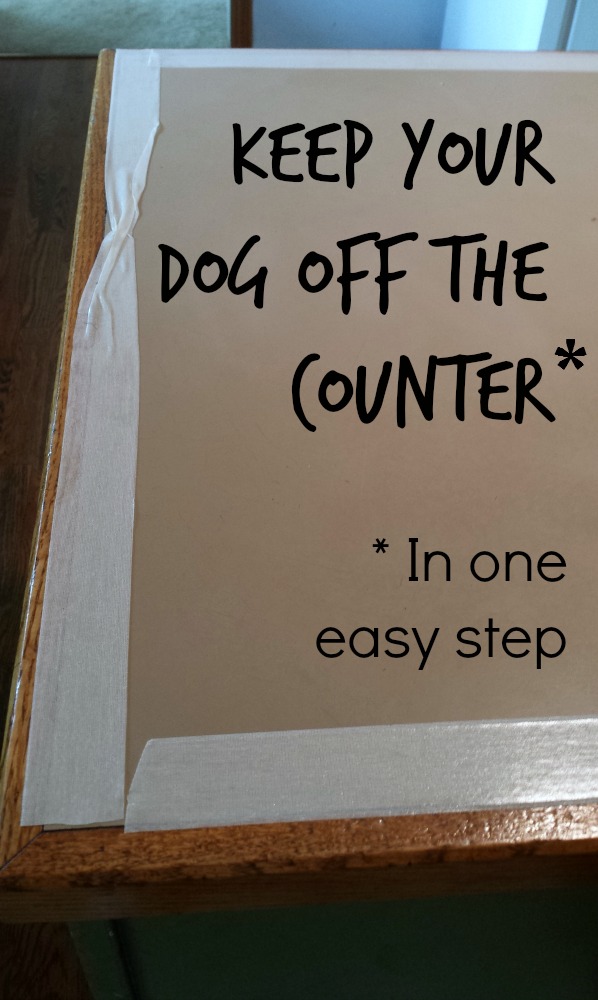
Image Source: www.makesomethingdaily.com
Why Dogs Love the Kitchen
Before we delve into solutions, it’s helpful to grasp why your dog is so drawn to the kitchen in the first place.
- Food, Glorious Food: This is the most obvious reason. The kitchen is where meals are prepared, stored, and often eaten. The aromas alone can be incredibly enticing for a dog with a keen sense of smell. Even dropped crumbs or the scent of previous meals can be enough to draw them in.
- Your Presence: The kitchen is often where their favorite humans spend a lot of time. Dogs are pack animals and want to be near their people. If you’re constantly in the kitchen, your dog will likely want to be there too, simply to be close to you.
- Activity and Stimulation: The kitchen can be a hub of activity. There are sounds from appliances, people moving around, and intriguing objects to investigate. This stimulation can be exciting for dogs, especially those who are bored or under-exercised.
- Curiosity: Dogs are naturally curious creatures. The kitchen is filled with new smells, textures, and potential discoveries. Exploring this area is a natural behavior for many dogs.
- Learned Behavior: If your dog has been rewarded in the past for being in the kitchen (even unintentionally, like getting a piece of dropped food), they’ve learned that this is a rewarding place to be.
Establishing Clear Boundaries: Physical Solutions
One of the most immediate and effective ways to keep your dog out of the kitchen is by creating physical barriers. These methods are excellent for puppies, new dogs, or any situation where immediate separation is needed.
The Power of a Kitchen Gate for Dogs
A kitchen gate for dogs is a versatile tool that can be used in various doorways and openings. When choosing a gate, consider the size and breed of your dog, as well as the height and width of your kitchen entrance.
-
Types of Gates:
- Pressure-Mounted Gates: These are easy to install and remove without drilling holes, making them ideal for temporary use or rental properties. They are generally best for smaller, less determined dogs.
- Hardware-Mounted Gates: These are more secure and are attached to the wall with screws. They are ideal for larger breeds or dogs that might try to push through a pressure-mounted gate. Many of these also come with a walk-through door for human convenience.
- Extra-Wide Gates: If you have a wide opening, look for extra-wide models or consider connecting multiple gates.
- Pet Doors: Some gates have small pet doors built into them, allowing smaller pets like cats to pass through while keeping dogs out.
-
Placement Tips:
- Position the gate at the entrance to the kitchen, not just in the middle of a hallway.
- Ensure it’s tall enough that your dog cannot jump over it.
- Check regularly that the gate is secure and hasn’t been loosened by your dog.
Kitchen Door Barrier for Pets: Beyond Gates
While gates are common, other kitchen door barrier for pets options exist, offering different levels of containment and aesthetics.
- Accordion-Style Barriers: These can be folded and stored away when not in use, offering flexibility.
- Decorative Pet Gates: Some gates are designed to blend in with your home decor, offering a more aesthetically pleasing solution.
- Temporary Barriers: You can create temporary barriers using sturdy cardboard or even strategically placed sturdy furniture if you need a quick fix, but these are not long-term solutions.
Blocking Dog from Kitchen with Other Methods
Beyond dedicated gates, creative solutions can help in blocking dog from kitchen.
- Furniture Placement: Strategically placing furniture can act as a deterrent, creating a physical blockade in certain areas. However, this is less of a direct solution for doorways.
- Baby Gates with Extensions: For wider doorways, baby gates with extension panels can be adapted.
Dog Proof Kitchen Entry: Ensuring Completeness
When aiming for a dog proof kitchen entry, it’s essential to consider all potential entry points. This includes not just the main doorway but also any other openings that your dog might exploit.
Training Your Dog Out of the Kitchen: Behavioral Strategies
Physical barriers are excellent, but they are often best used in conjunction with training. Teaching your dog that the kitchen is off-limits, or that they should only enter when invited, is a crucial part of long-term success. This is where training dog out of the kitchen becomes paramount.
Positive Reinforcement for Kitchen Boundaries
The core of successful dog training is positive reinforcement. This means rewarding desired behaviors and redirecting or ignoring undesired ones.
- “Leave It” Command: Teach your dog a solid “leave it” command. This is invaluable for preventing them from snatching food or going into prohibited areas. Practice with low-value treats first, then gradually introduce higher-value items.
- “Go to Your Place” Command: Train your dog to go to a designated mat or bed when you are in the kitchen or eating. Reward them generously for staying on their mat. This gives them an acceptable place to be while you are in the kitchen.
- Reward Calmness: If your dog is calm and lying down outside the kitchen while you are inside, reward that behavior. This reinforces that their desired spot is the one outside the kitchen.
Discouraging Kitchen-Seeking Behavior
It’s important to address the underlying reasons your dog wants to be in the kitchen.
- Feeding Schedules: Ensure your dog is fed on a consistent schedule. A hungry dog is a more motivated kitchen intruder.
- Exercise and Mental Stimulation: A tired dog is a good dog. Ensure your dog is getting enough physical exercise and mental stimulation throughout the day. Boredom often leads to problematic behaviors.
- No Free-Feeding: Avoid leaving food out all day, as this constantly draws your dog’s attention to the kitchen.
Addressing Begging and Counter-Surfing
These are common kitchen-related behaviors that need specific attention.
-
Preventing Dog Begging in Kitchen:
- Ignore Begging: Never reward begging behavior by giving in. This includes eye contact, petting, or talking to your dog when they are begging. The best approach is to completely ignore them.
- Feed Away from the Kitchen: Feed your dog their meals in their designated eating area, not in or near the kitchen where they might associate that space with receiving food.
- All Family Members on Board: Ensure everyone in the household adheres to the “no begging” rule. One slip-up can undo training.
-
Counter-Surfing Prevention:
- Remove Temptation: Don’t leave food unattended on countertops or tables. Clean up spills immediately.
- Use Deterrents:
- Kitchen Floor Mats for Dogs: Consider using kitchen floor mats for dogs that have a mild deterrent. Some mats emit a gentle puff of air or a sound when stepped on, startling the dog and discouraging them from entering. Test these in a small area first to ensure they are effective but not overly frightening.
- Motion-Activated Sprays: These devices can be placed strategically to release a burst of harmless air or a citrus scent when the dog approaches.
Creating a Positive Association with Staying Out
The goal is not to punish your dog for wanting to be in the kitchen but to teach them that other areas are just as, if not more, rewarding.
- Provide Alternative Comfort: Ensure your dog has a comfortable, appealing spot to relax away from the kitchen. This could be a cozy bed in the living room or their crate.
- Engage Them Elsewhere: When you are in the kitchen preparing food, engage your dog with a chew toy or a puzzle feeder in their designated area.
Dog Deterrent for Kitchen: Advanced Techniques and Tools
When basic training and physical barriers aren’t enough, or for added reinforcement, consider specific dog deterrent for kitchen options.
Scent Deterrents
Dogs rely heavily on their sense of smell. Certain scents can be off-putting without being harmful.
- Citrus: Many dogs dislike the smell of citrus fruits. Placing orange peels or using diluted citrus essential oils (ensure they are safe for pets and used sparingly) around the kitchen entrance can act as a deterrent.
- Vinegar: A diluted vinegar solution sprayed around the perimeter of the kitchen can also deter some dogs.
Auditory Deterrents
Some dogs are sensitive to certain sounds.
- Motion-Activated Noises: Devices that emit a soft “shush” or a low hum when motion is detected can startle a dog away from an area without causing distress.
Tactile Deterrents
These involve a less-than-pleasant texture for the dog.
- Double-Sided Tape: Placing double-sided tape on the floor near the kitchen entrance can be aversive for dogs who dislike sticky textures on their paws.
- Specialized Mats: As mentioned earlier, kitchen floor mats for dogs can offer a tactile deterrent.
Important Note on Deterrents: Always introduce deterrents gradually and observe your dog’s reaction. The goal is to deter, not to frighten or cause anxiety. Never use anything that could harm your dog physically or psychologically.
Dog Containment for Kitchen: Broader Strategies
Sometimes, the need for dog containment for kitchen extends beyond just doorways. If your dog tends to wander into the kitchen to investigate bins or surfaces, you might need a more comprehensive approach.
Crate Training as a Kitchen Management Tool
While not directly in the kitchen, crate training can be a valuable tool when you are actively cooking or cleaning in the kitchen and cannot supervise your dog. A happy, well-exercised dog will see their crate as a safe den, not a punishment.
Designated “Safe Zones”
When you are in the kitchen, you can direct your dog to their own comfortable “safe zone” in another room. Provide them with engaging toys or chew items. This teaches them to be content and occupied outside of the kitchen.
Management During Peak Times
Identify the times when your dog is most likely to try and enter the kitchen (e.g., dinner preparation, meal times). During these periods, implement your chosen barriers and training reinforcement.
Keeping Dogs Away from Food: A Crucial Aspect
A significant part of keeping dogs out of the kitchen is to keep dog away from food. This applies to human food as well as dog food.
- Secure Pet Food Storage: Store your dog’s food in airtight containers, ideally in a location outside the kitchen if possible.
- Countertop Safety: Never leave human food unattended on countertops. Even a brief moment can be enough for a quick-footed dog.
- Trash Can Security: Kitchen trash cans are a goldmine for dogs. Ensure your trash cans have secure lids, or keep them inside cabinets that your dog cannot access.
Frequently Asked Questions (FAQ)
Here are some common questions dog owners have about keeping their dogs out of the kitchen:
Q1: How do I stop my puppy from going into the kitchen?
A1: Puppies are naturally curious and explore with their mouths. Use a kitchen gate for dogs immediately to block access. Reinforce with positive training: reward them for staying out of the kitchen and provide engaging toys in their designated area. Consistency is key.
Q2: My dog is very persistent. What can I do if they keep trying to get into the kitchen?
A2: If your dog is persistent, you may need to combine multiple strategies. Ensure your dog proof kitchen entry is completely secure. Re-evaluate your training: are you inadvertently rewarding the behavior? Increase physical exercise and mental stimulation to reduce boredom. Consider a dog deterrent for kitchen like a motion-activated spray or a different type of barrier.
Q3: Can I leave my dog unsupervised in the house if the kitchen is gated off?
A3: While a gate provides a physical barrier, always consider your dog’s individual temperament and training level. If your dog is prone to anxiety or destructive behaviors when left alone, even with a gate, they might need additional supervision or more advanced dog containment for kitchen solutions like a crate.
Q4: Are there any natural deterrents I can use to keep my dog out of the kitchen?
A4: Yes, many dogs dislike the smell of citrus (like orange or lemon peels) and vinegar. You can place these items near kitchen entrances. Ensure any essential oils used are diluted and pet-safe, as some can be toxic.
Q5: How can I prevent my dog from begging when I’m cooking?
A5: The best way to stop begging is to completely ignore the behavior. Do not make eye contact, talk to your dog, or touch them when they are begging. Offer them a chew toy or direct them to their bed with a treat before they start begging, rewarding calm behavior. Ensure all family members are consistent with this approach.
Q6: What is the best type of gate for a large, energetic dog?
A6: For large or energetic dogs, a sturdy, hardware-mounted kitchen gate for dogs is generally recommended. Look for gates made of metal or solid wood, with a height that your dog cannot jump over. Pressure-mounted gates can be knocked over by strong dogs.
Q7: How do I teach my dog to stay out of the kitchen without being harsh?
A7: Focus on positive reinforcement. Reward your dog for choosing to stay in their designated area instead of entering the kitchen. Use the “go to your place” command and reward them for compliance. When they do try to enter, calmly redirect them back to their spot. Avoid punishment, as this can create fear and anxiety.
Conclusion: A Kitchen of Peace
Keeping your dog out of the kitchen doesn’t have to be a constant battle. By implementing a combination of physical barriers like a kitchen gate for dogs or other kitchen door barrier for pets, consistent positive reinforcement training, and smart management strategies, you can effectively block dog from kitchen access. Remember to tailor your approach to your dog’s individual personality and needs. A little patience and a lot of consistency will go a long way in creating a more harmonious home where everyone, including your canine companion, can thrive. By understanding their motivations and providing clear boundaries and positive alternatives, you can achieve your goal of a dog-free kitchen.