
Do you keep seeing ants marching across your kitchen counters or crawling out of tiny cracks? Having ants in your kitchen can be a frustrating problem. The main reasons you have ants in your kitchen are usually because they’ve found a food or water source, and they’ve located an entry point into your home.
This article will help you figure out why these tiny invaders are visiting your kitchen and give you the tools to deal with ant infestations effectively. We’ll explore common culprits, how to get rid of them, and how to keep them from coming back. Let’s dive into kitchen ant control.
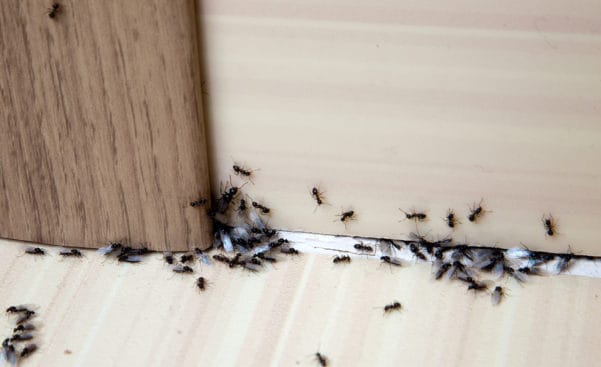
Image Source: www.callnorthwest.com
Fathoming Ant Activity: The Core Causes
Ants are remarkably persistent creatures, driven by a few basic needs: food, water, and shelter. When your kitchen offers these readily, it becomes a prime target.
Food, Glorious Food!
Your kitchen is a veritable smorgasbord for ants. Crumbs left on counters, sticky spills on the floor, open sugar bowls, pet food left out – these are all invitations. Even tiny amounts can attract a scout ant, which then alerts the colony.
Common Food Sources Attracting Ants:
- Sweet substances: Sugar, honey, syrup, jam, fruit juice.
- Greasy and fatty foods: Leftover cooking oils, crumbs from baked goods.
- Pet food: Dry or wet food left in bowls.
- Unsealed food packaging: Cereals, crackers, snacks.
- Trash cans: Especially those with food scraps.
Thirst Quenchers
Just like us, ants need water to survive. Leaky faucets, condensation from refrigerators, standing water in sink drains, or even damp sponges can provide a vital water source.
Water Sources Ants Seek:
- Leaky pipes or faucets.
- Damp sponges or dishcloths.
- Condensation on appliances.
- Pet water bowls.
- Spills that haven’t been cleaned up.
Prime Entry Points
Ants are small enough to squeeze through incredibly tiny openings. Gaps around windows and doors, cracks in the foundation, utility line entry points, and even small holes in walls can serve as access routes.
Typical Entry Points:
- Cracks in walls and foundations.
- Gaps around windows and door frames.
- Where pipes or wires enter the house.
- Vents and utility openings.
Identifying Your Tiny Tenants: Identifying Ant Species
Knowing what kind of ants you’re dealing with can help tailor your approach to exterminating ants. While many ant species look similar, a few common kitchen invaders have distinct characteristics.
The Usual Suspects in Your Kitchen
- Sugar Ants (e.g., Odorous House Ants): These are often small, ranging from dark brown to black. They are attracted to sweets and often leave faint ant trails behind. When crushed, they can emit a distinct, unpleasant odor, hence the “odorous” part of their name.
- Pavement Ants: Typically black or brown, these ants are about 1/8 to 3/8 inch long. They often nest in pavement cracks and can also nest under buildings. They are attracted to a wide range of foods, especially sweets and greasy items.
- Carpenter Ants: These are larger ants, often black or dark brown, sometimes with a reddish tint. Carpenter ants don’t eat wood; they tunnel through it to create nests. While they prefer damp wood, they can infest dry wood as well. You might see them foraging for food in your kitchen, especially at night.
- Pharaoh Ants: These are very small, light-colored ants (pale yellow to reddish brown). They are attracted to sweets, fats, and proteins. They are notorious for being difficult to control because they can spread easily to new areas of a home and develop new colonies.
Table 1: Common Kitchen Ant Species Characteristics
| Ant Species | Size (approx.) | Color | Preferred Food | Nesting Habits |
|---|---|---|---|---|
| Odorous House Ant | 1/8 inch | Dark brown to black | Sweets, grease, dairy | Cracks, voids in walls, under stones |
| Pavement Ant | 1/8 – 3/8 inch | Black or dark brown | Sweets, grease, insects, pet food | Soil, pavement cracks, under buildings |
| Carpenter Ant | 1/4 – 1/2 inch | Black, dark brown, sometimes reddish | Sweets, insects, honeydew, protein | Wood (especially damp), wall voids |
| Pharaoh Ant | 1/16 inch | Pale yellow to reddish brown | Sweets, fats, proteins, grease, all food types | Wall voids, under floors, behind baseboards, etc. |
The Science of the Trail: Following Ant Trails
Ants are social insects that rely on pheromones to communicate. When a scout ant finds a food source, it lays down a chemical trail – a scent highway – for other ants in the colony to follow. These visible ant trails are a clear sign of their presence and can lead you to their entry points and nesting sites.
Why You See Trails
- Scout System: One ant finds food and signals others.
- Efficiency: Trails ensure ants can efficiently travel between the nest and food sources.
- Pheromone Communication: The scent left behind guides the colony.
Tackling Ant Infestations: Strategies for Elimination
Dealing with ant infestations requires a multi-pronged approach, focusing on immediate elimination and long-term prevention.
Immediate Action: Baiting and Traps
Ant baits are often the most effective way to eliminate colonies, especially for sugar ants and other species that forage for sweets. Ants carry the bait back to the nest, feeding it to the queen and other colony members.
How Ant Baits Work
- Attraction: Baits contain a food source that ants find appealing.
- Poison: The food source is mixed with a slow-acting insecticide.
- Transfer: Worker ants consume the bait and carry it back to the nest.
- Colony Elimination: The poison is shared, eventually killing the queen and the rest of the colony.
Important Considerations for Baits:
- Placement: Place baits along known ant trails and near suspected entry points, but out of reach of children and pets.
- Patience: It can take several days to a week for baits to effectively eliminate a colony.
- Avoid Killing: Do not spray insecticides near baits, as this can deter ants from taking the bait back to the nest.
Other Trapping Methods
- Sticky Traps: These can catch ants that wander into them, but they won’t eliminate the colony.
Direct Application: Sprays and Dusts
For visible ants or areas where you want immediate knockdown, sprays and dusts can be used. However, these are generally less effective for complete colony eradication than baits.
Spray Insecticides
- Contact Killers: These kill ants on contact but have little residual effect. They can disrupt foraging trails and kill scout ants.
- Residual Sprays: These leave a chemical barrier that can kill ants for a period after application. Use these around entry points, not on food preparation surfaces.
Ant Dusts
- For Cracks and Crevices: Ant dusts are best used in voids, behind baseboards, and in wall cavities where ants may be nesting. They remain effective for longer periods.
Home Ant Remedies: Natural and DIY Solutions
For those who prefer non-chemical methods, several home ant remedies can be effective, especially for minor invasions or as a supplement to professional treatments.
Effective DIY Solutions
- Vinegar Solution: Mix equal parts white vinegar and water in a spray bottle. Spray directly on ants and wipe down surfaces where you see ant trails. The vinegar disrupts pheromone trails and kills ants.
- Lemon Juice: Similar to vinegar, lemon juice can disrupt trails and repel ants. Spray or wipe down surfaces.
- Peppermint Oil: Ants dislike the strong scent of peppermint. Place a few drops on cotton balls and leave them in areas where ants are seen, or mix with water and spray.
- Cornmeal: Some sources suggest cornmeal can be fatal to ants, though scientific evidence is limited. It’s believed they eat it and then cannot digest it.
- Chalk or Baby Powder: Drawing a chalk line or a line of baby powder can create a barrier that ants are reluctant to cross, as it interferes with their ability to follow pheromone trails.
Table 2: Comparison of Kitchen Ant Control Methods
| Method | Effectiveness (Colony Eradication) | Speed of Action | Safety Concerns | Best For |
|---|---|---|---|---|
| Ant Baits | High | Slow | Keep away from children/pets | Long-term colony control |
| Contact Sprays | Low | Fast | Can deter bait effectiveness, potential fumes | Immediate visible ant reduction |
| Residual Sprays | Moderate | Moderate | Keep away from children/pets, not on food surfaces | Creating barrier treatment, outdoor perimeter |
| Ant Dusts | High | Moderate | Keep away from children/pets, ventilation needed | Wall voids, inaccessible nesting sites |
| Vinegar/Lemon | Low | Fast | None | Disrupting trails, minor cleanup |
| Peppermint Oil | Low | Moderate | None | Repelling ants from specific areas |
Preventing Ants: Keeping Them Out for Good
The best defense against ants is a good offense. Focus on preventing ants from getting into your kitchen in the first place.
Sanitation is Key
- Clean Up Spills Immediately: Don’t let sugary or greasy residues linger.
- Wipe Down Counters and Floors: Regularly clean surfaces where food is prepared or eaten.
- Store Food Properly: Use airtight containers for sugar, cereals, and other dry goods. Keep fruit in the refrigerator or in sealed bowls.
- Empty Trash Regularly: Use bins with tight-fitting lids and take out the trash daily, especially if it contains food scraps.
- Clean Pet Bowls: Wash pet food and water bowls daily. Don’t leave pet food out overnight.
Sealing Entry Points
- Inspect and Seal: Regularly check for cracks and gaps in your home’s exterior and interior. Seal them with caulk or other appropriate materials.
- Windows and Doors: Ensure screens are intact and weather stripping is in good condition.
Water Management
- Fix Leaks: Repair any leaky pipes, faucets, or appliances promptly.
- Dry Surfaces: Keep sinks and countertops dry, especially at night.
Outdoor Prevention
- Trim Vegetation: Keep bushes and trees trimmed back from your home’s exterior, as they can provide bridges for ants.
- Remove Debris: Clear away leaf litter, woodpiles, and other debris from the foundation, as these can harbor ant colonies.
- Inspect Firewood: If you bring firewood inside, inspect it carefully for ants before bringing it into the house.
When Persistent Ants Demand Professional Help
If you’ve tried various home ant remedies and commercial products without success, or if you’re dealing with a widespread ant infestation, it might be time to call a professional pest control service. They have access to more potent treatments and the expertise to identify and eliminate stubborn ant colonies, especially when dealing with persistent ants or hard-to-control species like Pharaoh ants.
Signs You Might Need a Pro:
- Large numbers of ants: If you’re seeing ants in multiple rooms and in significant numbers.
- Carpenter ants: These can cause structural damage, so professional intervention is often recommended.
- Repeated re-infestations: If ants keep coming back despite your efforts.
- Unidentified species: If you can’t figure out what kind of ants you have or where they are coming from.
Frequently Asked Questions (FAQ)
Q: Can I get rid of ants by just killing the ones I see?
A: No, killing individual ants you see on your counters is usually not enough to solve an infestation. Ants are social insects, and the ants you see are typically just a small portion of a much larger colony. To truly get rid of them, you need to eliminate the queen and the rest of the colony, which is best achieved with baits or professional treatments.
Q: How long does it take for ant baits to work?
A: Ant baits usually take several days to a week to be fully effective. The ants need time to consume the bait and carry it back to the nest to share with the colony, including the queen. Be patient, and avoid spraying insecticides near the baits, as this can deter the ants from taking the bait.
Q: Are sugar ants dangerous?
A: Most common sugar ants (like Odorous House Ants) are not dangerous in the sense of biting or stinging aggressively or transmitting diseases. Their main nuisance is their presence in homes and their attraction to food. However, some ant species can bite, and carpenter ants can cause structural damage to your home over time.
Q: What are some effective home ant remedies that don’t involve chemicals?
A: Several natural and DIY methods can help control ants. These include using a mixture of equal parts white vinegar and water as a cleaning spray to disrupt ant trails, using peppermint oil, lemon juice, or drawing chalk lines as barriers. Remember these are often more effective for minor issues or as supplementary measures.
Q: My ants keep coming back. What can I do about persistent ants?
A: Persistent ants can be tricky. It often means you haven’t found the primary nest, the entry points are too numerous, or the colony has multiple queens. In such cases, it’s often best to consult a professional pest control service. They can conduct a thorough inspection to identify the root cause and apply more effective treatments.
Q: What is the best way to clean up ant trails?
A: The best way to clean up ant trails is to use a cleaning solution that not only removes the visible ants but also erases the pheromone trail they leave behind. A solution of equal parts white vinegar and water is highly recommended for this purpose. You can also use soapy water. Wiping these solutions over the trails will make it harder for other ants to follow.
Q: What are the signs of a carpenter ant problem?
A: Signs of carpenter ants include seeing larger ants (about 1/4 to 1/2 inch long) in your kitchen, especially at night. You might also find small piles of sawdust-like material (called frass) near their entry points, which are produced when they excavate wood for their nests. While they forage for food, their primary concern is the wood in your home.
By following these tips for kitchen ant control, you can effectively address current ant infestations and create a less inviting environment for these unwelcome guests. Remember that consistent sanitation and sealing entry points are your best long-term strategies for preventing ants and keeping your kitchen pest-free.