
A kitchen island’s perfect height depends on its primary function, with counter-height islands typically around 36 inches, bar-height islands around 42 inches, and seating-height islands around 30 inches. This guide will delve into the nuances of kitchen island heights, helping you choose the ideal dimension for your culinary space.
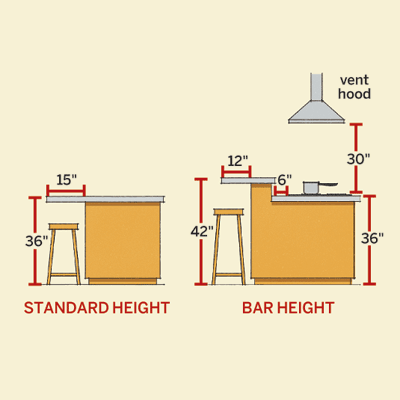
Image Source: kikiinteriors.com
Defining Your Kitchen Island’s Purpose
The height of your kitchen island is not just an aesthetic choice; it’s fundamentally linked to how you’ll use it. Think about the activities that will take place around this central hub of your kitchen. Will it be a place for quick snacks, full meal preparation, or casual dining with friends and family? Your answer will guide you toward the perfect kitchen island height.
The Multifaceted Role of Kitchen Islands
Modern kitchens are more than just spaces for cooking. They are social hubs, informal dining areas, and extended workspaces. A well-designed kitchen island can enhance all these aspects.
- Preparation Surface: A sturdy and appropriately sized island provides valuable counter space for chopping vegetables, mixing ingredients, and plating meals.
- Dining Area: Islands can serve as casual breakfast bars or even primary dining spots for smaller households.
- Storage Solution: Many islands incorporate drawers, cabinets, and shelves, offering much-needed storage for pots, pans, appliances, and more.
- Social Gathering Point: Islands often become the natural gathering place for family and guests while meals are being prepared, fostering interaction.
- Work Triangle Integration: A strategically placed island can improve the efficiency of your work triangle island, ensuring smooth movement between the refrigerator, sink, and stove.
Standard Kitchen Island Dimensions: A Foundation
While customization is key, understanding standard kitchen island dimensions provides a helpful starting point. These general guidelines ensure a balance of functionality and proportion within most kitchen layouts.
Height Considerations: The Vertical Dimension
The height of your island dictates its primary use and the type of seating that can comfortably accompany it.
- Counter Height Islands (36 inches): This is the most common height for kitchen islands. It aligns with standard countertop heights in most kitchens, making it versatile for both prep work and casual seating.
- Bar Height Islands (42 inches): These taller islands are designed specifically for bar stool seating and offer a more distinct separation between the preparation area and the seating area. They are ideal for creating a dedicated social zone.
- Seating Height Islands (30 inches): These islands are lower, often resembling a dining table. They are perfect for integrated dining nooks or when the primary use is seated dining rather than standing prep.
Width and Length: The Horizontal Footprint
Beyond height, the kitchen island length and kitchen island depth are crucial for functionality and flow.
- Minimum Depth: A functional kitchen island generally needs a minimum depth of 24 inches for base cabinets. However, to accommodate an kitchen island overhang for seating, you’ll need to add more depth. A common total depth for seating is around 36 inches (24 inches for cabinets plus 12 inches for overhang).
- Minimum Length: The length will depend on your kitchen size and intended use. For a purely decorative island, 4 feet might suffice. For an island with substantial prep space and seating, 7-8 feet or more is common.
Clearance: Ensuring Smooth Movement
Adequate clearance around your island is paramount for a safe and functional kitchen.
- Island to Counter Clearance: Aim for at least 42 inches of clearance between the island and surrounding countertops or appliances. This allows for comfortable movement, opening cabinet doors, and maneuvering appliances. In high-traffic areas, 48 inches is even better.
Decoding Different Kitchen Island Heights
Let’s explore the specific characteristics and benefits of each common kitchen island height.
Counter Height Islands (36 inches)
The counter height island is the workhorse of the kitchen island world. Its universal height makes it a seamless extension of your existing countertops.
Benefits of Counter Height Islands
- Seamless Prep Space: Easily transition from chopping ingredients on your island to placing them in a pot on the adjacent stove without any awkward height changes.
- Versatile Seating: Accommodates standard counter stools. The height allows for comfortable conversation with those working in the kitchen, whether they are seated or standing.
- Flow and Cohesion: Visually integrates with the rest of your kitchen cabinetry, creating a unified and open feel.
- Ideal for the Work Triangle: A counter-height island can be placed to optimize the work triangle island, ensuring easy access to the sink, refrigerator, and stove.
Seating with Counter Height Islands
When opting for a counter-height island, the type of seating matters.
- Counter Stools: These typically have a seat height of around 24-26 inches. This provides the perfect amount of legroom and comfortable seating at a 36-inch high island.
- Considerations for Overhang: To comfortably seat people at a counter-height island, you’ll need an kitchen island overhang. A 12-inch overhang is generally considered the minimum for comfortable seating, allowing knees and legs to tuck underneath. If you plan for more substantial seating or people to eat meals here, a 15-inch overhang is preferable.
When to Choose Counter Height
- Your primary goal is maximizing prep space and having a functional extension of your existing countertops.
- You want a casual spot for quick meals or snacks that feels integrated with the kitchen.
- You prefer a unified look throughout your kitchen design.
Bar Height Islands (42 inches)
The bar height island elevates your kitchen experience, literally. This taller option creates a distinct dining or social area.
Benefits of Bar Height Islands
- Defined Social Zone: The extra height creates a clear separation and a more formal bar-like atmosphere, perfect for entertaining.
- Enhanced Seating Comfort: Ideal for those who prefer to sit higher, mimicking the feel of a traditional bar.
- Improved Ergonomics for Some Tasks: For those who find standard countertops too low for certain tasks, a slightly higher surface can be more comfortable.
Seating with Bar Height Islands
- Bar Stools: Bar stools are designed for 42-inch high surfaces and typically have a seat height of 28-30 inches. This allows for adequate legroom and a comfortable perch.
- Overhang Requirements: For seating at a bar-height island, a 12-inch kitchen island overhang is usually sufficient for comfortable legroom.
When to Choose Bar Height
- You envision your island as a primary spot for casual dining or entertaining guests.
- You prefer the look and feel of a bar or a higher perch for seating.
- You want to create a distinct zone within your open-concept kitchen.
Seating Height Islands (30 inches)
The seating height island brings the comfort and familiarity of a dining table into your kitchen.
Benefits of Seating Height Islands
- Dining Table Feel: Offers a comfortable and familiar height for sit-down meals, akin to a dining table.
- Accessibility: Can be more accessible for children or individuals who find higher surfaces challenging.
- Flexibility: Can serve as a crafting table or homework station for kids.
Seating with Seating Height Islands
- Dining Chairs or Stools: Standard dining chairs or stools with seat heights of around 18-20 inches work perfectly with a 30-inch island.
- Overhang Considerations: For comfortable seating at a dining-height island, a 15-inch kitchen island overhang is recommended. This provides ample legroom and prevents knees from bumping into the island’s base.
When to Choose Seating Height
- Your island will primarily function as a dining area.
- You want a comfortable and accessible spot for family meals or homework.
- You’re aiming for a more relaxed, informal kitchen atmosphere.
Choosing the Right Height: Factors to Consider
Beyond the basic functions, several other factors influence the ideal kitchen island height.
Your Own Height and the Height of Your Household
- Personal Comfort: If you are particularly tall or short, you might find standard heights less comfortable. Consider a custom height that suits your personal ergonomics.
- Family Needs: Think about who will be using the island most often. If children will be using it regularly for homework or meals, a lower height might be more practical.
Kitchen Layout and Workflow
- Work Triangle Efficiency: Ensure the island’s placement and height don’t disrupt the flow of your work triangle island. Easy movement between workstations is critical.
- Traffic Patterns: The height can influence how people navigate around the island. A higher island might feel more like a barrier in a very tight space.
Material Choices and Thickness
- Countertop Material: The thickness of your chosen countertop material will add to the overall height. A thick butcher block or a chunky granite slab will add inches. Factor this into your base cabinet height selection.
- Cabinetry Design: The design of your island’s base cabinets – whether they are standard depth or custom – will affect the overall kitchen island depth and can influence the perceived height.
The Impact of Level Changes
If your kitchen has different floor levels, consider how the island’s height will relate to those changes. A consistent height across different zones generally creates a more cohesive feel.
Kitchen Island Overhang: Maximizing Seating Comfort
The kitchen island overhang is the portion of the countertop that extends beyond the base cabinets. It’s essential for comfortable seating.
Standard Overhangs for Seating
| Island Height | Recommended Overhang | Seating Type | Comfortable Use |
|---|---|---|---|
| Counter Height (36″) | 12 inches | Counter Stools | Casual seating, quick meals |
| Bar Height (42″) | 12 inches | Bar Stools | Casual dining, socializing |
| Seating Height (30″) | 15 inches | Dining Chairs/Stools | Full meals, extended seating, homework |
Factors Influencing Overhang Depth
- Knee Room: The primary goal of an overhang is to provide adequate knee and leg room. Too little overhang, and guests will be uncomfortably close to the cabinet base.
- Aesthetics: A deeper overhang can create a more substantial and visually appealing island.
- Structural Support: For overhangs exceeding 12-15 inches, you may need additional structural support, such as hidden brackets or a reinforced base. Consult with your contractor or cabinet maker.
Kitchen Island Depth and Length: Balancing Functionality
The kitchen island depth and kitchen island length are critical for usability and proportion within your kitchen.
Finding the Right Kitchen Island Depth
- Base Cabinets: Standard base cabinets are typically 24 inches deep.
- Seating and Overhang: If you plan for seating, you’ll need to add the overhang depth. A 12-inch overhang on a 24-inch deep cabinet results in a 36-inch total depth.
- Appliance Integration: If you plan to incorporate appliances like a dishwasher or microwave drawer into your island, ensure the depth accommodates these units, which often require 24 inches of space.
- Overall Flow: A deeper island can provide more workspace but can also reduce walkway clearance. Balance your needs with your kitchen’s footprint.
Determining the Ideal Kitchen Island Length
- Kitchen Size: The length of your island should be proportionate to the size of your kitchen. A massive island in a small kitchen will feel cramped and impede movement.
- Intended Use: A longer island can accommodate more seating, more prep space, or specialized features like a sink or cooktop.
- Aesthetic Balance: The length should complement the other elements of your kitchen, such as cabinet runs and appliance placement.
Island to Counter Clearance: Maintaining Flow
The island to counter clearance is one of the most critical aspects of kitchen design for functionality and safety.
Essential Clearance Guidelines
- Primary Walkways: Aim for a minimum of 42 inches in primary walkways where people will be walking and opening doors. This allows for comfortable passage and the opening of appliance doors and cabinet drawers.
- Secondary Areas: In less trafficked areas or areas where no doors will be opened, 36 inches might be acceptable, but 42 inches is generally recommended for optimal flow.
- Work Triangle Island: When planning your work triangle island, ensure that the clearance between the island and your other workstations (sink, stove, refrigerator) allows for efficient movement without feeling congested.
When to Increase Clearance
- High-Traffic Kitchens: If your kitchen is a central hub for a large family or frequently used for entertaining, consider increasing clearances to 48 inches for smoother traffic flow.
- Appliance Doors: If you have oven doors, dishwasher doors, or refrigerator doors that open towards the island, you’ll need ample space for them to swing open fully.
Material Matters: Affecting Height and Aesthetics
The materials you choose for your island’s countertop and base can influence the overall height and aesthetic.
Countertop Materials and Their Thickness
- Granite, Quartz, Marble: These natural and engineered stones typically come in slabs of 3 cm (about 1.2 inches) or 2 cm (about 0.8 inches). They are often further enhanced with a laminated edge to create a thicker appearance.
- Butcher Block: Butcher block countertops can vary significantly in thickness, from 1.5 inches to 3 inches or more. Thicker butcher block will add considerable height to your island.
- Laminate: Laminate countertops are generally thinner, often around 1.5 inches.
- Concrete: Concrete countertops can be cast to custom thicknesses, usually ranging from 1.5 to 2 inches.
Base Cabinetry and Support Structures
- Standard Base Cabinets: Most standard kitchen base cabinets are 34.5 inches tall, designed to be topped with a 1.5-inch countertop for a total height of 36 inches.
- Custom Cabinetry: For specific heights like 42 inches or 30 inches, custom base cabinets will be necessary.
- Support Systems: For islands with large overhangs or specialized features, additional support structures like steel brackets or reinforced cabinetry might be needed, which can also affect the overall dimensions.
Popular Island Configurations by Height
Let’s visualize how different heights translate into common kitchen island setups.
Configuration 1: The Classic Counter Height Prep and Dine Island
- Height: 36 inches
- Depth: 36 inches (24-inch cabinets + 12-inch overhang)
- Length: 6-8 feet
- Seating: 3-4 counter stools (24-26 inch seat height)
- Primary Use: Meal preparation, casual dining, social gathering.
Configuration 2: The Sophisticated Bar Height Entertainment Island
- Height: 42 inches
- Depth: 36 inches (24-inch cabinets + 12-inch overhang)
- Length: 7-9 feet
- Seating: 4-5 bar stools (28-30 inch seat height)
- Primary Use: Entertaining, casual dining, serving drinks and appetizers.
Configuration 3: The Cozy Dining Height Island
- Height: 30 inches
- Depth: 40 inches (25-inch cabinets + 15-inch overhang)
- Length: 5-7 feet
- Seating: 4-6 dining chairs or stools (18-20 inch seat height)
- Primary Use: Family meals, homework station, casual gathering space.
Customizing Your Island Height: When Standard Isn’t Enough
While standard heights offer a good starting point, your ideal kitchen island height might be custom.
Reasons for Customization
- Ergonomic Needs: As mentioned, personal height or specific physical needs might necessitate a non-standard height.
- Unique Kitchen Layouts: Unusual kitchen dimensions or architectural features might call for a custom-sized island.
- Specific Functional Requirements: If you plan to integrate specialized appliances or features that dictate a particular height, custom solutions are often necessary.
- Aesthetic Vision: You might simply have a clear vision for your kitchen that a standard island height doesn’t fulfill.
Working with Professionals
When considering a custom island height, collaborate closely with your kitchen designer, cabinet maker, or contractor. They can help you navigate the practicalities of construction, ensure structural integrity, and achieve the desired aesthetic and functionality.
Frequently Asked Questions About Kitchen Island Height
Here are some common questions people have about kitchen island heights:
Q1: What is the most popular kitchen island height?
A1: The most popular kitchen island height is 36 inches, which is standard counter height. This height offers a good balance for meal preparation and casual seating.
Q2: Can I have different heights on the same island?
A2: Yes, it’s possible to create a multi-level island with different heights. For example, one section could be 36 inches for prep work, and another section could be 42 inches for bar seating. This requires careful design and construction to ensure a smooth transition and adequate support.
Q3: How much overhang do I need for seating?
A3: For comfortable seating, a kitchen island overhang of at least 12 inches is recommended for counter-height (36″) and bar-height (42″) islands. For dining-height (30″) islands, a 15-inch overhang provides better legroom.
Q4: What is the standard kitchen island size?
A4: There isn’t one single “standard” size for all kitchen islands, but common dimensions for standard kitchen island dimensions often start around 4 feet long and 3 feet deep. However, they can range significantly depending on the kitchen size and intended use.
Q5: How much space should I leave between my island and cabinets?
A5: The recommended island to counter clearance is typically 42 inches to allow for easy movement and the opening of appliance doors. In busier kitchens or tighter spaces, more clearance may be beneficial.
Q6: What is the difference between a counter height island and a bar height island?
A6: A counter height island is typically 36 inches tall, matching standard kitchen countertops. A bar height island is taller, around 42 inches, and is designed for bar stool seating, creating a distinct bar-like feel.
By carefully considering the intended use, the ergonomics of your household, and the overall kitchen layout, you can select the perfect kitchen island height to enhance both the functionality and beauty of your culinary space.