
What is the ideal height for a living room lamp? The ideal height for a living room lamp depends on its purpose and placement, generally aiming to direct light where you need it without creating glare or being too low to be useful. A good rule of thumb is that the bottom of the lampshade should be at or just below eye level when you’re seated.
Choosing the right lamp height for your living room is like picking the perfect accent for an outfit – it completes the look and makes everything feel just right. Too short, and it looks lost; too tall, and it can feel overwhelming. This guide will help you master the art of living room lamp height, ensuring your space is both stylish and functional. We’ll delve into the nuances of floor lamp height, living room lighting height, accent lamp height, and table lamp height to help you find the optimal lamp height for every corner of your home.
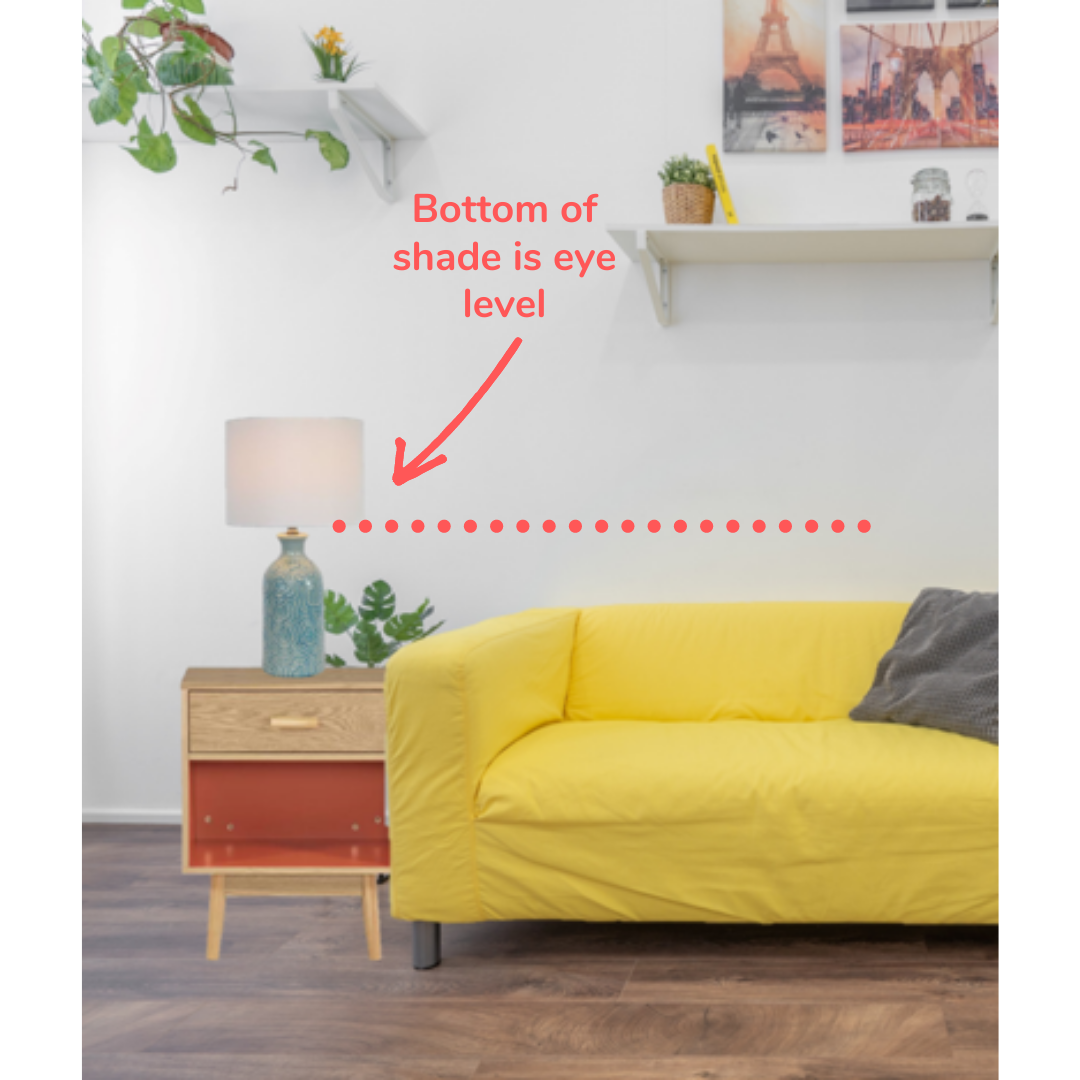
Image Source: images.squarespace-cdn.com
The Fundamentals of Lamp Height
Before we dive into specifics, let’s establish some core principles. Lighting isn’t just about brightness; it’s about creating mood, highlighting features, and ensuring comfort. The height of your lamp plays a crucial role in how it achieves these goals.
Why Lamp Height Matters
- Illumination Control: The height of a lamp dictates where its light falls. A taller lamp might cast a wider pool of light, suitable for general illumination, while a shorter lamp might focus light downward, ideal for task lighting.
- Aesthetics and Proportion: A lamp that’s the correct height complements the scale of your furniture and the overall room proportions. A lamp that’s too short can make a room feel unbalanced, while one that’s too tall can dominate the space.
- Comfort and Glare Reduction: The wrong lamp height can lead to glare, which is uncomfortable for your eyes. When a light source is too low, it can shine directly into your line of sight. Conversely, a light that’s too high might not provide adequate task lighting.
General Guidelines for Living Room Lighting Height
While there are no rigid rules, a few general guidelines can steer you in the right direction:
- Seated Eye Level: For most lamps used for general lighting or reading, the bottom of the lampshade should typically fall at or slightly below seated eye level. This ensures comfortable light for activities like reading or conversing without harsh glare.
- Task Lighting: For lamps specifically intended for tasks like reading, the light source should be positioned directly over or beside the activity, typically around 15-20 inches above the surface you’re working on.
- Ambiance: For lamps designed to create mood or lamp height for ambiance, you have more flexibility. Taller lamps can create a warm glow that washes up walls, while smaller lamps can provide intimate pools of light.
Mastering Table Lamp Height
Table lamp height is perhaps the most common consideration for living room lighting. These lamps sit on side tables, console tables, or even coffee tables and serve multiple purposes, from providing task lighting to adding decorative flair.
Table Lamps and Seating Height
When placing a table lamp next to a sofa or armchair, consider the height of the seating.
- General Rule: The bottom of the lampshade should be roughly 15-20 inches above the surface of the table. This allows the light to flow over your book or activity without being too direct.
- Shade to Armrest: Another helpful comparison is to align the bottom of the lampshade with the top of the armrest of the sofa or chair. This creates a visually balanced and functional lighting setup.
- Table Height: The height of the table itself also influences the overall lamp height. A taller table will naturally require a shorter lamp to achieve the same seated eye-level effect.
Table 1: Table Lamp Height Recommendations
| Furniture Type | Table Height (Approx.) | Recommended Table Lamp Height (Base to Finial) | Lampshade Bottom Height (from Table Surface) | Purpose |
|---|---|---|---|---|
| End Table | 20-26 inches | 20-30 inches | 15-20 inches | Task lighting, general ambiance |
| Coffee Table | 16-18 inches | 20-24 inches | 10-15 inches | Accent lighting, low-level ambiance |
| Console Table | 28-32 inches | 26-36 inches | 20-25 inches | Accent lighting, ambient glow |
Note: These are approximate heights and can vary based on the specific furniture and your personal preferences.
The Crucial Role of the Lampshade
The lampshade is not just decorative; it significantly impacts how light is distributed.
- Shade Size: A shade that is too narrow will restrict light, making it less effective for reading. A shade that is too wide might make the lamp look disproportionate. The shade diameter should generally be about 75% of the height of the lamp base.
- Shade Opacity: Opaque shades direct light downwards and upwards, while translucent shades diffuse light more softly. For task lighting, a shade that allows light to spill downwards is essential.
Balancing Table Lamps with Furniture
Consider the overall room proportions when selecting table lamps.
- Scale: A small, delicate lamp can get lost next to a large, overstuffed sofa. Conversely, a bulky lamp might overwhelm a slim side table. Aim for a lamp that visually balances the furniture it accompanies.
- Symmetry vs. Asymmetry: In a formal living room, you might place matching table lamps on either side of a sofa for symmetry. In a more casual setting, you might use different lamps for a more eclectic feel.
Elevating with Floor Lamp Height
Floor lamp height is a significant factor in defining the lighting hierarchy of a living room. These versatile lamps can provide ambient light, task lighting, or serve as statement pieces.
Types of Floor Lamps and Their Height Considerations
- Torchiere Lamps: These lamps direct light upwards, often bouncing off the ceiling to create a broad, diffused glow. Their height is less critical for direct illumination but more about their visual presence. A height of 5 to 6 feet is common, allowing the light to spread effectively.
- Arc Lamps: Arc lamps are designed to extend over seating areas, bringing light directly to where it’s needed. The height of the arc is crucial for functionality. Ensure the arc is high enough to clear your head when seated and the light source is positioned above your book or activity. Many adjustable floor lamp models offer varying heights and reach.
- Reading Lamps: Specifically designed for lamp placement for reading, these floor lamps often have adjustable arms and heads. Their ideal height allows the light source to be positioned directly over the reader’s shoulder or beside them, typically around 48-60 inches from the floor to the bulb, with the shade positioned close to the reading material.
- Tripod Lamps: These are often decorative and can range in height. Consider their scale relative to your furniture. A taller tripod lamp can anchor a corner or illuminate a larger space.
Determining the Optimal Floor Lamp Height
- Ceiling Height: In rooms with high ceilings, a taller floor lamp (6 feet or more) can help fill the vertical space and prevent the room from feeling cavernous. In rooms with lower ceilings, opt for lamps that are around 5 to 5.5 feet to avoid making the room feel cramped.
- Furniture Clearance: Ensure the lamp doesn’t obstruct pathways or feel too imposing. When placed next to a sofa or chair, the top of the lampshade should ideally be around eye level or slightly higher.
- Purpose: For general ambient light, a torchiere lamp that reaches about two-thirds the height of the wall can be effective. For reading, an adjustable floor lamp offers the most flexibility, allowing you to position the light precisely where you need it.
Table 2: Floor Lamp Height Considerations
| Lamp Type | Typical Height Range | Best Use | Key Height Factor |
|---|---|---|---|
| Torchiere | 5-6.5 feet | Ambient, general illumination | Light distribution upwards and outwards |
| Arc Lamp | Varies (adjustable) | Task lighting over seating, statement piece | Arc reach and height to clear seating/headspace |
| Adjustable Reading | 4.5-6 feet (flexible) | Dedicated reading light | Light source position relative to reader |
| Tripod | 4.5-6 feet | Ambient, accent, decorative | Scale and visual balance with furniture |
The Impact of Floor Lamps on Ambiance
Lamp height for ambiance can be significantly influenced by floor lamps. A tall, slender floor lamp can create an elegant upward glow, while a shorter, wider floor lamp might cast a warmer, more localized light. The floor lamp scale is crucial here – it should feel substantial enough to be a presence but not so large that it overwhelms the room.
Accent Lamp Height: Adding Pockets of Light
Accent lamp height is all about adding subtle touches of light to highlight specific areas or objects in your living room. These are often smaller lamps, used on shelves, mantels, or console tables.
Where to Place Accent Lamps
- Shelving: On bookshelves, a small lamp can illuminate a collection or a favorite book. The height here is less about reading and more about creating visual interest.
- Mantels: A pair of smaller accent lamps can flank a fireplace or a piece of art on a mantelpiece, adding warmth and drawing attention to the focal point.
- Sideboards and Console Tables: These lamps can provide a welcoming glow at an entryway or add a decorative touch to a long surface.
The Nuances of Accent Lamp Size
- Proportion is Key: The height of an accent lamp should be in proportion to the object it’s near. A tiny lamp on a large console table will look out of place.
- Avoid Obstruction: Ensure the lamp doesn’t block views of artwork or other decorative items.
- Soft Illumination: Accent lamps are typically not for task lighting. Their purpose is to provide a gentle, atmospheric light, so their height should facilitate this diffused effect.
Layering Light for a Balanced Living Room
A well-lit living room isn’t about one perfect lamp; it’s about using multiple light sources at different heights to create a dynamic and functional environment. This is where the concept of living room lighting height truly shines.
The Three Layers of Lighting
- Ambient Lighting: This is the overall illumination in a room, providing a base level of light. Torchiere floor lamps, ceiling fixtures, and even well-placed table lamps can contribute to ambient light.
- Task Lighting: This is focused light for specific activities like reading, crafting, or working. Reading floor lamps and table lamps placed beside seating are prime examples.
- Accent Lighting: This highlights architectural features, artwork, or decorative objects. Smaller lamps on shelves or spotlights are typical accent lights.
Achieving Balance Through Height Variation
By incorporating lamps of varying heights, you create visual interest and ensure that light is available for every need.
- Floor Lamps: Provide general illumination or direct light downwards from a higher vantage point.
- Table Lamps: Offer light at seated height, perfect for reading or adding a warm glow to side areas.
- Smaller Accent Lamps: Add subtle light at lower or mid-level heights, enhancing decorative elements.
Consider an adjustable floor lamp as a versatile addition that can bridge the gap between task and ambient lighting, adapting to different needs throughout the day.
Frequently Asked Questions (FAQ)
Q1: What is the ideal height for a table lamp next to a sofa?
A1: The bottom of the lampshade should ideally be about 15-20 inches above the surface of the table. This usually means the lampshade bottom is around the same height as the armrest of the sofa.
Q2: Can I use a very tall floor lamp in a room with low ceilings?
A2: While you can, it’s generally best to avoid lamps that are excessively tall in rooms with low ceilings. A lamp that reaches too close to the ceiling can make the room feel smaller. Opt for lamps that are around 5 to 5.5 feet.
Q3: How do I determine the right scale for a floor lamp?
A3: The floor lamp scale should be proportionate to your furniture. A large sofa might need a taller, more substantial floor lamp, while a smaller armchair can be paired with a more delicate lamp. Consider the visual weight and presence of both the lamp and the furniture.
Q4: What is the best lamp height for reading?
A4: For lamp placement for reading, the light source should be positioned close to your reading material, typically around 15-20 inches above the page. This is often achieved with an adjustable floor lamp or a table lamp positioned at the correct height relative to your seating.
Q5: How does lamp height affect ambiance?
A5: The lamp height for ambiance is critical. Taller lamps can cast a wider, softer glow that washes walls or ceilings, creating a general sense of warmth. Shorter lamps or those with focused shades create more intimate pools of light, perfect for cozy corners.
Q6: Are there specific rules for lamp height in relation to room proportions?
A6: Yes, the concept of room proportions lamp placement is about visual balance. A lamp that is too small can look insignificant, while one that is too large can overpower the space. Aim for a lamp that feels like a natural extension of the furniture and the room’s overall scale.
Q7: What makes an adjustable floor lamp useful?
A7: An adjustable floor lamp is useful because it offers flexibility. You can change the height and angle of the light, making it suitable for various tasks, from reading to general illumination, adapting to different seating arrangements and user needs.
By considering these guidelines for floor lamp height, table lamp height, and accent lamp placement, you can ensure your living room is not only beautifully lit but also perfectly balanced and functional.