
A persistent, unpleasant odor from your kitchen sink drain can be a real nuisance. Can you eliminate odor from your kitchen sink drain fast? Yes, you absolutely can, and often with simple, readily available household items. This guide will walk you through effective methods for tackling those smelly pipes and restoring freshness to your kitchen. We’ll cover why these odors occur, how to clean your drains, and preventative measures to keep them smelling fresh.
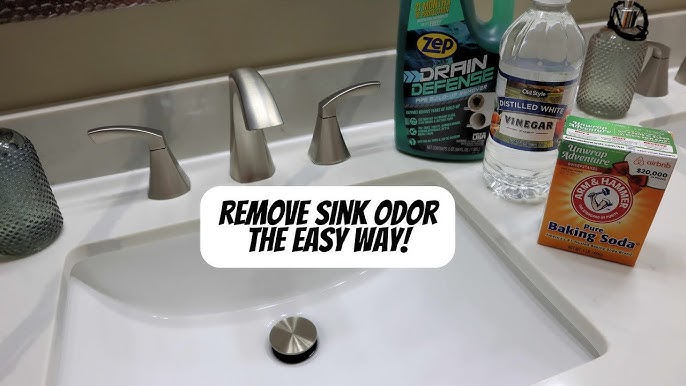
Image Source: i.ytimg.com
Why Does My Kitchen Sink Drain Smell?
The root cause of that unpleasant smell is usually a buildup of organic matter within your drainpipes. Think about what goes down your sink every day: food scraps, grease, soap scum, and even small bits of hair. These items don’t always get flushed away completely and can start to decompose. This decomposition process releases gases that are the source of the foul smell.
Common Culprits Behind Sink Odors
- Grease Buildup: This is a major offender. When hot grease or oil is poured down the drain, it appears liquid. However, as it cools, it solidifies and clings to the inside of your pipes. This sticky surface traps other debris, creating a perfect breeding ground for bacteria and the resulting odor.
- Food Scraps: Small particles of food, especially soft ones like vegetable peels, coffee grounds, and bits of meat, can get lodged in the drain. Bacteria love to feast on these, leading to the release of methane and other unpleasant gases.
- Soap Scum: While it might seem harmless, soap, especially bar soap, leaves behind a residue. This residue can combine with hard water minerals and other debris, creating a thick film that traps odors.
- Bacteria and Mold Growth: The moist, dark environment inside your drainpipes is ideal for bacteria and mold to thrive. As they multiply, they break down organic matter, producing sulfurous compounds that cause that characteristic rotten-egg or sewage-like smell.
- Trapped Air and Sewer Gases: Sometimes, the odor isn’t directly from decomposition within the pipe but from gases coming up from the main sewer line. A properly functioning P-trap (the U-shaped pipe under your sink) holds water to create a seal that prevents these gases from entering your home. If the P-trap is dry or clogged, these gases can escape.
- Clogged Drain Issues: A partial or complete clogged drain will trap water and debris for longer periods, accelerating the decomposition process and exacerbating the foul smell. Sink unblocking is crucial when this happens.
Quick Fixes: Baking Soda and Vinegar for a Fresh Drain
One of the most popular and effective ways to eliminate odor from your kitchen sink drain is using a combination of baking soda and vinegar. This classic duo is a powerful natural deodorizer and can help with minor clogs and pipe cleaning.
The Magic Duo: Baking Soda and Vinegar
- Baking Soda: This is a mild alkali. It’s great at absorbing odors and can help break down some types of grime.
- Vinegar: This is an acid. When it reacts with baking soda, it creates a fizzy, bubbling reaction. This reaction can help to loosen debris and dislodge buildup in your pipes.
How to Use Baking Soda and Vinegar
This method is simple and requires just a few steps:
- Pour Baking Soda: Start by pouring about half a cup to a full cup of baking soda directly down the drain. Try to get as much as possible to go into the drain opening.
- Add Vinegar: Next, pour an equal amount of white vinegar (about half a cup to a cup) over the baking soda. You’ll immediately notice a fizzing and bubbling reaction. This is a good sign it’s working!
- Let it Sit: Cover the drain opening with a stopper or a wet cloth to keep the reaction contained and directed downwards into the pipes. Let this mixture sit and work its magic for at least 15-30 minutes. For tougher odors, you can leave it for an hour.
- Flush with Hot Water: After the waiting period, pour a kettle of boiling hot water down the drain. This will help flush away the loosened debris and any remaining baking soda and vinegar residue.
This process acts as an excellent initial drain freshener and can be repeated weekly to maintain a clean and odor-free sink.
Deeper Cleaning Methods for Stubborn Smells
While the baking soda and vinegar method is great for maintenance and mild odors, sometimes you need something a little more robust for serious grease buildup or persistent foul smells.
Boiling Water Flush
A simple yet effective way to combat minor odors and flush out some grease buildup is a good old boiling water flush.
- Procedure: Boil a kettle full of water. Slowly and carefully pour the boiling water directly down the drain. Do this in stages, allowing the hot water to work its way through the pipes.
- Benefits: Hot water can help melt and liquefy solidified grease, making it easier to wash away. It’s also a good first step before other cleaning methods.
Caution: Avoid this method if you have PVC pipes that are old or brittle, as extreme heat can potentially damage them. For most standard PVC and metal pipes, it’s generally safe.
Using Dish Soap and Hot Water
Dish soap is designed to cut through grease. Harnessing its power can be very effective for drain cleaning.
- Squirt Dish Soap: Squirt a generous amount of liquid dish soap (about a quarter cup) down the drain.
- Follow with Hot Water: Immediately follow with a kettle of very hot (but not necessarily boiling) water.
- Let it Sit: Allow the soap and water to sit in the pipes for about 20-30 minutes to break down grease.
- Flush Again: Flush with more hot water.
The Power of Lemon
The citric acid in lemons can help cut through grease and grime, and their natural scent provides a pleasant drain freshener.
- Lemon Peels: Save lemon peels from your cooking or juicing.
- Grind or Blend: Place the peels in a blender or food processor and grind them up. You can add a little water to help create a paste.
- Pour Down Drain: Pour this lemon paste down your sink drain.
- Follow with Hot Water: Flush with hot water.
Alternatively, you can simply squeeze the juice of a lemon down the drain and follow with hot water.
Tackling More Persistent Odors and Clogs
When the above methods don’t fully resolve the issue, it might indicate a more significant buildup or a developing clogged drain.
Enzyme Drain Cleaners
Enzyme drain cleaners are a gentler, more environmentally friendly alternative to harsh chemical drain cleaners. They contain specific enzymes that “eat” organic waste like food particles and grease.
- How they Work: The enzymes break down the waste into simpler compounds that can be easily flushed away. They are particularly effective for slow drains and persistent odors caused by organic buildup.
- Usage: Follow the product instructions carefully. Typically, you pour the recommended amount down the drain and leave it overnight, allowing the enzymes to work. Then, flush with water.
- Benefits: They are safe for most types of pipes and are biodegradable. They are a good choice for regular pipe cleaning and maintenance.
Borax as a Natural Deodorizer and Cleaner
Borax, or sodium tetraborate, is a naturally occurring mineral that has cleaning and deodorizing properties.
- Mix: Mix about half a cup of borax with half a cup of baking soda.
- Pour: Pour this mixture down the drain.
- Add Hot Water: Follow with a kettle of hot water.
- Wait and Flush: Let it sit for at least 30 minutes (or longer for tougher jobs), then flush with more hot water.
Borax can help break down grease and remove odors, making it an effective natural deodorizer.
Dealing with a Clogged Drain
If the odor is accompanied by slow draining or standing water, you likely have a clogged drain. Addressing the clog is essential for eliminating the smell.
Plunger Power
A good old-fashioned sink plunger can be surprisingly effective for minor to moderate clogs.
- Create a Seal: Ensure there’s enough water in the sink to cover the rubber cup of the plunger. If the sink is empty, add some water. If you have a double sink, block the other drain opening with a wet cloth to create a better seal.
- Plunge Vigorously: Place the plunger over the drain opening and pump it up and down forcefully several times.
- Check Drainage: Remove the plunger and see if the water drains. You may need to repeat the plunging process several times.
The Drain Snake (Auger)
For more stubborn clogs, a drain snake, also known as a plumber’s auger, is an excellent tool.
- How it Works: This flexible metal cable is fed into the drainpipe. When it reaches the clog, you can twist the handle to break up or hook the blockage, allowing you to pull it out.
- Usage: Slowly feed the snake into the drain until you encounter resistance. Once you feel the clog, rotate the handle to engage the snake with the blockage. Gently pull the snake back, bringing the clog with it. Flush the drain thoroughly with hot water afterward.
- Benefits: This is a highly effective method for physical blockages like hair or accumulated debris. It’s a key tool for sink unblocking.
Preventing Future Odors and Maintaining Your Drains
The best way to deal with a smelly drain is to prevent the odor from developing in the first place. Consistent maintenance is key.
Smart Kitchen Habits
- Scrape Plates: Before rinsing dishes, scrape all food scraps into the trash or compost bin.
- No Grease Down the Drain: Never pour grease, oil, or fat down the sink. Instead, let it cool, solidify, and then dispose of it in the trash. You can also collect it in a dedicated container.
- Use a Drain Strainer: Place a mesh drain strainer in your sink to catch food particles and other debris. Empty the strainer regularly into the trash.
- Run Cold Water When Grinding: If you have a garbage disposal, always run cold water while using it and for about 15-20 seconds afterward. This helps solidify any grease so the disposal can process it more effectively.
- Avoid Certain Foods: Some foods, like coffee grounds, pasta, rice, and eggshells, can easily contribute to clogs and odors. Minimize what goes down the drain.
Regular Drain Maintenance
- Weekly Flush: Once a week, pour a kettle of boiling water down the drain to help melt away any minor grease buildup.
- Monthly Baking Soda & Vinegar: Perform the baking soda and vinegar treatment monthly to keep your pipes clean and odor-free.
- Use a Natural Deodorizer: Consider using a natural deodorizer like lemon peels or commercially available enzymatic cleaners monthly to maintain freshness.
Frequently Asked Questions (FAQ)
Q1: How often should I clean my kitchen sink drain to prevent odors?
A: For most households, performing a preventative cleaning with baking soda and vinegar once a month is sufficient. If you notice a slight odor developing or tend to put a lot of greasy or food-heavy items down your drain, you might want to do it every two weeks.
Q2: Can I use bleach to clean my kitchen sink drain?
A: While bleach can kill bacteria and temporarily eliminate odors, it’s generally not recommended for regular drain cleaning. Bleach is harsh and can damage pipes over time, especially older or plastic ones. It also doesn’t effectively break down grease buildup. Safer alternatives like baking soda and vinegar or enzyme cleaners are preferable.
Q3: My drain is completely clogged and smelly. What should I do?
A: If you have a complete clog and odor, start by trying to remove any visible debris from the drain opening. Then, attempt to dislodge the clog with a plunger. If that doesn’t work, a drain snake is the next best step. If you’re uncomfortable using a snake or the clog persists, it’s time to call a professional plumber.
Q4: What’s the difference between a drain cleaner and a drain freshener?
A: A drain cleaner is designed to break down or remove blockages and buildup within the pipes. A drain freshener primarily focuses on eliminating odors, often through deodorizing agents or by preventing odor-causing bacteria growth. Some products can perform both functions.
Q5: Is it normal for a new garbage disposal to smell?
A: Sometimes, new garbage disposals can have a slight manufacturing smell initially. However, a persistent or strong foul smell usually indicates that food particles are getting stuck or are beginning to decompose within the disposal unit. Regularly running the disposal with cold water and occasional cleaning with citrus peels or ice cubes can help.
Conclusion
Eliminating odor from your kitchen sink drain is achievable with consistent effort and the right methods. By understanding the causes of these unpleasant smells – primarily grease buildup and decomposing food waste – you can implement effective cleaning strategies and preventative habits. From the simple yet powerful combination of baking soda and vinegar to using tools like a drain snake for sink unblocking, there are many ways to restore freshness to your kitchen. Regular maintenance, smart disposal habits, and the occasional deep clean will ensure your kitchen sink stays a source of cleanliness, not an unpleasant odor. Keep your pipes clean and your kitchen smelling fresh with these tried-and-true techniques.