
Ever seen a picture of someone splitting wood with an axe and thought, “That looks tough, but also kind of cool”? Maybe you’ve even tried to chop some firewood yourself and found it harder than you expected. Choosing the right tool for the job makes all the difference, and when it comes to splitting wood, a splitting axe is your best friend. But with so many different types and features, how do you pick the one that’s perfect for you?
It can be frustrating to buy an axe that doesn’t feel right in your hands, or one that just doesn’t do the job efficiently. You might end up with sore muscles and a pile of un-split wood! This is where understanding a few key things about splitting axes can save you time, effort, and even prevent injuries.
In this post, we’re going to break down what makes a splitting axe great. We’ll talk about different kinds, what to look for in a handle, and how to choose one that fits your needs. By the end, you’ll feel confident in picking an axe that will make your firewood splitting tasks much easier and more enjoyable. Let’s get started and find your perfect splitting companion!
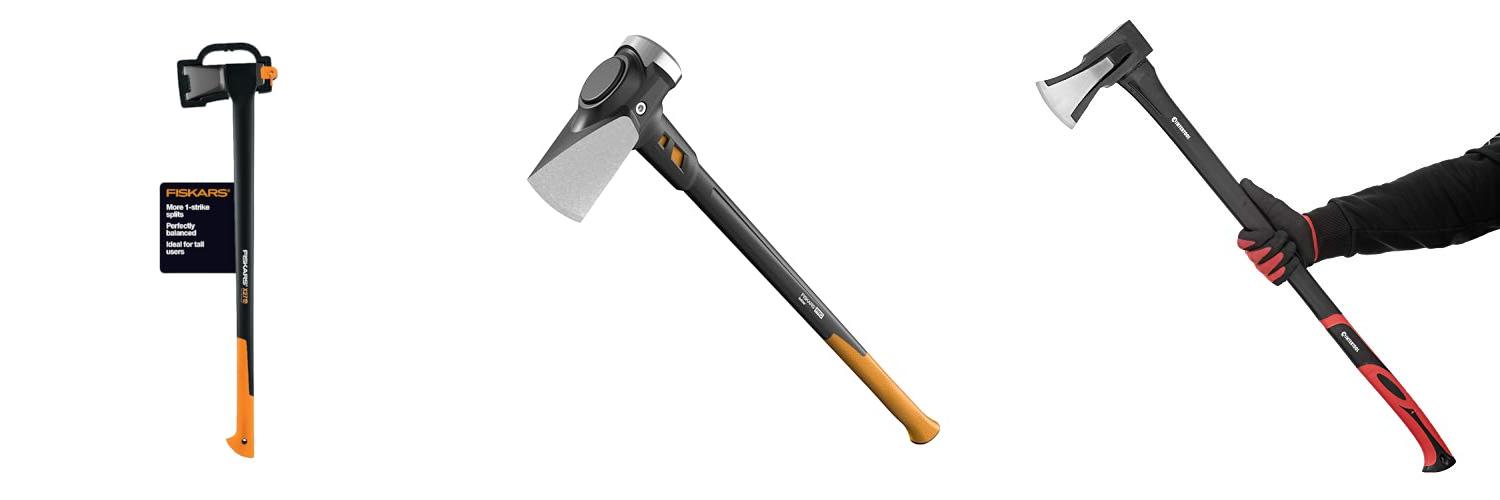
Our Top 5 Splitting Axe Recommendations at a Glance
Top 5 Splitting Axe Detailed Reviews
1. Fiskars X27 Super Splitting Axe

Rating: 9.4/10
The Fiskars X27 Super Splitting Axe is a powerful tool for anyone who needs to split wood. Its 36-inch handle is great for taller people and helps you get more power behind each swing. This axe is designed to make splitting medium to large logs easier and more efficient. It’s perfect for cutting firewood, cleaning up your yard, and even for camping trips.
What We Like:
- It splits wood really well, even big logs.
- The handle is comfortable and doesn’t hurt your hands.
- It’s made of strong steel that stays sharp.
- It’s good for different outdoor jobs.
- It comes with a cover to protect the blade.
- It has a lifetime warranty.
What Could Be Improved:
- It might be a bit heavy for some people.
- It’s best for larger logs, so smaller branches might be overkill.
This axe is a fantastic tool for anyone who splits wood. It’s built to last and makes a tough job much easier.
2. Fiskars 8 lb. Splitting Maul – 36″ Shock-Absorbing

Rating: 9.0/10
The Fiskars 8 lb. Splitting Maul is a powerful tool built for tough jobs. Its sharp, forged steel blade easily tackles medium to large logs, making it perfect for splitting firewood for campfires or for general yard work. The 36-inch handle offers great leverage, and the shock-absorbing grip makes it comfortable to use, even for extended periods. This maul is designed for efficiency, aiming for one-strike splits to save you time and effort.
What We Like:
- The sharp, rust-resistant forged steel blade makes splitting wood efficient.
- The IsoCore shock-absorbing handle reduces strain and improves grip for better control.
- The 36-inch handle provides excellent leverage, especially for taller users.
- It’s designed for one-strike splits, saving you time and energy.
- The advanced blade geometry helps it stick less in wood and makes removal easier.
- Fiskars offers a lifetime warranty, showing confidence in their product’s durability.
What Could Be Improved:
- The 8 lb. weight might be heavy for some users, especially for prolonged use.
- While durable, the blade geometry, designed for splitting, might not be ideal for other chopping tasks.
This Fiskars Splitting Maul is a reliable and effective tool for anyone needing to split wood. Its thoughtful design ensures both power and comfort, making it a valuable addition to your outdoor gear collection.
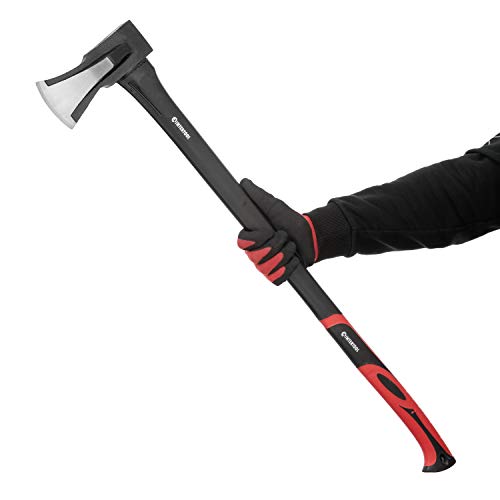
3. INTERTOOL 36-Inch Wood Splitting Maul
Rating: 9.3/10
Tired of struggling to chop firewood? The INTERTOOL 36-Inch Wood Splitting Maul is here to make your life easier. This heavy-duty axe is built for serious work, helping you tackle logs and rounds with impressive speed and efficiency. Get ready to stock up your woodpile without breaking a sweat!
What We Like:
- Quick Wood Splitting: The 5-pound head is perfectly balanced for powerful swings. It can split logs in just one hit!
- Versatile Tool: You can use the flat poll side to drive wedges and stakes, making it useful for more than just firewood.
- Durable and Rust Resistant: The heat-treated carbon steel blade is strong and won’t rust easily. It comes sharp and ready to go.
- Safe Storage: A protective sheath is included to keep the blade safe when you’re not using it.
- Comfortable to Use: The fiberglass handle absorbs shock, so your hands and back won’t get tired.
- Secure Grip: The textured rubber grip stays put, even in wet weather.
- Optimal Power and Control: The weight distribution helps you swing faster and hit harder, splitting more wood with less effort.
- Great Support: INTERTOOL cares about their customers and is ready to help with any problems.
What Could Be Improved:
- While the maul is designed for efficient splitting, very large or knotty logs might still require multiple strikes.
- The 6.6 lb total weight, while balanced, could be a bit heavy for some users with less upper body strength.
This INTERTOOL maul is a fantastic tool for anyone who needs to split firewood. It combines power, comfort, and durability for a great user experience.
4. ESTWING Fireside Friend Axe – 14″ Wood Splitting Maul with Forged Steel Construction & Shock Reduction Grip – E3-FF4

Rating: 9.1/10
The ESTWING Fireside Friend Axe is a tough tool designed to make splitting wood easier. Its 14-inch size is just right for handling, and its strong forged steel means it can handle tough jobs. The cool blue color makes it easy to spot too.
What We Like:
- The forged steel is super strong and built to last.
- It’s designed to be comfortable and safe to use.
- The PATENED SHOCK REDUCTION GRIP is a big deal. It cuts down on jarring vibrations by 70%, protecting your hands and arms.
- The grip is molded to fit your hand perfectly, so it won’t slip, even if your hands are sweaty or wet.
- It’s built for all kinds of work, no matter the weather or where you’re using it.
What Could Be Improved:
- For some users, a longer handle might offer more leverage for bigger logs.
- While durable, the head might need occasional sharpening to maintain peak performance.
This axe is a reliable partner for anyone who needs to split firewood. It combines strength with smart design for a better user experience.
5. 35.4″ Splitting Axe

Rating: 8.7/10
This 35.4″ Splitting Axe is built for serious wood splitting. It features a tough 1065 high-carbon steel head weighing 4.3 lbs, perfect for tackling medium to large logs. The comfortable beech wood handle and included leather sheath make it a reliable tool for anyone needing to prepare firewood or work outdoors.
What We Like:
- It splits wood really well. The wedge-shaped blade cuts deep and splits logs easily.
- The axe head is made from strong, high-carbon steel. It stays sharp and won’t wear out quickly.
- It feels balanced and powerful. The 8 lb total weight is just right for good swings and less effort.
- The beech wood handle is comfortable to hold. It absorbs shock and has a good grip, so your hands won’t get tired.
- It’s good for many outdoor jobs. You can use it for camping, building, or just getting firewood.
- It comes with a leather sheath for safety. The company also offers good customer support if you have problems.
What Could Be Improved:
- While it’s efficient, very experienced log splitters might prefer a slightly heavier head for maximum power on the biggest logs.
- The beech wood handle, while comfortable, might require occasional oiling to maintain its best condition over time.
This splitting axe is a solid choice for its excellent performance and durability. It’s a dependable tool for all your wood-splitting needs.
The Ultimate Buying Guide: Your Perfect Splitting Axe
Choosing the right splitting axe can make a big difference when you’re tackling firewood. It’s not just about hitting the wood hard; it’s about using the right tool for the job. This guide will help you find the best splitting axe for your needs.
Key Features to Look For
When you’re looking at splitting axes, a few things stand out.
1. Axe Head Shape
- Wedge Shape: Most splitting axes have a wedge-shaped head. This shape helps the axe split wood by pushing the fibers apart. A wider wedge is great for tough, knotty wood. A narrower wedge might be better for smaller logs.
2. Axe Head Weight
- Balance is Key: The weight of the axe head is important. A heavier head has more power. However, it can also be harder to swing. A good weight for most people is between 3 to 5 pounds. You want an axe that feels balanced in your hands.
3. Handle Length
- Leverage and Control: The handle length affects how much power you can generate. A longer handle gives you more leverage, meaning you can swing with more force. Shorter handles offer more control. For most home use, a handle around 30 to 36 inches works well.
4. Handle Material
-
Durability and Grip: The material of the handle matters for safety and comfort.
- Hickory: This is a traditional choice. It’s strong and absorbs shock well.
- Fiberglass: This is a modern option. It’s very durable, doesn’t warp, and is often lighter.
- Wood (other types): Some axes use other hardwoods. They can be good, but check for quality.
Important Materials
The materials used to make the axe are crucial for its performance and how long it lasts.
1. Axe Head Steel
- Hardness and Durability: The axe head is usually made of steel. High-carbon steel is a common choice. It’s strong and holds a sharp edge well. Some axes use hardened steel for extra durability.
2. Handle Materials
- As mentioned above: Hickory and fiberglass are the most common and reliable.
Factors That Improve or Reduce Quality
Several things can make an axe better or worse.
1. Forge Quality
- Stronger Head: A forged axe head is made by heating metal and shaping it. This process makes the steel stronger and more durable. A good forge quality means the head won’t easily chip or break.
2. Head-to-Handle Connection
- Safety First: The way the axe head is attached to the handle is very important. It should be secure. Look for a tight fit and a secure wedge. A loose head can be dangerous.
3. Blade Sharpness and Edge Retention
- Easy Splitting: A sharp axe splits wood more easily. Good quality steel will hold its edge longer. You won’t have to sharpen it as often.
4. Balance and Ergonomics
- Comfortable to Use: An axe that is well-balanced feels good to swing. The handle should also be comfortable to grip. This reduces fatigue.
User Experience and Use Cases
Who uses splitting axes and what do they use them for?
- Homeowners: Many people use splitting axes to prepare firewood for their fireplaces or wood stoves.
- Campers: Campers might use a smaller splitting axe to split wood for campfires.
- Outdoor Enthusiasts: Anyone who enjoys working with wood might find a splitting axe useful for various tasks.
A splitting axe is designed to split logs, not chop them down. It works by driving the wedge-shaped head into the wood. The force of the swing and the shape of the head force the wood fibers apart.
Frequently Asked Questions (FAQ)
Q: What is the main purpose of a splitting axe?
A: A splitting axe is designed to split logs into smaller pieces. It’s not for chopping down trees.
Q: How heavy should a splitting axe head be?
A: For most people, an axe head weighing between 3 to 5 pounds is a good choice. It balances power with control.
Q: What is the best material for an axe handle?
A: Hickory and fiberglass are excellent choices. Hickory is traditional and absorbs shock well. Fiberglass is durable and weather-resistant.
Q: What makes a splitting axe head good quality?
A: Good quality steel, like high-carbon steel, holds a sharp edge. A forged head is also stronger and more durable.
Q: Should I buy a long or short handled axe?
A: A longer handle gives you more leverage and power. A shorter handle offers better control. For general use, a 30-36 inch handle is often best.
Q: How do I know if an axe head is securely attached?
A: The head should fit tightly onto the handle. There should be a secure wedge holding it in place. Give it a gentle shake to check for looseness.
Q: How often will I need to sharpen my splitting axe?
A: This depends on the steel quality and how often you use it. Good quality steel holds its edge longer, meaning less frequent sharpening.
Q: Can I use a splitting axe for chopping down small trees?
A: No, a splitting axe is not designed for felling trees. A felling axe has a different head shape for that purpose.
Q: What is the difference between a splitting axe and a maul?
A: Splitting axes are generally lighter and have a more tapered head. Splitting mauls are heavier and have a blunt, wedge-like head designed to pound through wood.
Q: Is it safe to buy a used splitting axe?
A: It can be, but you must inspect it carefully. Check the head for cracks or damage, and ensure the handle is secure and free of rot.
In conclusion, every product has unique features and benefits. We hope this review helps you decide if it meets your needs. An informed choice ensures the best experience.
If you have any questions or feedback, please share them in the comments. Your input helps everyone. Thank you for reading.