
Can I prevent falls in the kitchen? Yes, you can significantly reduce your risk of falls in the kitchen by taking proactive steps to address potential hazards. What is the most common cause of kitchen falls? Wet or slippery floors are a primary culprit, often caused by spills or tracked-in moisture.
The kitchen is often called the heart of the home, a place for delicious meals and shared moments. But it can also be a surprisingly hazardous area, especially for slips and falls. From quick spills to unexpected obstacles, there are many ways a kitchen accident can happen. This guide is here to help you create a safer kitchen environment, keeping everyone in your household protected. We’ll dive into specific strategies to improve kitchen safety and reduce kitchen falls, covering everything from kitchen floor safety to safe cooking practices.
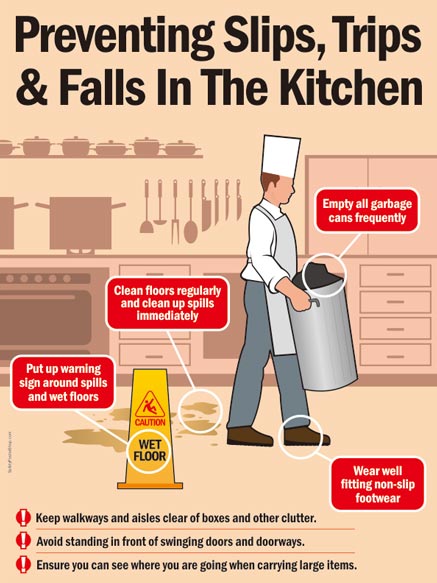
Image Source: www.safetypostershop.com
Identifying Common Fall Hazards in the Kitchen
To prevent falls, we first need to know what causes them. Identifying these fall hazards is the crucial first step in building a secure kitchen. Many kitchen accidents are preventable with a little awareness and some simple changes.
Slippery Surfaces: The Biggest Culprits
Slip prevention is paramount in the kitchen. The combination of liquids, grease, and food debris can turn an otherwise safe floor into a dangerous trap.
- Spills: Water, oil, grease, sauces, and dropped food can all create slick spots.
- Moisture from Outside: Rain, snow, or even just damp shoes tracked in from outdoors can make floors wet.
- Leaky Appliances: A dripping refrigerator or a malfunctioning dishwasher can create puddles.
- Condensation: Steam from cooking can sometimes lead to slick surfaces.
Clutter and Obstructions
A cluttered kitchen isn’t just messy; it’s a tripping hazard waiting to happen.
- Flooring: Rugs, mats, and even loose floor tiles can become tripping hazards if they are not secured or are worn.
- Cords: Appliance cords, extension cords, or chargers trailing across the floor can easily be tripped over.
- Open Drawers and Doors: Leaving drawers or cabinets open, especially at waist height, can lead to bumps and falls.
- Pantry Items: Items falling out of pantries or cabinets can create unexpected obstacles on the floor.
- Pet Accessories: Food bowls, water bowls, and toys can create tripping hazards for both people and pets.
Poor Lighting
You can’t avoid what you can’t see. Inadequate lighting is a significant factor in many falls.
- Dim Areas: Corners of the kitchen, under cabinets, or behind appliances might not receive enough light.
- Shadows: Objects can cast shadows that hide hazards.
- Outdated Bulbs: Old or weak light bulbs don’t provide sufficient illumination.
Uneven Surfaces and Step-Ups
While less common in modern kitchens, some older kitchens or specific setups might have minor elevation changes that pose a risk.
- Raised Doorways: Small steps leading into or out of the kitchen.
- Uneven Tiles: Damaged or uneven flooring materials.
- Thresholds: The transition between different flooring types.
Risky Behaviors and Practices
Sometimes, our own actions can increase the risk of a fall. Adopting safe cooking practices is key to preventing accidents.
- Rushing: Trying to do too much too quickly can lead to carelessness.
- Distraction: Using phones or being otherwise preoccupied while cooking or walking in the kitchen.
- Reaching Hazards: Standing on unstable chairs or reaching precariously for high items.
- Carrying Too Much: Trying to carry too many items at once can affect balance.
Strategies for Enhancing Kitchen Floor Safety
Creating a safe kitchen starts from the ground up. Kitchen floor safety is about ensuring the surfaces you walk on are as secure as possible.
Maintaining Dry Floors: Your First Line of Defense
Slip prevention begins with keeping your kitchen floors dry and clean. This is the most impactful step you can take.
- Immediate Spill Cleanup: Address spills the moment they happen. Don’t wait. Keep a mop or absorbent cloths readily accessible.
- Use Mats Strategically: Place absorbent mats at sinks and dishwashers to catch drips. Ensure these mats have non-slip backing.
- Wipe Up Wet Footprints: Encourage household members to wipe their feet before entering the kitchen, especially on rainy or snowy days.
- Check for Leaks: Regularly inspect under sinks and around appliances for any signs of leaks. Fix them promptly.
- Dry Sponges and Towels: Make sure sponges and dishcloths are wrung out thoroughly and not left to drip on the floor.
Choosing the Right Flooring and Maintenance
The type of flooring you have and how you maintain it greatly impacts kitchen floor safety.
- Non-Slip Flooring: If you are renovating or choosing new flooring, opt for materials with a naturally textured or matte finish that provides better grip.
- Regular Cleaning: Mop your kitchen floors regularly with a good cleaning solution that doesn’t leave a slippery residue. Avoid over-wetting the floor.
- Avoid Slippery Polishes: Steer clear of floor polishes or waxes that create a high-gloss, slippery finish.
- Secure Rugs and Mats: Ensure all rugs and mats have non-slip backing. If they don’t, consider using anti-slip rug grippers or double-sided tape designed for rugs. Always check that edges are not curled or frayed.
- Repair Damaged Flooring: Address cracked tiles, loose linoleum, or uneven flooring immediately. These are significant tripping hazards.
Preventing Obstacles on the Floor
Keeping the floor clear is a simple yet effective way to reduce kitchen falls.
- Clear Pathways: Ensure there are no items left in walkways. This includes groceries, bags, toys, or pet supplies.
- Secure Cords: Use cord covers or organize appliance cords so they don’t trail across the floor. Unplug appliances when not in use and store their cords neatly.
- Manage Drawers and Cabinets: Get into the habit of closing all drawers and cabinet doors immediately after use. Never leave them ajar.
- Sturdy Storage: Store items securely in cabinets and pantries. Avoid stacking things too high where they might fall out.
Enhancing Kitchen Safety: Beyond the Floor
While kitchen floor safety is crucial, a comprehensive approach to kitchen safety involves looking at all aspects of the environment and your practices.
Lighting: Illuminating Potential Dangers
Good lighting is your silent guardian against hidden hazards.
- Bright General Lighting: Ensure the main kitchen light is bright enough to illuminate the entire space.
- Task Lighting: Install under-cabinet lighting to brighten countertops where food preparation happens. This also reduces shadows.
- Recessed Lighting: Consider recessed ceiling lights for even illumination.
- Bulb Check: Regularly check and replace burnt-out light bulbs. Use bulbs with appropriate brightness for their location.
- Natural Light: Keep windows clean and unobstructed to maximize natural light during the day.
Appliance and Equipment Safety
Your appliances, while helpful, can also pose risks if not used or maintained correctly.
- Stable Placement: Ensure appliances like toasters, blenders, and mixers are placed on stable, flat surfaces.
- Cord Condition: Check appliance cords for fraying or damage. Replace damaged cords immediately.
- Microwave Safety: Ensure the microwave is stable and not wobbling. Keep the area around it clear.
- Oven and Stove Safety: Use oven mitts and pot holders. Turn pot handles inward to prevent them from being knocked off the stove. Keep flammable materials away from the stovetop.
- Refrigerator Stability: Make sure refrigerators are stable and not prone to tipping.
Safe Kitchen Practices: Your Role in Prevention
Adopting safe cooking practices is essential for preventing injuries, including falls.
- Focus on Your Task: Minimize distractions when cooking or working in the kitchen. Put your phone away.
- Take Your Time: Avoid rushing. If you feel overwhelmed, take a short break.
- Proper Lifting and Reaching:
- Don’t Overreach: If an item is out of reach, use a sturdy step stool with a handle, not a chair.
- Use a Step Stool Correctly: Ensure the step stool is on a flat, stable surface and that you have a good grip.
- Carry Safely: When carrying hot dishes or heavy items, ensure your path is clear and you have a good grip. If necessary, make multiple trips.
- Footwear: Wear appropriate footwear in the kitchen. Avoid slippers or socks that can easily slip. Shoes with good grip are ideal.
- Know Your Limits: If you have balance issues or reduced mobility, take extra precautions. Consider adaptive tools.
Specific Considerations for Elderly Fall Prevention in the Kitchen
Elderly fall prevention is a significant concern, and the kitchen presents unique challenges. As we age, changes in vision, balance, strength, and reaction time can increase fall risk. Implementing targeted home safety tips is crucial.
Vision and Lighting for Seniors
- Enhanced Lighting: Seniors often benefit from brighter lighting. Consider higher wattage bulbs or additional task lighting.
- Contrast: Use contrasting colors for countertops, cabinets, and flooring to help define edges and obstacles.
- Regular Eye Exams: Ensure vision is corrected with up-to-date prescriptions.
Mobility and Balance Aids
- Sturdy Chairs: Provide stable chairs with armrests for sitting while preparing food or resting.
- Grab Bars: Consider installing grab bars near the stove, sink, or in pantry areas where standing for extended periods might be necessary.
- Mobility Devices: If a walker or cane is used, ensure pathways are clear and that the devices are in good working order.
Kitchen Layout and Accessibility
- Clear Pathways: The kitchen should be free of clutter for easier navigation with mobility aids.
- Accessible Storage: Store frequently used items at waist height to avoid bending or reaching.
- Non-Slip Surfaces: As mentioned, this is critical. Non-slip mats and flooring are vital.
Safe Food Preparation for Seniors
- Pre-Cut Ingredients: Utilize pre-cut vegetables or fruits to reduce the need for sharp knives.
- Electric Peeler/Chopper: Consider using electric kitchen gadgets to minimize physical exertion and knife handling.
- Lightweight Cookware: Opt for lighter pots and pans that are easier to lift and maneuver.
- Stable Cutting Boards: Use cutting boards with a non-slip base or place a damp cloth underneath to prevent them from sliding.
Kitchen Accident Prevention Strategies: A Holistic Approach
Kitchen accident prevention strategies involve combining all the elements we’ve discussed into a cohesive plan. It’s about creating a culture of safety within your home.
Regular Safety Audits
Schedule regular “safety sweeps” of your kitchen.
- Weekly Check: Dedicate time each week to inspect floors for spills, clear clutter, and check light bulbs.
- Monthly Deep Dive: Conduct a more thorough check of appliance cords, flooring condition, and the stability of any shelves or storage units.
Educate Household Members
Everyone who uses the kitchen needs to be aware of the risks and prevention methods.
- Children: Teach children about kitchen safety, especially around hot surfaces and sharp objects. Emphasize not leaving drawers or cabinets open.
- Adults: Remind everyone to clean up spills immediately and close drawers and doors.
- Elderly Family Members: Engage in open conversations about their specific needs and any difficulties they might have in the kitchen.
Investing in Safety Features
Small investments can make a big difference in preventing falls.
- Non-Slip Mats: High-quality, well-secured mats.
- Step Stools with Handles: Sturdy, stable options.
- Cord Organizers: To keep cords tidy and out of the way.
- Good Lighting: Upgrade bulbs or add task lighting.
Emergency Preparedness
Even with the best prevention, accidents can happen.
- First-Aid Kit: Keep a well-stocked first-aid kit accessible.
- Emergency Contacts: Have a list of emergency phone numbers (doctor, family, emergency services) clearly displayed.
- Phone Accessibility: Ensure a phone is always within reach in the kitchen.
Frequently Asked Questions About Kitchen Safety
Q1: How often should I clean my kitchen floors to prevent slips?
A1: It’s best to clean up spills immediately. For general cleaning, aim to mop your kitchen floors at least once a week, or more often if there is heavy use or visible dirt.
Q2: Are rugs in the kitchen a good idea if I want to prevent falls?
A2: Rugs can be used, but only if they are securely fastened with a non-slip backing and are not frayed or curled at the edges. Small, absorbent mats placed strategically near sinks or entrances are often safer than large area rugs.
Q3: What is the best type of footwear for preventing falls in the kitchen?
A3: Shoes with good grip, such as sturdy sneakers or kitchen-specific shoes with non-slip soles, are recommended. Avoid socks, slippers, or bare feet, as these offer the least traction.
Q4: My elderly parent often reaches for things on high shelves. What are some safe ways to help them?
A4: Encourage them to use a sturdy step stool with a handle. If they have difficulty with this, consider reorganizing shelves so that frequently used items are within easy reach, or assist them directly.
Q5: What are some quick fixes for a slippery kitchen floor?
A5: The best quick fix is to immediately wipe up any spill with an absorbent cloth or paper towels. For greasy spills, a little dish soap and water can help break down the grease before wiping dry.
By focusing on these kitchen safety measures, you can significantly reduce kitchen falls and create a safer, more enjoyable space for everyone in your home. Remember, kitchen accident prevention strategies are an ongoing effort, but the peace of mind and well-being they provide are invaluable.