
What is the standard depth of kitchen countertops? The standard depth for kitchen countertops is 25 inches. This depth is designed to accommodate standard kitchen cabinets, which are typically 24 inches deep, providing a 1-inch overhang for comfortable use.
The depth of your kitchen countertops is a crucial factor in the overall functionality and usability of your kitchen. It directly impacts your ability to prepare food, store appliances, and move around comfortably. While 25 inches is the widely accepted standard, exploring various countertop dimensions and counter depth considerations can help you tailor your kitchen to your specific needs.
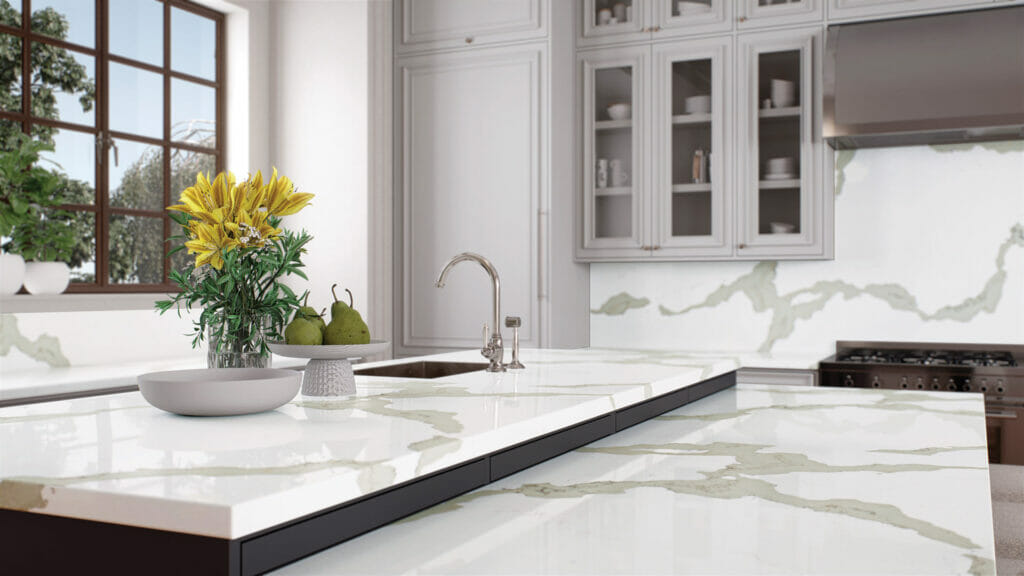
Image Source: www.caesarstoneus.com
Deciphering Standard Countertop Dimensions
The journey to a functional kitchen often begins with the most basic elements, and for countertops, that starts with their depth. The prevailing standard counter depth is 25 inches. This measurement isn’t arbitrary; it’s a carefully considered dimension that balances workspace efficiency with cabinet design.
The Foundation: Standard Kitchen Cabinet Depth
Before we delve deeper into countertop depth, it’s essential to acknowledge the foundation upon which they rest: standard kitchen cabinet depth. Most base kitchen cabinets are manufactured to a depth of 24 inches. This depth is chosen for several reasons:
- Appliance Accommodation: It allows for the flush installation of standard 24-inch deep appliances like dishwashers and ovens.
- Storage Capacity: A 24-inch depth offers ample space for storing pots, pans, dishes, and small appliances within drawers and cabinets.
- Structural Integrity: This depth provides sufficient support for the weight of the countertop and the items placed upon it.
The Overhang: Adding Functionality
The 25-inch countertop depth is achieved by extending the countertop material beyond the face of the 24-inch deep cabinet. This extension is known as the counter overhang. The typical 1-inch overhang serves multiple purposes:
- Ergonomics: It provides a comfortable edge to lean against while working.
- Protection: It shields the cabinet fronts from spills and drips.
- Aesthetics: It creates a finished and polished look.
A 1-inch overhang is the most common, but some homeowners opt for a slightly larger overhang, perhaps 1.5 inches or even 2 inches, depending on their design preferences and the material of the countertop. However, going too far beyond these measurements can sometimes compromise structural integrity, especially with certain materials.
Exploring Kitchen Countertop Depth Variations
While 25 inches is the standard, the world of kitchen design offers flexibility. Different functional areas within your kitchen, or specific design choices, might necessitate variations in kitchen counter depth.
The Core Kitchen Work Surface Depth
The primary function of your countertop is to provide a robust and ample kitchen work surface depth. For most everyday tasks like chopping vegetables, kneading dough, or plating meals, the 25-inch standard offers a good balance. It allows for enough space to spread out ingredients and tools without feeling cramped.
However, for those who frequently engage in more involved culinary projects, a deeper countertop can be a significant advantage. This is where the concept of a practical counter depth comes into play.
The Kitchen Island Depth Factor
Kitchen islands often serve multiple roles, from food preparation to casual dining. Consequently, their kitchen island depth can sometimes differ from the perimeter countertops.
- Standard Island Depth: Many kitchen islands also adhere to the 25-inch depth for their primary work surfaces, mirroring the perimeter.
- Extended Island Depth: However, islands are prime candidates for deeper countertops. A common deeper option is 30 inches. This extra 5 inches can provide a more generous workspace, allowing for multiple cooks to work side-by-side comfortably, or to accommodate larger appliances like built-in stovetops with ease.
- Seating Overhang: If your island incorporates seating, the depth will need to accommodate this. A standard seating overhang for a counter-height island is typically 12 inches. This means an island with seating might have a total depth of 36 inches (24-inch cabinet + 1-inch countertop overhang + 12-inch seating overhang). Bar-height islands require even more depth for seating.
Maximizing Your Kitchen Workspace Depth
If you’re looking to maximize your kitchen workspace depth, consider these options:
-
30-Inch Deep Countertops: As mentioned, 30 inches is a popular choice for increased workspace. This depth is particularly beneficial for:
- Baking and Pastry Work: Provides ample room for rolling out dough and arranging multiple ingredients.
- Large Appliance Use: Accommodates wider appliances like professional ranges or deep sinks more comfortably.
- Multi-Cook Households: Allows more space for several people to prepare food simultaneously.
- Aesthetic Appeal: Deeper countertops can sometimes create a more substantial and luxurious look.
-
Custom Depths: For highly specialized kitchens or unique layouts, custom countertop depths are also possible. However, this often involves custom cabinetry, which can increase costs. It’s also important to ensure that any custom depth still allows for efficient movement and access to other parts of the kitchen.
Counter Depth Considerations: Beyond the Measurement
When choosing your kitchen counter depth, several other factors come into play, impacting both functionality and aesthetics.
Material Matters: How Thickness Affects Depth
While we’re discussing the horizontal depth of your countertop, the thickness of the material itself can also influence the overall visual and physical presence.
- Thinner Materials (e.g., Laminate): Typically come in 3/4-inch or 1.5-inch thicknesses.
- Thicker Materials (e.g., Granite, Quartz, Marble): Standard thickness is usually 3 cm (approximately 1.2 inches). However, these can be “built up” with laminated edges to appear much thicker (e.g., 2 inches or more), creating a more substantial look.
This thickness, when added to the cabinet depth and overhang, contributes to the overall projection of your countertop into the kitchen space.
Edge Profiles and Their Impact
The profile of your countertop’s edge can also subtly affect the perceived depth and functionality.
- Square/Eased Edges: These provide a clean, straight line and are the most common. They don’t add to the perceived depth.
- Bullnose or Rounded Edges: These soften the corner and can make the countertop feel slightly less imposing, which might be beneficial in tighter spaces.
- Ogee or Decorative Edges: While aesthetically pleasing, some of these can create a slight visual break or projection that might influence how you perceive the depth.
Accessibility and Workflow
Your chosen kitchen counter depth directly influences the flow and accessibility within your kitchen.
- Minimum Clearance: Building codes and general ergonomic principles suggest a minimum clearance of 42 inches between countertops on opposing walls or between a countertop and an island for comfortable passage. If your countertops are deeper, ensure you maintain adequate clearance.
- Reachability: Deeper countertops mean you might need to reach a bit further to access the back of the cabinet or the wall behind your sink. This is usually not an issue with standard depths but could be a minor consideration with significantly deeper custom depths, especially for individuals of shorter stature.
Appliance Integration
The depth of your countertop plays a role in how appliances are integrated.
- Dishwashers: Most dishwashers are designed to be installed flush with the front of standard 24-inch cabinets, meaning they will sit slightly behind the front edge of a 25-inch countertop. This is the typical installation and works well. Deeper countertops can sometimes mean the dishwasher sits further back, which might be preferred for a more integrated look.
- Stovetops: Drop-in stovetops are installed into a cutout in the countertop. The depth of the cutout is determined by the appliance manufacturer. Range tops that extend forward will align with the front of the countertop.
- Refrigerators: While refrigerators aren’t typically placed directly under the countertop, the depth of surrounding countertops can affect the visual integration of counter-depth refrigerators.
Tables for Visualizing Countertop Dimensions
To help illustrate the typical configurations, consider these tables:
Table 1: Standard Perimeter Countertop Dimensions
| Component | Typical Depth | Notes |
|---|---|---|
| Base Cabinet | 24 inches | Standard for most kitchen base cabinets. |
| Countertop Material | Varies | Thickness contributes to overall profile. |
| Counter Overhang | 1 inch | Standard extension beyond cabinet face. |
| Total Depth | 25 inches | This is the most common kitchen counter depth. |
Table 2: Common Kitchen Island Countertop Dimensions
| Component | Typical Depth (Work Surface) | Typical Depth (with Seating) | Notes |
|---|---|---|---|
| Base Cabinet/Support | 24 inches | 24 inches | Islands can have various base cabinet configurations or decorative supports. |
| Countertop Material | Varies | Varies | Thickness impacts perceived depth. |
| Counter Overhang | 1 inch | 1 inch | Standard overhang for the work surface side. |
| Seating Overhang | N/A | 12 inches (counter height) | This is the space needed behind the seated person. Bar height islands require more depth for seating. |
| Total Depth | 25 inches | 37 inches | This represents a common kitchen island depth with a standard work surface and 12 inches of seating overhang. The total depth will vary based on cabinet depth and desired seating comfort. A deeper work surface (e.g., 30 inches) would increase the total depth accordingly. |
The Impact of Depth on Kitchen Functionality
The seemingly simple measurement of kitchen counter depth has a cascading effect on how your kitchen functions on a daily basis.
Enhancing the Kitchen Workspace Depth
A primary benefit of a well-chosen kitchen counter depth is the creation of an effective kitchen workspace depth.
- For the Home Cook: Adequate depth allows for the comfortable placement of cutting boards, mixing bowls, stand mixers, and other frequently used tools. It reduces the feeling of being “on top of” your ingredients.
- For Entertaining: When hosting, a deeper countertop provides more space for serving dishes, appetizers, and drink preparation, making the process smoother and less cluttered.
Practical Counter Depth for Everyday Tasks
What constitutes a practical counter depth often depends on individual cooking habits and the size of your kitchen.
- Small Kitchens: In very compact kitchens, maximizing usable counter space is key. While a 25-inch depth is standard, ensuring sufficient clearance between opposing surfaces becomes even more critical. Sometimes, slightly shallower options might be considered if absolutely necessary, but this is rare and often compromises functionality.
- Large Kitchens: Larger kitchens offer more flexibility. You might opt for deeper countertops on an island or a specific work zone, like a baking station, to enhance its utility.
Visualizing Your Space with Countertop Dimensions
When planning your kitchen, it’s helpful to visualize the impact of different countertop dimensions.
- Impression of Space: Deeper countertops can sometimes make a kitchen feel more substantial or even slightly smaller if clearances aren’t managed well. Conversely, a well-proportioned depth can contribute to a sense of order and efficiency.
- Appliance Fit: Ensure that any appliances you plan to integrate, such as built-in ovens or microwave drawers, are compatible with your chosen kitchen counter depth.
Frequently Asked Questions About Kitchen Countertop Depth
Q1: Can I have a deeper countertop than 25 inches?
A1: Yes, you can. Deeper countertops, often 30 inches, are popular for kitchen islands or dedicated work areas to provide more workspace. However, consider the impact on clearances and the overall flow of your kitchen. Custom depths are also possible but may involve custom cabinetry and higher costs.
Q2: What is the standard overhang for kitchen countertops?
A2: The standard counter overhang is typically 1 inch, extending beyond the front of the base cabinet. This provides ergonomic benefits and protects the cabinet fronts.
Q3: How does countertop depth affect appliance installation?
A3: Standard dishwashers are designed to fit flush with 24-inch deep cabinets, meaning they will sit slightly behind the front edge of a 25-inch countertop. This is the typical and functional installation. For stovetops and other built-in appliances, always check the manufacturer’s specifications regarding cutout dimensions and required clearances relative to the countertop depth.
Q4: Is a deeper countertop always better?
A4: Not necessarily. While deeper countertops offer more workspace, they can also impact clearances in smaller kitchens. The “best” depth is subjective and depends on your specific needs, cooking habits, kitchen size, and desired workflow. A 25-inch depth is a good, practical all-around choice for most situations.
Q5: How much space do I need for seating at a kitchen island with a deeper countertop?
A5: For counter-height seating, you generally need a 12-inch overhang. If your island has a 30-inch deep countertop and you add a 12-inch overhang for seating, the total depth will be 42 inches, not including the cabinet depth. Always ensure adequate legroom and clearance for people to sit comfortably.
By carefully considering these aspects of kitchen counter depth, you can make informed decisions that lead to a more functional, comfortable, and beautiful kitchen. Whether you stick with the reliable 25-inch standard or explore deeper options, the goal is to create a kitchen work surface depth that perfectly suits your lifestyle.