
Can you clean a kitchen sink drain with a garbage disposal? Yes, you can effectively clean your kitchen sink drain with a garbage disposal by using a combination of safe cleaning methods and regular maintenance. A clean drain and a well-maintained garbage disposal are vital for a hygienic and functional kitchen. This guide will walk you through everything you need to know about cleaning garbage disposal units and keeping your kitchen sink maintenance on point.
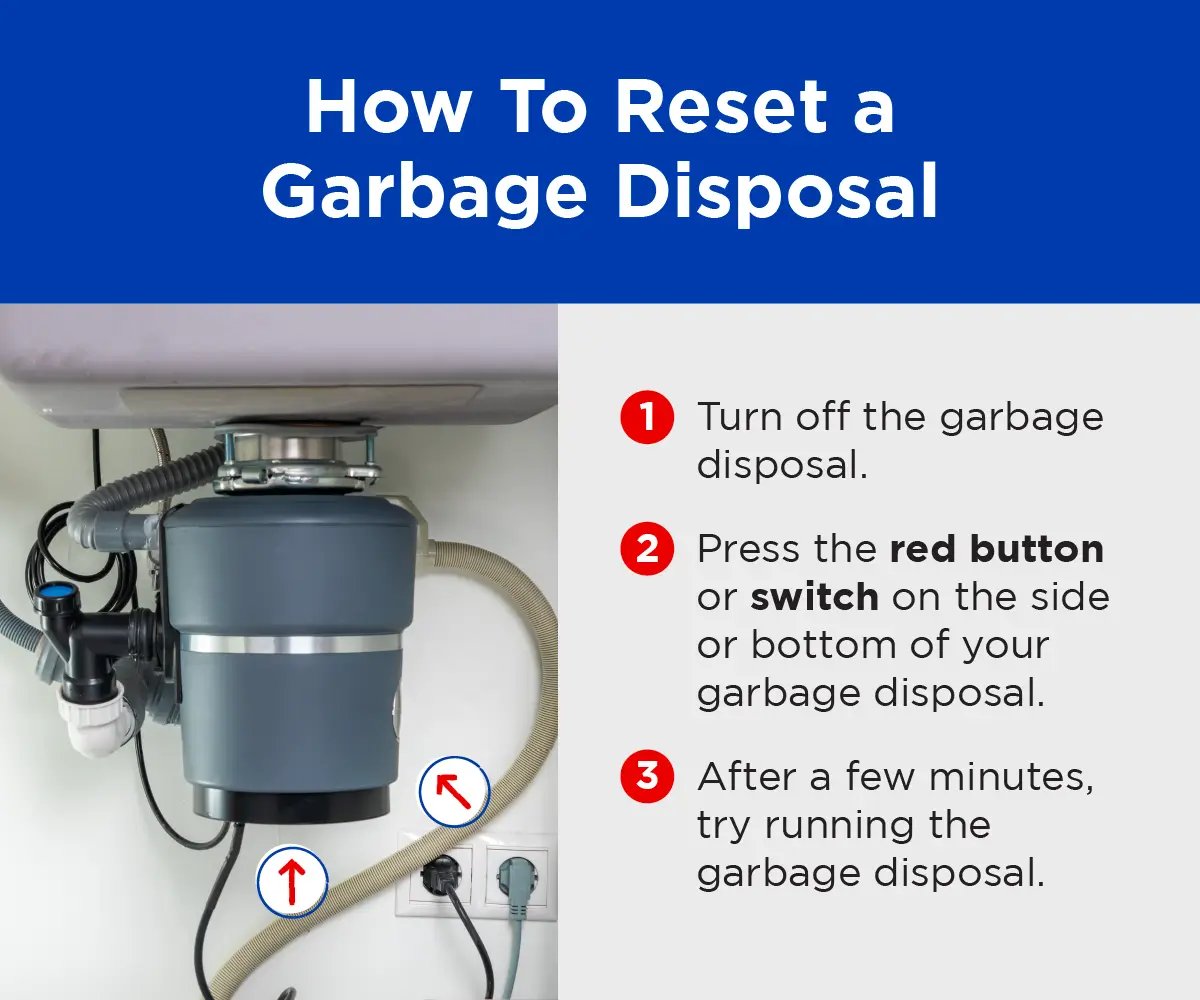
Image Source: www.mrrooter.com
Why Regular Sink Drain and Disposal Cleaning Matters
A clogged kitchen sink or a smelly garbage disposal can be more than just an inconvenience. It can lead to unpleasant odors, slow draining, and even more serious plumbing issues. Regular sink drain maintenance prevents these problems by removing food debris, grease, and other gunk that can accumulate. A clean garbage disposal works efficiently, grinding food waste effectively and preventing blockages. This also helps to remove sink odor that can permeate your kitchen.
Essential Tools for Cleaning Your Sink Drain and Disposal
Before you begin, gather these helpful items:
- Dish Soap: For general cleaning.
- Baking Soda: A natural abrasive and deodorizer.
- Vinegar (White): Excellent for dissolving grease and mineral buildup.
- Ice Cubes: Help to scrub the disposal blades.
- Citrus Peels (Lemon, Lime, Orange): For freshening the disposal.
- Old Toothbrush or Small Brush: For scrubbing around the disposal opening.
- Plunger: For minor clogs.
- Gloves: To protect your hands.
- Screwdriver (Flathead): To access certain disposal parts if needed.
- Commercial Garbage Disposal Cleaner: For a deeper clean when needed.
Simple Steps for Cleaning Your Garbage Disposal
Keeping your garbage disposal clean is key to a functional sink. Here’s how to tackle it:
Step 1: Safety First
Always ensure the garbage disposal is turned OFF at the switch and the circuit breaker is flipped if you’re doing a deep clean or need to reach inside. Never put your hand into the disposal unit without ensuring it’s completely powered down.
Step 2: The Ice Cube Scrub
Fill the disposal with ice cubes. Turn on the cold water and then the disposal. The ice cubes act as a gentle abrasive, helping to scrape away any residue stuck to the grinding chamber walls. Run the cold water for about 30 seconds to flush everything through. This is a great first step for general cleaning.
Step 3: Baking Soda and Vinegar Power Duo
Turn off the disposal and the water. Pour about half a cup of baking soda directly into the disposal drain. Follow this by pouring one cup of white vinegar. The mixture will fizz and bubble. Let it sit for 10-15 minutes. This reaction helps to break down grease, grime, and odors.
Step 4: Rinse and Refresh
After the baking soda and vinegar have done their work, turn on the cold water again and run the disposal for another 30 seconds to flush out the loosened debris. You can also toss in some citrus peels (lemon, lime, or orange) during this final rinse. The citrus oils will help remove sink odor and leave your kitchen smelling fresh.
Tackling a Clogged Kitchen Sink with a Garbage Disposal
If you find yourself needing to unclog kitchen sink, especially one with a garbage disposal, there are several methods you can try before calling a plumber.
Method 1: The Plunger Approach
- Seal the Other Drain: If you have a double sink, make sure to tightly plug the second drain with a wet cloth or stopper. This ensures the plunger’s suction is focused on the clogged side.
- Add Water: Ensure there’s enough water in the sink to cover the rubber cup of the plunger.
- Plunge Vigorously: Place the plunger over the drain opening, creating a tight seal. Plunge up and down with forceful strokes for about 20-30 seconds.
- Check for Drainage: Remove the plunger and see if the water starts to drain. Repeat if necessary.
Method 2: Baking Soda and Hot Water
This is a gentler approach that can help break down minor clogs, especially those caused by grease.
- Pour Baking Soda: Pour about half a cup of baking soda into the drain.
- Add Vinegar (Optional but Recommended): Follow with half a cup of white vinegar. Let it fizz for a few minutes.
- Follow with Hot Water: Carefully pour about two cups of very hot (but not boiling) water down the drain.
- Wait and Check: Let it sit for at least 15-30 minutes. Then, run hot tap water to see if the clog has cleared.
Method 3: Using a Drain Cleaner (with Caution)
When other methods fail, a commercial drain cleaner might be necessary. However, use these products with extreme caution, especially with a garbage disposal.
Important Considerations Before Using Commercial Drain Cleaners:
- Garbage Disposal Compatibility: Always check the label to ensure the drain cleaner is safe for use with garbage disposals. Some chemical cleaners can damage the rubber seals and metal components of your disposal.
- Read Instructions Carefully: Follow the product’s instructions precisely regarding the amount to use, how long to leave it, and whether to use hot or cold water.
- Ventilation: Ensure the area is well-ventilated, as fumes can be strong.
- Never Mix Cleaners: Never mix different drain cleaners, as this can create dangerous chemical reactions.
- Avoid Metal Tools: Do not use metal augers or snakes with harsh chemical cleaners, as the combination can be very corrosive.
How to Use a Commercial Drain Cleaner Safely with a Disposal:
- Turn off Disposal: Ensure the disposal is OFF and unplugged.
- Pour Slowly: Pour the recommended amount of cleaner slowly into the drain.
- Wait: Allow the cleaner to sit for the time specified on the label.
- Flush with Cold Water: Most disposal-safe cleaners recommend flushing with cold water. Check the product.
- Run Disposal: After flushing, turn the disposal back on with cold water running to ensure all residue is cleared.
If the clog persists after trying these methods, it’s time to call a professional plumber to clear clogged drain and avoid further damage.
Deep Cleaning Your Garbage Disposal
For a more thorough clean and to remove sink odor, a dedicated garbage disposal cleaner can be very effective. These cleaners are specifically formulated to break down tough grime and deodorize the unit.
Using a Garbage Disposal Cleaner
- Follow Product Instructions: Each garbage disposal cleaner is different, so reading and following the manufacturer’s instructions is paramount.
- Turn Off Power: Always ensure the disposal is powered off and unplugged.
- Application: Most cleaners come in liquid or powder form. You’ll typically pour the product directly into the disposal.
- Add Water: Some require you to add water immediately after the cleaner, while others recommend letting it sit.
- Run Disposal: Once the waiting period is over, run cold water and then activate the disposal to flush everything away.
These cleaners are great for tackling that persistent musty smell or if you’ve accidentally ground up something that’s causing a blockage.
Preventing Future Clogs and Odors
Good kitchen plumbing starts with good habits. Here are some tips for preventing future clogs and keeping your sink and disposal fresh:
What NOT to Put Down Your Garbage Disposal
- Fibrous Foods: Celery, corn husks, asparagus, and artichokes can wrap around the blades and jam the unit.
- Starchy Foods: Potato peels, pasta, and rice can expand with water and form a thick paste, leading to clogs.
- Grease, Oil, and Fats: These solidify in pipes, causing major blockages over time. Pour them into a separate container and dispose of them in the trash.
- Coffee Grounds: While some say a small amount is okay, they tend to clump together and can build up in pipes.
- Eggshells: The membranes can get caught and the shell fragments can be abrasive.
- Fruit Pits and Seeds: These are hard and can damage the disposal blades.
- Non-Food Items: Bones, silverware, paper products, and cleaning sponges should never go down the disposal.
- Large Food Scraps: Always scrape plates well before rinsing.
Best Practices for Disposal Use
- Run Cold Water: Always run cold water before, during, and for about 30 seconds after using the disposal. This helps flush food waste through the pipes and solidifies any grease, making it easier to grind.
- Grind in Small Batches: Don’t overload the disposal. Feed food waste in gradually.
- Regular Rinsing: After using the disposal, run cold water for a bit longer to ensure all ground particles are washed away.
Advanced Sink Drain Maintenance Tips
Beyond the disposal, maintaining the entire sink drain system is crucial for preventing issues.
Cleaning the Sink Drain Strainer
The sink drain strainer is often overlooked but can trap a surprising amount of debris.
- Remove the Strainer: Lift the strainer basket out of the drain.
- Scrape Debris: Use a paper towel or an old toothbrush to scrape off any food particles or hair.
- Wash: Wash the strainer with hot, soapy water.
- Scrub the Drain Opening: Use an old toothbrush or a small scrub brush to clean around the edge of the drain opening in the sink. This area can accumulate gunk.
- Rinse: Rinse the strainer and the drain opening thoroughly.
Preventing Hard Water Stains
If you have hard water, mineral deposits can build up in your sink and drain.
- Vinegar Soak: For stubborn spots, soak a cloth in white vinegar and lay it over the stained area for an hour. Then scrub and rinse.
- Lemon Juice: The acidity of lemon juice can also help dissolve mineral deposits.
Common Questions About Cleaning Kitchen Sink Drains with Garbage Disposals
Here are answers to some frequently asked questions to help you with your kitchen sink maintenance:
Frequently Asked Questions (FAQ)
Q1: How often should I clean my garbage disposal?
A1: It’s a good practice to clean your garbage disposal at least once a month, or more often if you notice odors or reduced performance. Regular cleaning helps to remove sink odor and prevent issues.
Q2: Can I use bleach to clean my garbage disposal?
A2: It is generally not recommended to use bleach or harsh chemicals like bleach in your garbage disposal. Bleach can damage the rubber seals and metal components, and mixing it with other cleaners can produce toxic fumes. Stick to safer methods like baking soda, vinegar, and ice.
Q3: My garbage disposal is humming but not grinding. What should I do?
A3: This usually means the disposal is jammed.
1. Turn off the disposal immediately at the switch.
2. Flip the circuit breaker to ensure no power reaches the unit.
3. Look into the drain opening (with a flashlight) to see if you can spot the obstruction.
4. If you can see something, try to carefully remove it using tongs or pliers.
5. If you can’t see anything or reach it, locate the reset button on the bottom of the disposal unit. Press it firmly.
6. You may also find a hex key (Allen wrench) socket on the bottom center of the disposal. Insert the appropriate sized hex key and manually turn the grinding plate back and forth to dislodge the jam. Remove the hex key.
7. Once you believe the jam is cleared, turn the circuit breaker back on, then the disposal switch, and run cold water. If it still doesn’t work, it’s best to call a plumber.
Q4: What is the best way to get rid of a bad smell from my garbage disposal?
A4: To remove sink odor, use the baking soda and vinegar method followed by a citrus peel rinse. You can also grind up some lemon or orange peels for a quick deodorizing effect. Ensure you are not putting the wrong types of food down the disposal, as this is a common cause of smells.
Q5: Can I pour boiling water down my garbage disposal?
A5: While hot water can help with grease, boiling water is generally not recommended for garbage disposals. It can soften and potentially damage rubber seals and plastic components over time. Use hot tap water instead.
Q6: How do I know if my garbage disposal needs professional cleaning or repair?
A6: You should call a plumber if:
* Your disposal is leaking.
* The motor is making unusual grinding noises or smells burnt.
* You’ve tried all the DIY methods to unclog kitchen sink or remove odors, and the problem persists.
* You are uncomfortable performing any of the troubleshooting steps.
Conclusion: A Clean Sink is a Happy Kitchen
Maintaining a clean kitchen sink drain and garbage disposal is an integral part of good kitchen plumbing and overall household cleaning tips. By incorporating regular cleaning routines and being mindful of what goes down your drain, you can prevent clogs, eliminate odors, and ensure your disposal operates efficiently for years to come. Remember, proactive sink drain maintenance is far easier and less expensive than dealing with a major plumbing issue.