
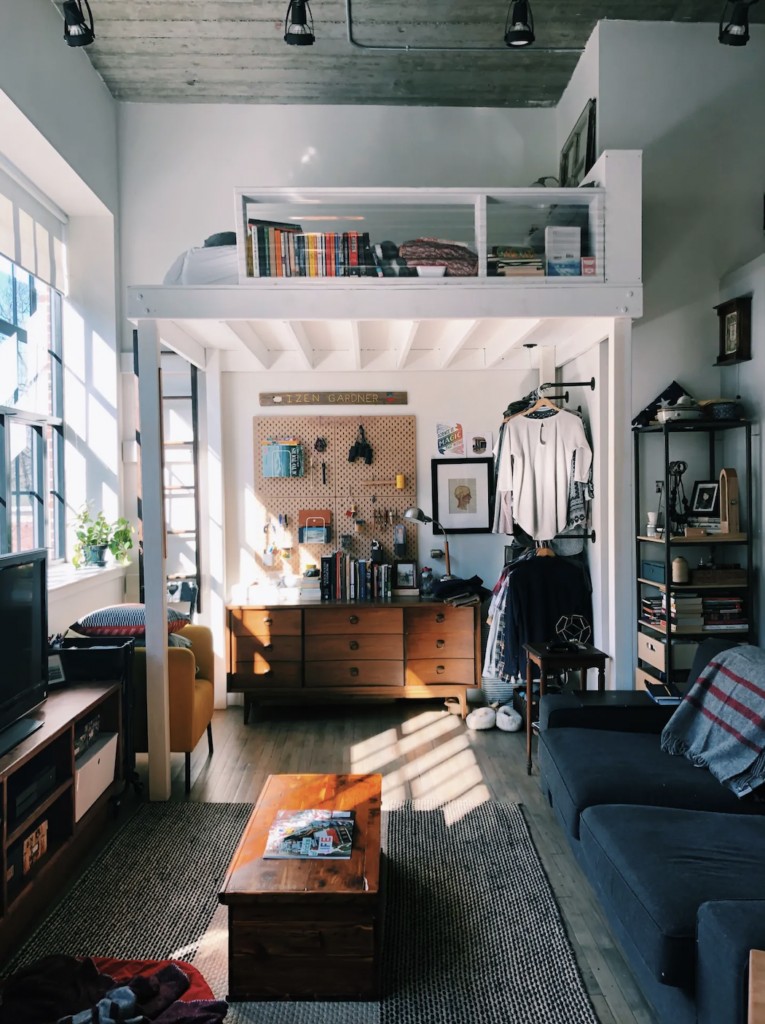
Image Source: www.theinside.com
How To Turn Your Living Room Into A Bedroom Easily
Can you turn your living room into a bedroom? Yes, absolutely! With smart design choices and versatile furniture, your living room can easily transform into a comfortable and functional bedroom space, perfect for hosting guests or even for everyday use in a studio apartment layout.
Making your living room double as a bedroom is a fantastic way to maximize space, especially in smaller homes or apartments. It’s about embracing multi-functional living room design to create a space that serves dual purposes without feeling cramped or cluttered. This guide will walk you through the best ways to achieve this, covering everything from furniture choices to clever storage and layout ideas. We’ll explore space-saving solutions living room dwellers swear by and provide small living room ideas that can make a big difference.
Embracing Convertible Furniture: The Cornerstone of Dual-Purpose Spaces
The heart of transforming a living room into a bedroom lies in convertible furniture living room designs. These pieces are specifically engineered to serve multiple functions, saving you valuable space and effort.
The Versatile Sofa Bed: A Classic Choice
The sofa bed living room staple is perhaps the most popular solution for a reason. It’s a comfortable sofa by day and a bed by night, seamlessly blending into the living room aesthetic.
Types of Sofa Beds:
- Pull-out Sofa Beds: These are the most common. They feature a mattress that pulls out from underneath the sofa cushions.
- Pros: Wide variety of styles and comfort levels, readily available.
- Cons: The mattress quality can vary greatly; some can be thin and less comfortable for frequent use. The mechanism can sometimes be bulky.
- Futons: These often have a foldable frame that allows the sofa to lay flat as a bed.
- Pros: Generally more affordable, simpler mechanism, often have a more modern look.
- Cons: Can be less comfortable as a sofa due to a firmer mattress and a visible frame.
- Sleeper Sofas with Integrated Mattresses: Higher-end models offer thicker, more comfortable mattresses that are concealed within the sofa frame and pull out with a simple mechanism.
- Pros: Superior comfort for sleeping, often indistinguishable from regular sofas.
- Cons: Typically more expensive.
Tips for Choosing the Right Sofa Bed:
- Mattress Quality: If this will be used regularly, prioritize a thicker mattress. Look for descriptions mentioning memory foam, innerspring, or even air-over-coil options.
- Ease of Operation: Try opening and closing it in the store. A smooth, easy mechanism is key.
- Size: Measure your living room to ensure it fits comfortably when both in sofa and bed form.
- Durability: Check the frame material (hardwood is best) and fabric quality.
The Space-Saving Murphy Bed: A Hidden Gem
For ultimate space-saving solutions living room residents can appreciate, the Murphy bed living room integration is a game-changer. These beds fold up vertically into a cabinet or wall unit, disappearing completely when not in use.
Benefits of a Murphy Bed:
- Maximizes Floor Space: When folded up, it frees up your entire living room floor.
- Clean Aesthetic: It creates a tidy and uncluttered look, hiding the bed entirely.
- Comfort of a Real Bed: Murphy beds typically use standard mattresses, offering excellent sleeping comfort.
- Versatility: Many units come with integrated shelving, desks, or cabinetry, adding further functionality.
Considerations for Murphy Beds:
- Installation: Most require professional installation due to their weight and the need for secure wall mounting.
- Cost: They are generally more expensive than sofa beds.
- Wall Space: They require a significant portion of a wall to accommodate the cabinet.
Other Convertible Furniture Ideas:
- Daybeds: These can function as a sofa with a back and arms and easily convert into a bed, often by simply adding bedding. They are excellent for a guest bedroom living room setup.
- Ottomans with Hidden Beds: Some stylish ottomans can unfold into a surprisingly comfortable twin bed.
- Sofa Beds with Built-in Storage: Many modern sofa beds now incorporate storage drawers underneath, adding another layer of functionality.
Strategic Layout and Room Division: Creating Distinct Zones
Even in a smaller space, creating distinct zones for living and sleeping is crucial for comfort and organization. This is particularly important when dealing with a studio apartment layout.
Dividing Living Room Space: The Art of Separation
How you divide your living room space can significantly impact its functionality and feel.
Methods for Dividing Space:
- Furniture Placement: Strategically arrange your sofa, chairs, and tables to create an invisible boundary between the “living” area and the “sleeping” area. For instance, placing the back of a sofa or a bookshelf can act as a divider.
- Room Dividers/Screens: These are lightweight, portable panels that can be easily moved or folded away. They offer a quick and flexible way to create privacy.
- Types of Dividers: Shoji screens, fabric screens, folding screens, and even tall plants or bookshelves can serve this purpose.
- Curtains: Hanging floor-to-ceiling curtains can effectively screen off the sleeping area, providing privacy and a cozy atmosphere. Choose blackout curtains for better light control.
- Bookshelves or Open Shelving Units: These can act as stylish dividers that also provide valuable storage. They allow light to pass through, preventing the room from feeling too closed off.
- Area Rugs: Using different area rugs can visually demarcate different zones within the room. A rug under the sofa and coffee table defines the living area, while another rug around the bed can signify the sleeping zone.
Optimizing Layout for Small Living Rooms:
- Vertical Space: Think upwards! Wall-mounted shelves, tall bookshelves, and elevated storage units can free up floor space.
- Multi-functional Pieces: Choose coffee tables that lift to become dining tables, or ottomans that offer storage. This is key for multi-functional living room success.
- Light and Airy Feel: Use mirrors to reflect light and make the space feel larger. Keep color palettes light and cohesive.
- Flow and Accessibility: Ensure there’s enough clear walking space between furniture, especially around the transition from living to sleeping areas.
Smart Storage Solutions: Keeping Things Tidy
When your living room also serves as a bedroom, clever storage is essential to prevent clutter from taking over.
Essential Storage Strategies:
- Under-Bed Storage: If you opt for a sofa bed or even a traditional bed frame in your living room, maximize the space underneath with rolling storage bins or drawers.
- Storage Ottomans and Benches: These are incredibly versatile, serving as footrests, extra seating, and hidden storage for bedding, blankets, or books.
- Wall-Mounted Shelving: Utilize vertical space with floating shelves or modular shelving units. This is a fantastic way to store books, decor, and even fold-away bedroom furniture living room accessories.
- Nesting Tables: These can be tucked away when not in use, freeing up space, and pulled out as needed for drinks, books, or laptops.
- Vertical Wardrobe or Storage Unit: If space allows, a tall, slim wardrobe or a multi-functional storage unit can house clothing and other bedroom furniture living room essentials. Some Murphy bed units come with integrated closets or shelving.
Aesthetics and Comfort: Creating a Welcoming Atmosphere
Beyond functionality, making your living room feel like a cohesive and inviting space for both living and sleeping is vital.
Design Tips for a Dual-Purpose Room:
- Consistent Color Palette: Use a consistent color scheme throughout the room. This helps to tie the different functional areas together, making the space feel more unified.
- Layered Lighting: Incorporate various light sources – ambient (ceiling lights), task (reading lamps), and accent (mood lighting). Dimmable lights are excellent for adjusting the ambiance from lively living to relaxing sleep.
- Comfortable Bedding: Invest in high-quality sheets, pillows, and a comfortable duvet or comforter. These are essential for a good night’s sleep.
- Textiles and Soft Furnishings: Use throws, cushions, and rugs to add warmth and texture. They make the living area more inviting and the sleeping area cozier.
- Personal Touches: Display artwork, photographs, and plants to make the space feel personal and lived-in, regardless of its dual function.
Catering to Guests: The Guest Bedroom Living Room Scenario
If your primary goal is to create a guest bedroom living room, consider these additions:
- Privacy: As mentioned, screens or curtains are crucial for guest privacy.
- Storage for Guests: Ensure there’s accessible storage for guest belongings, like a small basket or clear shelf space.
- Comfort Amenities: A comfortable mattress (especially in a sofa bed), extra blankets, pillows, and perhaps a small bedside table with a lamp are thoughtful touches.
- Easy Access: Make sure the sleeping area is easily accessible without requiring guests to navigate through the entire living space.
Making the Transition Smooth: Daily Habits and Maintenance
Once your living room is set up for dual use, establishing good habits will keep it functional and attractive.
Daily Practices for Seamless Transformation:
- Make the Bed: This is the most critical habit. A neatly made bed instantly transforms the space back into a tidy living area.
- Tuck Away Linens: Have a designated spot for pillows and blankets when the bed is not in use (e.g., storage ottoman, under the sofa, in a decorative chest).
- Clear Surfaces: Keep coffee tables and side tables clear of clutter.
- Regular Cleaning: Vacuuming and dusting are important, especially in a multi-functional space.
Weighing Your Options: Sofa Bed vs. Murphy Bed
Choosing between a sofa bed living room setup and a Murphy bed living room setup depends on your priorities and budget.
| Feature | Sofa Bed Living Room | Murphy Bed Living Room |
|---|---|---|
| Primary Function | Comfortable sofa, occasional bed | Primary bed, hidden during the day |
| Space Saving | Moderate; bed folds into sofa | High; bed folds into wall unit |
| Comfort (Sleeping) | Varies widely; can be excellent or poor | Generally excellent; uses standard mattresses |
| Comfort (Seating) | Generally very good; like a regular sofa | Varies; sofa might be integrated or separate |
| Aesthetics | Sofa is always visible | Bed is hidden when not in use |
| Installation | Typically none required | Often requires professional installation |
| Cost | Moderate to high | High |
| Privacy | Achieved through room division/curtains | High privacy when bed is in the wall |
Frequently Asked Questions (FAQ)
Q1: How can I make my living room feel like a bedroom without looking messy?
A: Use convertible furniture living room pieces like sofa beds or Murphy beds. Employ dividing living room space techniques with screens or bookshelves. Invest in smart storage solutions to keep everything organized. A consistent color scheme and layered lighting also contribute to a tidy and cohesive feel.
Q2: Is a sofa bed comfortable enough to sleep on every night?
A: It depends on the quality of the sofa bed. Higher-end models with thicker mattresses, such as memory foam or innerspring, can be quite comfortable for nightly use. For frequent sleeping, a Murphy bed or a daybed might offer superior comfort as they typically use standard mattresses.
Q3: What are the best space-saving solutions for a small living room that needs to double as a bedroom?
A: Prioritize convertible furniture living room options. Utilize vertical space with wall-mounted shelves and tall, slim furniture. Opt for multi-functional pieces like storage ottomans and nesting tables. Effective dividing living room space with screens or open shelving also helps maximize the perceived space.
Q4: How do I create privacy for the sleeping area in my living room?
A: Use decorative room dividers, floor-to-ceiling curtains (especially blackout ones), or strategically placed furniture like bookshelves. For a more permanent solution, consider a Murphy bed unit that tucks away into a cabinet.
Q5: Can I use my existing sofa as a bed?
A: Some sofas can be converted into beds with the addition of a pull-out mattress or by rearranging the cushions. However, most standard sofas are not designed for comfortable sleeping. Investing in a dedicated sofa bed living room piece is usually more practical and comfortable.
Turning your living room into a bedroom is a practical and stylish way to adapt to your space needs. By carefully selecting convertible furniture living room options, implementing smart space-saving solutions living room designs, and employing clever dividing living room space techniques, you can create a functional and comfortable dual-purpose area that enhances your home. Whether you’re accommodating guests or maximizing a studio apartment layout, these strategies will help you achieve a seamless transformation.