
What is the best kitchen exhaust for my home? The best kitchen exhaust depends on your cooking style, kitchen size, and the type of venting available in your home. This guide will help you make the right choice.
Choosing the right kitchen hood is crucial for effective kitchen ventilation. A good hood not only removes smoke, grease, and odors but also enhances the overall ambiance and safety of your cooking space. With so many types of kitchen hoods on the market, deciding on a kitchen hood can feel overwhelming. This comprehensive guide will walk you through everything you need to know to make an informed decision, from understanding CFM for range hoods to the nuances of ductless vs ducted systems and the importance of kitchen hood sizing.
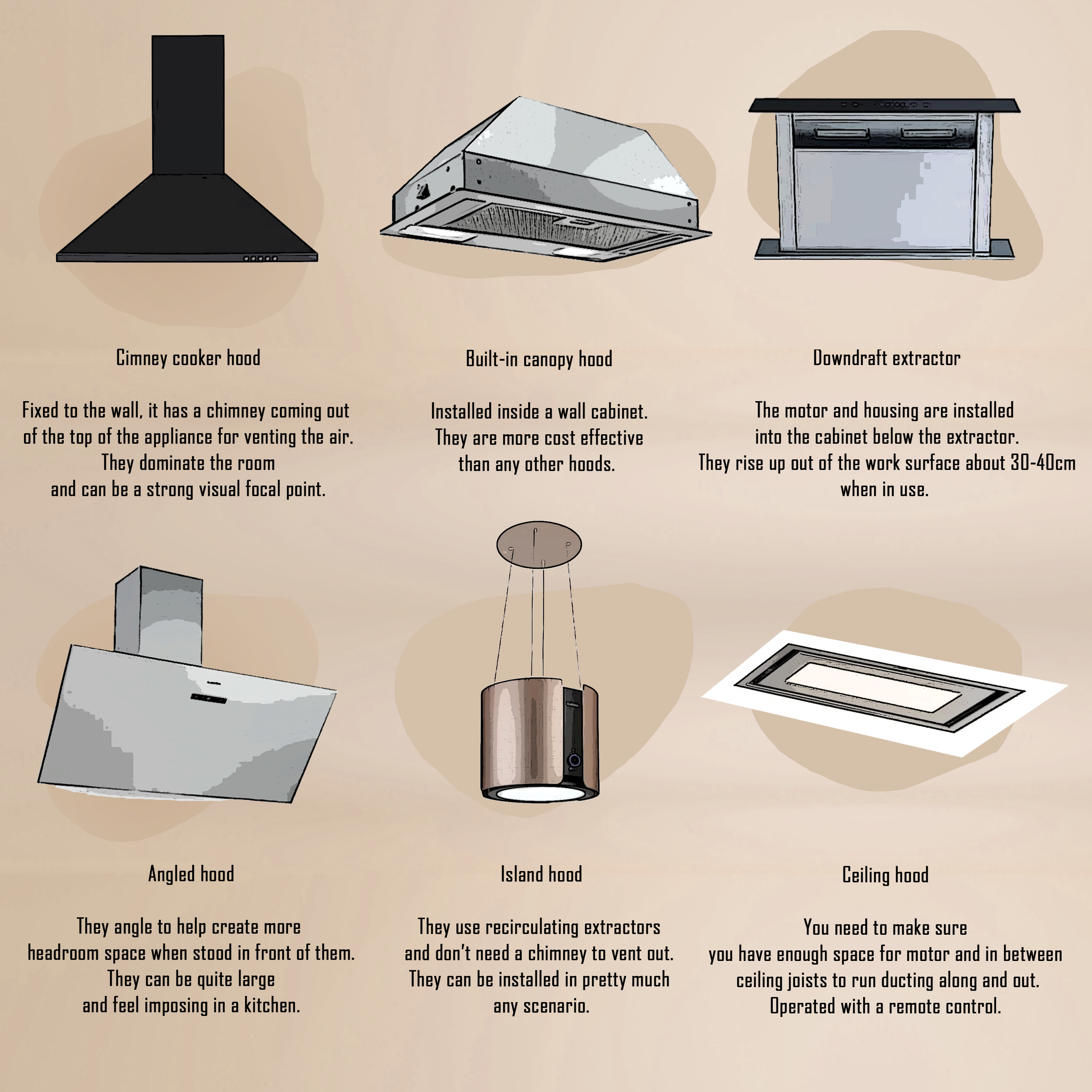
Image Source: images.squarespace-cdn.com
Fathoming Your Kitchen Ventilation Needs
Before diving into specific models, it’s essential to grasp your kitchen’s unique ventilation requirements. Your cooking habits are the primary driver here. Do you often sear steaks at high heat, stir-fry with intense heat and oil, or mostly boil and steam?
- High-Heat Cooking: If you frequently cook with high heat, especially with oil or butter, you’ll need a more powerful hood to capture smoke and grease effectively.
- Heavy Odors: Certain cuisines or cooking methods produce strong odors. A robust ventilation system is key to keeping your home smelling fresh.
- Kitchen Size and Layout: A larger kitchen or one with an open-plan layout will require a hood with greater capacity to ensure air is circulated and filtered properly.
Deciphering CFM for Range Hoods
CFM, which stands for Cubic Feet per Minute, is a measure of the volume of air a range hood can move. This is arguably the most critical factor when selecting a hood. The general rule of thumb for CFM for range hoods is:
- Minimum CFM: For every inch of your cooktop’s width, you should aim for at least 100 CFM. So, a 30-inch cooktop would ideally need a hood with at least 300 CFM.
- Higher CFM for Powerful Appliances: If you have a gas range with burners that produce significant heat, or if you frequently use your oven, you might need to increase this number. Some experts recommend adding 50-100 CFM for each high-output burner or for a powerful oven.
- Consider Duct Size and Length: The length and diameter of your ductwork can also affect the hood’s efficiency. Longer ducts or those with more bends require a higher CFM to compensate for airflow resistance.
Table: CFM Recommendations Based on Cooktop Type
| Cooktop Type | Recommended CFM Range | Notes |
|---|---|---|
| Electric Coil | 200 – 300 CFM | Basic ventilation needs. |
| Electric Smooth Top | 200 – 350 CFM | Slightly more capacity for grease and steam. |
| Gas (Standard) | 300 – 450 CFM | Higher heat and gas combustion byproducts necessitate more airflow. |
| Gas (High Output) | 400 – 600+ CFM | For burners exceeding 15,000 BTU or frequent high-heat cooking. |
| Professional Ranges | 600+ CFM | Designed for intense cooking, requiring maximum ventilation. |
Exploring Range Hood Types
The market offers a variety of range hood types, each suited for different kitchen designs and cooking needs. Knowing the differences is key to deciding on a kitchen hood.
Ducted vs. Ductless Systems
This is a fundamental choice with significant implications for kitchen ventilation.
Ducted Range Hoods
- How they work: These hoods use ductwork to vent air directly outside your home. They capture grease, smoke, and odors and expel them.
- Pros:
- Most effective at removing airborne contaminants.
- Better at reducing noise and heat.
- No need for filter replacements (though the filter mesh needs regular cleaning).
- Cons:
- Require an external vent, which can be costly and complex to install, especially in existing homes without prior ductwork.
- Can lead to heat loss in winter and heat gain in summer if not properly sealed.
- When to choose: Ideal for kitchens where powerful kitchen ventilation is paramount and external venting is feasible.
Ductless Range Hoods
- How they work: These hoods filter the air through charcoal (carbon) filters to remove odors and grease, then recirculate the purified air back into the kitchen.
- Pros:
- Easier and less expensive to install as they don’t require external venting.
- Can be installed in apartments or homes where external venting is not possible.
- Cons:
- Less effective at removing heat and steam, which can lead to condensation and humidity issues.
- Require regular replacement of charcoal filters, adding to ongoing costs.
- Generally less powerful than ducted systems.
- When to choose: Suitable for renters or situations where installing ductwork is impossible. They are a compromise for kitchen ventilation.
Types of Kitchen Hoods by Mounting Style
The aesthetic and functional design of your kitchen will influence which mounting style you choose.
Under-Cabinet Hoods
- Description: These hoods are mounted directly underneath kitchen cabinets, blending seamlessly with the cabinetry.
- Pros:
- Space-saving, especially in smaller kitchens.
- Generally less expensive than other types.
- Easy to install.
- Cons:
- Limited capture area, which might not be sufficient for very wide ranges or high-heat cooking.
- Can be less powerful than other styles.
- Considerations: Ensure it aligns with the width of your cooktop for optimal kitchen hood sizing.
Wall-Mount Hoods (Chimney Hoods)
- Description: These hoods are mounted directly on the wall above your range, often featuring a prominent chimney that extends to the ceiling.
- Pros:
- Offer a wider capture area than under-cabinet models.
- Available in a wide range of styles and finishes, acting as a design focal point.
- Typically more powerful.
- Cons:
- Require proper wall mounting and often ductwork.
- Can be more expensive.
- Considerations: Check that the chimney can be adjusted to your ceiling height for a proper fit.
Island Hoods
- Description: Designed to be mounted above a kitchen island cooktop, these hoods are often decorative and provide 360-degree capture.
- Pros:
- Excellent capture efficiency due to their central placement.
- Serve as a stylish statement piece.
- Can be ducted or ductless.
- Cons:
- Require ceiling mounting, which can be more complex and expensive.
- Need to be a significant visual element as they are prominent.
- Can be pricey.
- Considerations: Kitchen hood sizing is critical here; it should be at least as wide as the island cooktop.
Downdraft Hoods
- Description: These systems are built into the cooktop or rise directly from it, pulling air downwards.
- Pros:
- Virtually invisible when not in use.
- Ideal for kitchens with limited wall or ceiling space, or where an unobstructed view is desired.
- Cons:
- Generally the least effective at capturing smoke and grease, especially from high-heat cooking.
- Can be more prone to mechanical issues.
- Often require a specific type of installation.
- Considerations: Best suited for lighter cooking or where aesthetics are the absolute priority over powerful kitchen ventilation.
Convertible Hoods
- Description: These are hoods that can be configured to operate as either ducted or ductless, offering flexibility.
- Pros:
- Adaptable to different installation scenarios.
- Can be converted if you move or renovate.
- Cons:
- The ductless mode will still have the limitations mentioned earlier.
- Considerations: Look for models that come with the necessary ductless conversion kits.
Key Features and Materials
Beyond the basic type, several features and kitchen hood materials can impact performance and aesthetics.
Fan Speed and Noise Level
- Fan Speed: Most hoods offer multiple fan speeds. Higher speeds are for intense cooking, while lower speeds are for simmering or light ventilation. Look for a range of speeds to suit your needs.
- Noise Level (Sones): Noise is measured in sones. Lower sone ratings indicate quieter operation. A hood with a range of 1-3 sones on low speed and 4-6 sones on high speed is generally considered acceptable. Some high-performance hoods may exceed this.
Filters
- Mesh Filters: Most common in ducted hoods, these are typically made of aluminum or stainless steel. They are washable and reusable.
- Baffle Filters: These are designed with angled channels that trap grease more effectively. They are also usually dishwasher safe.
- Charcoal Filters: Found in ductless hoods, these absorb odors. They are not washable and must be replaced periodically.
Lighting
- Halogen/LED Lights: Good lighting illuminates your cooktop, making cooking safer and more enjoyable. LED lights are energy-efficient and long-lasting.
Kitchen Hood Materials
The material of your hood affects its durability, appearance, and ease of cleaning.
- Stainless Steel: The most popular choice, offering a sleek, modern look. It’s durable and relatively easy to clean but can show fingerprints.
- Aluminum: Lighter than stainless steel and less prone to rust. It’s a good option for filters.
- Copper: Offers a warm, classic aesthetic. It can be more expensive and requires specific cleaning to maintain its patina.
- Glass: Often used for decorative elements or for entire canopies in modern designs. It’s easy to clean but can be more fragile.
Table: Kitchen Hood Materials – Pros and Cons
| Material | Pros | Cons | Best For |
|---|---|---|---|
| Stainless Steel | Durable, modern look, easy to clean | Shows fingerprints, can scratch | Most kitchen styles, under-cabinet, wall-mount, island |
| Aluminum | Lightweight, rust-resistant, affordable | Can dent easily, less premium appearance | Filters, some budget-friendly hoods |
| Copper | Elegant, warm aesthetic, ages beautifully | Expensive, requires special maintenance, can patina | Traditional, rustic, or statement kitchens |
| Glass | Modern, sleek, easy to clean | Fragile, shows smudges, can be expensive | Modern, minimalist kitchens, decorative elements |
Kitchen Hood Sizing: Getting It Right
Kitchen hood sizing is critical for effective kitchen ventilation. The hood should ideally be as wide as, or slightly wider than, your cooktop.
- Under-Cabinet Hoods: Should match the width of your cooktop (e.g., a 30-inch hood for a 30-inch cooktop).
- Wall-Mount and Island Hoods: Aim for a hood that is 3-6 inches wider than your cooktop to ensure it captures all the cooking fumes and grease. For example, a 36-inch cooktop might benefit from a 39- or 42-inch hood.
- Depth of Capture: The depth of the hood is also important. A deeper hood will provide better capture of cooking byproducts.
Kitchen Hood Installation: Professional vs. DIY
Kitchen hood installation can range from straightforward to complex, depending on the type of hood and your home’s existing infrastructure.
Ducted Installation Considerations
- Venting Path: Planning the path of the ductwork is crucial. It needs to go from the hood to an exterior wall or roof. Minimize bends and keep the duct run as short as possible for optimal airflow.
- Duct Size: Ensure the duct size matches the hood’s exhaust outlet for maximum efficiency. Common sizes are 6-inch or 8-inch round ducts.
- Wall/Roof Cap: A properly installed exterior vent cap is essential to prevent pests and weather from entering your home.
- Make-up Air: For high-CFM hoods (typically above 400 CFM), building codes may require a make-up air system. This system replaces the air exhausted by the hood, preventing negative pressure in your home.
Ductless Installation Considerations
- Filter Placement: Ensure charcoal filters are correctly installed in their designated slots.
- Mounting: Securely mount the hood to the cabinet or wall according to the manufacturer’s instructions.
DIY vs. Professional Installation
- DIY: Possible for simple under-cabinet, ductless hoods, or if you have experience with electrical and HVAC work. Always follow the manufacturer’s instructions carefully.
- Professional: Recommended for ducted installations, especially if complex ductwork is involved, or if a make-up air system is required. A professional installer ensures the system is safe, efficient, and meets building codes. This also ensures proper kitchen hood sizing integration.
Frequently Asked Questions (FAQ)
Q1: How often should I clean my range hood filters?
A1: Mesh or baffle filters should be cleaned monthly, or more often if you cook with a lot of grease. Charcoal filters in ductless hoods need replacement every 3-6 months, depending on usage.
Q2: Can I install a ducted hood if I have a gas stove?
A2: Yes, and it’s highly recommended. Gas stoves produce combustion byproducts in addition to smoke and grease, which a ducted system can effectively remove.
Q3: My range hood seems too loud. What can I do?
A3: Ensure the filters are clean, as clogged filters can restrict airflow and increase noise. Check that the ductwork is properly sealed and insulated. If the noise persists, you may have a hood with a high sone rating, or it might be improperly installed. Consider a hood with a lower sone rating for future replacements.
Q4: What is the best kitchen exhaust for a small apartment?
A4: A ductless under-cabinet hood is often the best option for apartments due to ease of installation and no requirement for external venting. Ensure it has adequate CFM for your cooking needs.
Q5: Do I need to consider the height of my range hood installation?
A5: Yes, the distance between your cooktop and the hood is crucial for effective capture. Consult the manufacturer’s recommendations, which typically range from 24 to 36 inches, depending on the hood type and cooktop. Improper height affects kitchen ventilation and kitchen hood sizing.
By carefully considering these factors – from CFM for range hoods and range hood types to kitchen hood materials and kitchen hood installation – you can select a kitchen hood that provides optimal kitchen ventilation, enhances your cooking experience, and complements your kitchen’s design. Making an informed decision when deciding on a kitchen hood will ensure a cleaner, safer, and more enjoyable cooking environment for years to come.