
What is the best way to sell kitchen appliances? The best way to sell kitchen appliances is by combining excellent product knowledge, understanding customer needs, showcasing features effectively, and implementing strong marketing and sales strategies.
Selling kitchen appliances, whether new or pre-loved, requires a blend of savvy marketing, product expertise, and excellent customer service. This guide delves into proven kitchen appliance sales strategies to help you boost your business. We’ll explore everything from pricing and display to effective marketing and the nuances of selling used kitchen appliances. Whether you’re a seasoned retailer or just starting out, these kitchen appliance selling tips will equip you for successful kitchen appliance sales.
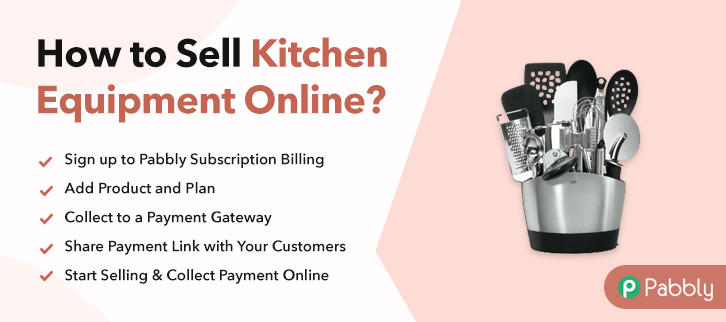
Image Source: www.pabbly.com
Mastering the Art of Kitchen Appliance Sales
The kitchen is often called the heart of the home, and the appliances within it play a crucial role in daily life. For retailers and sellers, this presents a significant opportunity. However, the market is competitive, making it essential to employ effective kitchen appliance retail strategies. This involves not only having desirable products but also knowing how to present them and connect with potential buyers.
Deciphering Customer Needs: The Foundation of Sales
Before you even think about showcasing a gleaming new refrigerator or a robust range, you must grasp what your customer truly needs. This is where the art of selling begins.
Identifying Core Needs
Every customer walks in with a set of requirements, whether they articulate them clearly or not. These often fall into categories:
- Space and Size: How much room do they have? What capacity do they require? A small apartment dweller needs something different from a large family.
- Functionality: What do they primarily use the appliance for? Baking a lot of cakes suggests a need for a reliable oven with even heating. Frequent entertaining might mean a need for a spacious refrigerator or a high-capacity dishwasher.
- Budget: This is always a critical factor. Knowing a customer’s price range helps narrow down options efficiently.
- Lifestyle: Are they a busy professional who needs quick cooking solutions? Or a home chef who enjoys elaborate meal preparation?
- Energy Efficiency: In today’s world, energy savings are a major selling point. Customers want to know about Energy Star ratings and potential long-term cost savings.
- Aesthetics: The look of the appliance matters. It needs to fit the kitchen’s overall design and the homeowner’s personal style.
Asking the Right Questions
Effective selling hinges on asking insightful questions. Instead of just listing features, probe gently to uncover their needs.
- “Tell me about your cooking habits. What do you enjoy making the most?”
- “How many people are typically in your household?”
- “What’s the biggest challenge you face with your current kitchen appliances?”
- “Are you looking for specific features, like a convection oven or a smart refrigerator?”
- “What is your preferred style or finish for your appliances?”
Showcasing Products: Beyond the Shiny Exterior
Once you know what your customer is looking for, it’s time to showcase the appliances. This isn’t just about pointing out features; it’s about demonstrating benefits and solving problems.
Highlighting Key Features and Benefits
Translate technical specifications into tangible advantages for the customer.
- Feature: “This refrigerator has a French door design.”
-
Benefit: “This means you have wide shelves for large platters, and both refrigerator doors can be opened independently, saving space in busy kitchens.”
-
Feature: “This oven has a self-cleaning function.”
- Benefit: “You can say goodbye to scrubbing grease and grime. This feature heats the oven to a high temperature, turning food residue into ash that you can simply wipe away, saving you time and effort.”
Demonstrating Appliances in Action
Whenever possible, demonstrate how the appliance works.
- Ovens: If you have a working model, show how the oven heats up quickly and evenly. Perhaps bake a simple cookie or show the broiler function.
- Dishwashers: While running a full cycle is impractical in a retail setting, you can show the interior layout, explain the wash cycles, and demonstrate how quiet it is.
- Refrigerators: Open and close the doors to show the smooth operation. Point out adjustable shelves, crisper drawers, and ice makers.
- Cooktops: Show how easy it is to control the heat on an induction or gas cooktop.
Interactive Displays and Technology
Modern retail thrives on engagement.
- Touchscreen Kiosks: Allow customers to explore different models, compare specifications, and view product videos.
- Augmented Reality (AR) Apps: Let customers visualize how an appliance will look in their own kitchen using their smartphone or tablet.
- Virtual Tours: For online sales, offer detailed 360-degree views of products.
Effective Marketing Kitchen Appliances for Sale
Reaching the right audience with the right message is crucial for successful kitchen appliance sales. A multi-faceted marketing approach ensures your products get seen and desired.
Digital Marketing Strategies
The online world offers immense reach and targeting capabilities.
Search Engine Optimization (SEO)
- Keyword Research: Identify terms customers use when searching for appliances (e.g., “best energy-efficient refrigerator,” “gas range with griddle,” “compact washing machine”).
- On-Page Optimization: Use these keywords naturally in product descriptions, titles, and website content.
- Local SEO: For brick-and-mortar stores, ensure your Google My Business profile is up-to-date with accurate information, hours, and customer reviews.
Social Media Marketing
- Engaging Content: Post high-quality photos and videos of appliances in beautiful kitchen settings. Share cooking tips, maintenance advice, and customer testimonials.
- Targeted Ads: Use platforms like Facebook and Instagram to run ads targeting demographics interested in home renovation, cooking, or specific appliance types.
- Influencer Collaborations: Partner with home décor or cooking influencers to showcase your products.
Content Marketing
- Blog Posts: Write articles like “How to Choose the Right Dishwasher” or “Top 5 Features of Modern Refrigerators.”
- Buying Guides: Create comprehensive guides that help customers make informed decisions.
- Video Tutorials: Produce videos demonstrating appliance features, installation tips, or cleaning and maintenance.
Email Marketing
- Promotional Campaigns: Announce sales, new arrivals, and special offers.
- Nurturing Leads: Send helpful content to customers who have shown interest but haven’t purchased yet.
Traditional Marketing and In-Store Promotions
Don’t discount traditional methods, especially for local businesses.
- Local Advertising: Consider local newspapers, radio ads, or community event sponsorships.
- In-Store Events: Host cooking demonstrations, expert Q&A sessions, or “appliance clinics” for maintenance tips.
- Loyalty Programs: Reward repeat customers with discounts or exclusive offers.
How to Display Kitchen Appliances: Creating Desire
The way kitchen appliances are presented can significantly impact sales. A well-organized and visually appealing showroom encourages browsing and buying.
Creating an Immersive Showroom Experience
Think of your showroom as a potential customer’s future kitchen.
Themed Zones
- “The Busy Family Kitchen”: Showcase practical, durable, and spacious appliances.
- “The Gourmet Chef’s Haven”: Highlight high-end ranges, professional-style refrigerators, and specialized ovens.
- “The Modern Apartment”: Display compact, stylish, and multi-functional appliances.
Strategic Placement
- High-Traffic Areas: Place popular or new models in visible locations.
- Companion Displays: Group complementary appliances together (e.g., refrigerator, range, and dishwasher).
- Clear Pathways: Ensure customers can easily navigate between displays without feeling crowded.
Lighting and Ambiance
- Bright, Natural Light: Mimic natural kitchen lighting as much as possible.
- Accent Lighting: Use spotlights to draw attention to specific appliance features or finishes.
- Cleanliness: Keep all appliances spotless and free from fingerprints.
Merchandising Best Practices
Every appliance should tell a story.
- Informative Signage: Use clear, concise signs that highlight key features, benefits, and pricing. QR codes linking to more detailed information or reviews can be very effective.
- Interactive Demos: As mentioned earlier, functional displays are key.
- Lifestyle Props: Use tasteful props like cookbooks, kitchen utensils, or decorative items to help customers visualize the appliance in their own home.
How to Price Kitchen Appliances: Finding the Sweet Spot
Pricing is a delicate balance between profitability and customer appeal.
Researching the Market
Before setting your prices, do your homework.
- Competitor Analysis: See what similar appliances are selling for at other retailers, both online and offline.
- Manufacturer Suggested Retail Price (MSRP): This is a baseline, but you can often adjust it based on your market and sales goals.
- Cost of Goods: Always factor in your purchase cost, shipping, overhead, and desired profit margin.
Pricing Strategies
- Competitive Pricing: Match or slightly undercut competitors for common models.
- Value-Based Pricing: For premium or feature-rich appliances, price based on the perceived value to the customer.
- Bundling: Offer discounts when customers purchase multiple appliances (e.g., a kitchen suite).
- Promotional Pricing: Use temporary price reductions for sales events or to move inventory.
Understanding Pricing Psychology
- Charm Pricing: Prices ending in .99 (e.g., $999 instead of $1000) can make items seem cheaper.
- Tiered Pricing: Offer similar models at different price points, highlighting the upgrades in the more expensive versions.
Selling New Kitchen Appliances: The Retailer’s Blueprint
Selling brand-new appliances involves understanding product lifecycles, warranties, and customer expectations for quality and support.
Product Knowledge is Power
Salespeople must be experts on the products they sell.
- Features vs. Benefits: As discussed, translate specs into customer advantages.
- Comparison: Be able to compare different models within your inventory and even against competitor products.
- Troubleshooting Basics: Have answers to common questions about operation and minor issues.
The Sales Process for New Appliances
- Greeting and Needs Assessment: Welcome the customer and start asking those crucial questions.
- Product Presentation: Showcase relevant appliances, highlighting benefits.
- Handling Objections: Address concerns about price, features, or suitability.
- Closing the Sale: Guide the customer towards a purchase decision. Offer financing options if available.
- After-Sales Service: Discuss delivery, installation, and warranty information.
Leveraging Warranties and Service Plans
Warranties and extended service plans can be significant selling points and revenue generators.
- Explain Clearly: Detail what the manufacturer’s warranty covers.
- Offer Extended Plans: Present extended service plans as a way to protect their investment against unexpected repairs. Highlight the peace of mind they offer.
Selling Used Kitchen Appliances: A Niche with Potential
Selling used kitchen appliances can be a profitable venture, but it requires a different approach to ensure customer trust and satisfaction. This is about maximizing value from pre-owned items.
Assessing and Refurbishing
The condition of used appliances is paramount.
- Thorough Inspection: Check for any damage, wear and tear, and functionality issues.
- Cleaning and Refurbishing: Deep clean all appliances. Minor repairs or cosmetic touch-ups can significantly increase their value. Ensure all components, like seals or filters, are in good working order.
- Testing: Rigorously test each appliance to ensure it functions correctly.
How to Price Kitchen Appliances (Used)
Pricing used items is more art than science.
- Condition: The better the condition, the higher the price.
- Age: Newer models command higher prices.
- Brand Reputation: Popular, reliable brands will sell for more.
- Market Value: Research what similar used appliances are selling for in your area. Online marketplaces are a good reference.
- Original Price: Consider the original retail price but adjust significantly for depreciation.
Example Pricing Comparison Table:
| Appliance Type | New Price (MSRP) | Used Price (Excellent Condition, 2 Years Old) | Used Price (Good Condition, 5 Years Old) |
|---|---|---|---|
| Refrigerator | $1500 | $800 – $1000 | $400 – $600 |
| Range | $1200 | $600 – $800 | $300 – $500 |
| Dishwasher | $700 | $350 – $500 | $150 – $250 |
| Microwave | $200 | $100 – $150 | $50 – $80 |
Marketing Used Appliances
Honesty and transparency are key.
- Clear Descriptions: Be upfront about the condition, any flaws, and the age of the appliance.
- High-Quality Photos: Show the appliance from all angles, highlighting its good points and any minor imperfections.
- Platform Choice: Use platforms like eBay, Facebook Marketplace, Craigslist, or specialized resale sites. Consider local classifieds for larger items.
- Highlight Value: Emphasize the cost savings compared to buying new.
Building Trust
- Offer a Short Warranty: Even a 30-day warranty on used appliances can build immense trust.
- Testimonials: Encourage satisfied customers to leave reviews.
Kitchen Appliance Selling Tips for Success
Here are some overarching tips to ensure successful kitchen appliance sales:
- Stay Informed: Keep up with the latest trends, technologies, and new models.
- Build Relationships: Treat every customer interaction as an opportunity to build a long-term relationship.
- Handle Returns Gracefully: Even with the best efforts, returns happen. Handle them professionally to maintain customer goodwill.
- Offer Financing: Make purchases more accessible by offering payment plans or store credit options.
- Follow Up: After a sale, follow up to ensure customer satisfaction and to solicit feedback or referrals.
Frequently Asked Questions (FAQ)
Q1: What is the most important factor when selling new kitchen appliances?
A1: The most important factor is comprehensive product knowledge combined with an ability to match specific customer needs to the right appliance.
Q2: Can I sell older, non-working kitchen appliances?
A2: While it’s difficult to sell non-working appliances as functional items, you might be able to sell them for parts or scrap metal if they contain valuable components like motors or compressors.
Q3: Who is the target audience for selling used kitchen appliances?
A3: The target audience typically includes budget-conscious consumers, students, people furnishing rental properties, or those looking for temporary solutions.
Q4: How do I make my kitchen appliance display more attractive?
A4: Create themed zones, ensure excellent lighting, keep appliances spotless, use informative signage, and incorporate lifestyle props to help customers visualize the products in their homes.
Q5: What are the best kitchen appliance sales strategies for a small independent retailer?
A5: Focus on personalized customer service, build strong local community ties, offer competitive pricing on popular brands, and leverage digital marketing for local reach.
By implementing these kitchen appliance sales strategies, focusing on customer needs, and mastering the art of presentation and marketing, you can significantly boost your kitchen appliance sales and build a thriving business.