
The total time it takes to paint kitchen cabinets can vary greatly, typically ranging from 2 to 5 days for a DIY project and 3 to 7 days for professional cabinet painting, depending on the number of cabinets, their condition, the chosen finish, and the preparation involved.
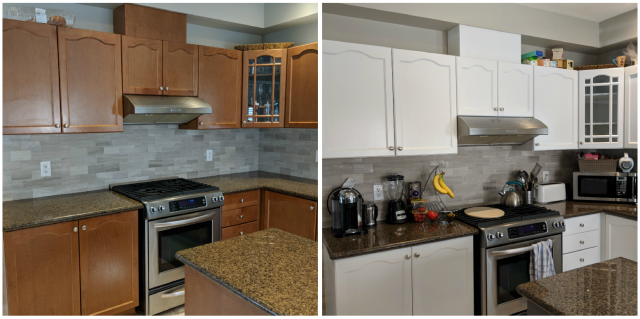
Image Source: www.paintmycabinets.ca
Your Guide to Kitchen Cabinet Repaint Schedules
Thinking about updating your kitchen with a fresh coat of paint? It’s a fantastic way to transform your space without a huge renovation. But before you grab those brushes, you’re likely wondering: how long does it take to paint kitchen cabinets? This is a common question, and the answer isn’t a simple one-size-fits-all. The cabinet painting time is influenced by many factors, from the size of your kitchen to the type of finish you’re aiming for. Let’s dive deep into the process and give you a clear picture of the cabinet refinishing duration.
The Big Picture: Factors Affecting Cabinet Painting Time
Several key elements contribute to the overall time to paint cabinets. Understanding these will help you estimate the kitchen cabinet repaint schedule more accurately.
Number of Cabinets and Doors
More cabinets mean more surface area to clean, sand, prime, and paint. This is perhaps the most significant factor influencing the cabinet makeover time. A small apartment kitchen might have 10-15 cabinet doors, while a large family home could have 30 or more, plus drawer fronts and the cabinet boxes themselves. Each door and drawer front adds precious painting cabinet doors time.
Cabinet Condition
Are your cabinets currently in pristine condition, or do they have years of grime, grease, and wear? The worse the condition, the more intensive the preparation will be.
- Minor Wear: Light cleaning and minimal sanding might suffice.
- Grease and Grime: Thorough degreasing and cleaning are essential. This step alone can add significant time.
- Damage: Dents, scratches, or peeling veneer will require filling, sanding, and potentially more primer. This can considerably extend the cabinet refinishing duration.
Chosen Finish and Paint Type
The type of paint and finish you select plays a crucial role in the cabinet coating duration.
- Water-based Paints (Latex/Acrylic): These are common and easier to work with for DIYers. They typically dry faster between coats but may require more coats for durability.
- Oil-based Paints (Alkyds): These offer a harder, more durable finish but have longer drying and curing times. They also require specific solvents for cleanup.
- Lacquers and Sprayed Finishes: Professional spraying with lacquers can achieve a smooth, durable finish but requires specialized equipment and ventilation. The drying time between coats is often shorter, but the overall process, including masking and setup, can be more time-consuming upfront.
Preparation Steps: The Foundation of Durability
This is where a significant portion of DIY cabinet painting hours are spent, and it’s non-negotiable for a lasting finish. Rushing these steps will lead to peeling or chipping paint down the line.
1. Cleaning and Degreasing
- Time: 1-4 hours, depending on kitchen size and grease buildup.
- Why it’s crucial: Kitchen cabinets are notorious for accumulating grease and grime. Any residue will prevent paint from adhering properly.
- How: Use a strong degreaser (like TSP substitute or a dedicated cabinet cleaner) and warm water. You’ll likely need sponges, brushes, and plenty of elbow grease.
2. Removing Doors and Hardware
- Time: 30 minutes – 2 hours.
- Why it’s crucial: Removing doors and drawers allows for a more thorough and even paint job. It also makes it easier to paint the cabinet boxes.
- How: Label each door and drawer with a number or letter corresponding to its location. This is a lifesaver during reassembly! Keep hardware organized in labeled bags.
3. Sanding
- Time: 4-12 hours.
- Why it’s crucial: Sanding creates a smooth surface and “roughs up” the existing finish, allowing primer and paint to adhere better.
- How: Start with a medium-grit sandpaper (120-150 grit) to remove any sheen and smooth imperfections. Follow up with a fine-grit sandpaper (180-220 grit) for a smoother finish. For heavily damaged cabinets, you might need to start with a coarser grit. Use an orbital sander for efficiency, but be careful not to over-sand or create divots. Hand-sanding is best for edges and details.
4. Cleaning After Sanding
- Time: 1-2 hours.
- Why it’s crucial: Sanding creates dust. This dust must be completely removed.
- How: Use a vacuum with a brush attachment, followed by tack cloths or slightly damp microfiber cloths. Ensure every bit of dust is gone before proceeding.
5. Priming
- Time: 2-6 hours (per coat, including drying time).
- Why it’s crucial: Primer seals the wood, blocks stains, and provides a uniform base for your topcoat, ensuring better adhesion and color coverage.
- How: Apply one to two thin, even coats of a high-quality bonding primer. Allow adequate drying time between coats as per the manufacturer’s instructions. This step is vital for the overall cabinet coating duration and quality.
The Painting Process: Coats and Drying Times
Once preparation is complete, the actual painting begins. This is where the painting cabinet doors time really adds up, factoring in multiple coats and drying periods.
Applying the Topcoat
- Time: 4-12 hours (per coat, including drying time).
- Why it’s crucial: This is the visible layer that gives your cabinets their new look. Even application is key.
- How: Most DIYers opt for brushing and rolling or using a paint sprayer.
- Brushing and Rolling: Offers good control but can leave subtle brush marks or roller texture. Use high-quality brushes and foam rollers designed for smooth finishes. Apply thin, even coats.
- Spraying: Achieves the smoothest, most professional finish. Requires masking off the entire kitchen to protect surrounding areas from overspray. This method can be faster for application but requires significant setup and cleanup.
Drying and Curing Times
This is a crucial aspect of cabinet refinishing duration that many underestimate.
- Drying Time: The time it takes for the paint to feel dry to the touch. This can range from 1-4 hours for water-based paints.
- Curing Time: The time it takes for the paint to harden completely and reach its maximum durability. This can take anywhere from 7 to 30 days, depending on the paint type. During this period, be gentle with your cabinets to avoid scuffs or damage.
DIY Cabinet Painting Hours: A Realistic Estimate
Let’s break down the DIY cabinet painting hours more concretely. This assumes a standard-sized kitchen with 20-25 cabinet doors and drawer fronts, plus the cabinet boxes.
| Task | Estimated Time (Hours) | Notes |
|---|---|---|
| Day 1: Preparation | ||
| Cleaning & Degreasing | 2-4 | Thoroughly clean all surfaces. |
| Removing Doors & Hardware | 1-2 | Label everything carefully! |
| Sanding | 4-8 | Use appropriate grit for a smooth finish. |
| Cleaning After Sanding | 1-2 | Ensure no dust remains. |
| Day 2: Priming | ||
| Apply Primer (1st Coat) | 2-3 | Allow to dry as per product instructions. |
| Dry Time | 2-4 | Wait for primer to be dry enough for light sanding. |
| Light Sanding (Optional) | 1-2 | If needed to smooth out any imperfections. |
| Clean After Sanding | 0.5-1 | Remove dust from sanding. |
| Apply Primer (2nd Coat) | 2-3 | If needed for better coverage or stain blocking. |
| Dry Time | 2-4 | Allow primer to dry completely before painting. |
| Day 3-4: Painting | ||
| Apply Topcoat (1st Coat) | 3-6 | Apply thinly and evenly. For doors, do one side at a time. |
| Dry Time | 4-8 | Allow sufficient drying time between coats. |
| Light Sanding (Optional) | 1-2 | Between coats for an ultra-smooth finish. |
| Clean After Sanding | 0.5-1 | Remove dust. |
| Apply Topcoat (2nd Coat) | 3-6 | Apply a second thin coat for full coverage. |
| Dry Time | 4-8 | Allow to dry thoroughly before reassembly. |
| Day 5: Reassembly | ||
| Re-attach Hardware | 1-2 | Easier to do while doors are off. |
| Re-hang Doors & Drawers | 2-4 | Use your labels to put everything back in its correct place. |
| Total DIY Hours | 28-58+ Hours | This is active working time, not including waiting periods. |
This table highlights the significant time commitment. The cabinet makeover time is not just about the minutes spent painting, but also the hours spent waiting for drying and curing.
Professional Cabinet Painting Timeline
When you hire professionals, you’re paying for their expertise, efficiency, and the equipment they use. This usually means a faster turnaround for the active painting stages, but the overall professional cabinet painting timeline is still affected by the same factors.
- Preparation: Professionals are skilled at efficient prep, often completing cleaning, degreasing, and sanding within 1-2 days.
- Spraying: Most professionals use high-quality sprayers for a factory-like finish. This application can be faster than brush and roller, but the masking and setup are extensive.
- Drying Times: Professionals will adhere to manufacturer-recommended drying times, so even with efficient application, you still have waiting periods.
- Quality Control: They build in time for inspections and touch-ups to ensure a flawless finish.
A typical professional cabinet painting timeline might look like this:
- Day 1-2: Initial cleaning, degreasing, hardware removal, and initial sanding. Masking off the kitchen.
- Day 2-3: Priming (often 2 coats, with drying time in between). Light sanding and cleaning if necessary.
- Day 3-5: Applying topcoats (usually 2-3 thin coats, with drying and light sanding between coats).
- Day 5-6: Reassembly of hardware and doors. Final inspection and touch-ups.
Therefore, while a professional can often complete the active work in fewer days, the total cabinet painting time from start to finish might still be around 3 to 7 days due to the essential drying and curing stages.
Optimizing Your Cabinet Painting Schedule
Whether you’re tackling this as a DIYer or hiring professionals, here are tips to keep the process as efficient as possible:
- Plan Ahead: Schedule your project when you can afford to be without your kitchen for a few days. Weekends are popular, but a longer stretch might be more realistic for DIY.
- Gather All Supplies: Having everything ready before you start prevents delays. This includes paints, primers, brushes, rollers, sandpaper, degreaser, drop cloths, painter’s tape, and safety gear.
- Ventilation is Key: Ensure good airflow during cleaning, sanding, priming, and painting. This speeds up drying times and is crucial for your health.
- Work in Batches: If painting doors and drawers yourself, paint them in batches. For example, do half the doors one day, and the other half the next, allowing for ample drying time.
- Consider the Weather: Humidity and temperature can affect drying times. Avoid painting in very humid or cold conditions. Ideal temperatures are usually between 60-75°F (15-24°C).
The Cabinet Makeover Time: Beyond Just Painting
It’s important to distinguish between the time to paint cabinets and the entire cabinet makeover time. The makeover might include:
- Hardware Replacement: Choosing and installing new knobs and pulls.
- Updating Hinges: Replacing old, worn hinges.
- Minor Repairs: Addressing any structural issues with the cabinet boxes.
These additional tasks will add to the overall project duration.
Frequently Asked Questions About Cabinet Painting Time
Q1: Can I paint my kitchen cabinets in just one weekend?
A1: For a true, high-quality paint job with proper preparation and multiple coats, it’s highly unlikely you can finish a full kitchen cabinet repaint in a single weekend, especially if you’re doing it yourself. While you might get a coat or two on, you’ll likely need more time for thorough preparation, drying between coats, and reassembly. It’s better to plan for at least a long weekend, and often a full week, for a DIY project.
Q2: How long does the paint need to dry before I can re-hang the cabinet doors?
A2: This depends on the paint type. For most water-based paints, the surface will be dry to the touch within 2-4 hours. However, it’s generally recommended to wait at least 24 hours, or as per the manufacturer’s instructions, before handling the doors enough to re-hang them. For oil-based paints, this drying time will be longer. Always check the paint can for specific recommendations.
Q3: What is the difference in time between spraying and brushing/rolling cabinets?
A3: Spraying can speed up the application of paint, as it’s faster to cover large surfaces. However, the overall cabinet painting time difference is often minimal when you factor in the extensive masking required for spraying versus the more contained setup for brushing and rolling. Professionals often spray because it yields a superior finish and they are efficient with the setup and cleanup. For DIYers, brush and roller might be less intimidating and require less protective covering.
Q4: How long does it take to paint just the cabinet doors?
A4: Painting just the cabinet doors (without the boxes) will significantly reduce the overall cabinet painting time. If you have 20 doors, and each door takes about 1-2 hours to prep, prime, and paint (including drying between coats and applying two topcoats), you’re looking at roughly 20-40 hours of active work spread over several days, plus drying time.
Q5: How long until my painted cabinets are fully cured and durable?
A5: This is where patience is key. While cabinets might feel dry to the touch within hours and safe to handle after 24 hours, the paint needs to cure to reach its maximum hardness and durability. This curing process typically takes anywhere from 7 to 30 days, depending on the paint formulation and environmental conditions. During this time, avoid harsh cleaning, abrasive materials, or slamming doors to prevent damage to the new finish. This extended cabinet coating duration is crucial for long-term protection.
In conclusion, the time to paint kitchen cabinets is a significant undertaking that requires careful planning and execution. Whether you choose the DIY route or hire professionals, remember that thorough preparation and adequate drying times are paramount for achieving a beautiful, lasting finish. The investment in cabinet refinishing duration will undoubtedly pay off with a revitalized and more attractive kitchen.