
Can you wash kitchen towels in hot water? Yes, absolutely! Hot water is your best friend when it comes to cleaning and sanitizing kitchen towels, especially those used for dishes. It effectively kills germs and removes tough stains.
Kitchen towels are workhorses. They wipe up spills, dry dishes, and handle all sorts of kitchen messes. Because of this constant use, they can quickly become breeding grounds for bacteria. Learning how to properly wash them is key to maintaining a hygienic kitchen. This guide will dive deep into the best practices, from selecting the right detergent to drying techniques, ensuring your kitchen cloths are always fresh and clean.
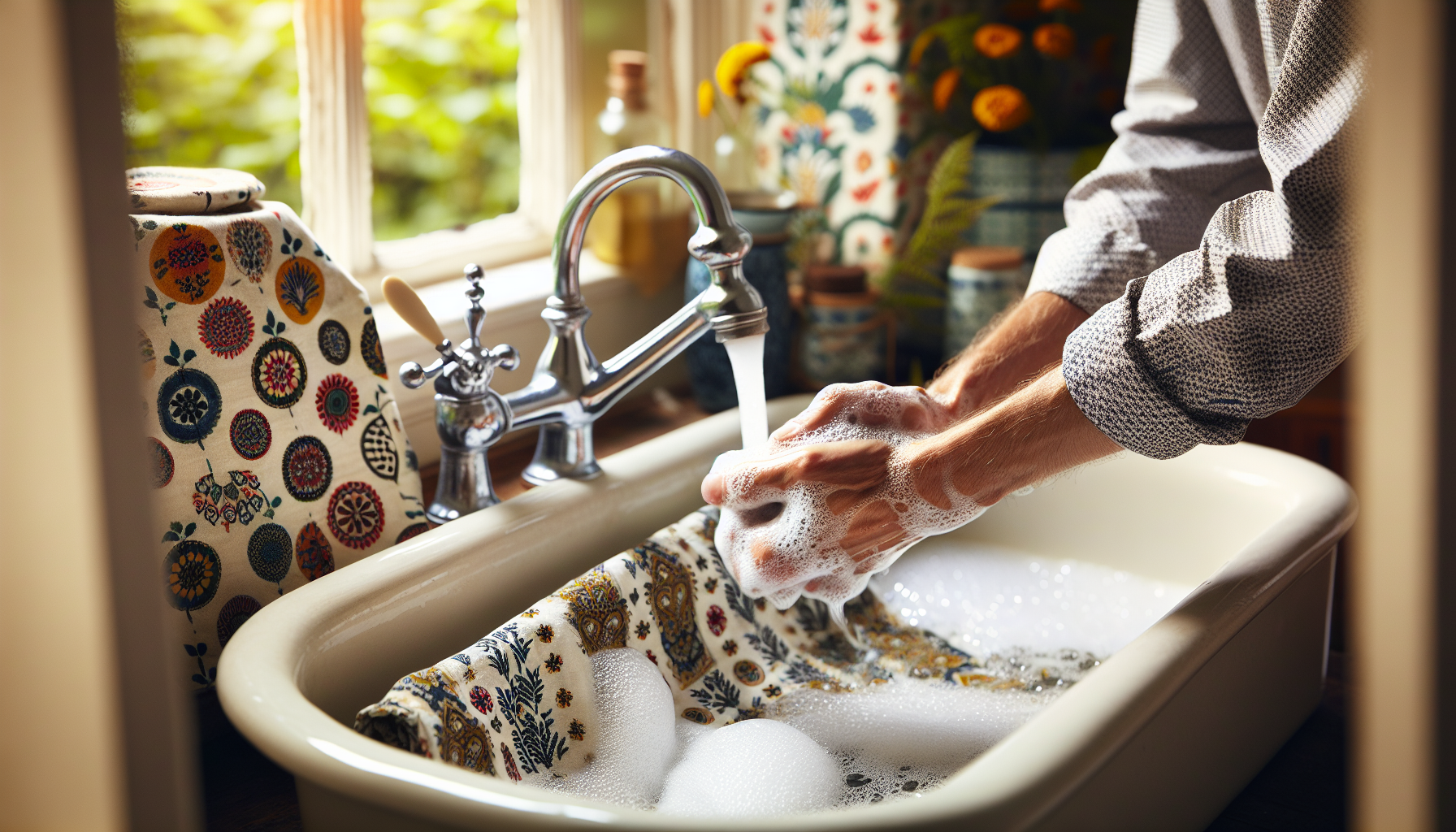
Image Source: images.surferseo.art
The Importance of Clean Kitchen Towels
Think about it: your kitchen towels touch everything. They dry your hands after washing them, they wipe down countertops, and they often handle raw food juices. Without regular and thorough washing, they can spread germs and bacteria around your kitchen, potentially leading to foodborne illnesses. Keeping them clean is not just about aesthetics; it’s about food safety and overall household health.
Why Regular Washing Matters
- Hygiene: Prevents the spread of bacteria like E. coli and Salmonella.
- Odor Control: Eliminates unpleasant smells caused by dampness and food residues.
- Appearance: Keeps towels looking fresh and new, rather than dingy and stained.
- Longevity: Proper care can extend the life of your kitchen towels.
Decoding the Laundry Cycle for Kitchen Cloths
Not all laundry cycles are created equal, especially when it comes to kitchen cloths. The right cycle can make a big difference in how clean and fresh your towels come out.
Choosing the Right Wash Cycle
- Heavy Duty or Normal Cycle: For most everyday kitchen towels, a “Heavy Duty” or “Normal” cycle is usually sufficient. These cycles offer a good balance of agitation and water usage to tackle dirt and germs.
- Sanitize Cycle: If your towels have been exposed to raw meat or have had a particularly messy encounter, use a “Sanitize” cycle. This uses very hot water (often 140°F or higher) to kill most common household bacteria.
- Delicate Cycle: Avoid the delicate cycle for kitchen towels unless they are made from very fine materials. It doesn’t provide enough agitation to thoroughly clean them.
Water Temperature: Hot is Best
When asking “Can I wash kitchen towels in hot water?”, the answer is a resounding yes. Hot water is crucial for effectively sanitizing dish towels and killing germs.
- Hot Water (140°F / 60°C or higher): This is the ideal temperature for sanitizing kitchen towels. It helps to break down grease, remove food particles, and kill bacteria and viruses.
- Warm Water (90-110°F / 32-43°C): Warm water is acceptable for less soiled towels or for maintaining colors if you’re concerned about fading. However, it may not be as effective at sanitizing.
- Cold Water: Cold water is generally not recommended for kitchen towels unless specified by the care label. It’s less effective at removing grease and sanitizing.
Selecting the Best Detergent for Towels
The type of detergent you use can significantly impact the cleanliness and lifespan of your kitchen towels. You want something that cleans effectively without being too harsh.
Detergent Options:
- Liquid Detergent: Generally dissolves well in all water temperatures and is good at lifting stains.
- Powder Detergent: Can be very effective, especially in hot water, and is often more economical. Ensure it dissolves completely to avoid residue.
- Pods/Pacs: Convenient and pre-portioned, these are also effective.
What Makes a “Best Detergent for Towels”?
Look for detergents that are:
- Enzyme-Based: Enzymes are great at breaking down organic stains like food particles and grease.
- Chlorine Bleach Free (for most): While chlorine bleach can be a powerful sanitizer, it can also weaken fabric fibers over time, especially with frequent use. If you do use bleach, ensure it’s diluted and used appropriately.
- Color-Safe Bleach Alternatives: For towels with colors, consider oxygen-based bleaches or color-safe bleach alternatives. These can boost cleaning power without damaging colors.
Natural Ways to Clean Towels
For those who prefer to avoid harsh chemicals, there are several natural ways to clean and refresh your kitchen towels. These methods are effective and environmentally friendly.
Baking Soda: The Multi-Purpose Cleaner
Baking soda is a fantastic natural deodorizer and cleaner.
- Add to Wash: Add about 1/2 cup of baking soda to your washing machine along with your regular detergent. It helps boost the detergent’s cleaning power and neutralize odors.
- Pre-Soak for Tough Stains: For stubborn stains, create a paste of baking soda and water. Apply it to the stain, let it sit for 15-30 minutes, then wash as usual.
White Vinegar: The Sanitizer and Softener
White vinegar is a natural disinfectant and can also help soften fabrics.
- Add to Rinse Cycle: Add 1/2 to 1 cup of white vinegar to the fabric softener compartment or directly into the rinse cycle. This helps remove detergent residue, deodorize, and can even act as a mild fabric softener.
- Soaking Solution: For heavily soiled or smelly towels, soak them in a solution of one part white vinegar to four parts water for an hour before washing.
Lemon Juice: Natural Bleaching and Brightening
Lemon juice has natural bleaching properties that can help brighten whites and tackle stains.
- Sun-Drying with Lemon Juice: After washing, if your towels are white, you can apply lemon juice directly to any remaining stains and then lay them out in direct sunlight to dry. The sun and lemon juice work together as a natural bleach.
Tackling Stubborn Stains on Kitchen Towels
Kitchen towels are prone to a variety of stains, from tomato sauce to coffee. Knowing how to tackle them is essential.
Stain Removal on Kitchen Towels: A Step-by-Step Approach
- Identify the Stain: Knowing what caused the stain helps in choosing the right removal method.
- Act Quickly: The sooner you treat a stain, the easier it is to remove.
- Blot, Don’t Rub: Rubbing can spread the stain and push it deeper into the fabric.
- Pre-Treat: Before washing, pre-treat the stain using one of the methods below.
Common Stain Treatments:
- Grease Stains:
- Dish Soap: Apply a small amount of liquid dish soap directly to the grease stain. Gently rub it in and let it sit for 5-10 minutes before washing. Dish soap is formulated to cut through grease.
- Baking Soda Paste: As mentioned earlier, a paste of baking soda and water can absorb grease.
- Tomato Sauce/Ketchup:
- Vinegar Soak: Soak the stained area in white vinegar for about 15 minutes before washing.
- Lemon Juice (for whites): Apply lemon juice and let it sit in the sun.
- Coffee/Tea:
- Pre-Soak with Detergent: Soak the towel in cool water with a bit of detergent for at least 30 minutes.
- Vinegar: A vinegar soak can also be effective.
- Berries/Fruit Juices:
- Boiling Water: For sturdy fabrics (like cotton), pouring boiling water through the stain from a height can help. Be cautious with this method.
- Lemon Juice/Vinegar: Can also be used as pre-treatments.
Washing Linen Kitchen Towels
Linen is a popular choice for kitchen towels due to its absorbency, durability, and natural antibacterial properties. However, linen requires slightly different care.
Caring for Linen
- Gentle Cycle: Wash linen on a gentle or delicate cycle to protect the fibers.
- Cool or Warm Water: While hot water is great for sanitizing, it can be harsh on linen fibers over time. Opt for cool or warm water for regular washes. Use hot water sparingly for sanitizing purposes only.
- Mild Detergent: Use a mild detergent, preferably one without harsh enzymes or bleach.
- Avoid Overcrowding: Don’t stuff your washing machine. Give linen plenty of space to move freely for a better clean.
- Air Dry is Best: Air drying is ideal for linen to prevent shrinkage and fiber damage. If using a dryer, use a low heat setting.
Sanitize Dish Towels and Disinfect Tea Towels Effectively
The terms “sanitize” and “disinfect” are often used interchangeably, but they have slightly different meanings in cleaning.
- Sanitize: Reduces the number of germs to a safe level.
- Disinfect: Kills most viruses and bacteria.
For kitchen towels, the goal is usually a combination of both.
How to Sanitize Dish Towels:
- Hot Wash Cycle: Use the hottest water setting your washing machine offers, ideally 140°F (60°C) or higher.
- Longer Wash Cycle: If possible, select a longer wash cycle to allow the hot water and detergent more time to work.
- Consider Bleach (Use with Caution): For cotton or linen towels that can tolerate it, adding about 1/2 cup of chlorine bleach to the wash cycle (after the machine has filled with water) can effectively sanitize. Always dilute bleach and never mix it with vinegar or ammonia.
- Vinegar Rinse: A rinse cycle with white vinegar can help kill lingering bacteria.
How to Disinfect Tea Towels:
- Boiling Water Method: For small batches or very delicate items, you can boil them in water. Fill a pot with water, bring it to a boil, add your tea towels, and let them boil for 5-10 minutes. Use tongs to carefully remove them. This is a very effective way to disinfect.
- Hydrogen Peroxide: A 3% hydrogen peroxide solution can be sprayed onto towels and allowed to sit for a few minutes before washing. It’s a gentler alternative to bleach.
- UV Sanitizers: Specialty UV sanitizing bags or boxes can also be used for disinfection.
Removing Grease from Kitchen Cloths
Grease is one of the most common and persistent problems with kitchen cloths. It can make them feel slick and harbor odors.
Effective Grease Removal Techniques:
- Pre-treat with Dish Soap: As mentioned, liquid dish soap is excellent at cutting through grease. Apply directly to the soiled area and let it sit.
- Baking Soda Paste: The absorbent nature of baking soda helps draw out grease.
- Hot Water Wash: Always wash greasy towels in the hottest water setting possible.
- Vinegar Soak: Vinegar can help break down greasy residues.
- Repeat if Necessary: For heavily greased cloths, you might need to repeat the pre-treatment and washing process.
Drying Kitchen Towels Properly
Drying is just as important as washing. Improper drying can lead to mildew, unpleasant odors, and stiff fabrics.
Drying Methods:
- Machine Drying:
- Low or Medium Heat: Use a low to medium heat setting. High heat can shrink cotton and linen towels and damage elastic or decorative elements.
- Don’t Over-Dry: Remove towels while they are still slightly damp and let them air dry completely. Over-drying can make them stiff.
- Tumble Dry with Clean Tennis Balls: For extra fluffiness, add a couple of clean tennis balls to the dryer.
- Air Drying:
- Hang Freely: Hang towels on a clothesline or drying rack, ensuring good air circulation around them.
- Sunlight: If possible, dry towels in direct sunlight. Sunlight is a natural disinfectant and can help brighten white towels.
- Avoid Damp Areas: Ensure the drying area is well-ventilated and not humid, as this can lead to mildew.
Ensuring Complete Dryness:
- Shake Them Out: Before drying, shake out your towels vigorously to untangle them and improve airflow.
- Check for Dampness: Feel the towels thoroughly after drying. If any part feels damp, run them through another short drying cycle or hang them to air dry completely.
Washing Kitchen Rags: Special Considerations
Kitchen rags, especially those used for cleaning up spills, often see more intense use than dish towels. They require a robust cleaning approach.
Treating Rags:
- Separate Loads: It’s often best to wash kitchen rags separately from your dish towels, especially if they are heavily soiled or used for cleaning bathrooms.
- Hot Water and Stronger Detergent: Use the hottest water setting and a good quality detergent. For very dirty rags, consider a laundry booster like borax or a small amount of bleach (if the fabric allows).
- Pre-Soak for Heavily Soiled Rags: If rags are particularly grimy, pre-soaking them in hot water with detergent or a bit of vinegar for an hour before washing can make a big difference.
- Sanitize Regularly: Make sure to sanitize dish towels and rags often, especially if they’ve been used to clean up raw meat juices or have come into contact with vomit or other bodily fluids.
Towel Care Table: A Quick Reference
| Item Type | Wash Cycle | Water Temp | Detergent Type | Special Notes |
|---|---|---|---|---|
| Dish Towels | Heavy Duty/Normal | Hot | Enzyme-based, regular detergent | Sanitize regularly; consider bleach for whites |
| Tea Towels | Normal | Hot/Warm | Mild detergent, natural cleaners (vinegar) | Good for display, handle gently |
| Kitchen Rags | Heavy Duty | Hot | Strong detergent, laundry booster (borax) | Wash separately, pre-soak if very soiled |
| Linen Towels | Gentle/Delicate | Cool/Warm | Mild detergent, avoid bleach | Air dry is best, gentle cycle |
| Heavily Stained | Heavy Duty | Hot | Detergent with stain removers, pre-treat | Address stains immediately |
| Greasy Towels | Heavy Duty | Hot | Dish soap as pre-treatment, good detergent | Repeat treatment if necessary |
| Smelly Towels | Normal/Heavy Duty | Hot | Vinegar in rinse cycle, baking soda in wash | Ensure complete drying |
Maintaining Freshness Between Washes
While washing is key, a few practices can help keep your kitchen towels fresher for longer between washes.
Daily Habits:
- Hang to Dry: After each use, hang your kitchen towel on a hook or rack to allow it to dry completely. Avoid leaving it bunched up or in a damp heap.
- Dedicated Towels: Consider having separate towels for different tasks – one for drying hands, one for dishes, and another for wiping counters. This can help prevent cross-contamination.
- Quick Rinse: For minor spills, a quick rinse under cold water and thorough drying can sometimes suffice until wash day. However, for anything remotely unsanitary, washing immediately is best.
Frequently Asked Questions (FAQ)
How often should I wash kitchen towels?
It’s generally recommended to wash kitchen towels every 1-2 days, especially if they are used daily for drying hands or dishes. Heavily used towels or those that have contacted raw meat juices should be washed immediately.
Can I use fabric softener on kitchen towels?
While fabric softener can make towels feel soft, it can also reduce their absorbency, which is crucial for kitchen towels. It’s best to avoid fabric softener or use it sparingly. Vinegar in the rinse cycle can act as a natural softener without compromising absorbency.
Why do my kitchen towels still smell after washing?
This can happen if they weren’t washed in hot enough water, if there’s too much detergent leaving residue, or if they weren’t dried completely. Ensure you’re using hot water, the correct amount of detergent, and that they are thoroughly dried. A vinegar rinse can also help remove lingering odors.
Can I mix kitchen towels with other laundry?
It’s generally best to wash kitchen towels and rags separately from delicate clothing or items that could transfer lint. If you must mix them, ensure you’re washing them with other sturdy cotton items.
What’s the best way to store clean kitchen towels?
Store clean, dry kitchen towels folded neatly in a drawer or cupboard. Ensure they are completely dry before storing them to prevent mildew.
By following these pro secrets and tips, you can ensure your kitchen towels remain spotless, hygienic, and fresh, contributing to a cleaner and healthier kitchen environment. Remember, clean towels are a simple yet powerful tool in your kitchen hygiene arsenal.