
Wondering how to arrange shelves in your living room for a stylish and inviting look? The secret lies in a thoughtful mix of decor, books, and personal touches, arranged with balance and visual interest in mind. This guide will walk you through professional shelf styling tips to transform your living room display shelves from cluttered to curated.
Living room shelves are more than just storage; they are canvases for your personality and design style. Whether you have modern living room shelves, classic built-ins, or chic floating shelves living room installations, the way you style them can significantly impact the overall ambiance of your space. Let’s dive into the art of shelf arrangement ideas and discover the best shelf decor to make your living room shine.
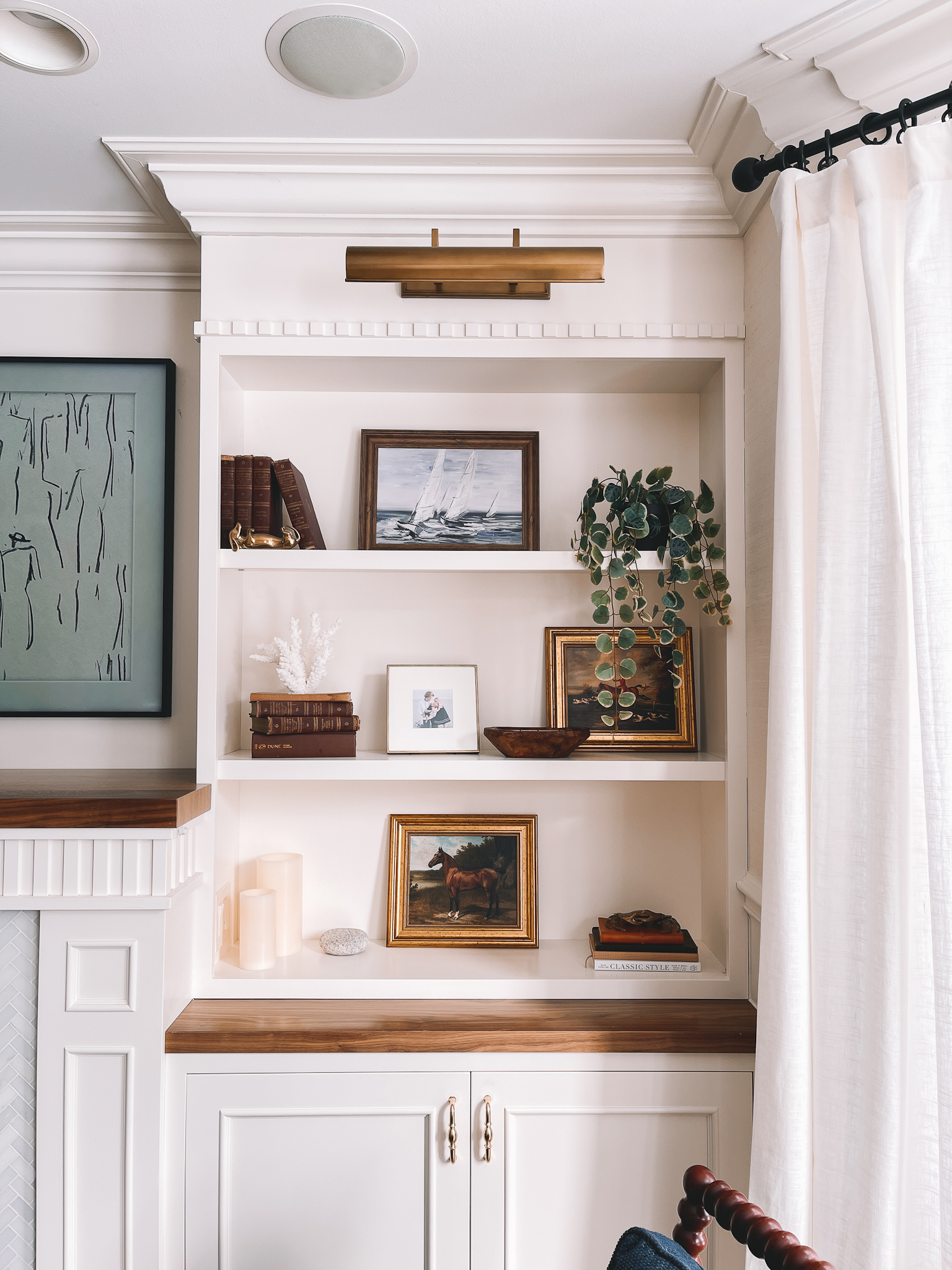
Image Source: kellyinthecity.s3.amazonaws.com
The Foundation: Preparing Your Shelves
Before you start placing items, a little preparation goes a long way.
Decluttering and Cleaning
- Empty Everything: Start by taking everything off your shelves. This allows you to see the space clearly and start fresh.
- Sort and Purge: Go through each item. Ask yourself: Do I love it? Does it serve a purpose? Does it fit my current style? Be ruthless with items that don’t bring you joy or serve a function.
- Clean Thoroughly: Dust and wipe down the shelves themselves. A clean slate makes a huge difference.
Assessing Your Shelving Unit
- Size and Depth: Consider the dimensions of your shelves. Deep shelves can accommodate larger items, while shallower ones might be better suited for books and smaller decor.
- Material and Finish: The material (wood, metal, glass) and finish of your shelves will influence the overall aesthetic. Modern living room shelves often feature clean lines and minimalist materials, while traditional shelves might be richer wood tones.
- Placement: Where are the shelves located? Are they a focal point, or are they tucked away? This affects how bold you can be with your styling.
Core Principles of Shelf Styling
Effective shelf styling is about creating visual harmony and interest. Think of your shelves as a collection of small vignettes.
The Rule of Threes (and Fives)
- Grouping: Humans are naturally drawn to odd numbers. Grouping items in threes or fives creates a more pleasing aesthetic than even numbers.
- Varying Heights: Combine items of different heights. This creates visual flow and prevents the shelves from looking flat.
Balance and Symmetry
- Visual Weight: Distribute items across the shelves so that one side doesn’t feel heavier than the other.
- Symmetry vs. Asymmetry: You can achieve balance through strict symmetry (mirroring items) or through asymmetrical arrangements that still feel visually balanced.
Negative Space (The Power of Emptiness)
- Breathing Room: Don’t overcrowd your shelves. Negative space, or empty areas, allows individual items to stand out and prevents a cluttered look.
- Focus Points: Use negative space to highlight a particularly special piece of decor.
Layering and Depth
- Front to Back: Place larger items towards the back of the shelf and smaller items in front.
- Leaning: Lean artwork or framed photos against the back of the shelf for added depth.
Essential Elements for Living Room Shelf Decor
What should you put on your shelves? A curated mix is key.
Books: The Timeless Classic
- Styling Books: Don’t just stack them randomly.
- By Color: Arrange books by spine color for a rainbow effect or a monochrome look.
- Stacked: Stack some books horizontally, with a decorative item on top, to break up vertical lines.
- Spines Out: Generally, keep spines facing out for readability and visual organization.
- Mix & Match: Combine novels, coffee table books, and even magazines.
Decorative Objects
- Varying Shapes and Textures: Include items like:
- Ceramics: Vases, bowls, sculptures.
- Metals: Brass candlesticks, silver trays, copper accents.
- Wood: Carved figures, wooden bowls, small boxes.
- Glass: Clear or colored glass vases, hurricanes, decorative bottles.
- Personal Touches:
- Photos: Framed family photos or travel memories.
- Souvenirs: Items collected from trips or special events.
- Artwork: Small framed prints or even original pieces.
Greenery and Botanicals
- Live Plants: Small potted plants (like succulents, snake plants, or pothos) add life and color.
- Faux Plants: High-quality faux plants can achieve a similar effect without the need for watering.
- Dried Botanicals: Pampas grass, eucalyptus, or dried flowers in a vase add texture and a natural element.
Lighting
- Candles: Pillar candles, votives, or taper candles in stylish holders.
- Small Lamps: Battery-operated or plug-in LED lamps can add ambient light.
- Fairy Lights: Delicate strings of fairy lights can create a whimsical glow.
Popular Shelf Arrangement Ideas and Styling Techniques
Let’s get practical with how to put it all together.
The Balanced Approach
This is about visual equilibrium.
- Anchor Pieces: Start with larger items on either end of a shelf or on opposite sides of a larger shelving unit.
- Fillers: Use medium-sized items to fill the gaps.
- Accents: Add smaller, decorative items to complete the look.
Example Arrangement:
| Shelf Level | Left Side | Center | Right Side |
| :———- | :—————- | :—————– | :—————– |
| Top | Tall vase with stems | Stacked books | Small sculpture |
| Middle | Framed photo | Medium decorative bowl | Smaller potted plant |
| Bottom | Leaning artwork | Group of 3 books | Ceramic vase |
The Asymmetrical Flow
This approach feels more organic and dynamic.
- Height Variation: Place taller items on one side and then counterbalance with a cluster of smaller items on the other.
- Weight Distribution: Ensure the visual weight is spread out. A large item on one side can be balanced by several smaller items on the opposite side.
Stacking and Grouping
- Book Stacks: Use horizontal book stacks to create platforms for other decorative items.
- Vignette Creation: Group 2-3 items together that share a theme or color palette to create a mini-scene.
Incorporating Floating Shelves Living Room Designs
Floating shelves offer a minimalist and modern look.
- Keep it Light: Because they appear to “float,” it’s best not to overload them with too many heavy items.
- Strategic Placement: Group items to one side or in the center for a clean, uncluttered look.
- Minimalism is Key: These often work best with fewer, more impactful decorative pieces. Consider a single striking vase, a small plant, and a framed print.
Styling Modern Living Room Shelves
Modern aesthetics often favor clean lines and simplicity.
- Geometric Shapes: Incorporate objects with strong geometric forms.
- Monochromatic or Limited Color Palettes: Stick to a few key colors for a sophisticated feel.
- Negative Space: Embrace emptiness. Less is often more.
- Metallic Accents: Polished metals like chrome, brass, or black metal can enhance the modern vibe.
Creating Focal Points
- Statement Piece: Dedicate a prime spot on your shelves to a larger or more unique item that you want to highlight.
- Color Pop: Use a brightly colored object or artwork to draw the eye.
Tips for Styling Different Types of Shelves
Not all shelves are created equal.
Built-in Shelving Units
These offer a great opportunity for a cohesive look.
- Consider the Architecture: If your built-ins are traditional, lean into that with decor. For modern units, keep the styling sleek.
- Segmenting: Treat each section of the built-in as its own styling zone, but ensure an overall flow.
Wall-Mounted Shelves
These can be placed anywhere and offer flexibility.
- Symmetry: If you have two identical shelves on opposite walls, consider styling them symmetrically for balance.
- Asymmetry: If you have a single shelf, play with asymmetrical arrangements to create interest.
Corner Shelves
These can be tricky but rewarding.
- Utilize the Angle: Arrange items so they flow around the corner, rather than just being pushed to the sides.
- Height: Taller items at the back point can work well.
Mistakes to Avoid When Styling Your Shelves
Steer clear of these common pitfalls.
Overcrowding
- The “Stuff” Trap: Resist the urge to fill every inch. Empty space is your friend.
- Visual Clutter: Too many small, similar items can make shelves look messy.
Lack of Balance
- Heavy Sides: One side of the shelf looks packed, while the other is bare.
- Uniform Heights: Everything is the same height, making the shelves look flat and uninteresting.
Ignoring Scale
- Tiny Items on Big Shelves: Small decor pieces can get lost on large shelves.
- Oversized Items on Small Shelves: Large decor can overwhelm a small shelf space.
Not Enough Variety
- All Books, No Personality: Shelves filled only with books can feel monotonous.
- All Decorative Knick-Knacks: Lacking practical items like books can make the shelves feel purely decorative and less functional.
Forgetting to Edit
- Keeping Everything: Regularly review your shelves and remove items that no longer fit or are just collecting dust.
The Best Shelf Decor: A Curated Checklist
Here’s a list of items that consistently work well for living room shelf decor.
| Category | Item Examples | Styling Notes |
|---|---|---|
| Books | Coffee table books, novels, art books | Stack horizontally, mix with vertically shelved books. Color-coordinate for impact. |
| Vases | Ceramic, glass, metal, various shapes & sizes | Use alone, with faux/real flowers, or as part of a vignette. Vary heights. |
| Sculptures | Abstract figures, animals, geometric shapes | Place as a focal point or as a statement piece. Consider metallic or ceramic finishes. |
| Picture Frames | Family photos, travel memories, artwork | Lean against the wall, group in threes, mix frame styles and sizes. |
| Plants | Succulents, small ferns, faux foliage | Add life and color. Place on a lower shelf or as a smaller accent. |
| Candles | Pillar candles, votives, taper candles | Use in decorative holders. Group in threes for a cozy feel. |
| Decorative Boxes | Wood, lacquer, metal, patterned | Store small items discreetly, use as a riser for other decor. |
| Trays | Metal, wood, mirrored | Corral smaller items like remotes or coasters. Add a touch of elegance. |
| Mirrors | Small decorative mirrors | Reflect light and create a sense of depth. |
| Bowls/Dishes | Ceramic, glass, decorative metals | Add textural interest. Can hold small items like keys or decorative orbs. |
Frequently Asked Questions (FAQ)
Q1: How many items should I put on a shelf?
A: There’s no strict number, but aim for balance. Think about the rule of threes and fives. It’s better to have fewer items that you love and that are well-arranged than to fill every inch. Negative space is crucial!
Q2: Should I arrange my shelves symmetrically or asymmetrically?
A: Both can work! Symmetry creates a sense of order and calm, while asymmetry offers a more dynamic and organic feel. Consider the overall style of your living room. Modern spaces often suit symmetry, while bohemian or eclectic styles can embrace asymmetry.
Q3: How do I make my shelves look cohesive?
A: Use a consistent color palette, material type, or theme across your shelves. Repeating a specific color, like gold accents, or a material, like natural wood, can tie everything together.
Q4: What if my shelves are very deep?
A: Deep shelves are great for larger items or for creating layered vignettes. You can place larger decorative pieces at the back, then layer smaller items in front. Consider using risers or book stacks to bring items forward and create visual interest.
Q5: How often should I re-style my shelves?
A: This is entirely up to you! Some people like to refresh their shelves seasonally, while others do it whenever they feel inspired or acquire new decor. A good rule of thumb is to re-evaluate them every few months to dust and perhaps swap out a few items.
Styling shelves in your living room is an enjoyable way to express your personal style and enhance your home’s decor. By following these pro tips and experimenting with different shelf arrangement ideas, you can transform your living room display shelves into beautiful, functional pieces of art. Happy styling!