
Can I get an electric shock in the kitchen? Yes, you absolutely can get an electric shock in the kitchen, and it’s a serious risk that many people overlook. Kitchens are a hub of electrical activity, with numerous appliances and the presence of water, creating a perfect storm for potential accidents. Ensuring proper electrical safety is paramount to preventing painful and even life-threatening injuries. This comprehensive guide will walk you through how to keep your kitchen a safe haven from electrical hazards, covering everything from appliance grounding to water and electricity interactions and the vital role of GFCIs.
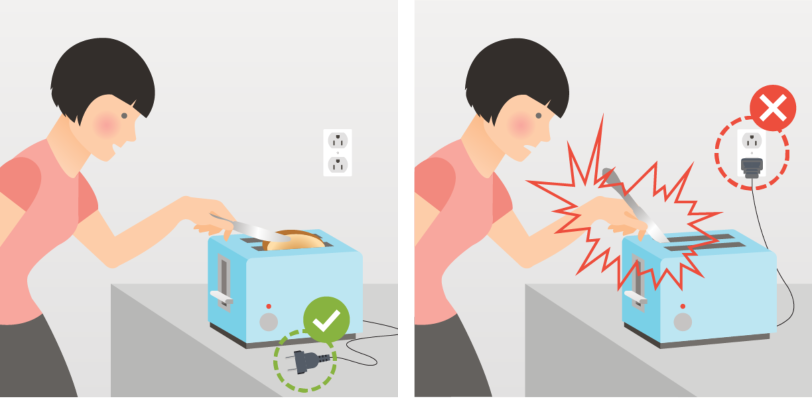
Image Source: www.hydroquebec.com
Recognizing Kitchen Electrical Hazards
The kitchen, while a place of nourishment and gathering, is also a high-risk zone for electrical incidents. Many common kitchen appliances, from toasters and blenders to refrigerators and microwaves, rely on electricity. When these are combined with the ubiquitous presence of water – whether from sinks, spills, or steam – the risk of electric shock escalates significantly.
Common culprits include:
- Damaged Cords and Plugs: Frayed wires or cracked insulation on electrical cords are incredibly dangerous. If exposed wires come into contact with water or your skin, they can conduct electricity.
- Faulty Appliances: Older or poorly maintained appliances may have internal wiring issues that can lead to shocks.
- Wet Hands or Surfaces: Operating electrical appliances with wet hands or standing on a wet floor increases the conductivity between you and the electrical current.
- Improper Use of Extension Cords: Overloading extension cords or using them in damp environments is a recipe for disaster.
- Appliance Placement: Placing electrical appliances too close to the sink or in areas prone to splashes puts them at risk.
- Outdated Wiring: Older homes may have wiring that doesn’t meet current safety standards, making them more susceptible to electrical faults.
The Critical Role of Appliance Grounding
Appliance grounding is a fundamental safety feature designed to protect you from electric shock. It provides a safe path for electricity to flow to the ground in the event of a fault.
How Grounding Works:
- The Third Prong: Most modern appliances have a three-prong plug. The third, round prong is the ground wire.
- Connecting to the Earth: This ground wire is connected to the metal casing of the appliance and, through the electrical system, to the earth itself.
- Fault Scenario: If a live wire inside the appliance accidentally touches the metal casing (e.g., due to damaged insulation), the casing becomes energized. Without grounding, touching the casing would allow electricity to flow through your body to the ground.
- With Grounding: With a proper ground connection, the electricity has a low-resistance path through the ground wire directly to the earth. This causes a surge of current, which should trip a circuit breaker or blow a fuse, immediately cutting off the power supply and preventing a shock.
Ensuring Proper Grounding:
- Never Force a Grounded Plug: Do not break off or remove the ground prong from a plug. This defeats the safety mechanism.
- Use the Correct Outlets: Ensure your kitchen outlets have three slots that match the three-prong plug. If you have older outlets with only two slots, have them inspected and potentially replaced by a qualified electrician.
- Avoid Adapters that Defeat Grounding: Some adapters allow you to plug a three-prong plug into a two-prong outlet. These often rely on a separate grounding wire connection, which is frequently overlooked or improperly made. It’s far safer to upgrade your outlets.
The Danger of Water and Electricity
The combination of water and electricity is notoriously dangerous, making the kitchen a particularly hazardous environment. Water is an excellent conductor of electricity, meaning it can easily carry a current from an electrical source to a person or another conductive surface.
Why Water Increases Risk:
- Conductivity: Pure water is not a great conductor, but the water we encounter in the kitchen (tap water) contains dissolved minerals and impurities that make it highly conductive.
- Path of Least Resistance: Electricity always seeks the path of least resistance to the ground. If your body is wet and in contact with both an electrical source and a grounded object (like a sink or appliance casing), your body can become that path.
- Splashes and Spills: Even small splashes from the faucet or accidental spills from containers can create hazardous wet spots around appliances and outlets.
- Steam and Condensation: Steam from cooking can condense on surfaces, creating moisture that can contribute to conductivity issues.
Preventing Water-Related Shocks:
- Keep Appliances Dry: Ensure that all electrical appliances and cords are kept dry at all times. Wipe up spills immediately.
- Mind Your Hands: Always ensure your hands are dry before touching any electrical appliance or switch.
- Strategic Appliance Placement: Keep appliances like toasters, blenders, and electric mixers away from the sink and any areas where they might be splashed. Consider cord management systems to keep cords tidy and away from potential water sources.
- Turn Off and Unplug: Always turn off and unplug appliances before cleaning them or moving them away from the sink.
The Essential Role of GFCIs
GFCIs, or Ground Fault Circuit Interrupters, are one of the most important safety devices for preventing electric shock, especially in areas where water is present, like kitchens and bathrooms.
What GFCIs Do:
- Detect Ground Faults: A GFCI constantly monitors the electrical current flowing through a circuit. It compares the amount of electricity going to the appliance with the amount returning from it.
- Rapid Shut-off: If it detects even a tiny imbalance (as little as 5 milliamps), it means some electricity is leaking out of the circuit – likely through a person or a faulty appliance. The GFCI then instantly shuts off the power, often within milliseconds, preventing a serious shock.
Where GFCIs Are Crucial in the Kitchen:
Building codes typically require GFCIs for all outlets within six feet of a sink. This includes outlets near your main kitchen sink, prep areas, and any other locations where water use is common.
Testing and Maintaining Your GFCIs:
- Regular Testing: GFCIs have a “Test” and “Reset” button. You should test them monthly to ensure they are working correctly.
- Plug a small appliance (like a lamp) into the GFCI-protected outlet and turn it on.
- Press the “Test” button on the GFCI. The lamp should go off, indicating the GFCI has tripped.
- Press the “Reset” button. The lamp should come back on.
- If the GFCI doesn’t work correctly, it needs to be replaced immediately by a qualified electrician.
- GFCI Outlets vs. Circuit Breakers: While GFCI circuit breakers are available for the main electrical panel, having GFCI outlets provides localized protection at the point of use, offering an extra layer of safety.
Diligent Electrical Cord Inspection
Regularly checking your electrical cords is a simple yet highly effective way to prevent electrical accidents. Damaged cords are a silent threat, often hidden in plain sight.
What to Look For During an Electrical Cord Inspection:
- Fraying or Tearing: Inspect the entire length of the cord, including near the plug and where it connects to the appliance. Look for any signs of exposed wires, cuts, or tears in the outer insulation.
- Cracked or Damaged Insulation: The rubber or plastic coating on the cord can degrade over time, becoming brittle and cracking.
- Loose Connections: Ensure the plug is firmly attached to the cord. A wobbly plug can indicate internal damage.
- Overheating Signs: If a cord feels unusually warm to the touch, even when the appliance isn’t in heavy use, it could be a sign of internal damage or overloading.
- Damaged Prongs: Bent or broken prongs on the plug can prevent proper grounding and create a shock hazard.
What to Do If You Find Damage:
- Do Not Use: If you find any damage to an electrical cord, do not use the appliance.
- Repair or Replace: Minor damage, like a slightly frayed section near the plug, might be repairable by a professional. However, for most damage, the safest option is to replace the cord or the entire appliance if the cord is not replaceable. Never attempt to repair a damaged cord with tape.
Safe Kitchen Practices: A Proactive Approach
Beyond specific checks, adopting a mindset of safe kitchen practices is crucial for ongoing preventing electrical accidents.
Key Practices for a Safer Kitchen:
- Read Appliance Manuals: Always read and follow the manufacturer’s instructions for all your kitchen appliances. This includes guidelines on operation, cleaning, and troubleshooting.
- Unplug When Not in Use: For appliances you don’t use daily (like blenders or stand mixers), unplug them and store the cords neatly. This reduces the risk of accidental activation or damage.
- Clean Up Spills Immediately: Don’t let spills linger around electrical outlets or appliances. Wipe them up promptly with a dry cloth.
- Proper Cleaning: When cleaning appliances, always unplug them first. For those that can be immersed (like some blender bases), ensure they are completely dry before plugging them back in. Never submerge electrical components.
- Avoid Overloading Outlets: Don’t plug too many appliances into a single outlet or extension cord. This can overheat the wiring and cause a fire or shock hazard.
Extension Cord Safety in the Kitchen
While convenient, extension cord safety is often compromised in busy kitchens. Extension cords are not meant to be permanent solutions and have specific usage guidelines.
Guidelines for Using Extension Cords:
- Use Appropriately Rated Cords: Ensure the extension cord is rated for the power requirements of the appliance you are plugging into it. Look for cords marked “heavy-duty” if powering larger appliances.
- Never Use Near Water: Do not use extension cords in damp areas or where they might come into contact with water. This includes running them under rugs or near sinks.
- Avoid Daisy-Chaining: Do not plug multiple extension cords together (daisy-chaining). This increases the risk of overheating and voltage drop.
- Inspect Regularly: Treat extension cords with the same diligence as appliance cords. Inspect them for damage before each use.
- Secure Cords: Keep extension cords out of high-traffic areas to prevent tripping hazards and accidental damage.
- Consider Dedicated Circuits: For high-power appliances like microwaves, refrigerators, or dishwashers, it’s always best to have them plugged into a dedicated electrical circuit rather than relying on extension cords.
The Role of Surge Protectors
While not directly preventing electric shock, surge protectors play a vital role in safeguarding your appliances and, by extension, your electrical system from power surges, which can sometimes be a precursor to electrical faults.
How Surge Protectors Help:
- Absorb Voltage Spikes: Power surges are sudden increases in voltage that can damage sensitive electronic components within your appliances. Surge protectors divert these excess voltages away from your devices, typically to the ground.
- Prevent Appliance Damage: By protecting your appliances from surges, they help maintain their operational integrity, reducing the likelihood of internal failures that could eventually lead to safety hazards.
- Connection: Always plug your surge protector into a properly grounded outlet. The surge protector itself needs a grounded path to dissipate excess energy.
Choosing the Right Surge Protector:
- Joule Rating: This indicates how much energy the surge protector can absorb. A higher Joule rating means better protection.
- Clamping Voltage: This is the voltage at which the surge protector starts to divert energy. A lower clamping voltage offers better protection.
- Indicator Lights: Many surge protectors have indicator lights that show if they are providing protection and if the grounding is intact.
Comprehending Electrical Circuits and Safety
A basic comprehension of your kitchen’s electrical setup can further enhance safety.
Key Safety Concepts:
- Circuit Breakers vs. Fuses: Modern homes use circuit breakers. These automatically trip and cut off power when they detect an overload or a fault. Fuses, found in older homes, contain a wire that melts and breaks the circuit when overloaded.
- Overloading: This occurs when too many appliances are plugged into a single circuit, drawing more power than the circuit is designed to handle. This can cause wires to overheat and is a fire hazard.
- Short Circuits: A short circuit happens when an electrical current bypasses the normal path of the circuit, usually due to damaged wiring. This causes a sudden surge of current that trips the breaker or blows a fuse.
What to Do If a Breaker Trips:
- Identify the Cause: Try to determine which appliance might have caused the overload.
- Unplug Appliances: Turn off and unplug all appliances on the affected circuit.
- Reset the Breaker: Go to your main electrical panel and reset the tripped breaker.
- Plug In Appliances Gradually: Plug in appliances one by one, turning them on. If the breaker trips again when you plug in a specific appliance, that appliance may be faulty or drawing too much power.
- If it Persists: If the breaker continues to trip even with minimal load, there might be a wiring issue in your kitchen, and you should contact a qualified electrician immediately.
Preventing Electrical Accidents Through Maintenance and Awareness
Preventing electrical accidents is an ongoing process that involves regular maintenance and a heightened awareness of potential risks.
Proactive Maintenance Tips:
- Regular Professional Inspections: Consider having a qualified electrician inspect your kitchen’s electrical system periodically, especially in older homes. They can identify potential hazards you might miss.
- Appliance Servicing: Follow manufacturer recommendations for servicing appliances, particularly those with heating elements or moving parts.
- Outlet and Switch Checks: Ensure all electrical outlets and switches are securely mounted and free from damage. If an outlet feels loose or a switch sparks, have it checked by a professional.
Cultivating Awareness:
- Educate Family Members: Make sure everyone in your household knows about electrical safety, especially children. Teach them to never play with electrical outlets or appliances and to report any damaged cords they find.
- Be Mindful of New Appliances: When purchasing new appliances, consider their electrical requirements and ensure your kitchen’s electrical system can safely support them.
- Stay Informed: Keep up-to-date with electrical safety guidelines and best practices.
Conclusion: A Safe Kitchen is a Well-Maintained Kitchen
The kitchen is a vital part of our homes, and ensuring its safety from electrical hazards should be a top priority. By diligently performing electrical cord inspection, understanding the dangers of water and electricity, ensuring proper appliance grounding, utilizing GFCIs, practicing safe kitchen practices, and being mindful of extension cord safety, you can significantly reduce the risk of electric shock. A commitment to regular maintenance and a constant state of awareness are your greatest allies in preventing electrical accidents and keeping your kitchen a safe place for everyone.
Frequently Asked Questions (FAQ)
Q1: Can I use a regular extension cord in the kitchen?
A1: It’s generally not recommended to use regular extension cords as a permanent solution in the kitchen. If you must use one, ensure it’s heavy-duty, properly rated for the appliance, and kept away from water sources. Always inspect it for damage before use.
Q2: What should I do if I notice an appliance sparking?
A2: Immediately turn off the appliance and unplug it from the outlet. Do not use the appliance again until it has been inspected and repaired by a qualified electrician.
Q3: Is it safe to touch an appliance if my hands are slightly damp?
A3: No, it’s never safe to touch electrical appliances with damp hands. Always ensure your hands are completely dry before operating any electrical device.
Q4: How often should I test my GFCIs?
A4: You should test your GFCIs monthly to ensure they are functioning correctly.
Q5: My kitchen outlets are old and only have two prongs. Is this dangerous?
A5: Yes, outlets with only two prongs are not properly grounded, which significantly increases the risk of electric shock. You should have a qualified electrician upgrade these outlets to three-prong, grounded outlets.