
Can you get rid of cockroaches in kitchen cabinets? Yes, you can effectively get rid of cockroaches in your kitchen cabinets through a combination of cleaning, sealing, baiting, and prevention methods.
Seeing a cockroach scurry across your kitchen counter or disappear into the shadowy depths of your cabinets is a deeply unsettling experience. It’s not just a matter of aesthetics; these resilient pests are carriers of bacteria and can pose significant health risks. A cockroach infestation in the kitchen is a common problem, but one that can be tackled with the right approach. This in-depth guide will walk you through how to eliminate kitchen roaches from your cabinets and keep them from returning.
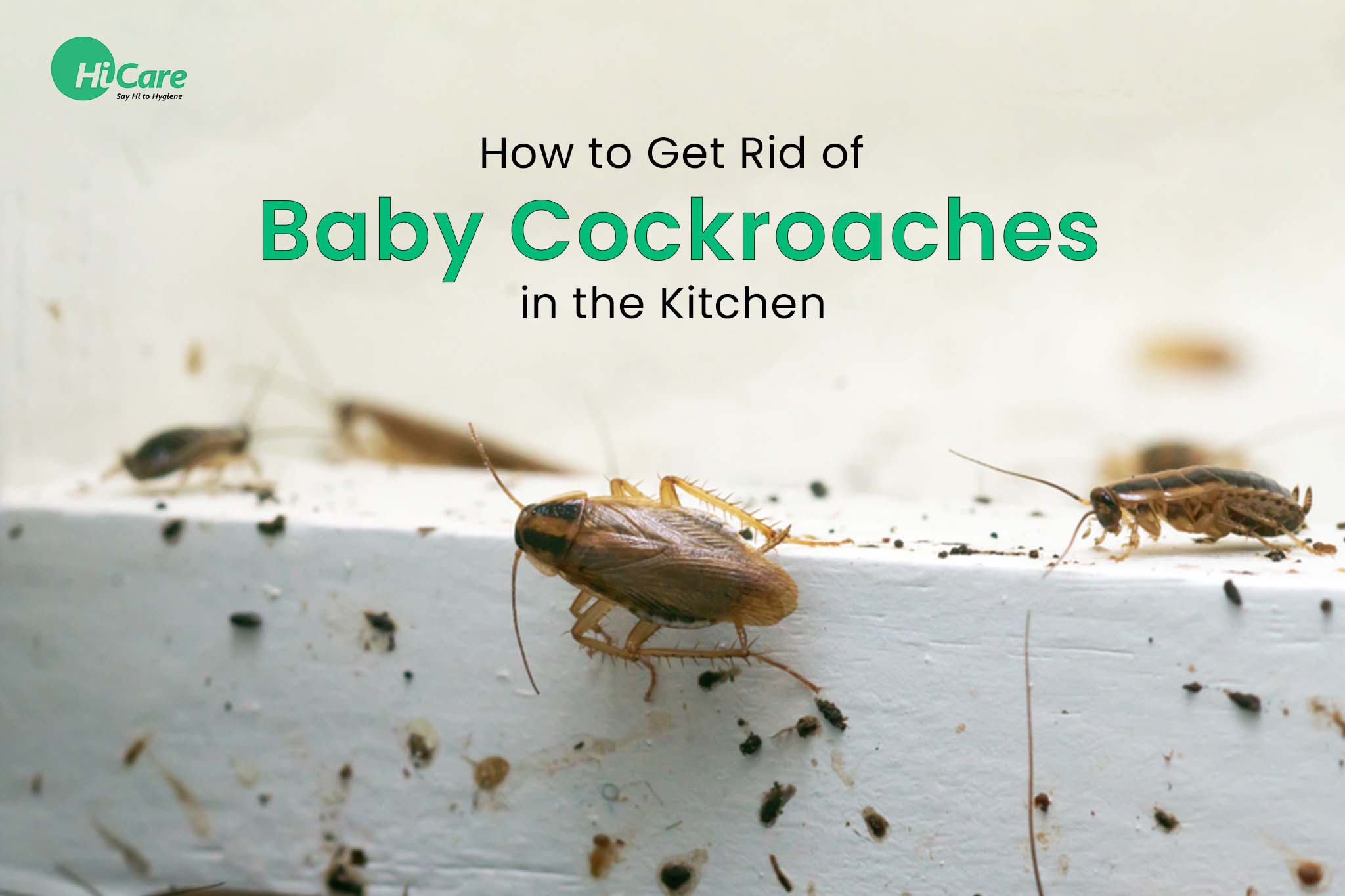
Image Source: hicare.in
The Unseen Guests: Why Cockroaches Love Kitchen Cabinets
Your kitchen cabinets are a prime real estate for cockroaches. They offer the perfect blend of shelter, food, and water – all the essentials for their survival and reproduction.
- Food Sources: Even the smallest crumbs, spills, or forgotten food particles are a feast for cockroaches. They are not picky eaters and will consume anything organic.
- Water: Leaky pipes under the sink or residual moisture from dishwashing provide a vital water source.
- Shelter: The dark, cramped spaces within cabinets offer protection from light and predators. Cracks and crevices are ideal nesting spots.
- Warmth: Kitchens, especially near appliances, often provide a consistently warm environment that cockroaches find appealing.
Identifying the Enemy: Signs of a Cockroach Infestation
Before you can effectively remove cockroaches, you need to confirm their presence and understand the extent of the problem. Look for these tell-tale signs:
- Live Cockroaches: The most obvious sign is spotting live cockroaches, especially during the day, which usually indicates a larger infestation.
- Cockroach Droppings: These can resemble black pepper flakes or coffee grounds, depending on the species and the surface they are on. You’ll often find them along baseboards, inside cabinets, and in dark corners.
- Egg Cases (Oothecae): Female cockroaches carry their eggs in protective casings. These are typically dark brown or reddish-brown and can be found in hidden areas.
- Musty Odor: A significant infestation can produce a distinct, unpleasant, musty odor. This smell is caused by their secretions and feces.
- Shed Skins: As cockroaches grow, they shed their exoskeleton. Finding these translucent, brown casings is a clear indicator of their presence and life cycle.
Your Battle Plan: Strategies to Eliminate Kitchen Roaches
Getting rid of cockroaches requires a multi-pronged approach. We’ll cover everything from initial clean-up to long-term prevention.
Step 1: The Deep Clean – Creating an Unwelcoming Environment
A thorough cleaning is the cornerstone of any effective cockroach removal from kitchen cabinets. You need to eliminate their food and water sources and disrupt their hiding places.
Kitchen Cabinet Cleaning for Roaches
This isn’t your average dusting. We’re talking about a deep-down scrub.
- Empty Everything: Remove all items from your cabinets. Inspect each item for signs of infestation. Dispose of any heavily infested food products immediately in a sealed bag outside your home.
- Vacuum Thoroughly: Use your vacuum cleaner with a crevice tool to suck up all visible crumbs, dust, and even tiny debris from the corners, shelves, and back walls of the cabinets. Don’t forget the areas around hinges and any cracks.
- Scrub Surfaces: Mix a solution of warm water and dish soap or a mild all-purpose cleaner. Use a sponge or cloth to thoroughly wipe down all interior surfaces of the cabinets, including shelves, drawers, and the cabinet doors. Pay close attention to any sticky residues or food spills.
- Clean the Sink and Appliances: Cockroaches are drawn to moisture. Ensure your sink is dry and free of dirty dishes. Clean under and behind appliances like refrigerators, stoves, and dishwashers, as these are common hiding spots.
- Wash Linings: If you use shelf liners, wash them thoroughly. If they are heavily soiled or infested, it’s best to discard and replace them.
Addressing Moisture Issues
Water is as critical as food for cockroaches.
- Fix Leaks: Inspect all plumbing under your sink and around your dishwasher. Fix any dripping faucets or leaky pipes immediately.
- Dry Surfaces: Ensure the area under your sink and around appliances is always dry. Use a towel to wipe up any condensation or spills.
Step 2: Sealing the Entry Points – Blocking Their Access
Cockroaches can squeeze through incredibly small openings. Sealing these gaps is crucial for preventing new infestations and containing existing ones.
Sealing Cracks and Crevices
- Inspect Cabinet Interiors: Look for any cracks, holes, or gaps in the cabinet walls, floor, and ceiling.
- Use Caulk: Seal these openings with caulk. Pay special attention to areas where pipes or wires enter the cabinets.
- Check for Gaps Around Appliances: Ensure there are no gaps between your appliances and the walls or countertops.
- Seal Utility Penetrations: Any holes where pipes, wires, or vents pass through walls should be sealed with caulk or steel wool (cockroaches find steel wool difficult to chew through).
Step 3: Baiting and Trapping – The Direct Assault
Once the environment is less hospitable, it’s time to actively eliminate the cockroaches present.
The Best Cockroach Traps for Kitchen Use
Traps are an effective way to monitor and reduce cockroach populations.
- Sticky Traps: These non-toxic traps have a strong adhesive surface that catches cockroaches. Place them in areas where you’ve seen activity, such as under sinks, behind appliances, and along cabinet baseboards. They are great for monitoring the severity of an infestation.
- Bait Stations: These contain a slow-acting poison mixed with an attractant. Cockroaches eat the bait and then return to their harborages, where they die. Other cockroaches may then consume the poisoned feces or carcasses, creating a domino effect. Place bait stations where you see droppings or where cockroaches are likely to travel.
DIY Cockroach Killer Cabinets: Natural and Effective Solutions
For those who prefer a chemical-free cockroach treatment, several DIY options can be quite effective.
- Borax or Boric Acid: This is a classic and effective option. Boric acid is a natural mineral that acts as a stomach poison and abrasive to cockroaches.
- How to use: Sprinkle a thin layer of boric acid powder in the back of cabinets, behind appliances, and along baseboards. Avoid applying it where food or pets can come into contact with it. It works best when kept dry.
- Caution: Boric acid is toxic if ingested, so use with extreme care if you have children or pets.
- Diatomaceous Earth (Food Grade): This is a natural powder made from fossilized aquatic organisms. It has sharp edges that cut through the cockroach’s exoskeleton, causing them to dehydrate and die.
- How to use: Apply a thin dusting of food-grade diatomaceous earth in dry areas where cockroaches hide, such as cabinet voids, behind appliances, and in electrical outlets (carefully!).
- Safety: Food-grade DE is generally safe for pets and humans when used correctly, but avoid inhaling the dust.
- Baking Soda and Sugar: This simple mixture can also be effective. Cockroaches are attracted to the sugar, and when they consume the baking soda, it produces gas in their digestive system, which they cannot expel, leading to their demise.
- How to use: Mix equal parts baking soda and sugar in a shallow dish. Place these dishes in affected areas.
- Natural Cockroach Repellent Cabinets: While not direct killers, certain scents can deter cockroaches.
- Peppermint Oil: Cockroaches dislike the strong scent of peppermint oil. Mix a few drops with water in a spray bottle and mist the inside of cabinets, window sills, and doorways.
- Bay Leaves: Place dried bay leaves in your cabinets and pantry. Their strong aroma is believed to repel cockroaches.
- Cucumber Peels: Some believe that placing cucumber peels in cabinets can deter cockroaches, as they reportedly dislike the scent.
Utilizing Gel Baits
Gel baits are a very effective DIY cockroach killer for cabinets and are also available professionally.
- How they work: These baits are applied in small, discrete dots in areas where cockroaches are active. The bait contains a slow-acting insecticide mixed with an extremely appealing food source for roaches. They eat it, go back to their harborage, die, and other roaches eat them, spreading the poison.
- Application: Apply small dots in cracks, crevices, under sinks, behind appliances, and in the corners of cabinets. Avoid spraying insecticides near bait, as this can deter them from eating it.
Step 4: Prevention – Keeping Them Out for Good
Once you’ve successfully eliminated the current cockroach population, the focus shifts to preventing their return.
Ongoing Kitchen Cabinet Cleaning for Roaches
Maintain a rigorous cleaning schedule.
- Daily Tidiness: Wipe down counters and stovetops after every meal.
- Regular Cabinet Cleaning: Schedule a more thorough cabinet cleaning every 1-2 months.
- Food Storage: Store all food, including pet food, in airtight containers made of glass, metal, or thick plastic.
- Trash Management: Empty kitchen trash cans daily and ensure they have tight-fitting lids. Clean the trash can itself regularly.
Maintaining a Dry Environment
- Fix Leaks Promptly: Don’t let dripping faucets or pipes go unrepaired.
- Wipe Up Spills: Immediately clean up any spills, especially in and around cabinets.
Sealing and Maintenance
- Regularly Inspect: Periodically check for new cracks or openings in your kitchen and seal them as they appear.
- Check Groceries: Inspect all new groceries before bringing them into your kitchen, as they can sometimes carry cockroach eggs or nymphs.
When to Call the Professionals: Professional Cockroach Extermination Kitchen
Sometimes, the infestation is too severe or persistent for DIY methods alone. In such cases, professional cockroach extermination in the kitchen is the best course of action.
When DIY Isn’t Enough
- Large Infestations: If you see cockroaches frequently, day or night, the infestation is likely significant.
- Persistent Presence: If you’ve tried multiple DIY methods and still see cockroaches, a professional can identify hidden harborages and apply targeted treatments.
- Health Concerns: For individuals with allergies or asthma, or if there’s a severe infestation, professional help ensures safe cockroach removal from the kitchen.
What Professionals Offer
Professional exterminators have access to more potent treatments and the knowledge to apply them safely and effectively. They can:
- Conduct thorough inspections: Identify the species of cockroach and the extent of the infestation.
- Apply targeted treatments: Use baits, insecticides, and insect growth regulators that are most effective for the specific cockroach species.
- Provide integrated pest management (IPM) plans: Develop a strategy that combines chemical and non-chemical methods for long-term control.
- Offer guarantees: Many professional services come with guarantees, ensuring the problem is resolved.
Natural Cockroach Repellent Cabinets: Reinforcing Your Defense
Beyond immediate removal, creating a less appealing environment with natural repellents can bolster your defenses.
Essential Oils to the Rescue
Several essential oils have strong scents that cockroaches reportedly dislike:
- Peppermint Oil: As mentioned, its potent aroma is a deterrent.
- Tea Tree Oil: Known for its antiseptic and insecticidal properties.
- Eucalyptus Oil: Another strong-smelling oil that may repel roaches.
- Citronella Oil: Commonly used as an insect repellent, its strong scent can also deter cockroaches.
How to use: Mix 10-15 drops of your chosen essential oil with a cup of water in a spray bottle. You can add a tablespoon of white vinegar to the mixture for an extra punch. Spray this solution around the perimeters of your kitchen, inside cabinets, and near entry points. Reapply weekly.
Other Natural Deterrents
- Vinegar: The acidity of vinegar can disrupt cockroach scent trails. Mix equal parts white vinegar and water and use it to clean surfaces.
- Bay Leaves: Continue to place bay leaves in dry areas like pantries and cabinets.
Frequently Asked Questions (FAQ)
Q1: How often should I clean my kitchen cabinets to prevent cockroaches?
A1: A quick wipe-down of surfaces after cooking should be done daily. For a deeper clean, aim for once every 1-2 months. Regularly check for crumbs and spills.
Q2: Can cockroaches live in my cabinets even if I keep them clean?
A2: Yes, if there are small cracks or entry points, or if a neighbor has an infestation. They are very resilient and can find sustenance from minuscule amounts of food or moisture.
Q3: Are DIY cockroach killers safe for my family and pets?
A3: Natural methods like food-grade diatomaceous earth and careful application of baking soda/sugar are generally safer. Boric acid and some commercial baits require careful handling and placement away from children and pets due to toxicity. Always read product labels and follow instructions meticulously.
Q4: How do I know if I have a serious cockroach problem?
A4: Seeing a few roaches occasionally might be manageable, but seeing them frequently, especially during the day, finding numerous droppings, or noticing a distinct odor indicates a serious infestation that may require professional help.
Q5: What is the most effective way to get rid of cockroaches in kitchen cabinets?
A5: The most effective approach combines thorough cleaning to remove food and water sources, sealing entry points to prevent access, and using targeted baits and traps. For severe infestations, professional extermination is recommended.
By implementing these detailed strategies, you can take control of your kitchen and effectively remove cockroaches from your cabinets, ensuring a cleaner, healthier living environment. Remember, consistency in cleaning and prevention is key to long-term success.