
Can you keep a dog out of the kitchen easily and safely? Yes, by using a combination of physical barriers, training, and management strategies. This blog post will delve into various methods to help you achieve just that, ensuring a peaceful coexistence for both you and your canine companion. We will explore how to implement effective dog proofing kitchen techniques, prevent dog from entering kitchen with simple tools, and establish dog-friendly kitchen boundaries. Whether you need a robust kitchen gate for dogs, subtle dog deterrents for kitchens, or simply want to keep dog away from food, we have you covered. Let’s also address how to stop dog begging kitchen habits and discuss the best pet barriers for kitchen and kitchen door for pets.
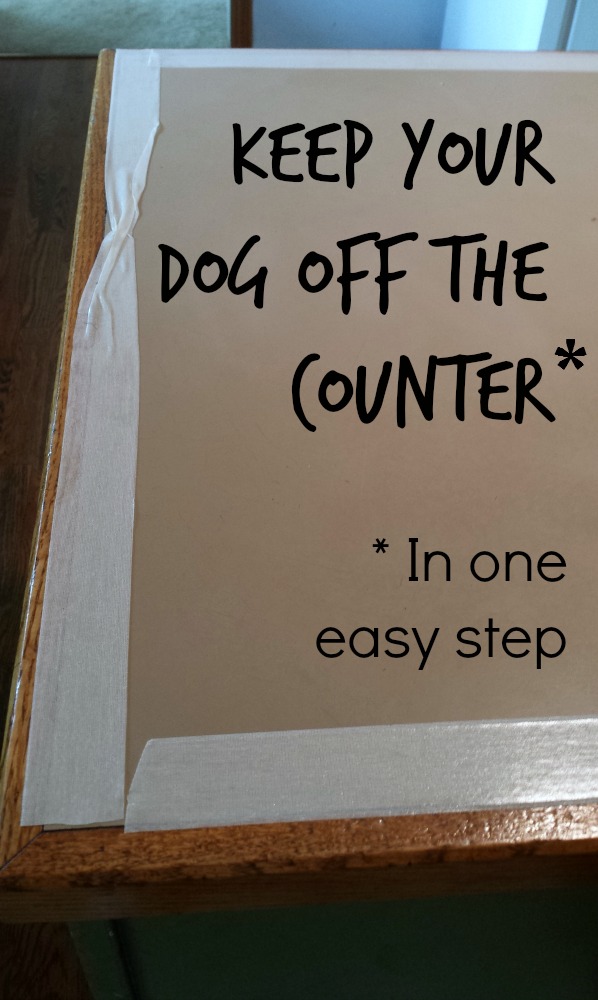
Image Source: www.makesomethingdaily.com
The Importance of a Dog-Free Kitchen Zone
The kitchen is often the heart of the home, a place of cooking, dining, and, unfortunately for dog owners, a prime location for dropped food and enticing smells. For many, the presence of a dog in the kitchen while cooking or eating can be distracting, unhygienic, and even dangerous. Dropped ingredients, hot surfaces, and the risk of your dog ingesting something harmful are all valid concerns. Furthermore, a dog constantly underfoot can lead to accidents, like tripping hazards. Establishing a dog-friendly kitchen boundaries doesn’t mean your dog dislikes the kitchen; it’s about creating a safe and functional space for everyone.
Why Dogs Gravitate Towards the Kitchen
Dogs are naturally drawn to kitchens for several reasons:
- Food Smells: The kitchen is a sensory paradise for dogs. The aromas of cooking food, spices, and leftovers are incredibly stimulating.
- Opportunity: It’s where food is prepared and often dropped. For a resourceful dog, it’s a treasure trove.
- Human Presence: Dogs are social animals and often want to be wherever their humans are. If you spend a lot of time in the kitchen, your dog will too.
- Attention: Some dogs learn that being in the kitchen, especially when you’re cooking, elicits attention, even if it’s negative.
Physical Barriers: The First Line of Defense
When you need to prevent dog from entering kitchen immediately, physical barriers are your most reliable allies. These are solutions that physically block your dog’s access.
Installing a Kitchen Gate for Dogs
A kitchen gate for dogs is arguably the most effective physical barrier. There are several types to consider:
Pressure-Mounted Gates
- Pros: Easy to install and remove, no drilling required.
- Cons: Less secure for very determined dogs or those who like to climb or push. Not ideal for the top of stairs.
- Best For: Smaller dogs, calm dogs, or as a temporary solution.
Hardware-Mounted Gates
- Pros: Most secure option, mounted directly to doorframes or walls with screws. Can support heavier dogs and prevent them from pushing through.
- Cons: Requires drilling, so it’s a more permanent installation.
- Best For: Larger dogs, active dogs, or areas where security is paramount.
Expandable or Freestanding Gates
- Pros: Versatile, can be used to block off wider openings or odd-shaped areas. Some are designed to be moved easily.
- Cons: Can be less secure than mounted gates if not positioned correctly.
- Best For: Blocking off large living areas adjacent to the kitchen or for flexible use.
Specialty Pet Doors and Kitchen Doors for Pets
If you have a specific need for your dog to access certain areas while being blocked from the kitchen, consider a kitchen door for pets. These can range from simple solid doors to those with built-in pet doors that can be locked. These are excellent for larger homes or when you want to give your dog access to another room but keep them out of the kitchen.
Using Playpens and Exercise Pens
For temporary situations, like when you’re actively cooking and need immediate separation, a sturdy playpen or exercise pen can be a good option. You can place it in the doorway to the kitchen, creating an effective barrier. Ensure the pen is tall enough for your dog and that there are no gaps they can squeeze through.
Furniture as Barriers
Sometimes, strategic placement of furniture can help. A sturdy console table or a bench placed across a doorway can act as a temporary, albeit less elegant, barrier. Ensure it’s stable and won’t tip over if your dog bumps into it.
Training Strategies: Building Good Habits
While physical barriers are essential, training is key to long-term success in teaching your dog to keep dog away from food and respect kitchen boundaries.
Teaching the “Stay” Command
A solid “stay” command is invaluable. Practice this in various parts of the house, gradually increasing the duration and distractions. Once mastered, you can use it to keep your dog in their designated spot while you prepare meals.
The “Place” Command
This command teaches your dog to go to a specific spot (like a mat or bed) and remain there until released.
- How to Teach “Place”:
- Place your dog’s mat or bed in a location outside the kitchen.
- Lure your dog onto the mat with a treat. As soon as they step onto it, say “Yes!” or click your clicker and give them the treat.
- Repeat this, rewarding them for standing or lying on the mat.
- Start saying “Place” as they move towards the mat.
- Gradually increase the time they spend on the mat before rewarding.
- Practice sending them to their “Place” from increasing distances.
- Once they are reliably going to their “Place,” start practicing while you are in the kitchen. Initially, just walk into the kitchen and back out. Reward them for staying on their mat.
- Slowly increase the time you spend in the kitchen, gradually introducing small distractions.
Discouraging Begging and Counter-Surfing
A common issue is dogs begging or trying to snatch food from counters.
-
Stop Dog Begging Kitchen Habits:
- Ignore Begging: Do not give your dog attention, food, or even eye contact when they are begging. Any reaction can reinforce the behavior.
- Feed at Designated Times: Ensure your dog is fed their meals regularly, so they are less likely to be hungry when you are eating.
- Provide a “Distraction”: When you are eating, give your dog a special chew toy or a stuffed Kong filled with something delicious. This can keep them occupied and away from your food.
- Teach “Leave It”: This command teaches your dog to ignore tempting items.
-
Preventing Counter-Surfing:
- Cleanliness is Key: Never leave food unattended on counters or tables.
- Reward Good Behavior: If your dog is in the kitchen but not trying to jump or beg, reward them with praise or a quiet treat.
- Use Deterrents (with caution): More on this in the next section.
Dog Deterrents for Kitchens: Gentle Guidance
Sometimes, a little extra help is needed. Dog deterrents for kitchens can be useful tools to discourage unwanted behavior. It’s crucial to use these humanely and as a supplement to training, not a replacement.
Sensory Deterrents
These aim to make the kitchen less appealing through smell or sound.
Bitter Sprays
- What They Are: Non-toxic sprays with a bitter taste that can be applied to surfaces your dog shouldn’t lick or chew.
- How to Use: Spray on cabinets, lower shelves, or even the edge of counters (test on an inconspicuous spot first to avoid staining). The unpleasant taste deters chewing and licking.
- Effectiveness: Varies by dog; some dogs are indifferent to the taste.
Motion-Activated Air Sprayers
- What They Are: Devices that detect movement and emit a short burst of compressed air. The sudden hiss is startling and can deter dogs from approaching a forbidden area.
- How to Use: Place near the kitchen entrance or on a counter edge.
- Effectiveness: Generally effective for dogs who are startled by sudden noises. However, some dogs can become desensitized over time.
Aluminum Foil or Double-Sided Tape
- What They Are: Simple household items that dogs often dislike.
- How to Use: Lay aluminum foil on counter edges or floors. The crinkling sound and texture can be off-putting. Stick double-sided tape on surfaces they might jump onto. Dogs generally dislike the sticky sensation on their paws.
- Effectiveness: Can be effective for some dogs, but others may ignore them.
Scent Deterrents (Use with Extreme Caution)
Some people use scents dogs dislike, like citrus or vinegar, to deter them.
- Important Considerations:
- Dilution is Key: Always dilute strongly scented items like essential oils. Many essential oils are toxic to dogs, even in small amounts.
- Ventilation: Ensure good ventilation.
- Consult a Vet: Before using any new scent-based deterrents, especially essential oils, consult your veterinarian.
- Effectiveness Varies: Dogs’ sensitivities to smells differ greatly.
Table: Pros and Cons of Common Deterrents
| Deterrent Type | Pros | Cons |
|---|---|---|
| Bitter Sprays | Safe, deters licking/chewing | May not work for all dogs, can be messy |
| Motion-Activated Air Sprayers | Effective for startling, good for specific zones | Can be startling to humans too, some dogs become desensitized |
| Aluminum Foil/Double-Sided Tape | Cheap, easily available | Not aesthetically pleasing, can be seen as “mean” by some owners |
| Scent Deterrents (e.g., citrus) | Can be natural | Risk of toxicity if not properly diluted/used, efficacy varies greatly |
Creating a Dog-Friendly Kitchen Environment
While keeping dogs out of certain areas is important, the kitchen can also be made more enjoyable and less tempting for your dog in other ways.
Designated Dog Zones
Create a comfortable and inviting space for your dog outside the kitchen. This could be their bed in the living room or a cozy corner in another part of the house. Make this space highly rewarding with comfy bedding, favorite toys, and occasional treats.
Enrichment Activities
A bored dog is more likely to look for trouble, like exploring the kitchen. Provide plenty of mental and physical stimulation throughout the day.
- Puzzle Toys: Fill puzzle toys with kibble or treats for them to solve.
- Chew Toys: Offer safe and engaging chew toys.
- Walks and Playtime: Ensure they get adequate exercise and playtime.
Managing Food
This is a critical aspect of keep dog away from food in the kitchen.
- Secure Trash Cans: Use trash cans with lids that your dog cannot open.
- Clean Up Spills Immediately: Don’t leave tempting messes on the floor.
- Feed Your Dog First: Sometimes, feeding your dog their meal just before or during your meal preparation can keep them occupied and less focused on your food.
- Elevated Feeders: While not directly related to keeping them out of the kitchen, elevated feeders can sometimes reduce their focus on floor-level food smells.
Advanced Techniques and Considerations
For particularly persistent dogs or owners of multiple pets, you might need to explore more comprehensive solutions.
Electronic Pet Barriers
These systems use a wire buried around a boundary (like the kitchen doorway) that emits a signal. When the dog approaches the boundary, their collar receives a warning tone, followed by a mild static correction if they continue.
- Pros: Can be very effective for creating invisible boundaries.
- Cons: Requires a collar on the dog, some owners are uncomfortable with static correction, needs careful installation and training to avoid creating anxiety. Not a good option for dogs with noise phobias or those who are not motivated by avoiding correction.
Baby Gates with Pet Doors
Some baby gates have smaller pet doors built into them. This can allow a cat or a smaller dog to pass through while still blocking a larger dog from entering the kitchen.
Smart Home Integration
While less common, some smart home devices can be integrated. For example, a motion sensor could trigger a noise or alert you if your dog enters the kitchen when they shouldn’t.
Frequently Asked Questions (FAQ)
Q1: What is the best way to prevent my puppy from entering the kitchen?
A1: For puppies, a pressure-mounted baby gate is usually the best initial solution. They are safe, easy to install, and prevent accidents. Combine this with early training using the “place” command and positive reinforcement.
Q2: Can I use a pet barrier for the kitchen if I have a very large dog?
A2: Yes, but you’ll need a heavy-duty, hardware-mounted gate designed for large breeds. Look for gates that are extra wide and tall, with sturdy construction. Some extra-wide configurations are available as pet barriers for kitchen spaces.
Q3: My dog constantly begs at my feet in the kitchen. How do I stop dog begging kitchen habits?
A3: The most effective way to stop begging is to ignore the behavior completely and reward your dog when they are calm and not begging, perhaps when they are in their designated “place.” Feeding them their own meal at the same time you eat can also help.
Q4: Are there specific dog deterrents for kitchens that are safe for cats too?
A4: Most sensory deterrents like bitter sprays or mild noise deterrents are generally safe for cats. However, always use them in moderation and observe your pets’ reactions. Avoid anything that might cause significant stress to either animal. For cats, you might consider different types of pet barriers for kitchen access if they are also part of the household.
Q5: How do I train my dog out of the kitchen if they have learned to sneak in?
A5: This requires consistency. Physically block the kitchen with a gate. Reward them heavily for staying out and for going to their designated spot. If they do sneak in, calmly escort them out without a fuss, and immediately redirect them to an acceptable activity or location. It’s about rewarding the desired behavior more than punishing the undesired one.
Q6: What if my dog jumps over the gate?
A6: If your dog is jumping over the gate, it’s not tall enough. You’ll need to upgrade to a taller gate. For very athletic dogs, consider a walk-through gate with a very secure latch or a heavier-duty, floor-to-ceiling mounted gate system.
Q7: I want to keep my dog out of the kitchen when I’m cooking, but I also want them to have access to water. What’s a good solution?
A7: You could install a kitchen door for pets that includes a small pet door, or have a designated water station just outside the kitchen entrance. Some people also use very secure, enclosed dog crates or pens in an adjacent room where the dog has all their necessities, including water.
Q8: What are some good dog-friendly kitchen boundaries I can use?
A8: These can be physical gates, designated “dog zones” with comfy beds, or even training cues like “go to your bed.” The key is consistency and making the non-kitchen area more appealing than the kitchen itself through positive reinforcement.
By combining sturdy physical barriers like a kitchen gate for dogs with consistent, positive reinforcement training, you can effectively prevent dog from entering kitchen areas. Implementing strategies to keep dog away from food and using dog deterrents for kitchens judiciously, alongside teaching your dog to respect dog-friendly kitchen boundaries, will lead to a harmonious home. Remember, the goal is safety and a functional living space for everyone.