
Ever felt like your running could use a little extra spark? Maybe you’re hitting a plateau, feeling unmotivated, or just want to learn more about the amazing sport you love. You’re not alone! So many runners, from beginners to seasoned pros, look for guidance and inspiration beyond their daily miles.
But when you head to the bookstore or browse online, it’s easy to feel overwhelmed. There are books on training plans, inspiring stories, the science of running, and even cookbooks for athletes! How do you pick the one that will actually help you, instead of just gathering dust on your shelf? It can feel like a race against time just to find the right read.
That’s where this guide comes in! We’ve sifted through the miles of options to bring you a curated selection of running books that will truly make a difference. You’ll discover how these pages can boost your performance, ignite your passion, and even help you understand your body better. Get ready to find your next favorite running companion!
Our Top 5 Running Books Recommendations at a Glance
| Image | Product | Rating | Links |
|---|---|---|---|
 |
Born to Run: A Hidden Tribe | 8.6/10 | Check Price |
 |
Science of Running: Analyze your Technique | 8.6/10 | Check Price |
 |
80/20 Running: Run Stronger and Race Faster by Training Slower | 9.4/10 | Check Price |
 |
Daniels’ Running Formula | 9.4/10 | Check Price |
 |
Endure: Mind | 8.6/10 | Check Price |
Top 5 Running Books Detailed Reviews
1. Born to Run: A Hidden Tribe
Rating: 9.3/10
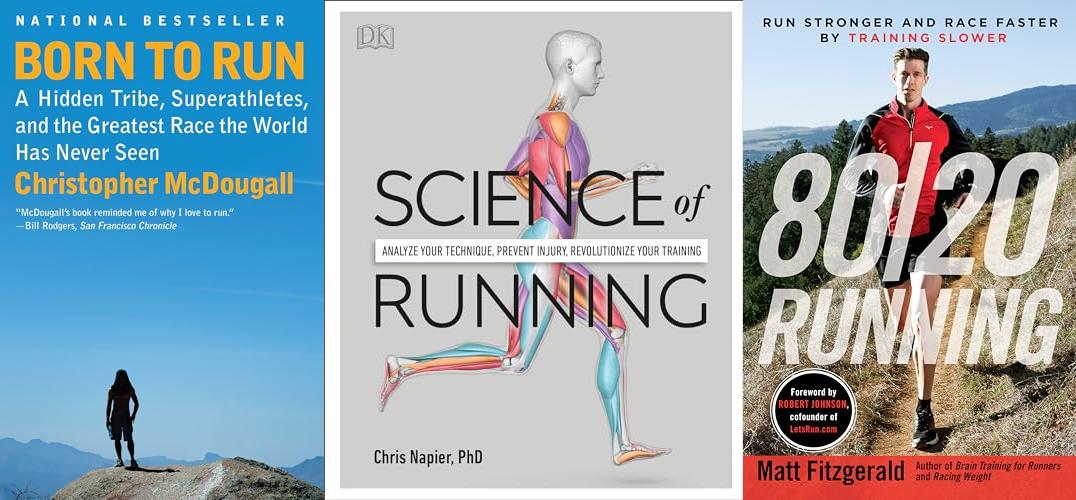
Get ready to explore the incredible world of the Tarahumara Indians in “Born to Run: A Hidden Tribe, Superathletes, and the Greatest Race the World Has Never Seen.” This book takes you deep into Mexico’s Copper Canyon. You’ll discover a tribe of amazing runners. They can run for unbelievable distances without getting tired.
What We Like:
- It tells an exciting true story about the Tarahumara people.
- You learn about their secret running techniques.
- The book describes a thrilling long-distance running race.
- It makes you want to lace up your own shoes and run!
- The descriptions of Copper Canyon are beautiful.
What Could Be Improved:
- Some of the running science explanations can be a bit tricky.
- It might be a little long for some readers.
This book is an inspiring adventure. It shows the power of human endurance and the magic of a hidden culture.
2. Science of Running: Analyze your Technique
Rating: 8.5/10
Are you ready to run smarter, not just harder? The “Science of Running: Analyze your Technique, Prevent Injury, Revolutionize your Training” book from DK Science of offers a deep dive into what makes a runner tick. It breaks down the complex world of running into understandable parts. You’ll learn how your body works when you run and how to make it work better. This book aims to help you reach your running goals while staying healthy.
What We Like:
- It explains how to improve your running form.
- It gives clear advice on avoiding common running injuries.
- The book offers new ways to plan your training.
- It uses science to back up its running tips.
- The information is presented in an easy-to-understand way.
What Could Be Improved:
- Some of the scientific terms might be a little tricky at first.
- More visual examples or diagrams would be helpful for some concepts.
This book is a fantastic resource for any runner looking to improve. It empowers you with knowledge to train effectively and run injury-free.
3. 80/20 Running: Run Stronger and Race Faster by Training Slower
Rating: 8.7/10
The book “80/20 Running: Run Stronger and Race Faster by Training Slower” offers a new way to think about running. It explains a training method where you run most of your miles at an easy pace. This approach helps build a strong base and prevents injuries. The idea is that by running slow, you can actually get faster in races.
What We Like:
- Clear explanation of the 80/20 running philosophy.
- Helps runners understand why slower miles are important.
- Offers practical advice for applying the method.
- Focuses on long-term improvement and avoiding burnout.
- Can lead to stronger running and better race times.
What Could Be Improved:
- Some runners might find the slower pace difficult to stick to at first.
- More specific training plans for different levels could be helpful.
- The book is very focused on the 80/20 principle, and might not cover other training aspects as deeply.
This book presents a compelling argument for a more relaxed approach to training. It’s a valuable read for any runner looking to improve without overtraining.
4. Daniels’ Running Formula
Rating: 8.6/10
Daniels’ Running Formula is a comprehensive guide for runners of all levels. It’s packed with information to help you run faster and longer. You’ll learn about training plans, nutrition, and how to avoid injuries. This book is like having a personal coach right at your fingertips. It breaks down complex ideas into easy-to-understand steps. Whether you’re a beginner or training for a marathon, this formula has something for everyone.
What We Like:
- Clear explanations of training principles.
- Detailed training plans for different goals.
- Helpful advice on preventing injuries.
- Authoritative and well-researched information.
- Includes excerpts and quotes from other experts.
What Could Be Improved:
- Some advanced concepts might be challenging for absolute beginners.
- The layout could be more visually engaging in certain sections.
Daniels’ Running Formula offers valuable insights for any runner looking to improve. It’s a solid resource that will guide your journey to becoming a better runner.
5. Endure: Mind
Rating: 8.9/10
Are you curious about what humans can really do? “Endure: Mind, Body, and the Curiously Elastic Limits of Human Performance” explores the amazing abilities of people. It dives into how our minds and bodies can push past what we think are our limits. The book looks at athletes, scientists, and everyday people who achieve incredible feats. You’ll learn about the science behind endurance and how the mind plays a big role.
What We Like:
- It explains complex ideas in an easy-to-understand way.
- It shares inspiring stories of human achievement.
- The book makes you think about your own potential.
- It covers a wide range of topics related to performance.
What Could Be Improved:
- Some readers might want more scientific details.
- The book could include more examples from different cultures.
This book is a fascinating read for anyone interested in human potential. It will definitely make you reconsider what you thought was possible.
The Ultimate Buying Guide: Find Your Next Great Read
Running books can be amazing companions. They inspire us, teach us new things, and help us reach our goals. But with so many out there, how do you pick the right one? This guide will help you find the perfect running book for you.
Key Features to Look For
When you’re browsing for running books, keep these important features in mind.
- Author’s Expertise: Who wrote the book? Is it a famous runner, a coach, a doctor, or a science writer? An author with real experience or knowledge in running makes the book more trustworthy and helpful.
- Content Focus: What is the book about? Some books focus on training plans, others on the mental side of running, and some tell inspiring stories. Decide what you want to learn or experience from the book.
- Illustrations and Diagrams: Clear pictures or diagrams can really help you understand things. This is especially true for books about running form or exercises.
- Readability: Is the language easy to understand? You want a book that’s enjoyable to read, not one that makes you feel confused.
- Up-to-Date Information: For training or health advice, make sure the book has current information. Science and training methods change.
Important Materials
Most running books are printed on paper. The quality of the paper and the binding can affect how long the book lasts and how it feels to hold.
- Paper Quality: Thicker paper feels nicer and is less likely to tear.
- Binding: A strong binding keeps the pages together, so the book doesn’t fall apart after a lot of use. Hardcover books are usually more durable than paperback.
Factors That Improve or Reduce Quality
Several things can make a running book better or worse.
- Improvements:
- Expert Reviews: Books that have good reviews from other runners or experts are usually high quality.
- Clear Structure: A well-organized book with clear chapters and headings makes it easy to find information.
- Actionable Advice: The best books give you practical tips you can actually use in your running.
- Reductions:
- Outdated Information: Old training advice might not be safe or effective anymore.
- Vague Language: If the book doesn’t explain things clearly, it’s hard to learn from.
- Poor Editing: Lots of typos or grammatical errors can make a book frustrating to read.
User Experience and Use Cases
How you use a running book depends on your goals.
- Beginner Runners: Look for books that explain the basics of running, offer simple training plans, and give advice on avoiding injuries. These books help you start running safely and build confidence.
- Experienced Runners: You might want books that delve into advanced training strategies, sports psychology, or the science behind endurance. These books can help you push your limits and improve performance.
- Injury Prevention and Recovery: If you’ve had an injury or want to avoid one, find books with detailed information on stretching, strengthening exercises, and how to recover.
- Motivation and Inspiration: Sometimes, you just need a good story! Books about famous runners’ journeys can be incredibly motivating. They remind you why you love running.
- Nutrition and Health: Some books cover how to eat for running and maintain overall health. This is important for fueling your runs and feeling your best.
Frequently Asked Questions About Running Books
Q: What kind of running book should I buy if I’m just starting out?
A: If you’re new to running, look for books that offer beginner-friendly training plans. They should also explain how to run correctly and give tips on staying healthy.
Q: Are there books that can help me run faster?
A: Yes! Many books focus on advanced training techniques, speed work, and strength training. These can help experienced runners improve their pace.
Q: What if I struggle with the mental side of running, like staying motivated?
A: Books on sports psychology or books that share inspiring stories from runners can be very helpful. They offer strategies to overcome challenges and stay focused.
Q: Should I worry about how old a running book is?
A: For training and health advice, yes. Science and training methods change. Newer books usually have more current information.
Q: Are there books that teach me how to run with better form?
A: Absolutely. Many books include diagrams and explanations to help you improve your running posture and efficiency.
Q: What makes a running book “high quality”?
A: A high-quality running book is written by an expert, has clear and actionable advice, is easy to read, and is well-organized.
Q: Can running books help me recover from an injury?
A: Yes, some books specifically cover injury prevention, rehabilitation exercises, and strategies for returning to running after an injury.
Q: Is it worth buying hardcover running books?
A: Hardcover books are generally more durable and last longer, which is good if you plan to use the book often.
Q: Where can I find reviews for running books?
A: You can find reviews on online bookstores, running websites, and in running magazines. Other runners’ opinions can be very helpful.
Q: What’s the main difference between a training book and a story-based running book?
A: A training book gives you plans and advice to improve your running. A story-based book tells inspiring tales of runners’ experiences and journeys.
In conclusion, every product has unique features and benefits. We hope this review helps you decide if it meets your needs. An informed choice ensures the best experience.
If you have any questions or feedback, please share them in the comments. Your input helps everyone. Thank you for reading.