
Can you furnish a long, narrow living room effectively? Yes, absolutely! The key to furnishing a long, narrow living room is to break up the space, create defined zones, and choose furniture that enhances the room’s proportions rather than fights against them. This guide will walk you through the best strategies and provide actionable tips for transforming your elongated living area into a stylish and functional haven.
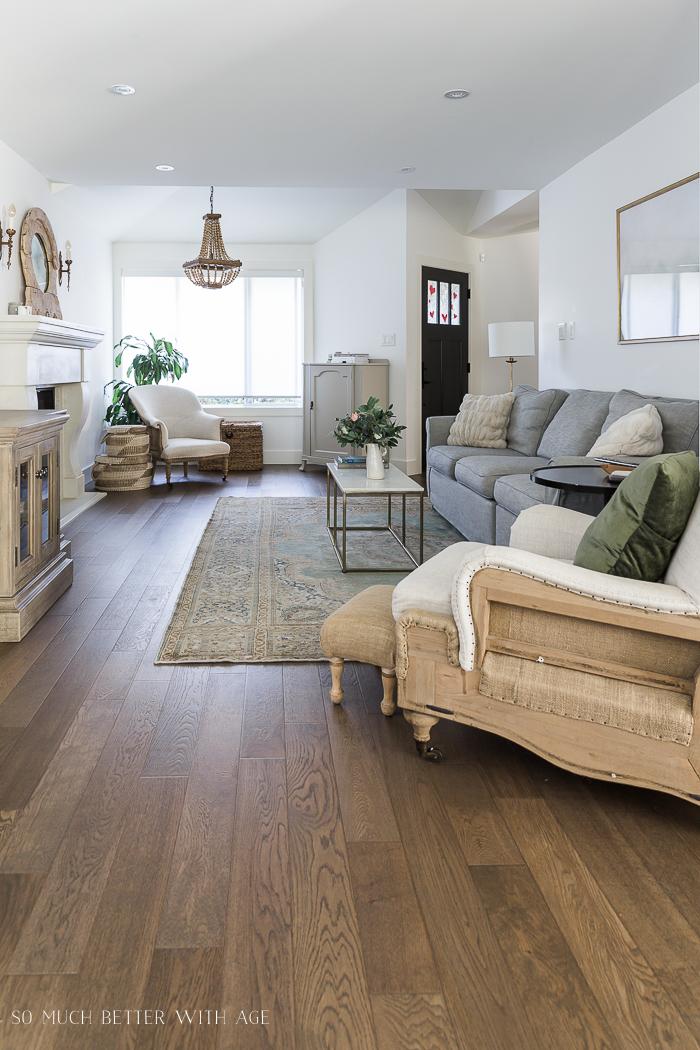
Image Source: somuchbetterwithage.com
Navigating the Challenges of Narrow Living Rooms
Long, narrow living rooms can feel like a hallway if not approached with the right strategy. They often present a challenge with furniture placement, as a single row of furniture can accentuate the length and make the room feel cramped. The goal is to create a sense of balance and width.
Common Pitfalls to Avoid
- Pushing all furniture against the walls: This is a classic mistake that can make a narrow room feel even more like a corridor.
- Using oversized, bulky furniture: This will dominate the space and make it feel smaller.
- Ignoring the room’s length: Failing to break up the long axis can lead to a monotonous feel.
- Poor lighting: Dim or poorly placed lighting can make the room feel even more enclosed.
Strategic Furniture Placement for Long Narrow Rooms
The art of furnishing a long narrow living room lies in smart furniture placement. Instead of a straight line, think about creating distinct functional zones. This approach helps to break up the visual length and make the room feel more proportionate and inviting.
Creating Zones: The Foundation of Success
The best way to tackle a long, narrow room is to divide it into two or three distinct zones. Each zone can serve a different purpose, such as a main seating area, a reading nook, or a small dining or play area.
Example Zones:
- Zone 1: Main Conversation Area: This will likely be the largest zone, centered around a sofa and accent chairs.
- Zone 2: Reading or Activity Nook: This could be a comfortable armchair with a floor lamp and a small side table.
- Zone 3: Media or Display Area: This might house a TV console or bookshelves.
Arranging Furniture in Zones
- Avoid a Straight Line: Never place all your furniture in a single line along the longest wall. This will only emphasize the room’s length.
- Float Furniture: Pull furniture away from the walls. Even a few inches can make a big difference in creating a more intimate seating area and improving flow.
- Opposite Walls: Place complementary pieces of furniture on opposite longer walls to create a sense of balance and visual width. For example, a sofa on one long wall and a console table with artwork or a bookshelf on the opposite wall.
- Perpendicular Placement: Consider placing larger pieces like sofas or accent chairs perpendicular to the longest walls to visually shorten the room and create more defined areas.
Living Room Layout Ideas for Narrow Spaces
The living room layout is crucial. Here are some effective strategies:
The Two-Seating Arrangement
This classic layout works well for long rooms.
- Place a sofa on one long wall.
- On the opposite long wall, position two comfortable accent chairs facing inwards, creating a conversational grouping.
- A coffee table in the center of this grouping anchors the space.
- Use rugs for long rooms to define this seating zone and add warmth.
The “L” or “U” Shape
- An L-shaped sectional sofa can be a fantastic choice, especially if it’s placed so one arm extends into the room, breaking up the straight line.
- Alternatively, a regular sofa can be paired with chairs to form an “L” or “U” shape. For example, a sofa on one long wall, and an armchair and a smaller sofa or loveseat on the opposite wall, angled towards each other.
The Parallel Arrangement
- Place two sofas or a sofa and two armchairs facing each other on opposite long walls.
- A long coffee table or two smaller side tables can be placed between them.
- This layout encourages conversation and can make the room feel wider.
The Gallery Wall Approach
- On one of the long walls, create a gallery wall with artwork, photos, or mirrors. This draws the eye and adds visual interest, making the wall feel less like an endless expanse.
Choosing the Right Furniture for Narrow Rooms
Selecting the right narrow room decor starts with choosing furniture that is proportionate to the space. Opt for pieces that are sleek, multifunctional, and visually light.
Sofa Solutions
- Sectional Sofa: A sectional sofa can be ideal. Choose an L-shaped one that fits snugly into a corner or along one wall, with the shorter end extending into the room. This can help define a seating area and prevent the room from feeling too linear.
- Sofa with Legs: A sofa raised on legs creates a sense of openness and makes the room feel less heavy. It also allows light to flow underneath, which can make the space feel larger.
- Loveseats and Armless Chairs: If a full-sized sofa feels too dominant, consider a loveseat or a couple of stylish armchairs. Armless chairs can also make a space feel more open.
Accent Chairs
- Sleek Designs: Opt for accent chairs with slim profiles and open designs. Armchairs with exposed legs or a lighter frame are good choices.
- Swivel Chairs: These are excellent for narrow rooms as they can easily be turned to face different zones, adding flexibility to your living room layout.
- Mismatched Chairs: Don’t be afraid to use different styles of chairs to create visual interest and break up the monotony.
Coffee Tables and Side Tables
- Consider Ovals or Rounds: Round or oval coffee tables can soften the hard lines of a narrow room and create a more fluid flow.
- Nesting Tables: These are highly versatile. They can be pulled out when needed and tucked away when not, saving valuable floor space.
- Slim Console Tables: A narrow console table placed behind a sofa or against a wall can provide display space and a surface for lamps without taking up too much room.
Smart Furniture and Multifunctional Pieces
Smart furniture is a lifesaver in narrow spaces.
- Ottomans with Storage: These can double as coffee tables, extra seating, and storage for blankets or magazines.
- Nesting Tables: As mentioned, these are incredibly practical for flexible use.
- Wall-Mounted Shelving: This keeps the floor clear and provides storage and display space without adding bulk.
- Sofa Beds or Daybeds: If your narrow living room also needs to serve as a guest room, these are excellent space-saving solutions.
Decorating Strategies for Narrow Spaces
Narrow room decor is all about creating visual illusions and maximizing the sense of space.
The Power of Rugs
Rugs for long rooms are essential for defining zones and adding visual interest.
- Horizontal Placement: Place rugs horizontally across the width of the room to visually widen the space. A rug that is wider than it is long, or a round rug, can help achieve this effect.
- Zone Definition: Use separate rugs to define each functional zone. This visually separates the areas and makes the room feel more organized and less like one continuous space.
- Stripes: Rugs with horizontal stripes can also create an illusion of width.
Color and Light
- Lighter Colors: Use lighter paint colors on the walls. Whites, creams, pastels, and light grays can make the room feel more open and airy.
- Accent Wall: Consider painting the shorter walls at the ends of the room in a slightly darker or bolder color. This can help to visually balance the proportions and make the room feel less elongated.
- Mirrors: Strategically placed mirrors can work wonders. A large mirror on a long wall can reflect light and create the illusion of more space. Placing mirrors opposite windows will maximize natural light.
Lighting for Narrow Spaces
Proper lighting for narrow spaces is crucial for making them feel inviting and well-proportioned.
- Layered Lighting: Combine ambient, task, and accent lighting.
- Ambient Lighting: Overhead fixtures like flush mounts or a stylish chandelier can provide overall illumination.
- Task Lighting: Floor lamps near seating areas or desk lamps can provide focused light for reading or working.
- Accent Lighting: Wall sconces or picture lights can highlight artwork or architectural features, drawing the eye and adding depth.
- Uplighting: Floor lamps that direct light upwards can make ceilings appear higher, which is beneficial in narrow rooms that might also have lower ceilings.
- Avoid Overhead Glare: Position lights so they don’t create glare on screens or in people’s eyes.
Maximizing Vertical Space
When floor space is limited, look up!
- Tall Bookshelves: These draw the eye upwards and provide ample storage without taking up much floor space.
- Hanging Plants: Plants add life and color and can be hung from the ceiling or placed on high shelves.
- Vertical Art: Artwork hung vertically can also help to emphasize the height of the room.
Room Dividers: Breaking Up the Length
Room dividers are excellent tools for long, narrow rooms. They can visually break up the space, create distinct zones, and add architectural interest.
Types of Room Dividers
- Freestanding Screens: These are portable and come in a variety of materials and styles, from fabric and wood to metal and glass. They can be easily moved and adjusted to suit your needs.
- Bookshelves or Open Shelving Units: These act as functional room dividers, offering storage and display space while allowing light to pass through, preventing the room from feeling too closed off.
- Curtains: Hanging floor-to-ceiling curtains can create a soft visual separation between zones and add a touch of elegance.
- Folding Screens: Similar to freestanding screens, these offer flexibility and can be used to conceal or reveal areas as needed.
- Room Divider Furniture: Some furniture pieces are specifically designed as room dividers, such as decorative screens or modular shelving units.
Strategic Placement of Dividers
- Mid-Room Placement: A divider placed about two-thirds of the way down the room can effectively create two distinct areas – a larger main living space and a smaller secondary zone.
- Creating Nooks: Use a divider to create a cozy reading nook or a private workspace within the larger room.
- Visual Flow: Ensure that the divider doesn’t completely block the line of sight if you want to maintain a sense of spaciousness. Open shelving or screens with gaps are good for this.
Styling Tips for Narrow Living Rooms
- Balance: Aim for visual balance. If you have a large sofa on one side, balance it with a visually interesting arrangement on the opposite wall.
- Focal Points: Create focal points within each zone. This could be a fireplace, a piece of art, or a stylish lamp.
- Scale: Always consider the scale of your furniture relative to the room.
- Movement: Ensure there’s clear furniture placement that allows for easy movement through the room. Don’t block walkways.
- Declutter: Keep the space tidy. Clutter can make any room feel smaller, especially a narrow one.
Case Study: Transforming a Long Narrow Living Room
Let’s imagine a typical long, narrow living room measuring 10ft wide by 20ft long.
Initial Setup (Problematic):
A sofa against one long wall, a TV cabinet against the opposite wall, and a coffee table in between. This creates a bowling alley effect.
Smart Makeover:
- Zone 1: Main Seating Area:
- Furniture: A 7ft loveseat placed perpendicular to the longer wall, facing into the room. Two slim armchairs placed opposite the loveseat, angled slightly inwards. A round coffee table in the center.
- Rug: A 5x7ft rug placed horizontally under the coffee table and extending partially under the loveseat and chairs, defining the seating area.
- Lighting: A floor lamp behind one of the armchairs.
- Zone 2: Media & Storage:
- Furniture: A slim media console placed along the far end of one of the long walls. A tall, open bookshelf placed next to it.
- Rug: A smaller runner rug placed in front of the media console to define this area.
- Lighting: Wall-mounted sconces on either side of the TV to provide ambient light.
- Zone 3: Accent Nook:
- Furniture: At the entrance end of the room, a stylish accent chair with a slim side table and a task lamp.
- Room Divider: Perhaps a decorative screen or a tall plant placed strategically to create a subtle separation between this nook and the main seating area.
- Mirror: A large mirror placed on the wall opposite the accent chair to reflect light and create a sense of depth.
This arrangement breaks up the length, creates distinct functional areas, and makes the room feel more balanced and inviting.
Frequently Asked Questions (FAQ)
Q1: What is the best sofa for a long, narrow living room?
A sectional sofa, particularly an L-shaped one that can define a corner, or a sleek sofa with exposed legs and a slim profile are often the best choices.
Q2: How do I make a narrow room feel wider?
Use lighter colors on walls and furniture, place rugs horizontally, strategically use mirrors, and avoid pushing all furniture against the walls. Floating furniture and creating distinct zones also helps.
Q3: Can I use a sectional sofa in a narrow room?
Yes, an L-shaped sectional sofa can be very effective in a narrow room. Position it so that the shorter end extends into the room, helping to break up the length and define a seating area.
Q4: What kind of rugs work best for long rooms?
Rugs that are wider than they are long, or round rugs, can visually widen the space. Using multiple rugs to define different zones is also a great strategy. Look for patterns with horizontal stripes to enhance the effect.
Q5: How can I use room dividers in a narrow living room?
Room dividers, such as screens, open shelving units, or even strategically placed tall plants, can break up the long, narrow space into more manageable and functional zones. They can create cozy nooks or separate activity areas.
Q6: What type of lighting is best for narrow spaces?
Layered lighting is key. Use a combination of ambient (overhead), task (reading lamps), and accent lighting (wall sconces) to create depth and avoid harsh shadows. Uplighting can also make the ceiling feel higher.
Q7: Should I put furniture against the walls in a narrow living room?
It’s generally best to avoid pushing all furniture against the walls. Floating furniture a few inches away from the walls, or arranging it to create conversational groupings, can make the room feel more spacious and inviting.
By following these tips and embracing smart design choices, you can transform even the longest and narrowest living room into a stylish, functional, and comfortable space.