
Yes, you can protect your granite kitchen countertops from stains and damage with regular cleaning, sealing, and proper care. This guide will show you how to keep your granite looking beautiful for years to come.
Granite countertops are a beautiful and durable addition to any kitchen. Their natural beauty and strength make them a popular choice for homeowners. However, like any natural stone, granite requires proper care to maintain its luster and prevent damage. This comprehensive guide will walk you through everything you need to know about granite care, from daily cleaning to tackling tough stains and the importance of granite sealant. We’ll cover essential granite surface care practices, how to prevent granite etching, and the best methods for granite stain removal. Mastering granite countertop maintenance is key to preserving your investment.
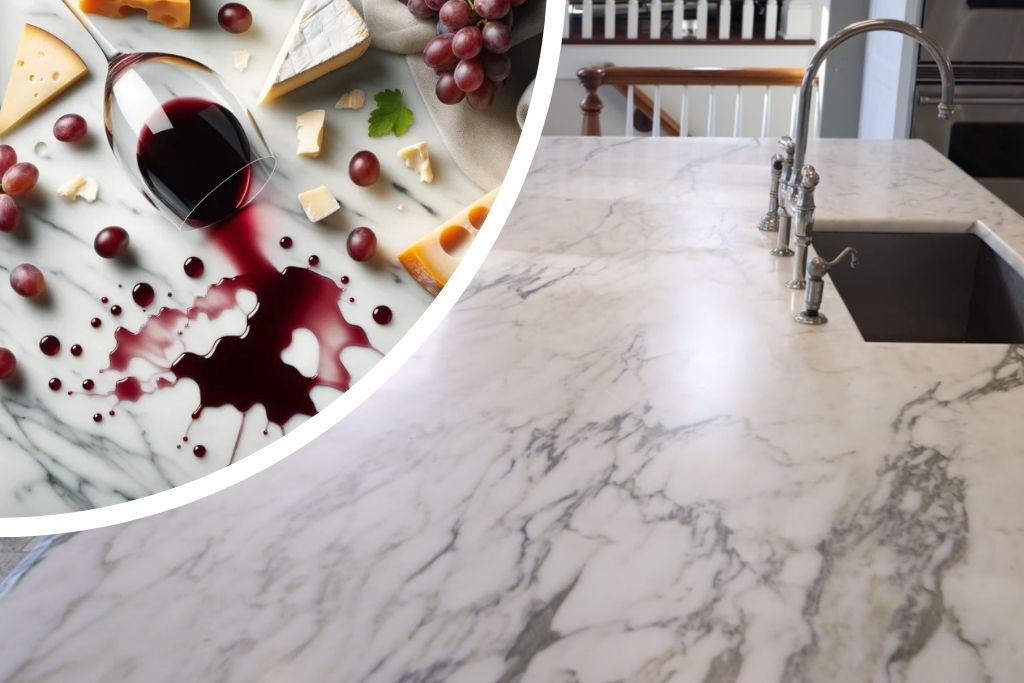
Image Source: www.connecticutstone.com
Why Granite Needs Protection
Granite is a natural igneous rock, formed under extreme heat and pressure deep within the Earth. This process gives it incredible hardness and density. However, granite is also porous, meaning it has tiny openings that can absorb liquids. This is where spills and stains can become a problem. While granite is resistant to heat and scratching, it is not completely impervious to damage. Acidic foods and drinks, harsh chemicals, and abrasive cleaning tools can all impact its appearance. Proper granite protection is therefore essential.
Porosity: The Key to Granite Care
The level of porosity in granite can vary depending on the specific type of stone. Some granites are naturally denser and less porous, while others might absorb liquids more readily. This is why sealing granite is a crucial step in its granite countertop maintenance. A good granite sealant fills these tiny pores, creating a barrier against staining agents.
Common Enemies of Granite
- Acids: Lemon juice, vinegar, tomato sauce, and wine can cause granite etching, dulling the surface.
- Oils: Cooking oils, grease, and salad dressings can penetrate the stone if it’s not properly sealed, leading to dark stains.
- Dyes: Coffee, tea, red wine, and dark juices can also penetrate porous granite, causing discoloration.
- Abrasives: Steel wool, abrasive scrub pads, and harsh cleaning chemicals can scratch or dull the polished surface.
- Excessive Water: While granite is water-resistant, prolonged exposure to standing water can potentially lead to staining or etching, especially around sinks.
Daily Granite Cleaning: The First Line of Defense
Consistent daily cleaning is the most effective way to protect your granite. Simple habits can prevent minor issues from becoming major problems. Good granite cleaning practices are the foundation of granite surface care.
What to Use for Daily Cleaning
- Warm Water: This is often all you need for everyday spills.
- Mild Dish Soap: A small amount of pH-neutral dish soap can help cut through light grease and grime. Look for soaps specifically designed for stone or those that are gentle.
- Soft Microfiber Cloths: These are ideal for wiping down surfaces without scratching.
How to Clean Daily
- Wipe Up Spills Immediately: This is the golden rule of granite care. Don’t let liquids sit on the surface, especially acidic or oily ones.
- Gentle Wipe Down: After cooking or using the countertop, use a damp microfiber cloth with warm water or a diluted mild dish soap solution.
- Rinse Thoroughly: If you use soap, make sure to rinse the surface with a clean, damp cloth to remove any residue. Soap residue can dull the granite over time.
- Dry Completely: Use a dry microfiber cloth to buff the surface dry. This prevents water spots and streaks, keeping your granite looking its best.
What to Avoid in Daily Cleaning
- Harsh Chemical Cleaners: Avoid bleach, ammonia, glass cleaners, and all-purpose cleaners, as these can break down the granite sealant and damage the stone.
- Abrasive Scrubbers: Never use steel wool, scouring pads, or abrasive sponges, as they can scratch the polished finish.
- Acidic Cleaners: Even natural acids like vinegar and lemon juice should be avoided for regular cleaning.
Deep Cleaning Your Granite Countertops
Even with daily cleaning, deeper cleaning may be necessary to remove build-up or stubborn marks. This type of granite cleaning ensures the stone remains in optimal condition.
Frequency of Deep Cleaning
A good rule of thumb is to deep clean your granite countertops once a week or as needed, especially after preparing meals that involve greasy or acidic ingredients.
Recommended Deep Cleaning Methods
- pH-Neutral Stone Cleaner: Invest in a cleaner specifically formulated for natural stone or granite. These cleaners are designed to clean effectively without damaging the sealant or the stone itself. Follow the product instructions carefully.
- Baking Soda Paste (for stubborn spots): For tougher grime or light stains, a paste of baking soda and water can be effective.
- Mix baking soda with water to create a thick paste.
- Apply the paste to the stained area.
- Cover the paste with plastic wrap and tape down the edges.
- Let it sit for 24-48 hours. The baking soda will draw the stain out of the stone.
- Remove the plastic wrap and gently wipe away the dried paste with a damp cloth. Rinse and dry thoroughly.
Sealing Granite: The Ultimate Protection
Sealing granite is perhaps the most critical step in granite countertop maintenance. It’s the primary method of granite protection against staining.
Why Sealing Granite is Important
As mentioned, granite is porous. Granite sealant fills these pores, making the stone less likely to absorb liquids and therefore less susceptible to staining. A well-sealed countertop will repel water and oil, giving you more time to clean up spills before they penetrate the stone. This is a key aspect of granite surface care.
How Often Should Granite Be Sealed?
The frequency of sealing granite depends on the type of granite, the quality of the sealant used, and how much wear and tear the countertops receive. A general guideline is every 1 to 5 years.
Testing Your Granite’s Seal
You can easily test if your granite needs resealing:
- The Water Test: Sprinkle a small amount of water (about 4 inches in diameter) onto the countertop.
- Observe: If the water beads up and sits on the surface for at least 10 minutes without darkening the stone, your granite is likely still well-sealed.
- Absorption: If the water is absorbed into the stone, leaving a dark wet spot, it’s time to reseal.
Applying Granite Sealant
Before you start sealing granite, ensure your countertops are clean and completely dry.
Materials Needed:
- High-quality granite impregnating sealant (available at hardware stores and stone specialists)
- Clean microfiber cloths
- Painter’s tape (optional, for masking edges)
- Gloves
Steps for Sealing Granite:
- Clean Thoroughly: Make sure the countertops are spotless and dry.
- Apply Sealant: Pour a small amount of sealant onto a clean microfiber cloth or apply it directly to a section of the countertop.
- Spread Evenly: Work the sealant into the granite, ensuring it covers the entire surface. Follow the manufacturer’s instructions for application method (e.g., spray bottle, cloth).
- Allow Penetration: Let the sealant penetrate the stone for the time specified by the manufacturer (usually 10-20 minutes).
- Wipe Off Excess: Use a clean, dry microfiber cloth to wipe away any excess sealant from the surface. Ensure no sealant is left to dry on the surface, as this can cause haziness.
- Second Coat (Optional but Recommended): For maximum protection, apply a second coat following the same steps after the first coat has been wiped off.
- Cure Time: Allow the sealant to cure for the recommended time (usually 24-72 hours) before heavy use or contact with liquids. During this time, the granite protector is actively bonding with the stone.
Tackling Granite Stains: Granite Stain Removal Techniques
Despite your best efforts, stains can still happen. Knowing how to perform granite stain removal is crucial for maintaining your countertops.
General Principles for Stain Removal
- Act Fast: The sooner you address a stain, the easier it will be to remove.
- Identify the Stain Type: Different types of stains require different treatments.
- Test in an Inconspicuous Area: Before applying any stain removal method to a visible area, test it on a small, hidden spot to ensure it doesn’t damage the granite or sealant.
- Use Gentle Methods First: Always start with the least aggressive method.
Specific Granite Stain Removal Methods
Here’s a breakdown of how to handle common types of stains on granite:
1. Oil-Based Stains (Grease, Cooking Oil, Cosmetics)
- The Poultice Method: This is the most effective way to lift oil stains. A poultice is a paste that draws the stain out of the stone.
- Ingredients: Baking soda and water, or baking soda and acetone (for tougher stains).
- How to Make: Mix baking soda with a small amount of water to form a thick paste, like peanut butter. If the stain is stubborn, you can use acetone instead of water.
- Application:
- Clean the stained area gently.
- Apply the poultice paste generously over the stain, about ¼ to ½ inch thick, extending slightly beyond the stain’s edges.
- Cover the poultice with plastic wrap and tape down the edges to keep it moist.
- Let it sit for 24-48 hours.
- Remove the plastic wrap and allow the poultice to dry completely.
- Gently scrape off the dried poultice with a plastic scraper or spatula.
- Wipe the area with a damp cloth and then dry thoroughly.
- Repeat: You may need to repeat the process several times for deeply set stains.
2. Water Stains or Rings
- Light Stains: Often, these are just mineral deposits. Try buffing with a dry microfiber cloth.
- Stubborn Water Stains: Use a #0000 steel wool pad (very fine) for light buffing. Be extremely gentle and test in an inconspicuous area first. You can also try a baking soda paste as described above.
3. Organic Stains (Coffee, Tea, Fruit Juice, Food Stains)
- Poultice with Hydrogen Peroxide:
- Ingredients: Baking soda and 3% hydrogen peroxide.
- How to Make: Mix baking soda with hydrogen peroxide to create a thick paste.
- Application: Follow the same poultice application steps as for oil stains (cover, wait 24-48 hours, dry, scrape, clean). Hydrogen peroxide has mild bleaching properties that can lift organic stains.
4. Metal Stains (Rust)
Rust stains are typically caused by metal items left on the countertop or from fixtures.
- Rust Remover Poultice:
- Ingredients: Commercial rust remover specifically designed for natural stone (follow product instructions carefully) OR a poultice made with diatomaceous earth and a rust remover solution.
- Application: Always follow the product’s instructions. If using a poultice, apply it as described above, ensuring the rust remover solution doesn’t damage the sealant.
5. Ink Stains
- For Light-Colored Granite:
- Ingredients: Rubbing alcohol or acetone.
- Application: Dip a cotton ball or cloth in the solvent and gently dab the stain. Avoid rubbing, which can spread the ink. Rinse and dry.
- For Dark-Colored Granite:
- Ingredients: Hydrogen peroxide.
- Application: Use a hydrogen peroxide poultice as described for organic stains.
6. Paint Stains
- Wet Paint: Wipe up immediately with a damp cloth and mild soap.
- Dried Paint: Gently scrape with a plastic scraper. For small, stubborn spots, you might try a small amount of mineral spirits on a cloth, but test first. If it’s a large area, consider professional help.
What NOT to Do for Granite Stain Removal
- Never use abrasive cleaners or harsh chemicals that can damage the sealant or the stone.
- Avoid acidic cleaners like vinegar or lemon juice, which can cause granite etching.
- Don’t leave stains untreated.
Preventing Granite Etching
Granite etching occurs when acidic substances come into contact with the polished surface of the granite, dulling or damaging the finish. While granite is hard, the resins used to fill natural fissures and the polished surface can be affected by strong acids.
Common Causes of Granite Etching
- Acidic Foods: Lemon juice, lime juice, vinegar, tomatoes, wine, citrus fruits.
- Cleaning Products: Many household cleaners contain acids or harsh chemicals that can cause etching.
- Spills: Even seemingly harmless spills can cause etching if left for too long.
How to Prevent Granite Etching
- Use Trivets and Hot Pads: Always place hot pots and pans on trivets, even though granite is heat-resistant, the rapid temperature change can stress the stone. More importantly, this prevents acidic substances from coming into contact with the stone.
- Use Cutting Boards: Never cut directly on your granite countertops. Use a cutting board for all food preparation.
- Wipe Up Spills Promptly: This cannot be stressed enough. Clean up any acidic spills immediately with a damp cloth.
- Be Mindful of Cleaning Products: Use only pH-neutral cleaners or those specifically designed for natural stone.
- Ensure Proper Sealing: A good granite sealant adds a layer of protection and buys you more time to clean up spills.
Restoring Granite Shine: Granite Polish
Over time, even with good care, granite countertops can lose some of their shine. Using a granite polish can restore that original gleam.
What is Granite Polish?
Granite polish is a product designed to enhance the shine and luster of polished natural stone. It typically contains very fine abrasives or fillers that fill in microscopic imperfections on the surface, making it appear smoother and more reflective.
When to Use Granite Polish
- When countertops appear dull or lack their original shine.
- After deep cleaning or stain removal, if the surface seems a bit muted.
- Periodically, as part of your granite countertop maintenance routine, perhaps every few months, to keep the shine looking its best.
How to Use Granite Polish
- Clean the Surface: Ensure your countertops are clean and dry before applying polish. Any dirt or debris can be ground into the surface by the polish.
- Apply a Small Amount: Put a small amount of granite polish onto a clean, soft microfiber cloth. You don’t need much.
- Work in Small Sections: Apply the polish in a circular motion to a small section of the countertop at a time.
- Buff: As you apply, buff the surface with the cloth. The polish will dry quickly, and you’ll need to buff it out to reveal the shine.
- Remove Haze: Use a separate clean, dry microfiber cloth to buff away any residual haze and bring out the shine.
- Repeat if Necessary: For areas that are particularly dull, you might need a second application.
What to Avoid with Granite Polish
- Abrasive Polish: Ensure the polish is specifically designed for granite and not a general-purpose cleaner or abrasive polish that could scratch the stone.
- Over-application: Using too much polish can make buffing difficult and may leave streaks.
Granite Surface Care: Long-Term Protection
Granite surface care goes beyond just cleaning and sealing. It involves understanding the material and adopting practices that preserve its integrity.
Protectants and Sealants
The term granite protector can refer to sealants, but also to topical coatings that can be applied. Impregnating sealants are generally preferred for granite as they penetrate the stone and are less likely to peel or wear off compared to topical sealants.
What to Avoid for Long-Term Protection
- Leaving Spills: This is the most common mistake. Always wipe up spills immediately.
- Using the Wrong Cleaners: Harsh chemicals are the enemy of your granite sealant and the stone itself.
- Dragging Heavy Objects: While granite is hard, dragging heavy pots, pans, or appliances across the surface can cause chips or scratches. Lift, don’t drag.
- Standing Water: While granite is water-resistant, prolonged exposure, especially around faucets, can sometimes lead to discoloration if the sealant is compromised. Ensure water doesn’t pool.
Professional Cleaning and Refinishing
For very old countertops or those with significant damage, professional cleaning, honing, or refinishing might be an option. Professionals have specialized equipment and knowledge to restore granite’s appearance. This is part of advanced granite countertop maintenance.
Summary of Granite Care Best Practices
Here’s a quick recap of how to keep your granite looking its best:
| Action | Frequency | Purpose |
|---|---|---|
| Wipe Spills | Immediately | Prevent staining and etching |
| Daily Wipe Down | Daily | Remove surface dirt and grease |
| Deep Cleaning | Weekly / As needed | Remove build-up, ensure hygienic surface |
| Test Sealant | Every 6-12 months | Check if resealing is needed |
| Apply Granite Sealant | 1-5 years | Protect against stains, essential granite protection |
| Use Granite Polish | Every few months | Restore shine and luster |
| Use Trivets & Cutting Boards | Always | Prevent etching and scratches |
Frequently Asked Questions About Granite Countertop Maintenance
Q1: Can I use my granite countertop as a cutting board?
A1: No, you should not cut directly on granite countertops. While granite is very hard and scratch-resistant, knives can dull the polished finish and can still cause micro-scratches over time. Always use a cutting board.
Q2: What are the best cleaners for granite?
A2: The best cleaners for granite are pH-neutral cleaners specifically formulated for natural stone or a mild dish soap diluted in warm water. Always rinse thoroughly and dry with a soft cloth. Avoid acidic or abrasive cleaners.
Q3: How do I know if my granite needs to be resealed?
A3: Perform the water test. If a small pool of water beads up on the surface for at least 10 minutes without darkening the stone, your sealant is likely still effective. If the water is absorbed and leaves a dark spot, it’s time to reseal.
Q4: What if I spill red wine on my granite?
A4: Wipe up the spill immediately with a clean cloth. If a stain remains, make a poultice with baking soda and hydrogen peroxide, apply it to the stain, cover with plastic wrap, and let it sit for 24-48 hours. Remove the poultice, rinse, and dry.
Q5: Can I use Windex on my granite countertops?
A5: It is generally not recommended to use Windex or other glass cleaners on granite. Many glass cleaners contain ammonia or other harsh chemicals that can degrade the granite sealant and dull the stone’s finish over time. Stick to specialized stone cleaners or mild soap and water.
Q6: What is granite etching, and how can I prevent it?
A6: Granite etching is damage to the polished surface caused by acidic substances. It appears as dull spots or a loss of shine. To prevent etching, always use trivets, coasters, and cutting boards, and wipe up acidic spills (like lemon juice, vinegar, wine, or tomato sauce) immediately.
By following these detailed guidelines for granite care, granite cleaning, granite stain removal, and sealing granite, you can ensure your granite countertops remain a beautiful and functional centerpiece in your kitchen for many years to come. Proper granite countertop maintenance is an investment in the longevity and beauty of your home.