
What is the ideal living room size? The optimal living room size depends on your specific needs, how you plan to use the space, and the amount of furniture you intend to include. There’s no single magic number, but this guide will help you decipher the best living room dimensions for your home. We’ll explore determining living room size, look at average living room square footage, and discuss living room space planning to ensure your living room is both functional and beautiful.
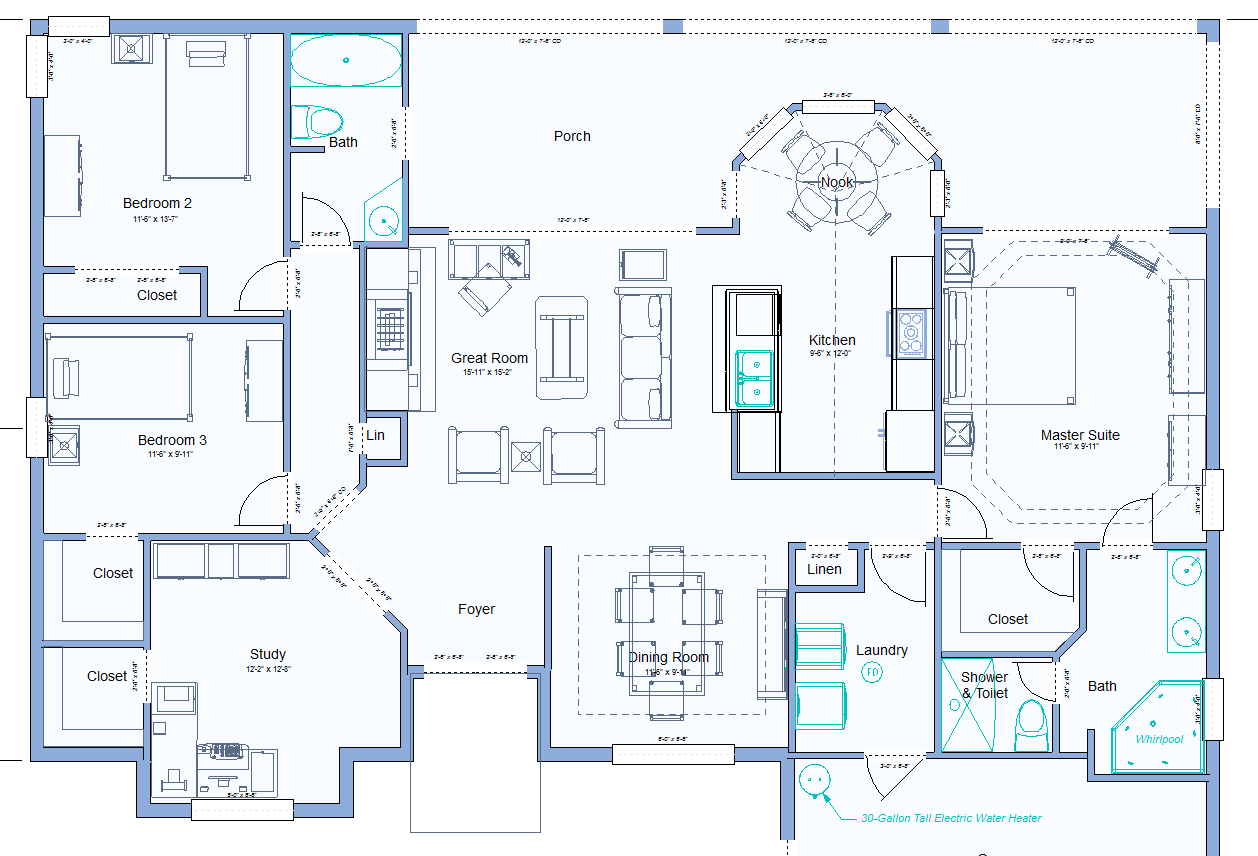
Image Source: www.punchsoftware.com
Fathoming Your Living Room’s Purpose
Before diving into specific measurements, it’s crucial to consider how you’ll primarily use your living room. Is it the central hub for family gatherings, a quiet retreat for reading, a formal space for entertaining guests, or a combination of these?
Activity-Based Needs
- Family Hub: If your living room is where the family gathers for movie nights, games, and everyday relaxation, you’ll need ample seating and space for movement. This suggests a larger optimal living room size.
- Formal Entertaining: For those who frequently host dinner parties or more formal get-togethers, a well-defined seating arrangement and adequate circulation space are paramount.
- Quiet Retreat: If your living room is primarily for personal relaxation, reading, or quiet contemplation, you might prioritize comfort and a cozy atmosphere over sheer size. Even a smaller space can feel generous with clever design.
- Multi-Functional Spaces: Many modern homes require living rooms to serve multiple purposes. You might need zones for watching TV, playing board games, and perhaps even a small desk area for occasional work. This calls for careful living room layout and furniture placement living room.
Gauging Average Living Room Square Footage
While personal needs are key, knowing the average living room square footage can provide a useful benchmark. These figures can vary significantly based on region, home type (apartment vs. single-family home), and the overall size of the dwelling.
Regional Variations
In the United States, for instance, the average living room square footage in a new single-family home can range from around 200 to 300 square feet. However, this is just an average. Older homes or apartments will often have smaller living rooms, while larger custom-built homes might feature significantly more expansive living areas.
Home Type Comparisons
- Apartments: Living rooms in apartments are often more compact, typically ranging from 100 to 200 square feet. This often requires creative small living room ideas.
- Townhouses: Townhouses can have a variety of living room sizes, often falling between 150 to 250 square feet, sometimes influenced by multi-level layouts.
- Single-Family Homes: As mentioned, single-family homes tend to have larger living rooms, often exceeding 250 square feet.
Key Factors in Determining Living Room Size
Several factors influence what constitutes the “right” size for your living room.
Number of Occupants and Regular Guests
- Small Households (1-2 people): A living room of 12×15 feet (180 sq ft) can be perfectly comfortable.
- Average Households (3-4 people): Aim for at least 15×20 feet (300 sq ft) to accommodate more seating and movement.
- Larger Families/Frequent Entertainers: Consider spaces of 20×25 feet (500 sq ft) or more for ample seating and comfortable flow.
Furniture Selection and Placement
The size and quantity of your furniture are critical. A bulky sectional sofa and a large entertainment center will require a considerably larger space than a loveseat and a slim console table.
Furniture Footprints
Consider the typical dimensions of common living room furniture:
| Furniture Type | Typical Width (inches) | Typical Depth (inches) |
|---|---|---|
| Sofa (3-seater) | 72-90 | 30-40 |
| Loveseat | 50-70 | 30-40 |
| Sectional Sofa | 100+ | 40-70 (chaise depth) |
| Armchair | 30-40 | 30-40 |
| Coffee Table | 40-50 | 20-30 |
| Side Table | 15-25 | 15-25 |
| Entertainment Unit | 48+ | 15-25 |
When planning your furniture placement living room, ensure there’s at least 18-24 inches of clear space for walkways and comfortable movement around seating areas.
Room Shape and Architectural Features
The shape of your living room plays a significant role. A long, narrow room presents different challenges than a square or rectangular one.
- Square Rooms: These are often easier to furnish and create balanced seating arrangements.
- Rectangular Rooms: Can be great for defining different zones (e.g., seating area, reading nook).
- L-Shaped Rooms: Offer opportunities for creating distinct functional areas but can sometimes feel awkward to furnish.
- Rooms with Niches or Bay Windows: These architectural features can add character and define zones, but also need to be factored into living room space planning.
Flow and Circulation
A well-sized living room allows for easy movement throughout the space and into adjoining rooms or hallways. Avoid layouts that create bottlenecks or force people to squeeze past furniture. Good circulation is a hallmark of thoughtful living room layout.
Calculating Your Ideal Living Room Size
While a room size calculator can offer generic recommendations, it’s more effective to tailor the approach to your home.
The Furniture Layout Method
- List Your Essential Furniture: What pieces must be in the living room?
- Sketch Your Furniture: Draw the outlines of your furniture to scale on a piece of graph paper.
- Experiment with Placement: Arrange the furniture sketches within the existing dimensions of your room, or on a larger sheet representing a potential size.
- Measure Circulation Paths: Ensure you have adequate walking space (18-24 inches minimum) between pieces and to doorways.
This hands-on approach is one of the best ways for determining living room size.
The Activity Zone Method
Think about the primary activities in your living room and the space each requires.
- Seating Area: A conversational grouping typically needs at least 10×12 feet to comfortably fit a sofa and two chairs, with a coffee table in the center.
- Traffic Flow: Allow for a clear path of at least 3 feet through the room.
- Entertainment Zone: If you have a large TV or media console, factor in viewing distance and space for the unit itself.
Optimizing Space: Small vs. Large Living Rooms
Whether you have a cozy nook or a grand hall, there are strategies for maximizing your living room’s potential.
Small Living Room Ideas
When dealing with limited square footage, smart design is key.
- Multi-Functional Furniture: Opt for ottomans with storage, sofa beds, and nesting tables.
- Vertical Space: Utilize wall shelves and tall, slim furniture to draw the eye upwards and create the illusion of more space.
- Light Colors and Mirrors: Light paint colors and strategically placed mirrors can make a small room feel larger and brighter.
- Leggy Furniture: Furniture raised on legs creates an open feel and prevents the room from looking cluttered.
- Minimalism: Avoid overcrowding the space with too much furniture or decor.
Large Living Room Design
A larger living room offers more possibilities but can feel cold or empty if not designed well.
- Define Zones: Use furniture arrangement, rugs, or even different lighting to create distinct functional areas within the large space. For example, one area for TV viewing, another for conversation.
- Oversized Furniture: Don’t be afraid to use larger-scale furniture that can adequately fill the space and provide comfortable seating for more people.
- Layered Lighting: Employ a mix of ambient, task, and accent lighting to create warmth and visual interest.
- Focal Points: Create strong focal points, such as a fireplace, a large piece of art, or a statement coffee table, to anchor the room.
- Balance and Scale: Ensure the furniture and decor are in proportion to the room’s size. Avoid tiny pieces that get lost in a large space.
Considerations for Different Living Room Shapes
The shape of your living room significantly impacts how you should approach living room layout and furniture placement living room.
Square Living Rooms
- Pros: Naturally balanced, easy to create symmetrical arrangements.
- Cons: Can sometimes feel boxy if not broken up.
- Tips: Place a large rug in the center to define the seating area. Consider placing a sofa on one wall and two chairs facing it. A large coffee table can anchor the arrangement.
Rectangular Living Rooms
- Pros: Excellent for creating distinct zones and traffic flow.
- Cons: Can sometimes lead to one end of the room feeling disconnected.
- Tips: Divide the room into two or more functional areas. For example, a TV viewing area at one end and a reading nook at the other. Use furniture placement or rugs to delineate these zones. Ensure clear pathways along the longer walls.
L-Shaped Living Rooms
- Pros: Naturally creates distinct areas.
- Cons: Can be challenging to furnish seamlessly.
- Tips: Treat each “leg” of the “L” as a separate zone. For instance, one area for seating and TV, the other for a dining area or a more intimate conversation space.
The Role of Height in Living Room Size
Don’t forget about vertical space! The ceiling height can greatly influence how a room feels.
- High Ceilings: Make a room feel larger and more airy. They can accommodate taller furniture, chandeliers, and floor-to-ceiling drapes.
- Low Ceilings: Can make a room feel cozier but may require more careful furniture placement living room to avoid a cramped feel. Opt for lower-profile furniture and lighter colors.
When to Consider a Room Size Calculator
A room size calculator can be a helpful starting point, especially if you’re planning a renovation or building a new home. These tools often provide recommendations based on the number of people, desired activities, and typical furniture sizes. They can give you a quick estimate for a starting point in determining living room size.
However, remember that these are general guidelines. Your personal lifestyle and aesthetic preferences are the most important factors.
Frequently Asked Questions (FAQ)
Q1: What is a good minimum size for a living room?
A good minimum size for a comfortable living room, accommodating a sofa, two chairs, and a coffee table with circulation space, would be around 12 feet by 15 feet (180 sq ft).
Q2: How much space do I need around furniture in a living room?
You should aim for at least 18-24 inches of clear space around seating areas for comfortable movement. For main traffic paths, 3 feet is ideal.
Q3: Can a small living room feel spacious?
Yes, absolutely. Small living room ideas like using light colors, mirrors, leggy furniture, and keeping the space uncluttered can make even a small living room feel much more open and airy.
Q4: How do I make a large living room feel cozy?
Large living room design often benefits from defining zones with rugs and furniture arrangements, using layered lighting to create warmth, and incorporating comfortable, appropriately scaled furniture.
Q5: What is the optimal living room size for a family of four?
For a family of four, an optimal living room size would likely be around 15×20 feet (300 sq ft) to comfortably accommodate seating for everyone and allow for various family activities.
Q6: Is there a standard for living room dimensions?
While there isn’t a strict “standard,” average living room square footage in new homes often falls between 200-300 sq ft. However, this varies greatly. The best dimensions are those that suit your lifestyle and living room layout.
Q7: How important is living room space planning?
Living room space planning is crucial for ensuring functionality, comfort, and aesthetic appeal. It helps you make the most of the space you have, regardless of its size, and influences your furniture placement living room.
By carefully considering your needs, the furniture you’ll use, and the layout, you can ensure your living room is the perfect size for your home and lifestyle.