
The typical height of a base kitchen cabinet is 34.5 inches, and the standard height for upper kitchen cabinets is 30 or 36 inches, though variations exist. When planning your kitchen renovation or building a new home, a crucial aspect to consider is kitchen cabinet height. The standard kitchen cabinet sizes are not arbitrary; they are designed for both functionality and aesthetics. This guide will delve into the various kitchen cabinet measurements, from the essential base kitchen cabinet dimensions to the practical upper kitchen cabinet height, helping you make informed decisions for your kitchen layout. We’ll cover everything you need to know about kitchen cabinet depth and how these dimensions impact your daily kitchen activities.
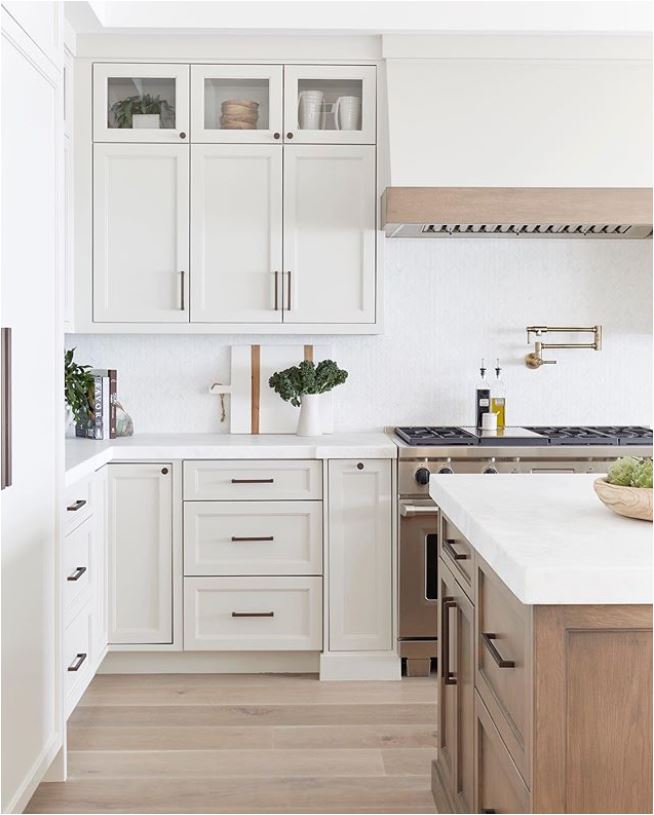
Image Source: media.centsationalstyle.com
Deciphering Base Kitchen Cabinet Dimensions
The foundation of any kitchen workspace is the base cabinet. Its height is directly linked to the standard countertop height, which is a critical factor for comfortable and efficient food preparation.
The Standard Countertop Height and Its Impact
The universally accepted standard countertop height in most kitchens is 36 inches from the finished floor to the top of the countertop. This height is generally considered ideal for the average adult, allowing for ergonomic working conditions.
- Why 36 inches? This height allows most people to stand comfortably while chopping vegetables, mixing ingredients, or washing dishes without excessive bending or reaching. It’s a balance that accommodates a wide range of users.
- Base Cabinet Height: To achieve this 36-inch countertop height, base cabinets are typically manufactured to be 34.5 inches tall. This 1.5-inch difference accounts for the thickness of the countertop material (granite, quartz, laminate, etc.).
- Adjustments for Different Heights: While 36 inches is standard, some homeowners, particularly those who are significantly taller or shorter than average, might opt for custom countertop heights. This can be achieved by adjusting the height of the base cabinets themselves or by using thicker or thinner countertop materials.
Common Base Kitchen Cabinet Sizes
Beyond height, base cabinets come in various widths and depths, offering flexibility in kitchen design.
- Widths: Standard base cabinet widths typically range from 9 inches to 48 inches, often in 3-inch increments (e.g., 12″, 15″, 18″, 21″, 24″, 27″, 30″, 33″, 36″, 42″, 48″). Wider cabinets are often used for specific functions like sink bases or large drawer units.
- Depths: The kitchen cabinet depth for base cabinets is typically 24 inches for the main cabinets. This depth allows for standard-sized appliances like dishwashers and provides ample storage space. Vanity base cabinets, often found in kitchens for specific aesthetic purposes or in bathrooms, might have a shallower depth of 21 inches.
Sink Base Cabinets: A Special Case
Sink base cabinets are a crucial component of kitchen design, and their dimensions often differ slightly to accommodate the sink plumbing.
- Height: Like other base cabinets, they are typically 34.5 inches tall.
- Width: Sink base cabinets are usually wider than standard base cabinets to house the sink. Common widths are 30, 33, 36, and 42 inches. The internal width needs to be sufficient to fit the chosen sink.
- Depth: They generally maintain the standard 24-inch depth, though the interior is designed to be open for plumbing access.
Drawer Base Cabinets: Maximizing Storage
Drawer base cabinets are invaluable for organizing utensils, cutlery, and smaller kitchen items.
- Height: These also adhere to the standard 34.5-inch height.
- Widths: Available in a range of widths, similar to standard base cabinets, allowing for multiple drawers or larger, deeper drawers.
- Depths: The standard 24-inch depth applies, providing substantial room for drawer construction and contents.
Exploring Upper Kitchen Cabinet Height and Measurements
Upper cabinets, or wall cabinets, are essential for storing everyday items and maximizing vertical space. The upper kitchen cabinet height plays a significant role in the overall visual balance and accessibility of the kitchen.
Standard Wall Cabinet Height
The most common kitchen cabinet sizes for wall cabinets include standard heights that are usually 30 inches or 36 inches. However, you’ll also find 42-inch and even 48-inch heights for taller ceilings or specific design goals.
- 30-inch Wall Cabinets: These are a popular choice and are often paired with 36-inch base cabinets, leaving a 18-inch backsplash area. This 18-inch space is a comfortable working height for most individuals and allows for easy cleaning.
- 36-inch Wall Cabinets: When paired with 36-inch base cabinets, 36-inch wall cabinets create a 12-inch backsplash. This can make the kitchen feel more open and airy, but it also means a longer reach to access the top shelves.
- 42-inch and 48-inch Wall Cabinets: These are typically used in kitchens with higher ceilings (9 feet or more) or when the designer wants to create a stacked cabinet look, with a smaller decorative cabinet above a standard-sized one.
Standard Kitchen Cabinet Depth for Wall Cabinets
The kitchen cabinet depth for upper cabinets is generally shallower than base cabinets to prevent them from protruding too far into the kitchen workspace.
- Typical Depth: The standard depth for upper kitchen cabinets is 12 inches. This is sufficient for storing most plates, glasses, bowls, and pantry items.
- Deeper Options: In some cases, 15-inch deep wall cabinets might be used for storing larger items or for a more substantial visual presence. However, deeper wall cabinets can also feel more imposing and may reduce the perceived space in the kitchen.
Wall Cabinet Height: Considerations for Accessibility and Aesthetics
The choice of wall cabinet height is a balancing act between storage needs, accessibility, and the overall kitchen design.
- Spacing from Countertop: As mentioned, the typical space between the countertop and the bottom of the upper cabinet is 18 inches. This spacing is crucial for comfortable use.
- Reachability: Consider who will be using the kitchen. If taller individuals will primarily use the kitchen, higher wall cabinets or cabinets with higher mounting heights might be suitable. Conversely, if shorter individuals or children will be frequent users, ensuring accessibility to lower shelves is important.
- Ceiling Height: The height of your ceiling is a major determinant of the maximum upper kitchen cabinet height you can install. For standard 8-foot ceilings, 30-inch or 36-inch wall cabinets are common. For 9-foot ceilings, 36-inch or 42-inch cabinets work well. Higher ceilings allow for taller cabinets, often creating a more dramatic and custom look.
- Ventilation Hoods: If you are installing a range hood, the height of the wall cabinets will be dictated by the required clearance for the hood, which varies depending on the type of hood and stove.
Specialty Cabinet Sizes and Their Applications
Beyond the standard base and wall cabinets, other specialized cabinets serve specific purposes and come in varying kitchen cabinet measurements.
Corner Cabinets: Maximizing Awkward Spaces
Corner cabinets are designed to utilize the often-underutilized space at kitchen corners.
- Base Corner Cabinets: These typically have a larger footprint to meet adjacent cabinets. Common configurations include L-shaped or diagonal corner cabinets. Their height is standard 34.5 inches, but their width can vary significantly, often ranging from 36 inches to 48 inches or more, depending on the corner configuration.
- Wall Corner Cabinets: Similar to base corner cabinets, wall corner cabinets are designed to fit into corners. Their height will match the other wall cabinets, but their depth and width will vary to create a seamless transition.
Tall or Pantry Cabinets: Vertical Storage Solutions
Tall cabinets, often referred to as pantry cabinets or utility cabinets, extend from the floor to near the ceiling, providing significant storage.
- Height: The height of these cabinets can range from 84 inches to 96 inches or even taller, depending on the ceiling height and desired look. They are often built to accommodate standard door frame heights.
- Width: Common widths for pantry cabinets are 18 inches, 24 inches, and 30 inches.
- Depth: They typically have the standard 24-inch depth to match base cabinets and allow for ample storage of canned goods, dry ingredients, and small appliances.
Cabinet Installation Height and Best Practices
The correct cabinet installation height is paramount for both the functionality and safety of your kitchen.
Key Considerations for Installation
- Level and Plumb: All cabinets must be installed perfectly level and plumb to ensure doors and drawers operate smoothly and that the overall appearance is professional.
- Secure Mounting: Cabinets must be securely fastened to wall studs or appropriate anchoring systems to support the weight of the cabinets and their contents.
- Electrical and Plumbing: Plan for the placement of electrical outlets and plumbing lines before cabinet installation. The base kitchen cabinet dimensions will need to account for these services.
The Role of Shims and Mounting Hardware
- Shims: Small wooden or plastic wedges called shims are used to adjust the level and plumbness of cabinets, especially in older homes where walls may not be perfectly straight.
- Mounting Hardware: Heavy-duty cabinet screws are essential for attaching cabinets to the wall. For upper cabinets, specialized mounting hardware like ledger boards or French cleats can provide extra support and stability.
Factors Influencing Kitchen Cabinet Size Choices
While there are established standards, several factors can influence your decisions on standard kitchen cabinet sizes.
1. Ergonomics and User Comfort
As discussed, the standard countertop height and the resulting base kitchen cabinet dimensions are designed for ergonomic comfort. If the primary users of the kitchen have specific height requirements, custom cabinet heights might be considered.
2. Kitchen Layout and Design Aesthetics
The overall layout of your kitchen and the desired aesthetic will heavily influence your choice of cabinet sizes.
- Open Concept Kitchens: In open-concept homes, the kitchen often flows into living or dining areas. Here, upper kitchen cabinet height might be adjusted to maintain sightlines and create a less boxed-in feel. Shorter upper cabinets or open shelving can contribute to this.
- Traditional Kitchens: Traditional designs often embrace taller upper cabinets and a more substantial cabinet presence.
- Modern Kitchens: Modern designs might favor sleek, minimalist looks, which could involve taller cabinets that reach closer to the ceiling for a streamlined appearance.
3. Ceiling Height
This is a significant factor that dictates the maximum wall cabinet height and the potential for tall pantry cabinets.
- 8-foot Ceilings: Standard 30-inch or 36-inch wall cabinets are generally recommended.
- 9-foot Ceilings: 36-inch or 42-inch wall cabinets work well.
- 10-foot+ Ceilings: Taller cabinets, potentially with stacked uppers or taller pantry cabinets, can be utilized effectively.
4. Appliance Integration
The dimensions of your appliances, such as refrigerators, dishwashers, and ranges, need to be considered when planning cabinet layouts.
- Refrigerator Cabinets: These are often built to a specific height and width to create a built-in look.
- Dishwashers: Standard dishwashers are typically 24 inches wide and fit into a standard base cabinet opening.
- Microwave/Oven Cabinets: Dedicated cabinets for built-in microwaves or ovens have specific dimensions to accommodate these appliances.
5. Storage Needs
Your personal storage requirements will also play a role.
- Bulk Storage: If you have many large appliances or bulk pantry items, taller and deeper cabinets might be preferable.
- Everyday Items: For frequently used items, accessible heights for upper kitchen cabinet height are crucial.
Frequently Asked Questions About Kitchen Cabinet Sizes
Here are some common questions people have about kitchen cabinet dimensions.
Q1: What is the standard height for kitchen cabinets?
A1: The standard height for base kitchen cabinets is 34.5 inches, designed to work with a 36-inch countertop. Standard upper kitchen cabinet height is typically 30 or 36 inches, with 18 inches of clearance between the countertop and the bottom of the wall cabinet.
Q2: How deep are standard kitchen cabinets?
A2: Standard kitchen cabinet depth for base cabinets is 24 inches. For upper cabinets, the typical depth is 12 inches.
Q3: Can I have custom-height kitchen cabinets?
A3: Yes, absolutely. While standard sizes are widely available and more budget-friendly, custom-height cabinets are an option if you have specific ergonomic needs, unique ceiling heights, or a particular design vision.
Q4: What’s the best spacing between upper and lower cabinets?
A4: The most common and recommended spacing between the countertop and the bottom of the wall cabinet height is 18 inches. This provides ample room for most kitchen tasks and accommodates standard backsplashes.
Q5: How do I measure for kitchen cabinets?
A5: Measuring for kitchen cabinets involves taking precise measurements of your kitchen space, including wall lengths, ceiling height, and the locations of windows, doors, and existing plumbing or electrical outlets. You’ll need to determine the desired kitchen cabinet measurements for each section, considering base, wall, and specialty cabinets.
Q6: What are common kitchen cabinet widths?
A6: Common widths for both base and wall cabinets range from 9 inches to 48 inches, typically in 3-inch increments. Specific widths are chosen based on the available wall space and the intended use of the cabinet.
Q7: Do cabinet sizes vary by manufacturer?
A7: While there are industry standards for standard kitchen cabinet sizes, slight variations can exist between manufacturers, especially for custom or semi-custom lines. It’s always best to check the specific kitchen cabinet measurements provided by the manufacturer you choose.
Q8: How does ceiling height affect cabinet choices?
A8: Ceiling height is a primary factor in determining the appropriate upper kitchen cabinet height. Higher ceilings allow for taller wall cabinets, and the option of stacked cabinets or taller pantry units. Lower ceilings may necessitate shorter wall cabinets to avoid a cramped feeling.
By carefully considering these dimensions and factors, you can ensure your kitchen cabinets are not only beautiful but also highly functional, contributing to a comfortable and efficient cooking and living space.