
Can you fit a kitchen island in your kitchen? Yes, you can, provided you have enough space for comfortable movement and safe use. The key to a successful kitchen island is ensuring adequate space for kitchen island clearance. This guide will walk you through the essential measurements and considerations to help you determine the perfect kitchen island size for your home.
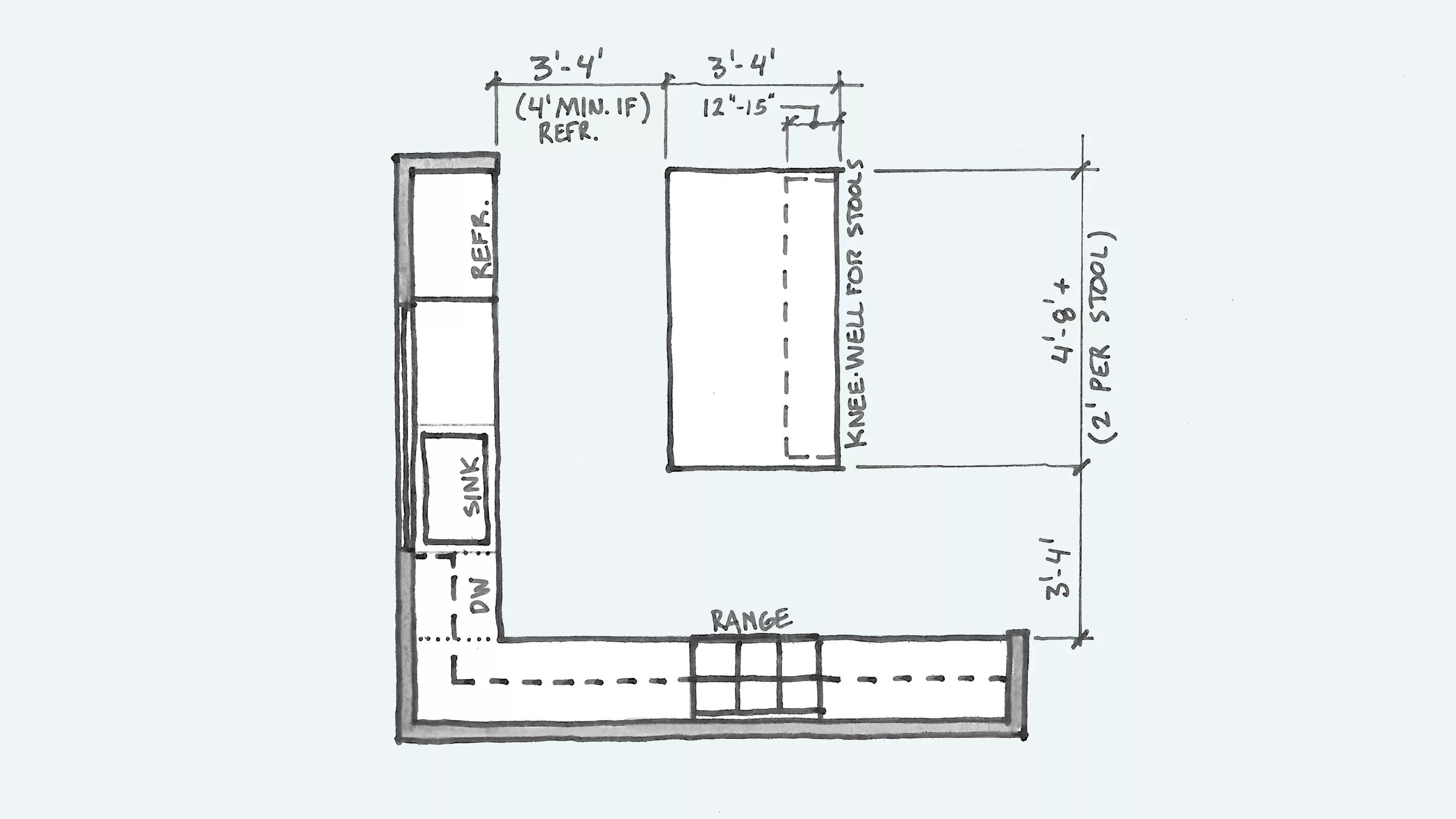
Image Source: www.boardandvellum.com
Why Space Matters For Your Kitchen Island
A kitchen island is more than just a piece of furniture; it’s a functional centerpiece that can transform your kitchen. It can offer extra counter space for meal preparation, a casual dining area, additional storage, and even a focal point for your kitchen’s design. However, the benefits of a kitchen island are only realized when it’s placed correctly and sized appropriately. Cramming a large island into a small kitchen or placing a small island in a vast space can lead to awkwardness, inefficiency, and even safety hazards.
The Dance of Daily Kitchen Activities
Think about how you use your kitchen every day. You open the refrigerator, pull out ingredients, chop vegetables on the counter, move to the sink to wash, then perhaps to the stove to cook. If you have a dishwasher, you’ll open that door. You might have a trash can that needs to be accessed. All these actions involve movement, often with items in hand.
If your kitchen island is too large or too close to other appliances and cabinets, these simple tasks can become frustrating obstacles. You might find yourself bumping into the island, struggling to open cabinet doors fully, or feeling like you’re constantly navigating a crowded space. This is where understanding crucial kitchen island spacing requirements becomes paramount.
Key Measurements for Kitchen Island Placement
When planning for a kitchen island, a few core measurements are non-negotiable to ensure functionality and safety. These are the minimum clearances you should aim for.
The Crucial Walkway: Kitchen Island Clearance
The most critical aspect of kitchen island clearance is the space around it that allows for movement. This isn’t just about being able to walk past; it’s about being able to open appliances, pull out drawers, and stand comfortably while working.
- Minimum Recommended Clearance: For the most common pathways, such as between the island and the main prep counter or stovetop, aim for a minimum of 36 inches (91.4 cm). This allows a single person to move freely.
- Ideal Clearance for Two-Way Traffic: If you anticipate two people needing to pass each other simultaneously or want a more comfortable working environment, strive for 42 to 48 inches (106.7 cm to 121.9 cm). This is especially important if the island is a primary thoroughfare in your kitchen or if you have an active family.
- Clearance for Appliance Doors: Remember to account for the swing of appliance doors, such as refrigerators, ovens, and dishwashers. The door needs to open fully without hitting the island. For a dishwasher, this often means a bit more clearance than the standard 36 inches if it’s directly opposite.
- Seating Clearance: If your island will have seating, you’ll need additional space behind the stools for people to get in and out comfortably. A minimum of 30 inches (76.2 cm) is generally recommended behind each seated person, but 36 inches (91.4 cm) is even better for ease of access and to avoid guests kicking the island base.
Defining Your Kitchen Island Dimensions
The kitchen island dimensions will vary greatly depending on your kitchen size and your intended use for the island. However, there are general guidelines to follow for both length and width.
- Minimum Island Width: For a functional island, especially one with a sink or cooktop, you’ll typically need a minimum width of 24 inches (61 cm) for the cabinet base. However, consider the island countertop space you need. If you plan on doing a lot of prep work or want seating, you’ll want a wider countertop, often a minimum of 30 to 36 inches (76.2 cm to 91.4 cm).
- Minimum Island Length: The length is often dictated by the size of your kitchen and the available walkway. Even a small galley kitchen might accommodate a narrower island of 36 to 48 inches (91.4 cm to 121.9 cm) long to provide a bit of workspace and separation. Longer islands can range from 60 inches (152.4 cm) to well over 100 inches (254 cm).
- Depth Considerations: Standard kitchen cabinet depth is usually 24 inches. Island depths can range from 24 inches for a simple work surface to 30 inches or more if you are incorporating a sink, cooktop, or deeper storage. Remember to factor in overhangs for seating or a more comfortable counter edge.
The Kitchen Island Work Triangle: A Functional Layout
While the traditional kitchen island work triangle (linking the refrigerator, sink, and stove) is still a concept to consider, an island can also serve as one of the “points” of this triangle or as a hub connecting them.
- Island as a Work Zone: If your island houses your primary prep area or sink, it becomes a crucial part of your workflow. Ensure there’s adequate space for kitchen island movement between the island and the other primary work zones.
- Island Traffic Flow: Think about how people will move through your kitchen. If the island sits in the middle of a busy thoroughfare, you need ample space on all sides to prevent bottlenecks. Proper island traffic flow is essential for a smoothly functioning kitchen. Avoid placing the island where it directly obstructs the path to the refrigerator, pantry, or oven.
Interpreting Your Kitchen Layout and Island Size
The size and shape of your kitchen will heavily influence the ideal kitchen island size guide. A large, open-plan kitchen can accommodate a more substantial island, while a smaller or more compartmentalized kitchen requires a more carefully considered approach.
Small Kitchens: Maximizing Functionality
In smaller kitchens, the goal is to add functionality without sacrificing necessary movement.
- Minimum Kitchen Island Size: For smaller kitchens, a minimum kitchen island size might be a compact, mobile cart or a narrow, fixed island. Aim for an island that is at least 36 inches long and 25 inches wide (including countertop overhang) to offer some usability.
- Galley Kitchens: Galley kitchens often benefit from a long, narrow island. The key here is to ensure you maintain at least 36 inches of clearance on either side for walkways. If you have less than 72 inches total width between the two main runs of cabinets, a fixed island might not be feasible, and a rolling cart might be a better option.
- Peninsula Islands: Consider a peninsula if a full island is too intrusive. A peninsula is attached to a wall or cabinet run on one end, which can save valuable space and still provide a good work surface and seating.
Medium Kitchens: The Sweet Spot
Medium-sized kitchens often offer more flexibility for island design.
- Balancing Function and Flow: In a medium kitchen, you can typically fit a more substantial island that offers a good amount of island countertop space. Aim for at least 42 inches of clearance on at least two sides to allow for comfortable movement.
- Island Placement: The kitchen island placement in a medium kitchen can often be centered to create a balanced layout. This allows for easy access from multiple sides.
Large and Open-Plan Kitchens: Creating Zones
Large kitchens can accommodate larger islands and even multiple islands or specialized island designs.
- Statement Pieces: In open-plan spaces, the island can be a significant design element. You can opt for larger kitchen island dimensions to create a more impactful statement.
- Work Zones: Consider creating distinct zones with a larger island. One end could be for prep, the other for seating, and the middle for serving.
- Traffic Flow: Even in large kitchens, pay attention to island traffic flow. Ensure that the island doesn’t block natural pathways between the kitchen and other living areas.
Factors Influencing Your Island Choice
Beyond raw measurements, several other factors will shape your decision about how much space you need.
Intended Use of the Island
- Prep Station: If the island will be your primary food preparation area, you’ll need ample island countertop space and good clearance around it for multiple people working.
- Dining Area: If you plan to use the island for eating, consider the depth needed for comfortable seating and the space required behind the stools.
- Storage: Islands with cabinets and drawers add significant storage but can also impact the visual weight and required clearance. Deeper cabinets mean a deeper island, which needs more surrounding space.
- Appliances: Islands housing a sink, dishwasher, or cooktop require specific plumbing and electrical considerations, and you must ensure adequate clearance for these elements to function and be accessed safely. For example, a cooktop needs space around it for heat and ventilation, and a sink needs space for someone to stand and work.
Kitchen Layout and Existing Elements
- Doorways and Windows: Ensure your island placement doesn’t block access to doorways or the opening of windows.
- Appliance Placement: As mentioned, refrigerator, oven, and dishwasher doors must open fully.
- Cabinetry: Consider how your island will relate to existing upper and lower cabinets.
Your Personal Workflow and Lifestyle
- Family Size: A larger family might require more circulation space.
- Cooking Habits: If you entertain frequently or cook elaborate meals, you’ll benefit from more prep space and easier movement.
- Accessibility: For individuals with mobility issues, wider clearances are essential for comfortable navigation.
Fathoming the Ideal Island Size: A Practical Approach
So, how do you bring all this together? It’s about finding the right balance for your specific situation.
The Rule of Thumb: 36-48 Inches of Clearance
The most commonly cited rule for kitchen island spacing requirements is to have at least 36 inches of clearance on all sides. However, as we’ve discussed, 42-48 inches is often preferred for a more comfortable and functional experience, especially in high-traffic areas or where two people might be working simultaneously.
Visualizing Your Space
- Use Painter’s Tape: A great way to visualize your island’s footprint and the necessary clearances is to use painter’s tape on your floor. Mark out the dimensions of your proposed island and the walkways around it. Walk around it, open imaginary doors, and see how it feels.
- Consider Proportions: Even if you have the required clearances, a very large island in a small kitchen can feel overwhelming. Conversely, a tiny island in a huge kitchen can look lost and underutilized.
Creating a Kitchen Island Size Guide Summary
Here’s a simplified table to help you visualize the recommended clearances based on common kitchen layouts and island uses:
| Clearance Area | Minimum Recommended | Ideal Recommended | Notes |
|---|---|---|---|
| Between Island and Main Counter/Stove | 36 inches | 42-48 inches | Allows single person movement; Ideal for two-way traffic and comfortable working. |
| Between Island and Appliance Doors | 36 inches (minimum) | 48 inches+ | Crucial for full appliance door opening (refrigerator, oven, dishwasher). |
| Behind Seating (for getting in/out) | 30 inches | 36 inches | Allows enough space for diners to pull out stools and sit comfortably without hitting the island. |
| Island Traffic Flow (main path) | 42 inches | 48 inches+ | Essential if the island is in a primary walkway or if multiple people use the kitchen simultaneously. |
| Between two parallel islands/counters | 48 inches | 60 inches+ | For kitchens with two opposing prep areas or islands to allow comfortable passage. |
Important Note: These are guidelines, not strict rules. Your specific kitchen layout, appliance choices, and personal preferences might necessitate adjustments. Always prioritize safety and functionality.
Common Pitfalls to Avoid
Even with the best intentions, mistakes can happen when planning for a kitchen island.
- Ignoring Appliance Clearance: Forgetting to account for the space needed to open appliance doors is a very common and frustrating mistake.
- Underestimating Traffic Flow: Assuming a narrow walkway will be sufficient can lead to constant bumping and annoyance.
- Overcrowding the Space: Trying to fit an island that is too large for the kitchen’s overall footprint.
- Forgetting Seating Space: Not leaving enough room behind stools for comfortable access.
- Blocking Essential Access: Placing the island so it impedes entry to the kitchen, pantry, or other important areas.
Conclusion: Designing Your Perfect Kitchen Island Experience
The question of “How much space do you need for a kitchen island?” ultimately boils down to ensuring adequate space for kitchen island functionality and island traffic flow. By carefully considering kitchen island clearance, desired kitchen island dimensions, and the overall kitchen island work triangle, you can create a kitchen that is both beautiful and highly practical. Use these guidelines, visualize your space, and don’t be afraid to adapt them to your unique needs. A well-planned kitchen island can become the heart of your home, enhancing your cooking, dining, and gathering experiences for years to come.
Frequently Asked Questions (FAQ)
Q1: What is the minimum clearance needed around a kitchen island?
A1: The absolute minimum clearance generally recommended is 36 inches (91.4 cm) between the island and surrounding counters or appliances. However, 42-48 inches (106.7 cm – 121.9 cm) is often preferred for better usability and island traffic flow.
Q2: Can I put a kitchen island in a small kitchen?
A2: Yes, you can. For smaller kitchens, opt for a smaller kitchen island size guide recommendation, such as a mobile cart, a narrow fixed island, or a peninsula. The key is to ensure you maintain at least 36 inches of clearance on the working sides.
Q3: How much space do I need for seating at a kitchen island?
A3: You need about 15 inches (38 cm) of legroom under the counter overhang for comfortable seating. For the stools themselves, allow at least 30 inches (76.2 cm) of space behind each seated person to get in and out easily.
Q4: What if my kitchen is a galley style?
A4: Galley kitchens often work well with long, narrow islands. Ensure you have at least 36 inches of clearance on both sides of the island if it’s positioned between two runs of cabinets. If the total width between cabinets is less than 72 inches, consider a rolling kitchen cart instead of a fixed island.
Q5: How do I determine the right kitchen island size for my kitchen?
A5: Measure your kitchen carefully. Consider the kitchen island dimensions that will fit, keeping kitchen island spacing requirements in mind. Think about how you’ll use the island (prep, dining, storage) and visualize the space using painter’s tape on the floor to test clearances and flow.