
What is the quickest way to get rid of ants on your kitchen counter? The quickest way to get rid of ants on your kitchen counter is to clean up any food sources, spray them with a natural ant killer like diluted vinegar or soapy water, and then wipe down the area thoroughly.
Seeing ants marching across your kitchen counter can be incredibly frustrating. These tiny invaders are often on the hunt for food and water, and your kitchen is a prime target. Dealing with an ant infestation can feel overwhelming, but with the right approach, you can effectively eliminate ants from your countertops and prevent them from returning. This guide will equip you with easy, practical tips and DIY ant solutions to regain control of your kitchen.
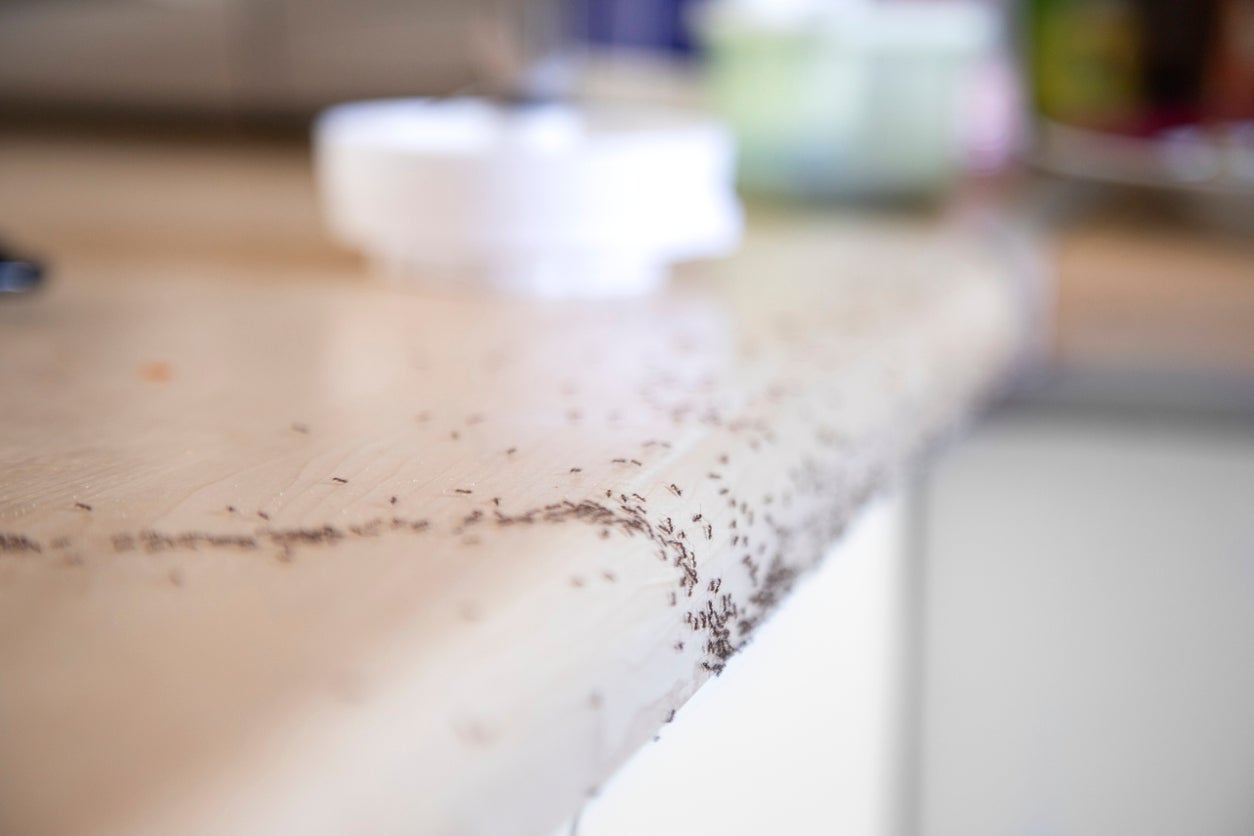
Image Source: contemporarystructures.co.uk
Identifying the Ant Culprits
Before you can effectively get rid of ants, it’s helpful to know what you’re dealing with. While many ant species look similar, some common kitchen visitors include:
- Odorous House Ants: These ants emit a foul odor, often compared to rotten coconut, when crushed. They are small, dark brown to black, and tend to forage in trails.
- Carpenter Ants: Larger than other common ants, carpenter ants are often black or reddish-black. While they don’t eat wood, they excavate it to build nests, which can cause structural damage. You’ll often see them in damp areas or near wood sources.
- Pavement Ants: These small, dark brown to black ants are common outdoors but often find their way inside, especially through cracks in foundations and walls. They forage for sweets and greasy foods.
- Sugar Ants: A general term for ants that are attracted to sugar and sweet substances. They are typically small and light brown.
Why are they on my counter? Ants are primarily looking for food and water. Crumbs, spills, sticky residues from honey or jam, pet food, and even moisture from a leaky faucet can attract them.
Immediate Actions: Wiping Out the Current Invaders
When you spot ants on your counter, it’s natural to want to get rid of them immediately. Here are effective ways to do just that:
The Power of Soapy Water
A simple solution of dish soap and water is a surprisingly effective natural ant killer. The soap breaks down the ants’ exoskeletons, causing them to dehydrate and die.
How to use it:
- Mix about 1 tablespoon of liquid dish soap with 2 cups of water in a spray bottle.
- Spray directly onto the ants.
- Wipe away the dead ants and the soapy residue with a damp cloth.
This method also disrupts their scent trails, which is crucial for preventing more ants from following the same path.
Vinegar: A Double-Duty Cleaner
White vinegar is another excellent home remedy for ants. Not only does it kill ants on contact, but its strong smell also acts as a natural ant repellent, masking their scent trails.
How to use it:
- Mix equal parts white vinegar and water in a spray bottle.
- Spray generously on the ants and the affected areas of your counter.
- Wipe down the counter with a clean cloth.
You can also use this mixture to wipe down frequently used surfaces, such as cabinets and windowsills, to deter ants from entering.
Lemon Juice: A Zesty Deterrent
Similar to vinegar, lemon juice can also be used as both a cleaner and an ant repellent. The acidity disrupts ant trails, and the scent is unpleasant for them.
How to use it:
- Mix about 1 part lemon juice with 1 part water.
- Apply to your counters with a cloth or spray bottle.
- Wipe down any ants you see.
Tackling the Source: Eliminating the Ant Trail
Ants are notorious for following scent trails. If you don’t disrupt these trails, more ants will find their way to your kitchen.
Cleaning Thoroughly: The Foundation of Kitchen Ant Control
Effective kitchen cleaning is paramount to both immediate ant removal and long-term ant prevention.
- Wipe Down Surfaces: After preparing food, always wipe down your countertops with an all-purpose cleaner or your vinegar/soapy water solution. Pay attention to sticky residues from jams, honey, or syrup.
- Sweep and Mop Floors: Crumbs on the floor are a feast for ants. Regularly sweep and mop kitchen floors to remove any food particles.
- Clean Appliances: Don’t forget the areas around your toaster, microwave, and stove. These can accumulate crumbs and grease.
- Empty Trash Regularly: Ensure your trash cans have tight-fitting lids and empty them frequently, especially if they contain food scraps. Rinse out the bins if they become sticky or soiled.
- Wash Dishes Promptly: Leaving dirty dishes in the sink is an open invitation for ants. Wash them as soon as possible or at least rinse them thoroughly.
Disrupting Scent Trails with Natural Repellents
Once you’ve cleaned up the immediate ant problem, it’s time to erase their communication lines.
Essential Oils as Ant Repellents
Many essential oils have strong scents that ants dislike.
- Peppermint Oil: This is one of the most effective home remedies for ants. Its potent aroma can disorient and repel them.
- How to use: Add 10-15 drops of peppermint essential oil to a spray bottle filled with water. Spray along ant trails, entry points, and on countertops. Reapply daily or as needed.
- Tea Tree Oil: Another powerful repellent with a strong scent.
- How to use: Mix 10-15 drops with water in a spray bottle and apply as you would peppermint oil.
- Cinnamon Oil/Powder: Ants reportedly dislike the smell of cinnamon.
- How to use: Sprinkle cinnamon powder in areas where you see ants, or use cinnamon essential oil diluted with water in a spray.
- Clove Oil: The strong scent of cloves can also deter ants.
- How to use: Dilute a few drops of clove oil with water and spray.
Other Natural Deterrents
- Chalk: Ants are believed to dislike crossing chalk lines. Draw chalk lines across entry points or along counter edges.
- Coffee Grounds: Sprinkling used coffee grounds near entry points can act as a deterrent.
- Cucumber Peels: Some people find that leaving cucumber peels in areas where ants are seen can repel them.
Advanced Strategies for Persistent Ant Problems
If simple cleaning and natural repellents aren’t enough, you might need to employ more targeted methods.
Understanding Ant Baits: The Smart Way to Eliminate Ants
Ant baits are a highly effective way to get rid of an ant infestation. Baits contain a slow-acting poison mixed with an attractant (usually sweet or protein-based). Worker ants carry the poisoned bait back to the colony, sharing it with the queen and other ants. This approach targets the entire colony, not just the ants you see.
Types of Ant Baits:
- Gel Baits: These are sticky gels that ants can easily carry back to the nest. They are often used in cracks and crevices.
- Liquid Baits: Ants drink these sweet liquids and transport them back to the colony.
- Bait Stations: These are small plastic containers that hold liquid or gel bait. They offer a cleaner way to dispense the bait and prevent it from drying out too quickly.
Where to Place Ant Baits:
- Along ant trails, but not directly where you eat or prepare food.
- Near entry points, such as windowsills, door frames, and cracks in walls.
- Under appliances or in cabinets where ants might be nesting or traveling.
Important Considerations for Ant Baits:
- Patience is Key: It can take a few days to a week or more for baits to work effectively, as the poison needs time to reach the colony.
- Don’t Kill Ants Near Baits: Avoid spraying insecticides or soapy water near bait stations, as this can deter ants from taking the bait. Let the ants do their work!
- Choose the Right Bait: Different ant species prefer different attractants. If one type of bait isn’t working, try another with a different food base (e.g., sugar vs. protein).
Commercial Ant Sprays and Powders
While natural methods are preferred, sometimes a more aggressive approach is needed for a severe ant infestation. When using commercial products, always follow the label instructions carefully.
- Contact Sprays: These kill ants on contact but do not typically affect the colony. Use them for immediate knockdown of visible ants.
- Residual Sprays: These leave a residue that can kill ants that cross the treated area for a period of time.
- Insecticide Dusts/Powders: These are often applied in wall voids, cracks, and crevices where ants travel but are out of reach of children and pets.
Safety First: When using any chemical insecticide, ensure proper ventilation, keep children and pets away from treated areas, and wash your hands thoroughly after application.
Long-Term Ant Prevention: Keeping Your Kitchen Ant-Free
Once you’ve successfully eliminated ants from your kitchen counter, the goal is to prevent them from coming back. This involves a consistent approach to ant prevention and kitchen cleaning.
Sealing Entry Points
Ants can squeeze through incredibly small openings. Inspect your kitchen for potential entry points and seal them.
- Cracks and Gaps: Seal any cracks in walls, baseboards, windowsills, and around pipes with caulk or sealant.
- Door and Window Seals: Ensure weather stripping on doors and windows is intact.
- Vents and Utilities: Check where pipes and wires enter your home. Seal any gaps around them.
Managing Food and Water Sources
Eliminating attractants is the most crucial aspect of ant prevention.
- Store Food Properly:
- Keep all food, especially sweets, grains, and pet food, in airtight containers.
- Wipe down jars and containers after use to remove any sticky residue.
- Clean Spills Immediately: Don’t let spills of sugary drinks, honey, or grease sit on surfaces.
- Pet Food Care: Don’t leave pet food out longer than necessary. Clean pet bowls regularly.
- Water Sources: Fix leaky faucets or pipes. Wipe down sinks and countertops to remove any standing water.
Maintaining a Clean Kitchen Environment
Consistent kitchen cleaning is your best defense.
- Regular Deep Cleans: Aim for a deeper clean of your kitchen at least once a month, paying attention to often-overlooked areas like behind appliances and inside cabinets.
- Wipe Down Cabinets: Ants can be attracted to residue on the outside of cabinets. Wipe them down regularly.
- Clean Underneath Appliances: Pull out your refrigerator, oven, and dishwasher periodically to clean underneath them.
Outdoor Ant Control Measures
Sometimes, the ants you see inside are originating from nests outside your home.
- Trim Vegetation: Keep bushes and tree branches trimmed back from your house, as these can act as bridges for ants to enter.
- Remove Potential Nests: Check for ant nests in your yard, especially near the foundation of your house. Remove debris or woodpiles that could harbor nests.
- Bait Outdoors: You can strategically place ant baits outdoors near common entry points to target foraging ants before they get inside.
Effective Methods Summarized
Here’s a quick reference table for managing ants on your kitchen counter:
| Method | Description | Best For |
|---|---|---|
| Soapy Water Spray | Dish soap and water mixture. Kills on contact, disrupts scent trails. | Immediate removal of visible ants. |
| Vinegar Spray | Equal parts white vinegar and water. Kills on contact, repels, masks scent trails. | Immediate removal, initial deterrence. |
| Essential Oils | Peppermint, tea tree, cinnamon, clove oils diluted with water. Natural ant repellent. | Deterring ants, disrupting trails. |
| Ant Baits | Sweet or protein-based attractants mixed with slow-acting poison. Targets the entire colony. | Eliminating persistent infestations. |
| Caulking/Sealing | Sealing cracks and gaps in walls, windows, and doors. | Ant prevention, blocking entry points. |
| Cleanliness | Regular kitchen cleaning, proper food storage, prompt spill cleanup. | Crucial for ant prevention and removal. |
| Commercial Sprays | Contact or residual insecticides. Use with caution and follow instructions. | Severe ant infestation when other methods fail. |
Frequently Asked Questions About Kitchen Counter Ants
Q1: How can I tell if I have an ant infestation or just a few stragglers?
A1: If you see ants appearing regularly, often in trails, and they seem to be attracted to food or water sources in your kitchen, it’s likely an infestation. A few random ants might just be scouts.
Q2: Are ants on my kitchen counter dangerous?
A2: Generally, common kitchen ants are not dangerous in terms of biting or stinging. However, they can contaminate food surfaces with bacteria they pick up from other environments.
Q3: Will natural ant killers really work against a large ant problem?
A3: Natural methods are excellent for deterring ants and managing minor issues. For a significant ant infestation, you might need to combine natural methods with ant baits or, in severe cases, professional pest control.
Q4: How often should I reapply natural ant repellents?
A4: Natural repellents like vinegar or essential oil sprays often need to be reapplied daily, especially in areas with high ant activity or after cleaning.
Q5: Can I use essential oils around my pets?
A5: Some essential oils, like tea tree oil, can be toxic to pets. Always research the safety of essential oils around your specific pets or avoid using them in areas your pets frequent. Peppermint oil is generally considered safer, but proper dilution and avoiding direct contact with pets is still recommended.
Q6: What should I do if the ants keep coming back despite my efforts?
A6: If you’ve tried various methods and still have persistent ants, it might be time to call a professional pest control service. They can identify the ant species, locate nests, and implement more targeted treatment plans.
By implementing these practical tips for immediate removal, scent trail disruption, and long-term ant prevention, you can effectively eliminate ants from your kitchen counter and enjoy a clean, pest-free home. Remember, consistency in kitchen cleaning and vigilance in sealing entry points are your greatest allies in this battle.