
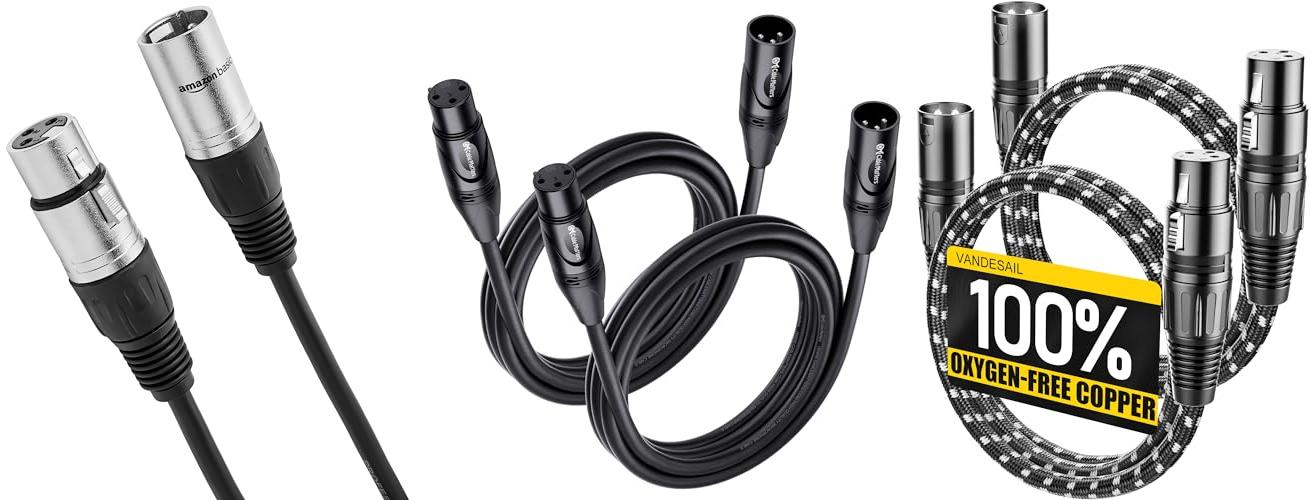
Ever wondered what makes your favorite musicians sound so clear and rich through those big speakers? It’s not just magic! A big part of it is a special cable called an XLR cable. These cables are like the unsung heroes of sound, connecting microphones, speakers, and other audio gear.
But picking the right XLR cable can feel like a puzzle. So many different kinds exist, and it’s easy to get confused. You want a cable that won’t buzz or crackle, one that lasts a long time, and one that delivers the best sound possible. Without the right one, your music might sound fuzzy, or your voice might not come through clearly.
Don’t worry! This post is here to help you understand everything about XLR cables. We’ll break down what makes them special, what to look for when you’re buying one, and how to choose the perfect fit for your needs. By the end, you’ll feel confident in your choice and ready to get the best sound out of your equipment.
Our Top 5 Xlr Cable Recommendations at a Glance
| Image | Product | Rating | Links |
|---|---|---|---|
 |
Amazon Basics XLR Male to Female Microphone Cable for Speaker or PA System | 8.5/10 | Check Price |
 |
Cable Matters 2-Pack Premium XLR to XLR Cables – 6ft | 8.8/10 | Check Price |
 |
VANDESAIL XLR Cables | 9.1/10 | Check Price |
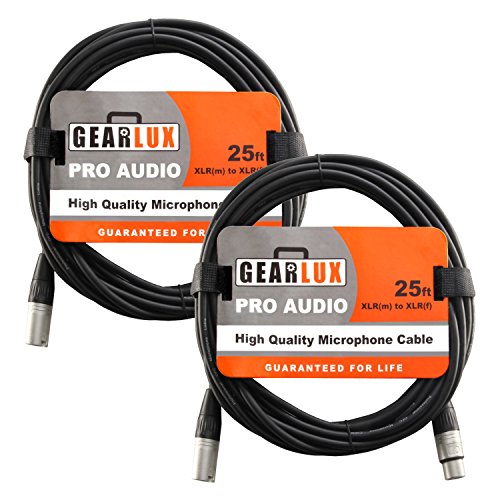 |
Gearlux XLR Microphone Cable | 8.8/10 | Check Price |
 |
Monoprice XLR Male to XLR Female Cable – for Microphone | 8.5/10 | Check Price |
Top 5 Xlr Cable Detailed Reviews
1. Amazon Basics XLR Male to Female Microphone Cable for Speaker or PA System
Rating: 8.7/10
This 6-foot Amazon Basics XLR cable is a solid choice for connecting your microphone to speakers or a PA system. It’s designed for both studio recording and live sound, making it pretty versatile.
What We Like:
- It delivers clear sound. The copper conductors and shielding help cut down on annoying background noise.
- The connectors are tough. They’re made of zinc alloy and have a protective metal housing, so they should last a good while.
- The cable itself is flexible and feels well-made. The 6mm PVC jacket protects the wires inside.
- It’s easy to plug in and use right away.
What Could Be Improved:
- For some users, the 6-foot length might be a bit short for certain setups.
- While good for the price, audiophiles might notice a slight difference compared to higher-end, more expensive cables.
For anyone needing a reliable and affordable XLR cable for basic audio needs, this Amazon Basics option is a smart pick. It gets the job done without breaking the bank.
2. Cable Matters 2-Pack Premium XLR to XLR Cables – 6ft
Rating: 8.7/10
The Cable Matters 2-Pack Premium XLR to XLR Cables are a solid choice for anyone needing reliable microphone connections. These 6-foot black cables are built with quality in mind, making them great for both home studios and live performances. You get two cables in a pack, which is super handy.
What We Like:
- You get two cables in one pack, which is a great value and gives you a spare.
- The cables are made with oxygen-free copper (OFC) for clear sound.
- They have strong metal connectors that won’t break easily.
- These cables work with lots of different audio gear, like microphones and speakers.
- The shielding helps cut down on unwanted noise, so your audio sounds clean.
What Could Be Improved:
- The 6-foot length might be a bit short for some larger setups.
- While durable, the PVC jacket could potentially stiffen in very cold weather.
These Cable Matters XLR cables offer good performance and durability for their price. They are a dependable option for most audio needs.
3. VANDESAIL XLR Cables
Rating: 9.0/10
The VANDESAIL XLR Cables, 3ft 2 Pack Microphone Cable offers a reliable and high-quality audio connection for your microphones and other XLR-equipped gear. This pack includes two 3-foot, 3-pin male-to-female balanced microphone cords, designed to deliver clear sound without interference. They are built with durable materials and feature robust connectors, making them a practical choice for various audio setups.
What We Like:
- Excellent Sound Quality: The double shielding with oxygen-free copper conductors and braided shielding effectively blocks out unwanted noise, hum, and hiss, ensuring a clean and clear audio signal.
- Built to Last: The flexible nylon braided housing is wear-resistant and can withstand over 20,000 bends without losing its flexibility. The heavy-duty metal connectors with strain relief provide a secure and durable connection.
- Wide Compatibility: These cables work with most 3-pin XLR devices, including popular microphones from Shure, FIFINE, Audio-Technica, and Samson, as well as mixing boards and speaker systems.
- Great Value: The 2-pack offers an economical solution, providing a spare cable or allowing you to connect multiple devices without breaking the bank.
- Secure Locking Mechanism: The XLR connectors have a smooth, sturdy locking latch that ensures a reliable connection every time you plug in your microphone.
What Could Be Improved:
- Limited Length in this Pack: While VANDESAIL offers many length options, this specific 2-pack is only 3 feet long, which might be too short for some studio or stage setups.
These VANDESAIL XLR cables are a solid investment for anyone seeking dependable audio connections. They offer a great balance of performance, durability, and affordability.
4. Gearlux XLR Microphone Cable
Rating: 9.5/10
Looking for reliable connections for your microphones and sound gear? The Gearlux XLR Microphone Cable, Fully Balanced, Male to Female, 25 Feet – 2 Pack offers a great solution. This two-pack of cables is built to handle the demands of both home studios and live shows.
What We Like:
- The three-pin XLR connectors make a secure link between microphones, mixers, and other audio equipment. This helps everything work smoothly.
- It uses oxygen-free copper (OFC) cores and a copper braided shield. This combination stops unwanted noise and humming. You get clear, dependable sound.
- These cables are designed for professional use. They deliver steady audio quality whether you’re recording or performing live.
- The jacket is made of PVC. It’s strong but also bendy, so the cable can handle being used a lot without losing its performance.
- The metal connectors are tough. They are built to last and provide solid connections, no matter where you use them.
What Could Be Improved:
- While the cables are sturdy, some users might prefer a slightly thicker jacket for extreme ruggedness in very harsh environments.
- For very long setups, the 25-foot length might require combining multiple cables for some users.
This Gearlux cable pack provides solid performance and durability for your audio needs. It’s a dependable choice for anyone serious about clear sound.
5. Monoprice XLR Male to XLR Female Cable – for Microphone
Rating: 9.0/10
The Monoprice XLR Male to XLR Female Cable from their Premier Series is a fantastic choice for anyone needing a reliable microphone cable. This 10-foot black cable is built tough with gold-plated connectors and thick 16AWG wires. It’s designed to deliver clear sound by reducing unwanted noise and preventing hum from ground loops. You get professional quality without breaking the bank.
What We Like:
- It uses balanced audio lines that cut down on annoying electrical and radio noise.
- A separate braided shield adds extra protection against interference, keeping your signal clean.
- It helps stop those irritating ground loop hums that can ruin recordings.
- The thick wires and gold-plated connectors mean it’s built to last and provides a solid connection.
- You get great quality for a really good price, which is always a plus.
What Could Be Improved:
- The listed “Connector Type: HDMI to DVI” seems to be a mistake for an XLR cable. This is confusing and needs to be corrected.
This Monoprice XLR cable offers excellent performance and durability for its price point. It’s a solid investment for your audio setup.
Your Guide to Choosing the Best XLR Cable
XLR cables are important for connecting microphones and other audio gear. They help send clear sound signals. This guide will help you pick the right one.
Key Features to Look For
1. Connector Type
- Male Connector: This plugs into your microphone or device.
- Female Connector: This plugs into your mixer, interface, or speaker.
Most XLR cables have a 3-pin connector. This is standard for audio equipment. Make sure the connectors fit your gear snugly.
2. Cable Length
Think about how far your microphone will be from your audio equipment. Shorter cables are good for tight spaces. Longer cables give you more freedom to move around. But very long cables can sometimes pick up noise.
3. Shielding
Good shielding protects your sound signal from interference. This means no buzzing or humming sounds. Look for cables with good shielding to keep your audio clean.
4. Flexibility
A flexible cable is easier to manage. It won’t tangle easily. This makes setting up and taking down your gear much simpler.
Important Materials
1. Copper Conductors
Copper is the best material for carrying sound signals. High-quality cables use pure copper. This helps send a strong and clear signal. Cheaper cables might use aluminum, which isn’t as good.
2. Outer Jacket
The outside of the cable protects the wires inside. A strong jacket made of PVC or rubber lasts longer. It also helps prevent damage from bending or stepping on the cable.
3. Connector Housing
The connectors should be made of sturdy metal, like zinc alloy or nickel-plated brass. This makes them strong and helps them last a long time. Plastic connectors can break easily.
Factors That Improve or Reduce Quality
What Makes a Cable Good?
- Pure Copper: Better signal quality.
- Good Shielding: Less noise and interference.
- Strong Connectors: Last longer and make a secure connection.
- Durable Jacket: Protects the cable from damage.
What Makes a Cable Bad?
- Thin Conductors: Weaker signal.
- Poor Shielding: More unwanted noise.
- Flimsy Connectors: Can break or become loose.
- Cheap Jacket: Prone to cracks and damage.
User Experience and Use Cases
XLR cables are used by many people. Musicians use them for microphones on stage. Podcasters use them in their studios. Sound engineers use them for all sorts of audio equipment.
Common Uses
- Microphones: Connecting to mixers, audio interfaces, or speakers.
- Studio Monitors: Connecting speakers to your computer or audio interface.
- PA Systems: Connecting microphones to large sound systems for concerts or events.
- DJs: Connecting equipment for parties and performances.
A good XLR cable means your sound will be clear and strong. A bad cable can ruin your performance with noise. Investing in a quality cable is worth it.
Frequently Asked Questions (FAQ)
Q: What is an XLR cable used for?
A: XLR cables are used to connect microphones, speakers, and other audio equipment to send sound signals.
Q: Do I need an XLR cable for my home studio?
A: Yes, if you are using a professional microphone, you will need an XLR cable to connect it to your audio interface or mixer.
Q: How do I know if an XLR cable is good quality?
A: Look for pure copper conductors, good shielding, strong metal connectors, and a durable outer jacket.
Q: Can I use a very long XLR cable?
A: Yes, but very long cables can sometimes pick up more electrical noise. For most home use, 10-25 feet is a good length.
Q: Will a cheaper XLR cable work?
A: It might work, but it could lead to lower sound quality and more unwanted noise.
Q: What does “3-pin” mean on an XLR cable?
A: It means the connector has three metal pins that carry the audio signal and ground connection.
Q: How should I store my XLR cables?
A: Coil them loosely to avoid damaging the wires inside. Avoid sharp bends.
Q: Can I use XLR cables for video?
A: No, XLR cables are designed for balanced audio signals, not video signals.
Q: What is the difference between balanced and unbalanced audio cables?
A: Balanced cables like XLR have three conductors to cancel out noise, while unbalanced cables (like instrument cables) have only two and are more prone to interference.
Q: How do I test if my XLR cable is working?
A: Plug it into a microphone and an audio interface or mixer. If you get sound, it’s likely working. Listen for any buzzing or crackling sounds.
In conclusion, every product has unique features and benefits. We hope this review helps you decide if it meets your needs. An informed choice ensures the best experience.
If you have any questions or feedback, please share them in the comments. Your input helps everyone. Thank you for reading.