
Tiny roaches in your kitchen can be a major nuisance. If you’re asking, “What is the quickest way to get rid of tiny roaches in my kitchen?” the answer is often a multi-pronged approach combining immediate action with long-term prevention. Can you get rid of them yourself? Yes, with diligent effort and the right strategies, you can effectively eliminate these unwelcome guests.
Seeing tiny roaches, often identified as German cockroaches, scurrying across your countertops or disappearing into crevices can be disheartening. These small invaders are notoriously difficult to eradicate completely, but with a systematic approach, you can reclaim your kitchen. This guide will delve into effective methods for kitchen roach control, focusing on both immediate solutions and strategies for eliminating kitchen pests permanently.
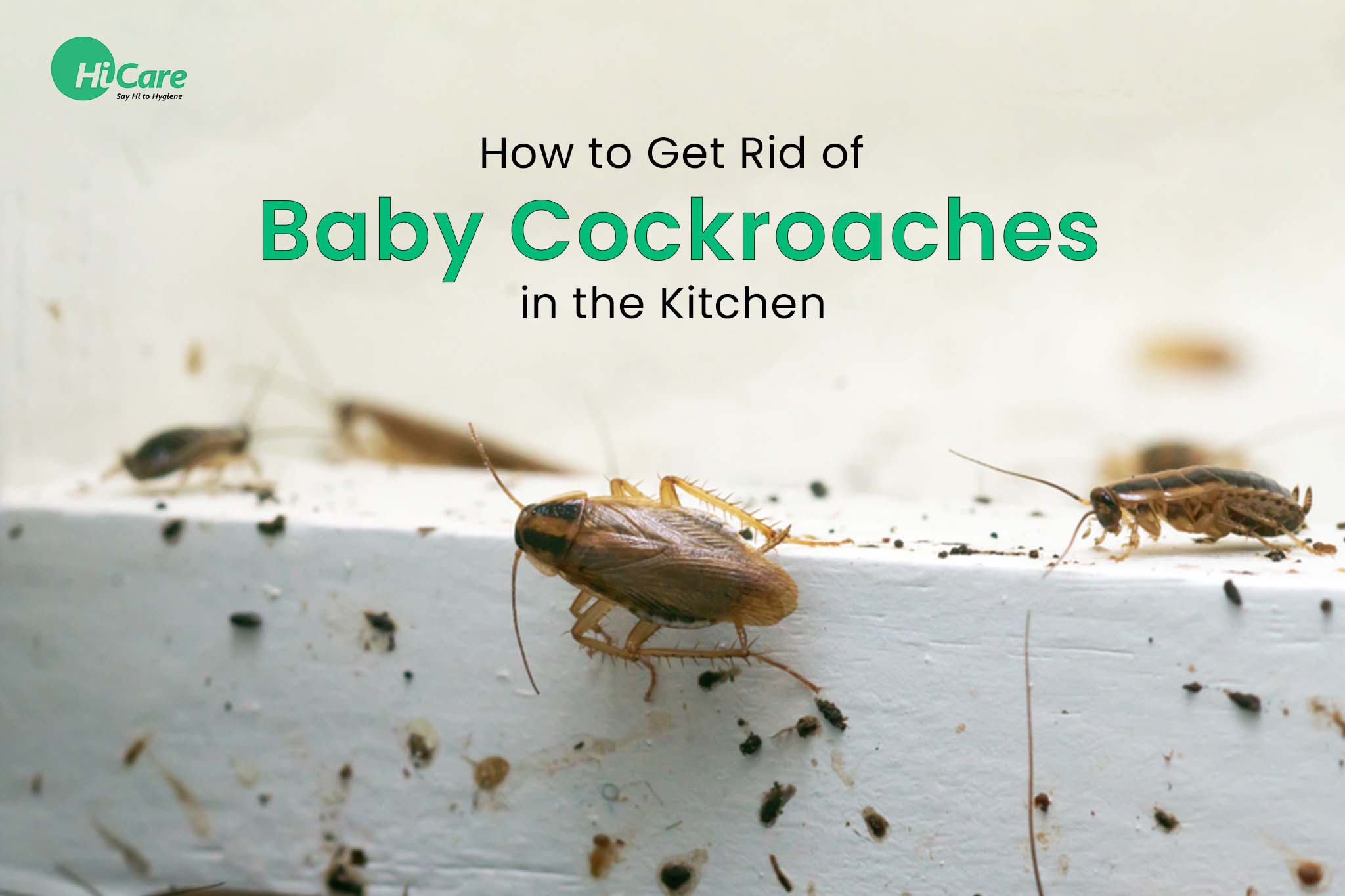
Image Source: hicare.in
The Enemy Within: Identifying the Tiny Roach Threat
Before we can fight, we need to know our enemy. Tiny roaches, particularly the German cockroach ( Blattella germanica), are the most common culprits in kitchens. They are small, typically light brown with two dark stripes on their thorax. Their small size allows them to hide in incredibly tight spaces, making detection and elimination challenging.
Why Are They So Stubborn?
- Rapid Reproduction: German cockroaches reproduce at an alarming rate. A single female can produce hundreds of offspring in her lifetime.
- Adaptability: They are highly adaptable and can survive on minimal food and water sources.
- Hiding Habits: They prefer dark, warm, and humid environments, which are abundant in kitchens – behind appliances, inside cabinets, under sinks, and even within electrical outlets.
- Resistance: Over time, they can develop resistance to certain insecticides, making over-the-counter products less effective.
Your Arsenal: Tools and Strategies for Kitchen Roach Control
Successfully tackling tiny roaches requires a combination of cleaning, sealing entry points, and targeted treatments. It’s not just about killing the roaches you see; it’s about disrupting their life cycle and making your kitchen an unwelcoming environment.
Kitchen Sanitation: The First Line of Defense
This is arguably the most crucial step in kitchen roach control. Roaches are drawn to food and water. Removing these attractants is paramount.
Daily Cleaning Routines:
- Wipe Down Surfaces: Clean countertops, stovetops, and tables after every meal or snack preparation. Use a degreaser to remove food residue.
- Wash Dishes Promptly: Don’t leave dirty dishes in the sink overnight. Wash them immediately or rinse them thoroughly and place them in a dishwasher.
- Sweep and Mop Floors: Regularly sweep and mop kitchen floors, paying attention to corners and areas under appliances.
- Empty Trash Cans: Dispose of garbage daily, preferably in a sealed bin. Clean the trash can itself periodically.
Deeper Cleaning Practices:
- Clean Under Appliances: Regularly pull out refrigerators, stoves, and dishwashers to clean accumulated food debris and grease.
- Organize Pantries and Cabinets: Keep food in airtight containers. Remove clutter where roaches can hide.
- Check for Leaks: Fix any leaky pipes or faucets, as roaches need water to survive. Pay special attention to areas under sinks.
- Clean Drains: Food particles can accumulate in drains, providing a water and food source. Pour boiling water or a vinegar-water solution down drains to clean them.
Sealing Entry Points and Hiding Spots
Roaches can enter your home from outside or from adjacent units in apartment buildings. They also love to hide within the structure of your kitchen.
Cracks and Crevices:
- Caulk Gaps: Use caulk to seal any cracks or openings in walls, baseboards, around pipes, and window frames. Tiny roaches can squeeze through incredibly small openings.
- Inspect Appliances: Check seals around ovens, refrigerators, and dishwashers. If they are damaged, replace them.
Storage Solutions:
- Airtight Containers: Store all food items, including dry goods like flour, sugar, and cereal, in airtight containers made of glass, metal, or hard plastic. Roaches can chew through cardboard and plastic bags.
- Declutter: Get rid of unnecessary items in your kitchen, such as stacks of newspapers, old boxes, and excess appliances. These provide excellent hiding places.
Targeted Treatments: Eliminating the Existing Infestation
Once your kitchen is clean and sealed, it’s time to tackle the roaches already present. A combination of methods is often most effective for kitchen roach control.
Cockroach Bait Stations: Effective and Targeted
Bait stations are small plastic containers that hold a slow-acting poison. Roaches are attracted to the bait, consume it, and then return to their harborage areas to die. Other roaches may consume their feces or dead bodies, leading to a domino effect.
- Placement is Key: Place bait stations in areas where you’ve seen roach activity: under sinks, behind appliances, in cabinets, and near plumbing.
- Read Instructions: Always follow the manufacturer’s instructions for placement and safety.
- Be Patient: It can take a few days to a week to see significant results, as the poison is designed to be carried back to the nest.
Gel Baits: Precision Application
Gel baits are another highly effective option for kitchen roach control. They are applied in small dots or lines in cracks, crevices, and other areas where roaches hide.
- Targeted Application: Apply gel bait in areas inaccessible to children and pets.
- Avoid Sprays Near Baits: Do not spray insecticides near bait stations or gel bait applications, as this can deter roaches from reaching the bait.
Insect Growth Regulators (IGRs): Disrupting the Life Cycle
IGRs don’t kill adult roaches directly but prevent nymphs from developing into mature, reproductive adults. This is crucial for long-term eliminating kitchen pests.
- How They Work: IGRs mimic natural insect hormones, disrupting the molting process.
- Combined Approach: IGRs are often used in conjunction with other methods like baiting for complete kitchen roach control.
Insecticide Sprays: Use with Caution
While ant killer spray or general insect sprays might seem like a quick fix, they can sometimes scatter roaches, making them harder to target with baits and potentially leading to resistance.
- Targeted Use: If using sprays, apply them directly to the roaches you see or into cracks and crevices where they hide.
- Ventilation: Ensure good ventilation when using any insecticide spray.
- Consider Professional Products: For tougher infestations, consider professional-grade products, but always use them according to label directions.
Home Remedies for Roaches: Natural Approaches
For those seeking less chemical-intensive solutions, several home remedies for roaches can be effective as part of a broader strategy.
- Diatomaceous Earth (Food Grade): This is a natural powder made from fossilized aquatic organisms. It works by abrading the roach’s exoskeleton, causing dehydration and death.
- Application: Sprinkle a thin layer in areas where roaches travel and hide. Keep it dry for maximum effectiveness.
- Boric Acid: Boric acid is a natural mineral that acts as a stomach poison and abrasive to roaches.
- Application: Apply a thin dusting in out-of-the-way places. Caution: Boric acid can be toxic if ingested by pets or children, so use it with extreme care and in inaccessible areas.
- Vinegar and Water Solution: A mixture of vinegar and water can be used to clean surfaces and kill roaches on contact. It also helps neutralize odors that attract them.
Natural Roach Killers: Beyond Basic Cleaning
Beyond common household items, some other naturally derived products can help.
- Essential Oils: Peppermint, eucalyptus, and tea tree oils are believed to repel roaches.
- Application: Mix a few drops with water and spray around entry points or create cotton balls soaked in the oil to place in cabinets. Their effectiveness for eliminating an infestation is limited, but they can act as deterrents.
- Bay Leaves: The strong scent of bay leaves is thought to repel roaches.
- Application: Place dried bay leaves in cupboards and drawers.
When DIY Isn’t Enough: Professional Help
If you’ve tried various methods and still struggle with tiny roaches, it might be time to call in the experts.
The Benefits of Professional Pest Management
- Expert Identification: Professionals can accurately identify the species and the extent of the infestation.
- Targeted Treatments: They have access to more potent and specialized products, including effective insect repellent formulations and professional-grade baits.
- Strategic Application: Pest control technicians know the best places to apply treatments for maximum impact.
- Long-Term Solutions: They can advise on ongoing prevention strategies and offer follow-up services.
- Safety: Professionals are trained in the safe and effective use of pest control chemicals, minimizing risks to your family and pets.
When considering pest control services, look for companies with good reviews and experience in dealing with cockroach infestations. They can provide a comprehensive plan tailored to your specific situation.
Preventing Future Infestations: Maintaining a Roach-Free Kitchen
Once you’ve successfully gotten rid of tiny roaches, the key is to prevent them from returning. This involves consistently applying the principles of kitchen sanitation and vigilance.
Ongoing Vigilance:
- Regular Inspections: Periodically check for signs of roach activity, such as droppings (small, dark specks that look like ground pepper) or shed skins.
- Seal New Entry Points: Be mindful of potential entry points as they arise, such as new cracks or gaps in your home.
- Be Cautious with Deliveries: Inspect grocery bags, delivery boxes, and secondhand appliances for any signs of roaches before bringing them into your kitchen.
Insect Repellent Strategies:
While direct repellents aren’t always a primary solution for infestations, certain practices can make your kitchen less attractive.
- Eliminate Water Sources: Continue to fix leaks and dry up any standing water.
- Seal Food: Keep all food, including pet food, sealed in airtight containers.
- Clean Regularly: Maintain your rigorous cleaning schedule.
Frequently Asked Questions About Tiny Kitchen Roaches
Here are some common questions people have when dealing with tiny roaches in their kitchen:
Q1: How fast do tiny roaches reproduce?
A1: German cockroaches reproduce very quickly. A single female can lay multiple egg cases, each containing 30-40 eggs, throughout her life. The nymphs hatch in about a month and can reach maturity in as little as 6-8 weeks, allowing populations to grow exponentially.
Q2: Can I get rid of roaches with just home remedies for roaches?
A2: While home remedies for roaches like diatomaceous earth or boric acid can be helpful as part of a treatment plan, they are often not enough on their own to eliminate a significant infestation. A combination of cleaning, sealing, and targeted treatments is usually necessary.
Q3: Are tiny roaches dangerous?
A3: Yes, tiny roaches can be a health hazard. They can carry bacteria and pathogens from unsanitary places, contaminating food surfaces and potentially spreading diseases like salmonella and E. coli. They can also trigger allergies and asthma symptoms in some individuals.
Q4: How do I know if I have a roach problem or if it’s just a few strays?
A4: Seeing one or two roaches occasionally might be a stray. However, if you start seeing them regularly, especially during the day, or if you notice roach droppings, egg cases, or a musty odor, it likely indicates an infestation.
Q5: What is the best cockroach bait station placement?
A5: The best placement for cockroach bait stations is in areas where roaches are most active and tend to hide. This includes under sinks, behind appliances (refrigerator, stove, dishwasher), inside cabinets and drawers, along baseboards, and near plumbing. Avoid placing them in open areas where they might be disturbed or inaccessible to the target pests.
Q6: If I use an ant killer spray, will it work on roaches?
A6: Some ant killer spray products might kill roaches on contact, but they are generally formulated for ants. It’s best to use products specifically labeled for cockroach control. Overuse of sprays can also cause roaches to scatter and become more difficult to eliminate with other methods.
Q7: How long does it take to get rid of roaches?
A7: The time it takes to get rid of roaches can vary depending on the severity of the infestation and the methods used. For minor infestations, you might see a significant reduction within a week or two. However, for larger problems, it can take several weeks or even months of consistent treatment and prevention to achieve complete eradication.
Conclusion: A Clean Kitchen is a Roach-Free Kitchen
Tackling tiny roaches in your kitchen requires a persistent and systematic approach. By prioritizing kitchen sanitation, sealing entry points, and utilizing effective treatments like cockroach bait stations, you can regain control of your home. If the problem persists, don’t hesitate to seek help from professional pest management. Remember, consistent vigilance and good housekeeping are your best allies in eliminating kitchen pests and keeping your kitchen a safe, clean space.