
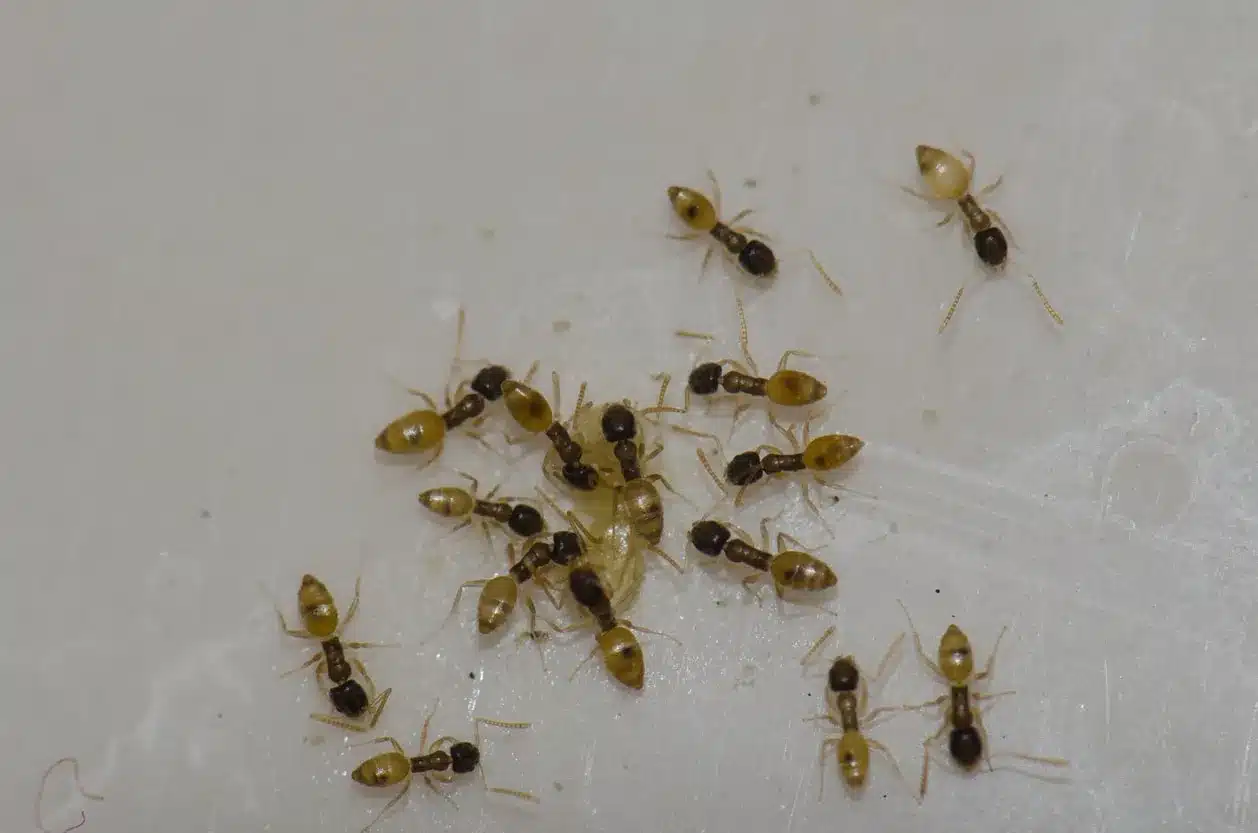
Image Source: cdn.bugs.com
How To Get Rid Of Tiny Ants On Kitchen Counter Fast, Safe, and Naturally
What is the best way to get rid of tiny ants on my kitchen counter? The best way to get rid of tiny ants on your kitchen counter fast, safely, and naturally is to combine thorough cleaning with targeted, natural deterrents and, if necessary, gentle traps. This approach addresses the root cause of the problem – their food source – while also repelling them and breaking their trails.
Seeing tiny ants marching across your kitchen counter can be incredibly frustrating. These minuscule invaders, often referred to as sugar ants or pharaoh ants depending on your region, are primarily looking for food and water. They might seem small, but a kitchen ant infestation can quickly spread if not addressed. This guide will equip you with effective, safe, and natural methods to tackle kitchen counter ants, ensuring your food preparation surfaces are clean and ant-free. We’ll delve into how to eliminate small ants using readily available household items, offering practical ant removal tips for a lasting solution.
Deciphering the Ant Invasion: Why Are They Here?
Before we dive into getting rid of them, it’s helpful to understand why these tiny trespassers are making your kitchen their destination. Tiny ants on surfaces are typically attracted by:
- Food Sources: Even the smallest crumb, sticky spill, or forgotten drop of juice can be a beacon for ants. They are especially drawn to sweet substances, but protein and grease can also be enticing.
- Water Sources: Leaky faucets, damp sponges, or condensation on pipes can provide ants with the water they need to survive.
- Entry Points: Ants can find surprisingly small cracks and crevices to enter your home. They often follow established trails, meaning if one ant finds a way in, others will follow.
- Nesting Sites: While you might see them on your counter, their nests could be hidden in walls, under floorboards, or even in damp soil outside.
Identifying the attractants is the first step in effective ant control kitchen. By removing their food and water sources, you make your kitchen far less appealing.
The Power of Cleanliness: Your First Line of Defense
A clean kitchen is an ant’s worst nightmare. This is the most crucial and often overlooked aspect of get rid of kitchen ants. A deep clean will not only remove existing food sources but also disrupt the scent trails that ants use to navigate.
Comprehensive Kitchen Cleaning Strategies
- Wipe Down Surfaces Immediately: After every meal preparation, ensure your countertops, stovetop, and sink are thoroughly wiped down. Use a damp cloth to catch any stray crumbs or sticky residues.
- Deal with Spills Promptly: Don’t let spills linger. Clean up juice, soda, jam, or any other sweet substances immediately.
- Empty Trash Cans Regularly: Food scraps in your trash are a prime attraction. Use bins with tight-fitting lids and empty them daily, especially if they contain food waste.
- Sweep and Mop Floors: Ant trails often extend to the floor. Regular sweeping and mopping will remove fallen crumbs and disrupt scent trails. Pay attention to areas around appliances and under cabinets.
- Clean Appliances: Don’t forget the nooks and crannies of your toaster, microwave, and other kitchen appliances. Food particles can accumulate here.
- Store Food Properly: Keep all food items, especially sugary ones like honey, jam, and cookies, in airtight containers. This prevents them from attracting ants and stops ants from accessing them if they do manage to get in.
- Address Sink Messes: Wash dishes promptly. Never leave dirty dishes in the sink overnight, as this provides a readily available water source and potential food scraps. Ensure your sink is dry after use.
Eliminating Scent Trails: The Invisible Highway
Ants rely on pheromone trails to communicate and navigate. If you don’t remove these trails, more ants will follow the same path to your kitchen.
- Vinegar Solution: A mixture of equal parts white vinegar and water is a highly effective natural ant killer for wiping down surfaces and eliminating scent trails. The strong smell of vinegar disorients ants and destroys their pheromone trails.
- How to Use: Mix 1 cup of white vinegar with 1 cup of water in a spray bottle. Spray directly onto ant trails and the affected areas. Wipe clean with a cloth. You can also use this mixture to clean your countertops regularly.
- Soapy Water: Dish soap is another excellent natural ant killer that can disrupt scent trails.
- How to Use: Mix a few drops of liquid dish soap with water in a spray bottle. Spray this solution on ant trails. The soap breaks down the pheromones and also suffocates ants on contact.
These cleaning methods are fundamental for any pest control ants strategy.
Natural Ant Killers and Repellents: Safe Solutions for Your Kitchen
Once you’ve cleaned and disrupted their trails, you can employ natural repellents to keep ants away. These methods are safe for use around food, children, and pets.
Effective Natural Repellents
- Lemon Juice: The acidity of lemon juice can disrupt ant trails and is a natural repellent.
- How to Use: Squeeze fresh lemon juice on countertops, window sills, and anywhere you see ants entering. You can also use diluted lemon juice (1 part lemon juice to 3 parts water) as a spray.
- Peppermint Oil: Ants dislike the strong scent of peppermint.
- How to Use: Mix 10-15 drops of peppermint essential oil with a cup of water in a spray bottle. Spray this solution around entry points, baseboards, and on countertops. You can also soak cotton balls in peppermint oil and place them in problem areas.
- Cinnamon: Both ground cinnamon and cinnamon oil can deter ants.
- How to Use: Sprinkle ground cinnamon around entry points or along ant trails. For a stronger effect, use cinnamon essential oil mixed with water as a spray.
- Coffee Grounds: Used coffee grounds have a strong scent that can repel ants.
- How to Use: Sprinkle dried coffee grounds around the exterior of your home near entry points, or place them in small dishes near ant trails inside.
- Chalk: Ants are said to avoid crossing chalk lines because the calcium carbonate interferes with their scent trails.
- How to Use: Draw chalk lines across entry points and ant pathways. This is more of a barrier method.
- Cornmeal: While not a repellent, cornmeal is often cited as a food source that ants cannot digest properly, leading to their demise.
- How to Use: Sprinkle cornmeal in areas where you see ants. Be sure to remove dead ants promptly.
These natural solutions are excellent for DIY ant control and are particularly useful when dealing with tiny ants on surfaces.
Natural Ant Baits: Luring Them Away
For persistent infestations, natural ant baits can be effective. The idea is to attract ants with a sweet bait that they carry back to their colony, effectively eliminating the source.
DIY Borax and Sugar Bait
Borax is a natural mineral that, when mixed with sugar, becomes an attractive yet toxic bait for ants. It works by disrupting their digestive system.
Important Safety Note: Borax is safe when used as directed, but it should be kept out of reach of children and pets. Handle with care and place baits strategically.
Ingredients:
- 1 part Borax
- 3 parts Sugar (granulated or powdered sugar works well)
- Water
Instructions:
- Mix Dry Ingredients: In a small bowl, combine the Borax and sugar thoroughly.
- Add Water: Gradually add a small amount of water to the mixture, just enough to create a thick paste or a syrupy consistency. You want it sticky enough to adhere to surfaces but not so watery that it spreads uncontrollably.
- Placement:
- Cotton Balls: Soak cotton balls in the borax-sugar solution and place them on small plastic lids or aluminum foil squares in areas where you see ants. This is a neat way to contain the bait.
- Small Lids/Containers: Place small amounts of the paste on disposable lids or pieces of cardboard and place them along ant trails, ensuring they are out of reach of pets and children.
Ants will be attracted to the sugar, ingest the borax, and carry it back to their nest. It may take a few days to see a significant reduction, as it relies on them returning to the colony. This is a powerful tool for eliminate small ants from the source.
Honey and Borax Bait
A slightly different approach uses honey for extra appeal.
Ingredients:
- 1 tablespoon Honey
- 1 teaspoon Borax
Instructions:
- Mix: Combine the honey and borax into a smooth paste.
- Placement: Apply small amounts of this paste to cardboard squares or bottle caps and place them strategically near ant trails.
Natural Traps: Capturing the Intruders
While repellents and baits target the colony, traps can help manage the ants you see on your counter.
Simple Sugar Water Traps
These are easy to make and can catch ants attracted to the sweetness.
Materials:
- Jar or small container
- Water
- Sugar
- Dish soap
Instructions:
- Create the Bait: Mix a few tablespoons of sugar with a small amount of water to create a sweet solution.
- Add Soap: Add a drop or two of dish soap to the sugar water. The soap breaks the surface tension of the water, causing ants to sink and drown.
- Placement: Place the jar or container in an area with ant activity. Ants will be attracted to the sweet water, crawl in, and get trapped.
These traps are a good addition to your ant control kitchen arsenal for visible ant problems.
Addressing the Root Cause: Prevention is Key
The most effective way to deal with tiny ants on kitchen counters is to prevent them from coming back in the first place. This involves ongoing vigilance and maintenance.
Sealing Entry Points
- Inspect Your Home: Walk around your kitchen and look for any tiny cracks or gaps in walls, windowsills, and around pipes.
- Seal Them Up: Use caulk or sealant to fill these openings. This is a critical step in long-term pest control ants.
- Check Doors and Windows: Ensure screens are intact and that weather stripping on doors and windows is in good condition.
Maintaining a Water-Free Environment
- Fix Leaks: Repair any leaky faucets or pipes immediately.
- Dry Surfaces: Wipe down sinks and countertops after use to eliminate residual moisture.
Ongoing Vigilance
- Regular Cleaning: Continue with your cleaning routine. Don’t let your guard down after the initial infestation is gone.
- Monitor for New Activity: Be aware of any new ant trails appearing and address them immediately with your chosen natural methods.
When to Call in the Professionals
While natural methods are highly effective for many kitchen counter ants situations, there are times when professional pest control might be necessary.
- Persistent Infestations: If you’ve tried all the natural methods and the ant problem persists or worsens, it may indicate a larger, more established colony that requires expert intervention.
- Identification of Ant Species: Some ant species, like carpenter ants, can cause structural damage to your home and require specialized treatment. If you suspect a more serious ant type, consult a professional.
- Extensive Nesting: If you suspect ants are nesting within your walls or other inaccessible areas of your home, professional pest control can locate and treat these hidden nests.
Table: Natural Ant Control Methods at a Glance
| Method | How it Works | Best For | Safety Notes |
|---|---|---|---|
| Vinegar Spray | Disrupts pheromone trails, repels ants. | Cleaning surfaces, breaking trails | Safe for surfaces, but the smell can be strong. |
| Soapy Water | Breaks down pheromones, suffocates ants on contact. | Cleaning trails, killing visible ants | Safe for surfaces, use mild dish soap. |
| Lemon Juice | Acidity disrupts trails, acts as a natural repellent. | Repelling, cleaning | Safe for most surfaces, test in an inconspicuous area. |
| Peppermint Oil | Strong scent repels ants. | Repelling, deterring entry | Keep concentrated oil away from pets. |
| Cinnamon | Strong scent repels ants. | Repelling, creating barriers | Safe, but can be messy if used in large quantities. |
| Borax & Sugar Bait | Ants ingest borax, which disrupts their digestive system. | Eliminating colonies | Keep out of reach of children and pets. Handle with care. |
| Sugar Water Traps | Ants attracted to sweet water, trapped and drowned. | Capturing visible ants | Generally safe, but ensure no spills attract more ants. |
Frequently Asked Questions (FAQ)
Q1: How quickly can I expect to see results using natural ant control methods?
A1: You should see a reduction in visible ants relatively quickly as you clean and disrupt their trails. However, eliminating the colony using baits can take several days to a week or more, as it depends on ants returning to their nest. Consistency is key.
Q2: Are natural ant repellents safe for pets and children?
A2: Most natural repellents like vinegar, lemon juice, peppermint oil (when diluted), cinnamon, and coffee grounds are generally considered safe when used as directed. However, always ensure that concentrated essential oils are kept out of reach of pets and children. Borax baits, while natural, must be placed where they cannot be ingested by pets or children.
Q3: What if the ants aren’t sugar ants? Can these methods still work?
A3: While these methods are most effective against common sugar ants, they can also help deter other types of ants. The key is to remove food and water sources and block entry points. Different ant species have different preferences, but a clean environment is universally unappealing to them.
Q4: Can I use essential oils directly on my kitchen counter?
A4: It’s best to dilute essential oils with water or another carrier liquid before applying them to surfaces. Some oils can be potent and may damage certain finishes. Always test in an inconspicuous area first.
Q5: How do I know if I have an ant infestation that needs professional help?
A5: If you’ve diligently applied natural methods for a few weeks without significant improvement, or if you see a massive number of ants consistently, it’s a good indicator that you might have a large colony or a species that requires professional pest control. Also, if you suspect structural damage (e.g., from carpenter ants), call a professional immediately.
Dealing with tiny ants on kitchen counters requires a multi-pronged approach. By prioritizing cleanliness, utilizing natural deterrents and baits, and being proactive with prevention, you can effectively get rid of kitchen ants and maintain a healthy, ant-free home. Remember that patience and consistency are your allies in this battle against these persistent, tiny invaders. Your DIY ant control efforts, combined with a keen eye for potential attractants, will go a long way in securing your kitchen against kitchen ant infestation.