
Can you store cutting boards vertically? Yes, storing cutting boards vertically is an excellent space-saving method and often the best way to store cutting boards to allow for air circulation, which helps keep them sanitary. How do you organize cutting boards? Organizing cutting boards involves choosing the right storage solution for your space, material, and number of boards.
A tidy kitchen is a happy kitchen. And a big part of that tidiness comes down to smart organization, especially for those essential kitchen tools: cutting boards. These workhorses of your culinary adventures can quickly become clutter culprits if not stored properly. But fear not, aspiring chefs and busy home cooks! We’re diving deep into the world of cutting board storage ideas to help you reclaim your counter space and keep your kitchen looking sharp.
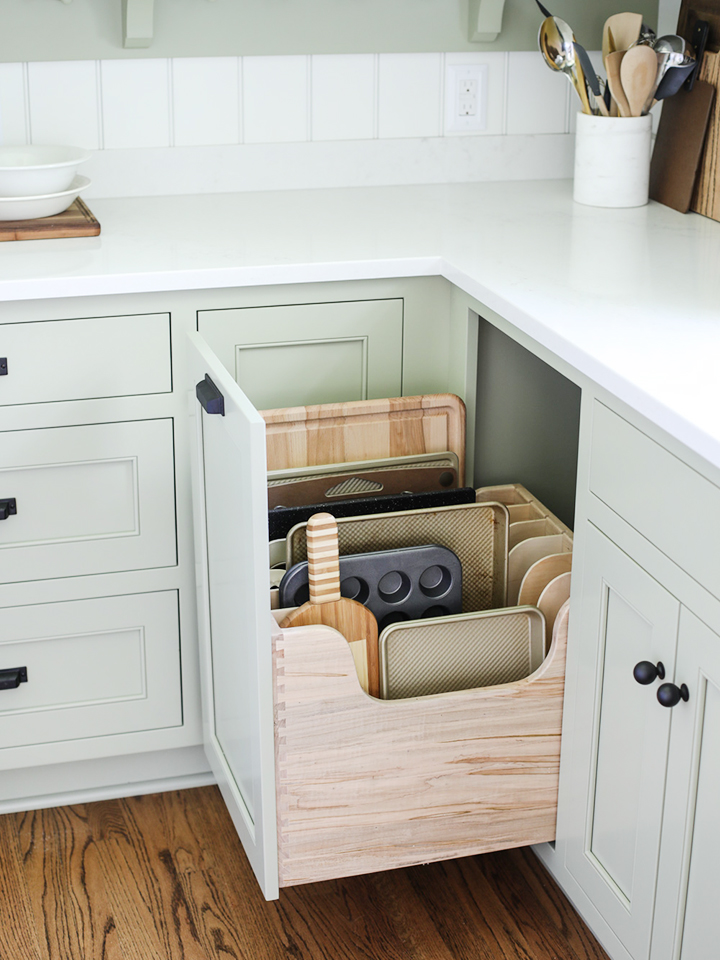
Image Source: www.domino.com
Why Proper Cutting Board Storage Matters
Before we explore the various ways to store your cutting boards, let’s talk about why it’s so important. It’s not just about aesthetics; it’s about functionality and hygiene.
- Sanitation: This is paramount. Proper storage prevents cross-contamination and helps your boards dry thoroughly, inhibiting bacterial growth. This directly addresses how to keep cutting boards sanitary.
- Longevity of Boards: How you store your boards can impact their lifespan. Drying properly and avoiding warping or damage means your favorite cutting boards will last longer.
- Kitchen Efficiency: When your cutting boards are easily accessible and organized, meal prep becomes smoother and more enjoyable. No more digging through stacks!
- Space Optimization: This is where the “space saver” title comes in. Clever storage solutions can transform cluttered cabinets or countertops into streamlined, efficient spaces.
Fathoming Different Cutting Board Materials and Their Storage Needs
Different cutting board materials have different storage requirements. Let’s look at the most common types:
Wood and Bamboo Cutting Boards
These natural materials are porous and require good air circulation to dry completely.
- Pros: Kind to knife edges, aesthetically pleasing, naturally antibacterial to some extent.
- Cons: Can absorb moisture and warp if not dried properly, require occasional oiling.
- Storage Considerations: They should never be stored flat in a damp environment. This means avoiding stacking them wet or placing them in sealed cabinets without adequate drying time.
Plastic Cutting Boards
These are generally less porous and easier to clean.
- Pros: Dishwasher safe, generally inexpensive, don’t absorb odors as easily as wood.
- Cons: Can be rough on knife edges, can harbor bacteria in knife grooves if not cleaned thoroughly, can stain.
- Storage Considerations: While more forgiving, air circulation is still beneficial to prevent moisture buildup, especially if they are washed by hand.
Composite/Hygienic Cutting Boards
These are often made from dense materials like paper or resin.
- Pros: Very durable, non-porous, dishwasher safe, resistant to staining and odors.
- Cons: Can be very hard on knife edges.
- Storage Considerations: Similar to plastic, air circulation is good practice, but they are generally more resilient to moisture.
The Best Way to Store Cutting Boards: Exploring Top Solutions
Now that we’ve covered the ‘why’ and the ‘what,’ let’s get to the ‘how.’ Finding the best way to store cutting boards depends on your kitchen layout, the number of boards you have, and your personal preference.
Vertical Cutting Board Storage: The Space-Saving Champion
Vertical cutting board storage is a game-changer for maximizing space. It keeps boards upright, allowing air to circulate freely around them and preventing moisture from becoming trapped.
1. Cutting Board Racks
A cutting board rack is a popular and effective solution. These can be freestanding on your counter, fit inside cabinets, or even be mounted to walls or the inside of cabinet doors.
- Countertop Racks: These are convenient for frequently used boards. Look for ones with sturdy construction and slots wide enough for your thicker boards.
- Pros: Easy access, keeps boards visible.
- Cons: Takes up counter space.
- In-Cabinet Racks: These tuck away neatly, keeping your countertops clear. They can be wire racks with slots or tiered shelves.
- Pros: Hides clutter, protects boards from dust.
- Cons: Requires cabinet space, might need to bend down to access.
- Wall-Mounted Racks: Ideal for kitchens with limited counter or cabinet space. These can be simple metal or wooden racks that attach to your backsplash or a free wall.
- Pros: Frees up counter and cabinet space, can be a decorative element.
- Cons: Requires installation, boards are exposed.
2. Slot Dividers and Organizers
Similar to racks, these are designed to hold items upright. You can find them in various sizes and materials, made specifically for cutting boards or as general kitchen organizers that can be repurposed.
- How they work: They use vertical slots to keep each board separate and standing on its own.
- Materials: Metal, wood, acrylic.
- Placement: Can be used in cabinets, on shelves, or even as freestanding organizers on a countertop.
3. DIY Vertical Storage Solutions
Don’t underestimate the power of a DIY approach!
- Magazine Holders: Sturdy magazine holders can be surprisingly effective for holding a few thinner cutting boards vertically.
- File Sorters: Office file sorters can be adapted for kitchen use.
- Pegboards: A pegboard with dowels or hooks can create a custom vertical storage system.
Cutting Board Cabinet Storage: Tucking Away the Clutter
For a truly minimalist look, cutting board cabinet storage is the way to go. This keeps everything hidden and organized.
1. Cabinet Door Organizers
The inside of your cabinet doors are prime real estate for storage.
- Over-the-Door Racks: These hook over the top of cabinet doors. Look for models specifically designed for cutting boards or use ones with adjustable shelves for different sizes.
- Pros: Utilizes often-unused space, keeps boards within reach when the door is open.
- Cons: May require careful measurement to ensure the door closes properly.
- Adhesive Mounts: Some organizers can be adhered directly to the inside of cabinet doors. Ensure you use strong, heat-resistant adhesive.
2. Shelf Dividers and Risers
If you have deeper cabinets, vertical dividers can be placed on shelves to create individual slots for your cutting boards.
- Pros: Maximizes vertical space within shelves, keeps boards upright.
- Cons: Might limit the width of boards you can store.
3. Dedicated Cabinet Pull-Outs
For a more advanced solution, consider installing pull-out shelves or drawers in your cabinets. These can be fitted with dividers to create a customized cutting board organization system.
- Pros: Very convenient, keeps boards fully accessible, protected.
- Cons: Requires installation, potentially higher cost.
Countertop Cutting Board Storage: Easy Access, Visible Presence
While some prefer to keep counters clear, countertop cutting board storage can be very practical, especially for your most-used boards.
1. Stylish Cutting Board Holders
There are many aesthetically pleasing cutting board holder designs available. These can range from simple wooden blocks with slots to decorative metal stands.
- Considerations: Choose a holder that complements your kitchen décor and has enough space between slots for air circulation.
- Material Options: Wood, bamboo, metal, acrylic.
2. Tiered Stands
Similar to racks, tiered stands allow you to store multiple boards in a vertical fashion on your countertop.
- Pros: Compact for the number of boards stored, easily accessible.
- Cons: Takes up counter space, boards are exposed to potential splatters.
Hanging Cutting Board Storage: A Versatile Option
Hanging cutting board storage is another excellent way to save space and keep boards off surfaces.
1. Wall Hooks
Simple hooks mounted on the wall or the side of cabinets can be used to hang boards, especially those with pre-drilled holes or handles.
- Pros: Excellent for small kitchens, keeps boards elevated.
- Cons: Boards are visible, requires wall mounting.
2. Pegboard Systems
As mentioned in DIY, pegboards with hooks or specialized holders can create a versatile hanging system for cutting boards of various sizes.
3. Under-Cabinet Hooks
Small hooks can be attached to the underside of wall cabinets, offering a discreet way to hang smaller or lighter cutting boards.
Cutting Board Organization: Beyond Just Storage
Organizing your cutting boards effectively is a key part of maintaining a functional kitchen.
Categorize and Conquer
- By Size: Group similar-sized boards together. This makes it easier to find the right one and often leads to more efficient storage.
- By Material: If you have both wood and plastic boards, consider storing them separately, especially if your wood boards need more air circulation.
- By Use: Designate certain boards for raw meats and others for produce to prevent cross-contamination. While this is about use, it can influence storage placement.
Declutter Ruthlessly
Do you really need five large wooden cutting boards? Be honest about what you use regularly. Donate or repurpose boards that are worn out, cracked, or no longer serve a purpose. Fewer boards mean simpler storage.
How to Keep Cutting Boards Sanitary: Storage and Beyond
Effective storage is crucial for sanitation, but it’s not the only factor in how to keep cutting boards sanitary.
Cleaning and Drying are Key
- Wash Immediately: Clean your cutting boards right after use.
- Scrub Thoroughly: Use hot, soapy water. For wooden boards, a paste of baking soda and water can help lift stains and odors.
- Sanitize Regularly: For wood and bamboo, a diluted bleach solution (1 tablespoon bleach per quart of water) or vinegar can be used as a sanitizer. Rinse thoroughly afterward. Plastic boards can often be washed in the dishwasher on a hot cycle.
- Dry Completely: This is where proper storage shines. Ensure boards are completely dry before storing them, especially wood and bamboo. Stand them upright to air dry or use a dish rack. Never put a damp wooden board away.
Oiling Wood and Bamboo Boards
Regularly oiling wood and bamboo cutting boards with food-grade mineral oil or specialized board cream helps prevent drying, cracking, and staining. This also makes them less porous and easier to keep sanitary. Do this monthly or whenever the board looks dry.
Cutting Board Cabinet Storage: The Hidden Gem
When discussing cutting board cabinet storage, we’re talking about keeping your kitchen looking sleek and uncluttered.
Optimizing Cabinet Space
- Vertical Dividers: As mentioned, these are your best friends inside cabinets. They turn a deep, potentially messy cabinet into an organized system of upright slots.
- Adjustable Shelving: If your cabinets have adjustable shelves, position them to accommodate your cutting boards vertically, perhaps with a divider.
- Door Mounts: Again, the inside of cabinet doors offer fantastic, often overlooked, storage potential.
Examples of Effective Cabinet Storage
| Storage Method | Description | Best For | Pros | Cons |
|---|---|---|---|---|
| Vertical Rack | Metal or plastic rack with slots for standing boards upright. | Multiple boards, various materials. | Space-saving, good air circulation. | Takes up shelf space or cabinet door space. |
| Shelf Dividers | Acrylic or wire dividers placed on cabinet shelves. | Cabinet shelves with ample height. | Maximizes vertical shelf space. | Can be limiting for very thick boards. |
| Cabinet Door Organizer | Over-the-door racks or adhesive mounts attached to cabinet interiors. | Smaller kitchens, maximizing unused space. | Utilizes dead space, keeps counters clear. | May impede door closure, requires mounting. |
| Pull-Out Drawer System | Custom or pre-made drawer inserts with dividers for cutting boards. | High-end kitchens, ultimate organization. | Excellent accessibility and protection. | Higher cost, requires cabinet modification. |
Cutting Board Rack Options: A Closer Look
The cutting board rack is a cornerstone of efficient cutting board organization. Let’s break down the types:
Freestanding Countertop Racks
These are often made of wood, bamboo, or metal and sit directly on your counter. They are great for your most frequently used boards. Look for designs that offer good spacing between slots to ensure adequate air flow. Some even have space for knives or other utensils.
In-Cabinet Racks
These are designed to fit inside your kitchen cabinets. They can be simple wire racks that sit on a shelf and have vertical slots, or they can be tiered racks that allow you to store boards on multiple levels. For cutting board cabinet storage, these are indispensable.
Wall-Mounted Racks
These attach to your wall, often near your prep area. They are excellent for saving counter and cabinet space. Materials can range from simple metal wire to more decorative wooden designs. If you have a backsplash with available space, a wall-mounted rack can be both functional and visually appealing.
Cutting Board Holder Designs: Function Meets Form
A cutting board holder doesn’t just need to be functional; it can also add a touch of style to your kitchen.
- Wooden Blocks: Classic and sturdy, wooden block holders often have angled slots that make it easy to slide boards in and out.
- Metal Stands: Sleek and modern, metal holders can come in various finishes like chrome, black, or brushed stainless steel.
- Acrylic Organizers: Transparent acrylic holders offer a contemporary look and allow you to see your boards clearly.
- Multi-Purpose Holders: Some holders are designed to accommodate more than just cutting boards, perhaps including slots for lids, baking sheets, or even knives.
Conclusion: Your Cutting Board Sanctuary Awaits
Implementing smart cutting board storage ideas is more than just a tidying exercise; it’s an investment in your kitchen’s efficiency, hygiene, and overall appeal. Whether you opt for vertical cutting board storage, clever cutting board cabinet storage, or stylish countertop cutting board storage solutions, the goal is the same: to keep your essential tools organized, accessible, and sanitary. By choosing the right cutting board rack or cutting board holder, and by remembering the principles of good hygiene, you can transform your kitchen into a well-oiled, clutter-free machine. Happy chopping!
Frequently Asked Questions (FAQ)
Q1: Can I store cutting boards flat?
A1: It’s generally not recommended to store wooden or bamboo cutting boards flat, especially if they are still damp. Storing them flat can trap moisture, leading to warping, cracking, and bacterial growth. Plastic boards are more forgiving, but vertical storage with air circulation is still ideal for drying and hygiene.
Q2: How often should I clean and sanitize my cutting boards?
A2: You should clean your cutting boards after every use. Sanitize them regularly, especially if you’ve cut raw meat on them. For wooden boards, a weekly sanitization is a good practice, alongside regular oiling.
Q3: Is it okay to store cutting boards in a drawer?
A3: Yes, you can store cutting boards in a drawer, but it’s best to store them vertically if possible. If storing horizontally, ensure the drawer is completely dry and consider placing a towel or absorbent material underneath to catch any residual moisture. Drawer inserts or dividers can help keep them organized.
Q4: What’s the best way to store a large, heavy cutting board?
A4: Large, heavy cutting boards benefit greatly from vertical storage. Look for sturdy cutting board racks, wall-mounted solutions, or even dedicated cabinet pull-outs that can handle the weight and size, ensuring good air circulation.
Q5: Do I need to oil my cutting boards?
A5: If you have wooden or bamboo cutting boards, yes, you should oil them regularly (usually monthly or as needed) with food-grade mineral oil or a specialized cutting board conditioner. This prevents drying, cracking, and staining, and helps maintain their sanitary qualities. Plastic boards do not require oiling.