
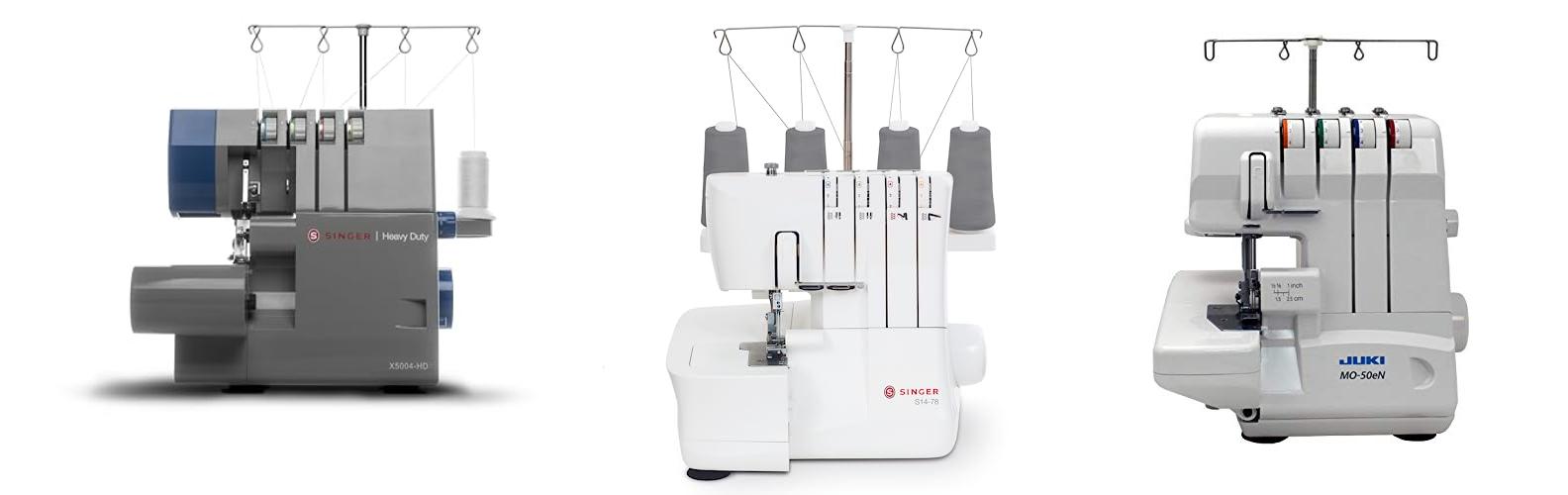
Have you ever looked at a perfectly finished garment and wondered how they got those neat, professional-looking seams? It often comes down to a secret weapon in many sewers’ arsenals: the serger sewing machine. But diving into the world of sergers can feel a bit overwhelming. There are so many different models, each with its own set of features and jargon, making it tough to know where to begin. You might be thinking, “Is it worth it?” or “Which one is actually right for *my* projects?”
Choosing the perfect serger can feel like a puzzle, but it doesn’t have to be a headache. This guide is here to clear up the confusion. We’ll break down what makes a serger so special and why it can be a game-changer for your sewing. You’ll learn what to look for, what features truly matter, and how to find a machine that fits your needs and budget.
By the end of this post, you’ll have a much clearer picture of the serger landscape. You’ll feel confident asking the right questions and making a smart choice. So, let’s get started and unlock the secrets to those beautiful, durable seams that will make your handmade creations shine!
Our Top 5 Serger Sewing Machine Recommendations at a Glance
| Image | Product | Rating | Links |
|---|---|---|---|
 |
SINGER X5004-HD Metal Frame Serger & Overlock Machine | 8.7/10 | Check Price |
 |
SINGER S14-78 Serger with Accessory Kit | 8.6/10 | Check Price |
 |
Juki | 9.0/10 | Check Price |
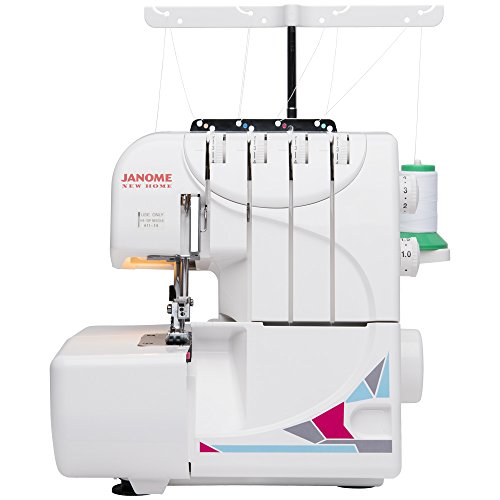 |
Janome MOD-8933 Serger with Lay-In Threading | 9.5/10 | Check Price |
 |
FEIYUE FY505 Serger Overlock Machine with 2/3/4 Thread Capability | 9.4/10 | Check Price |
Top 5 Serger Sewing Machine Detailed Reviews
1. SINGER X5004-HD Metal Frame Serger & Overlock Machine
Rating: 9.0/10
The SINGER X5004-HD Metal Frame Serger & Overlock Machine is a powerful and versatile tool for any sewer. Its robust metal frame ensures it stays steady while you work, even with tough fabrics. You can choose from 2, 3, or 4-thread stitches and eight built-in stitch types, making it perfect for all sorts of sewing projects. This machine sews fast, up to 1,300 stitches per minute, and its special knife cuts through thick materials like denim and upholstery with ease.
What We Like:
- The heavy-duty metal frame makes it super strong and stable, so stitches are always neat and don’t skip.
- It handles all sorts of fabrics well because of its strong frame and large cutting knife.
- You get lots of options with 2, 3, or 4-thread stitches and eight different stitch types for many projects.
- It sews very quickly at 1,300 stitches per minute, saving you time on big jobs.
- The adjustable differential feed helps prevent fabric from bunching up or creates nice ruffles.
- It comes with a big set of useful accessories, and they all store neatly inside.
- Two bright LED lights help you see your work clearly.
What Could Be Improved:
- For beginners, the many stitch options might seem a little overwhelming at first.
- While the metal frame is great for stability, it does make the machine heavier than plastic models.
This SINGER X5004-HD serger is a fantastic choice for sewers who want professional results and durability. It’s built to last and handle a wide range of sewing tasks with impressive speed and precision.
2. SINGER S14-78 Serger with Accessory Kit
Rating: 9.2/10
The SINGER S14-78 Serger with Accessory Kit is a versatile sewing machine that helps you create professional-looking projects. It can handle a variety of fabrics and stitches, making it a great tool for both beginners and experienced sewers.
What We Like:
- It has 2, 3, and 4 thread stitch options, so you can sew different kinds of seams and edges.
- The machine comes with helpful accessories like tweezers and a needle set to get you started right away.
- The free arm makes it easy to sew tricky parts of clothes, like sleeves and cuffs.
- The differential feed stops fabrics from puckering or stretching, giving you smooth seams on any material.
- You can easily make rolled and narrow hems for a neat, fancy finish on projects like scarves.
- It sews up to 1200 stitches per minute, which is super fast!
What Could Be Improved:
- Some users might find threading the machine a bit tricky at first.
- More advanced stitch options might be desired by very experienced sewers.
This SINGER serger is a fantastic machine for anyone looking to add a professional touch to their sewing. It offers great features for a smooth and enjoyable sewing experience.
3. Juki
Rating: 8.5/10
The Juki MO-50E is a fantastic serger that makes sewing projects a breeze. It handles both 3 and 4 thread sewing, giving you lots of options for finishing your fabrics. You can easily adjust the tensions for perfect stitches every time. Plus, it has a built-in rolled hem, so you can add a professional touch to your garments without extra work.
What We Like:
- The lay-in tensions are super easy to use. You just lay the thread in and go.
- The automatic lower looper threader saves you so much time and frustration.
- Adjustable differential feed means you get smooth seams on all kinds of fabrics, from stretchy knits to delicate silks.
- The built-in rolled hem is a lifesaver for finishing edges quickly and neatly.
- The retractable upper knife means you can easily switch between serging and regular sewing.
What Could Be Improved:
- The manual can be a bit confusing for beginners.
- It might be a little noisy compared to some other sergers.
This Juki MO-50E serger is a solid choice for anyone looking to upgrade their sewing experience. It offers great features that simplify your projects and deliver professional results.
4. Janome MOD-8933 Serger with Lay-In Threading
Rating: 9.2/10
The Janome MOD-8933 Serger is a fantastic tool for anyone looking to make their sewing projects look more professional. It’s designed to be user-friendly, even for beginners. This serger can do both 3-thread and 4-thread overlock stitches, giving you options for different fabrics and effects. Plus, its white color makes it look clean and modern in any sewing space.
What We Like:
- The lay-in threading system is a breeze to use.
- Color-coded thread guides make threading super simple.
- You can easily switch to a rolled hem for a neat finish.
- The adjustable presser foot pressure helps with tricky fabrics.
- The differential feed stops fabric from stretching or puckering.
- The lower looper is easy to reach and has a handy pretension slider.
What Could Be Improved:
- Some users might find the initial setup takes a little practice.
- While good for many projects, it might not have all the advanced features of high-end sergers.
Overall, the Janome MOD-8933 Serger offers a lot of great features for its price. It’s a reliable machine that will help you achieve beautiful, finished edges on your sewing creations.
5. FEIYUE FY505 Serger Overlock Machine with 2/3/4 Thread Capability
Rating: 8.9/10
The FEIYUE FY505 Serger Overlock Machine is a serious sewing tool that helps you create professional-looking projects. It’s built tough and can handle lots of different fabrics and sewing jobs. This machine makes sewing faster and easier, so you can finish your creations in no time.
What We Like:
- It can use 2, 3, or 4 threads. This means you can sew with different thread thicknesses and make many kinds of stitch patterns.
- It has a strong metal frame. This makes the machine last a long time and handle tough sewing jobs.
- The cutting blade is made from extra hard carbon steel. It cuts fabric very precisely for a clean, finished edge.
- Threading the machine is simple. It has color-coded guides and numbered loopers to make setup quick.
- You can sew up to 1,100 stitches per minute. This speed helps you finish your sewing projects faster.
- It has a built-in rolled hem feature. This lets you add a neat, finished edge to your projects easily.
- The adjustable differential feed helps you sew different fabrics without stretching or puckering.
What Could Be Improved:
- While the metal frame is durable, it might make the machine heavier than some users prefer.
- The high sewing speed is great for experienced users, but beginners might need some practice to control it.
Overall, the FEIYUE FY505 is a reliable and powerful serger that offers great features for both beginners and experienced sewers. It’s a solid choice for anyone looking to improve their sewing projects.
Your Serger Sewing Machine Buying Guide: Stitch Smarter!
Are you ready to take your sewing projects to the next level? A serger sewing machine can make your clothes look professionally made. It’s like a super-powered sewing machine that trims, stitches, and finishes seams all at once! This guide will help you find the perfect serger for your needs.
What is a Serger and Why Do You Need One?
A serger, also called an overlocker, is a special sewing machine. It uses multiple needles and threads to create a strong, neat seam. It also trims the excess fabric as it sews. This means you get a clean finish on the inside of your garments. It’s faster than a regular sewing machine for certain tasks.
Key Features to Look For
When you’re shopping for a serger, keep these important features in mind:
- Number of Threads: Sergers can use 2, 3, 4, or even 5 threads.
- 2-thread: Good for hemming lightweight fabrics.
- 3-thread: Creates a basic overlock stitch for finishing seams.
- 4-thread: The most common. It sews and finishes a seam at the same time.
- 5-thread: Offers a chain stitch plus an overlock stitch for extra strength.
- Differential Feed: This is a super important feature! It lets you adjust how the fabric feeds. This helps prevent wavy seams on knits and keeps stretchy fabrics from stretching out.
- Adjustable Stitch Length and Width: You want to be able to change these to suit different fabrics and projects.
- Easy Threading System: Threading a serger can seem tricky at first. Look for machines with color-coded guides or automatic threading features.
- Built-in Rolled Hem: This lets you create a beautiful, tiny hem for lightweight fabrics like scarves or ruffles.
- Adjustable Presser Foot Pressure: This helps control how much pressure the presser foot puts on the fabric. It’s useful for delicate or thick materials.
- Free Arm: Some sergers have a removable part that creates a free arm. This makes sewing sleeves and pant legs much easier.
Important Materials and Construction
The quality of a serger often comes down to its build.
- Metal Frame: A sturdy metal frame makes the machine more stable and durable. It helps reduce vibrations when you’re sewing at high speeds.
- Quality Internal Parts: Look for machines with metal gears and internal components. Plastic parts can wear out faster.
- Sharp Cutting Blade: A good quality blade is essential for clean cuts. It should be easy to replace when it gets dull.
Factors That Improve or Reduce Quality
Several things can make a serger better or not as good.
- Brand Reputation: Well-known sewing machine brands often make reliable sergers. Research reviews and see what other users say.
- Ease of Use: A serger shouldn’t be so complicated that you’re afraid to use it. Simple controls and clear instructions are a big plus.
- Noise Level: Some sergers are louder than others. If you have sensitive ears or share a sewing space, check reviews for noise comments.
- Maintenance: How easy is it to clean and oil your serger? Regular maintenance keeps it running smoothly.
User Experience and Use Cases
A serger can change how you sew!
- For Beginners: Start with a 3 or 4-thread serger that has an easy threading system. Focus on learning the basics of overlocking.
- For Garment Sewers: A 4-thread serger with good differential feed is perfect for sewing stretchy knits and woven fabrics. You can finish seams quickly and make clothes that fit well.
- For Quilters and Crafters: While not its primary use, a serger can be used for quick edge finishing on quilt blocks or for making durable bags and home decor items.
- For Professionals: More advanced sergers with more thread options and features can handle a wider range of projects and higher production needs.
Using a serger can make your sewing projects faster and give them a professional look. It’s a great tool for anyone who wants to improve their sewing skills.
Frequently Asked Questions (FAQ)
Q: What is the difference between a serger and a sewing machine?
A: A regular sewing machine stitches fabric together. A serger trims, stitches, and finishes the edge of the fabric all at the same time. It uses more threads to create a stronger, neater seam.
Q: Is a serger hard to thread?
A: Threading a serger can seem a little confusing at first because it uses multiple threads. Many newer models have color-coded guides or automatic threading to make it easier.
Q: How many threads do I need for a serger?
A: Most home sewers find a 4-thread serger to be very useful. It can sew and finish a seam in one step. More threads offer more stitch options for advanced projects.
Q: What does “differential feed” do?
A: Differential feed helps you control how the fabric moves through the machine. It stops stretchy fabrics from stretching out and prevents wavy seams on knit fabrics. It makes your stitches look much neater.
Q: Can I use a serger to hem pants?
A: Yes! A serger is excellent for hemming pants, especially if they are made of knit fabric. It creates a quick and professional-looking hem.
Q: Do I need to oil my serger?
A: Most sergers need regular oiling to keep them running smoothly. Check your machine’s manual for specific instructions on where and how often to oil it.
Q: How do I choose the right stitch length and width?
A: The best stitch length and width depend on the fabric you are using and the look you want. Always test on a scrap piece of fabric first to find the perfect setting.
Q: Can a serger replace my regular sewing machine?
A: No, a serger cannot completely replace a regular sewing machine. It’s designed for specific tasks like finishing seams and sewing knits. You still need a regular sewing machine for many other sewing techniques.
Q: What kind of fabrics work best with a serger?
A: Sergers are fantastic for knit fabrics because they stretch with the fabric. They also work very well for finishing the edges of woven fabrics to prevent fraying.
Q: Where can I find serger tutorials?
A: You can find many helpful tutorials online! Search on YouTube or look for resources on the manufacturer’s website. Your serger’s manual is also a great place to start.
In conclusion, every product has unique features and benefits. We hope this review helps you decide if it meets your needs. An informed choice ensures the best experience.
If you have any questions or feedback, please share them in the comments. Your input helps everyone. Thank you for reading.