
Imagine your ball python, a creature of comfort and safety, burrowing into its perfect hide. What’s beneath its scales is just as important as the cozy corner it chooses. But choosing the right bedding for your scaly friend can feel like navigating a maze of options. You want the best for your snake, but where do you start? It’s a common worry for new and experienced keepers alike: what substrate will keep your ball python healthy, happy, and truly thriving?
The wrong bedding can lead to a host of problems, from dusty air that irritates your snake’s lungs to substrates that hold too much moisture and encourage nasty mold growth. It can even affect their shedding, making it a painful and difficult process. This is where understanding your options becomes crucial. We’re here to cut through the confusion and give you the clear answers you need.
By the end of this post, you’ll know exactly what to look for in a ball python substrate. We’ll break down the pros and cons of popular choices, explain how to create the ideal environment, and equip you with the knowledge to confidently pick the perfect bedding. Let’s dive in and create the ultimate cozy home for your beloved serpent.
Our Top 5 Substrate For Ball Python Recommendations at a Glance
Top 5 Substrate For Ball Python Detailed Reviews
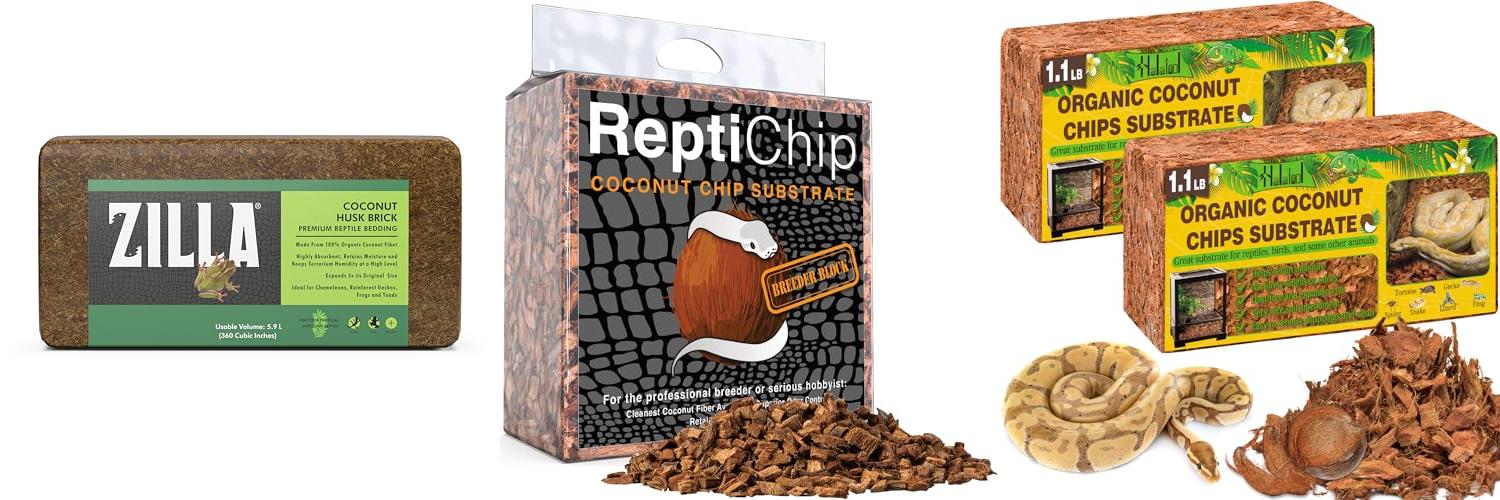
1. Zilla Coconut Husk Brick

Rating: 8.7/10
Reptile keepers, listen up! The Zilla Coconut Husk Brick is here to transform your tropical terrariums. This brick is made from 100% organic coconut fiber. It’s a natural and eco-friendly choice for your scaly or slimy friends. It’s perfect for creating a humid and comfortable home for a variety of tropical reptiles.
What We Like:
- This bedding is great at controlling humidity. It helps keep tropical terrariums moist.
- Its soft texture encourages burrowing. This lets your reptile act on its natural instincts.
- It’s made from 100% organic coconut fiber. This means it’s a sustainable and natural substrate.
- It’s perfect for tropical habitats. It also works well for incubating reptile eggs.
- The brick expands a lot! It can cover the bottom of a 55-gallon enclosure after adding hot water.
What Could Be Improved:
- It can be a bit dusty when dry. This might require a little extra care during setup.
- The expansion process can be messy. You’ll want to do it in a contained area.
Overall, the Zilla Coconut Husk Brick is a fantastic option for creating a natural and healthy environment for your tropical reptiles. It’s a simple way to provide the humidity and burrowing opportunities they need.
2. ReptiChip Reptile Substrate Coconut Chip Bedding 72 Quart Compressed Organic Coco Husk Block for Snake Habitat

Rating: 8.7/10
Creating the perfect home for your scaly or shelled friend is easy with ReptiChip Reptile Substrate Coconut Chip Bedding. This 72-quart compressed block of organic coco husk is designed to transform any terrarium into a tropical paradise. It’s a fantastic choice for ball pythons, leopard geckos, turtles, and tortoises, offering a safe and comfortable environment.
What We Like:
- It creates a healthy habitat by holding humidity well. This is great for reptiles that love a tropical feel.
- The 72-quart compressed brick is a big value, offering 10 lbs of bedding. It expands easily with just water.
- It absorbs odors, keeping your pet’s home and your own home smelling fresh.
- The coco chips are 100% organic and sustainable, which is good for the planet. They are also cleaned to be dust-free.
- This substrate is super versatile! You can use it for many different reptiles like geckos, tortoises, and hermit crabs.
- ReptiChip is committed to being eco-friendly. They use the best coconut husk and care about the environment during processing and delivery.
What Could Be Improved:
- While the compressed block is great for storage, it requires a bit of effort to rehydrate before use.
- The expanded bedding can sometimes be a little dusty initially, although the product claims to be dust-free.
ReptiChip offers an excellent, eco-friendly solution for creating a natural and comfortable habitat for a wide variety of reptiles. It’s a smart choice for any pet owner looking to provide the best for their animal.
3. Halatool 2Pack Snake Bedding Natural Coconut Chips Substrate 2.2LB Coconut Husk for Reptiles Tank Terrarium Substrate for Ball Python Frog Gecko Hermit Crab Tortoise

Rating: 8.7/10
Creating the perfect home for your reptile just got easier with the Halatool 2Pack Snake Bedding. This natural coconut chip substrate is designed to give your scaly, slimy, or shelled friends a comfortable and enriching environment. It’s a fantastic option for a variety of popular pets like ball pythons, frogs, geckos, and hermit crabs.
What We Like:
- You get two compressed bricks of premium coconut chips that expand to a generous amount of substrate, perfect for creating a deep bedding layer for burrowing pets.
- This substrate is 100% natural, meaning no harmful dyes, chemicals, or artificial stuff, and it’s dust-free and odor-free, which is great for both your pet and your home.
- The natural texture of the coconut chips lets your reptiles tunnel and explore, just like they would in the wild, and it’s gentle on their delicate scales.
- It’s super easy to use – just add water to the brick, and it quickly expands into fluffy, usable bedding.
- The substrate helps maintain the right humidity levels in the terrarium, which is crucial for healthy shedding, especially for snakes.
- It adds a natural look and feel to any reptile enclosure, making it a more exciting and healthy place for your pet to live.
What Could Be Improved:
- While it’s great for humidity, some users might find it holds a bit too much moisture if not properly managed, potentially leading to mold in very damp environments if not aired out.
- The initial expansion process requires a good amount of water, and it can take a few minutes to fully hydrate.
Overall, this Halatool coconut chip substrate offers a natural, safe, and functional bedding solution that many reptile owners will appreciate. It’s a solid choice for promoting a healthy and happy captive life for your beloved pets.
4. Riare 2 Pack Natural Coconut Chip Substrate for Reptiles- Compressed Coconut Husk Reptiles Bedding

Rating: 9.2/10
The Riare 2 Pack Natural Coconut Chip Substrate is a fantastic choice for pet owners looking to create a natural and comfortable home for their reptiles and amphibians. This compressed coconut husk bedding is designed to mimic a reptile’s natural environment, offering a soft texture for burrowing and a healthy habitat.
What We Like:
- Made from natural and organic coco husk chips, it provides a soft texture for burrowing.
- It’s easy to expand with water and stores compactly.
- This substrate is excellent at maintaining the right humidity levels, especially for tropical pets.
- It effectively absorbs odors and breaks down waste, keeping the habitat clean and fresh.
- The substrate is versatile and suitable for a wide range of reptiles like ball pythons, snakes, tortoises, and frogs.
- It can be repurposed as garden mulch or a soil amendment, making it eco-friendly.
- The chips are chunky, dust-free, and free of sharp pieces, ensuring your pet’s safety.
What Could Be Improved:
- The amount of water needed to expand the bricks might require some trial and error to get the perfect consistency.
- While the odor absorption is good, very frequent cleaning might still be necessary for heavily soiled areas.
This Riare coconut chip substrate offers a safe, hygienic, and natural environment for your beloved reptiles, promoting their well-being and making your pet care routine simpler.
5. Zilla Reptile Terrarium Bedding Substrate Jungle Mix

Rating: 8.9/10
Creating the perfect home for your tropical or forest-dwelling reptile just got easier with Zilla Reptile Terrarium Bedding Substrate Jungle Mix. This 8-quart bag offers a natural and functional substrate that supports your pet’s well-being and natural instincts.
What We Like:
- This bedding is perfect for tropical and forest habitats. It has a soft, organic feel and holds moisture well.
- It helps control humidity naturally. The bedding absorbs liquids and keeps humidity levels steady in reptile and plant enclosures.
- It encourages natural reptile behaviors. Your pet can dig, breed, nest, and incubate eggs in this natural mix.
- The blend is 100% organic. It uses aged Douglas fir bark and sphagnum peat moss, giving it a soft, earthy smell.
- Maintenance is simple. You only need 1 to 2 inches of bedding. Clean up waste daily and replace the bedding about once a month.
What Could Be Improved:
- The 8-quart size might not be enough for very large terrariums.
- While the scent is earthy, some owners might prefer a completely odorless option.
Overall, the Zilla Reptile Terrarium Bedding Substrate Jungle Mix is a fantastic choice for creating a healthy and enriching environment for your reptile. It’s a natural, easy-to-manage option that truly benefits your pet.
Choosing the Best Substrate for Your Ball Python: A Complete Guide
Finding the right bedding for your ball python is super important. It helps them feel safe and keeps their home healthy. This guide will help you pick the best stuff for your scaly friend.
Key Features to Look For
You want a substrate that holds moisture well. This keeps the humidity levels right for your snake. It should also be easy to clean. You don’t want a mess that’s hard to deal with. Good substrates help with shedding. Ball pythons need help shedding their skin, and the right bedding makes it easier. It should also be dust-free. Dust can make your snake sick. Finally, it should smell good. A bad smell means it’s time to change the substrate.
Important Materials
Many different materials work well for ball python substrates. Some popular choices are:
- Cypress Mulch: This is a great all-around option. It holds moisture well and is resistant to mold. It also looks natural in a terrarium.
- Coconut Fiber (Coir): This material is excellent for holding humidity. It comes in bricks that you rehydrate. It’s soft and good for burrowing.
- Aspen Shavings: These are very absorbent and good for keeping the enclosure dry. However, they don’t hold humidity as well as cypress or coco fiber. They are also a good choice for snakes that might be prone to respiratory issues because they are dust-free.
- Orchid Bark: This is a coarser material that also holds moisture well. It provides good ventilation and is attractive.
- Reptile-Specific Soil Mixes: Many companies make pre-mixed substrates designed for reptiles. These often combine several good materials for optimal humidity and texture.
Factors That Improve or Reduce Quality
What makes a substrate good?
- Moisture Retention: This is a big one. If the substrate dries out too quickly, your snake’s humidity will drop. This can lead to shedding problems.
- Dust Level: Dust is bad for your snake’s lungs. Always choose a low-dust or dust-free option.
- Mold Resistance: Mold can grow in damp environments. A good substrate will resist mold growth.
- Odor Control: A substrate that absorbs odors keeps your snake’s home smelling fresh.
- Burrowing Ability: Ball pythons like to hide and burrow. A substrate that allows for this helps them feel secure.
What makes a substrate bad?
- Too Dry: If it dries out too fast, it’s not good for humidity.
- Dusty: This can cause breathing problems.
- Moldy: Mold is unhealthy for your snake.
- Strong Smells: Some materials have natural odors that might be too strong.
- Too Compact: If it’s too hard, your snake can’t burrow.
- Pine or Cedar Shavings: These woods release oils that are toxic to snakes. Never use them.
- Sand: Sand can cause impaction if swallowed and doesn’t hold humidity well.
User Experience and Use Cases
Most owners find cypress mulch and coconut fiber to be the easiest to manage for humidity. They are forgiving and help create a stable environment. Aspen is a popular choice for those who live in humid climates and need to keep the enclosure drier. Orchid bark is often chosen for its aesthetic appeal and good drainage.
Reptile soil mixes are convenient because they take the guesswork out of creating a good blend. They are often formulated for specific humidity needs.
When choosing, think about your home’s climate. If your house is very dry, you’ll need a substrate that holds moisture very well. If your house is very humid, you might need something that allows for more airflow.
Frequently Asked Questions (FAQ)
Q: What is the best substrate for a baby ball python?
A: For baby ball pythons, it’s often best to use something like cypress mulch or coconut fiber. These help maintain the high humidity levels that young snakes need. They are also soft and safe if accidentally ingested.
Q: How often should I change my ball python’s substrate?
A: You should do spot cleaning daily to remove waste. A full substrate change is usually needed every 1-3 months, depending on the type of substrate and how well it holds up. If it starts to smell bad or looks dirty, it’s time for a change.
Q: Can I use paper towels as substrate?
A: Yes, paper towels are a good option, especially for new snakes or during quarantine. They are very easy to clean and monitor for health issues. However, they don’t hold humidity well, so you’ll need to mist them more often.
Q: Is reptile carpet a good substrate?
A: Reptile carpet can be used, but it has some downsides. It doesn’t hold humidity, and it can snag your snake’s nails. It also doesn’t allow for burrowing, which snakes enjoy. It’s better to use a natural substrate.
Q: What is “impaction”?
A: Impaction happens when a snake swallows something it shouldn’t, like too much substrate, and it gets stuck in its digestive system. This is a serious medical problem.
Q: How do I know if my substrate is holding enough humidity?
A: You can use a hygrometer to measure the humidity. For ball pythons, you want to aim for 50-60% humidity, and higher during shed cycles.
Q: Can I mix different substrates together?
A: Yes, mixing substrates can be beneficial. For example, mixing coconut fiber with cypress mulch can create a blend that holds humidity well while still offering good aeration.
Q: What should I do if my snake eats some substrate?
A: If your snake eats a small amount of substrate, it will usually pass through their system. However, if you notice signs of impaction, like bloating or lack of appetite, contact your veterinarian immediately.
Q: Does the type of enclosure affect substrate choice?
A: Yes. In glass tanks, humidity can escape easily, so substrates that hold moisture are crucial. In tubs or plastic enclosures, humidity is retained better, so you might have more flexibility.
Q: Are bioactive substrates good for ball pythons?
A: Bioactive substrates, which include live plants and beneficial microfauna like springtails and isopods, can create a self-cleaning ecosystem. They are excellent for maintaining humidity and providing a natural environment, but require more setup and knowledge.
In conclusion, every product has unique features and benefits. We hope this review helps you decide if it meets your needs. An informed choice ensures the best experience.
If you have any questions or feedback, please share them in the comments. Your input helps everyone. Thank you for reading.