
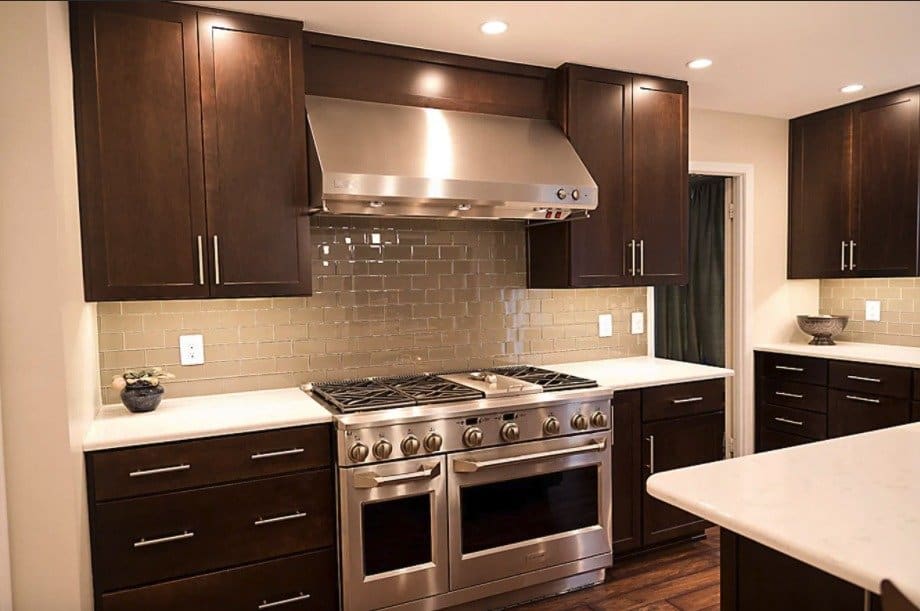
Image Source: ohanlonkitchens.com
Brighten Kitchens: How To Lighten A Kitchen With Dark Cabinets
Can you lighten a kitchen with dark cabinets? Absolutely! The good news is that there are many effective ways to brighten a kitchen that features dark cabinets, making it feel more spacious, airy, and welcoming. Whether you’re looking for a quick refresh or planning a larger renovation, this guide offers comprehensive strategies for transforming your dark kitchen.
The challenge of dark kitchen cabinets is common. They can make a space feel smaller, gloomier, and less inviting than you’d like. But don’t despair! With the right approach to brighten kitchen dark cabinets, you can achieve a significantly lighter and more cheerful atmosphere. This post will delve into various strategies for dark cabinets kitchen, covering everything from subtle tweaks to more involved makeovers. We’ll explore how to make kitchen lighter dark cabinets by focusing on lighting, color, and material choices.
Making Your Dark Kitchen Shine: A Multi-Faceted Approach
When you have dark cabinets, the key is to balance their visual weight. This means introducing elements that reflect light and create an illusion of brightness and openness. We’ll explore how to improve lighting dark kitchen and how to lighten up dark kitchen cabinets without necessarily replacing them.
Maximizing Natural Light
Natural light dark kitchen spaces can feel significantly different. Maximizing the light that streams in from your windows is your first and most powerful tool.
Window Treatments: Let There Be Light!
- Sheer Curtains: Opt for light, airy fabrics like linen or sheer cotton. These allow sunlight to filter through while providing a touch of privacy. Avoid heavy, dark draperies.
- Blinds and Shades: Choose light-colored blinds or shades. Consider top-down/bottom-up shades, which offer flexibility in controlling light and privacy.
- No Treatments: If privacy isn’t an issue, consider leaving windows bare to allow maximum light penetration.
- Clean Windows Regularly: It sounds simple, but clean windows let in more light. Make it a habit!
Reflective Surfaces: Bounce That Light Around
Using reflective surfaces strategically can dramatically increase the perceived brightness of your kitchen.
- Mirrored Backsplash: A mirrored backsplash behind your stove or countertops can instantly bounce light around the room, creating a sense of depth and spaciousness.
- Glossy Finishes: Opt for glossy or semi-gloss finishes on backsplashes, countertops, or even some cabinet doors. These surfaces catch and reflect light beautifully.
- Polished Metals: Stainless steel appliances, chrome hardware, and polished brass or gold accents can all contribute to a brighter feel by reflecting light.
Enhancing Artificial Light for Dark Cabinets
Effective kitchen lighting dark cabinets is crucial. When natural light is limited, or for evening use, artificial lighting becomes your best friend.
Layering Your Lighting: The Three Pillars
A well-lit kitchen uses a combination of different lighting types.
-
Ambient Lighting: This is the general, overall illumination of the room.
- Recessed Lighting: Install plenty of recessed ceiling lights. Opt for warm white bulbs (around 2700K-3000K) for a cozy feel.
- Flush Mount Fixtures: For lower ceilings, flush mount or semi-flush mount fixtures can provide good ambient light without taking up visual space.
- Track Lighting: Adjustable track lights can direct light where you need it most, providing flexibility.
-
Task Lighting: This lighting is focused on specific work areas, like countertops and the stove.
- Under-Cabinet Lighting: This is perhaps the most impactful type of lighting for kitchens with dark cabinets. It illuminates your countertops directly, making prep work easier and eliminating dark shadows that can make the space feel dingy. Consider LED strips for their energy efficiency and sleek appearance.
- Pendant Lights: Hanging pendant lights over an island or peninsula can add both style and focused light to work zones. Choose lighter-colored shades or clear glass.
- Sconces: Wall-mounted sconces can provide additional task lighting and add a decorative element.
-
Accent Lighting: This lighting highlights specific features, like artwork or architectural details.
- In-Cabinet Lighting: Adding lights inside glass-front cabinets can showcase your dishware and add a warm glow, drawing the eye upwards and away from the dark cabinet bases.
- Spotlights: Small spotlights can be used to highlight display shelves or decorative items.
Bulb Brightness and Color Temperature
- Brightness (Lumens): Ensure your bulbs have sufficient lumens for the task. Kitchens generally need brighter lighting than living rooms.
- Color Temperature (Kelvin): As mentioned, warm white (2700K-3000K) is generally preferred for a cozy kitchen. However, for task areas, a slightly cooler white (3500K-4000K) might be beneficial for clarity. Avoid very cool or blue-toned bulbs, which can make a space feel sterile.
Smart Lighting Solutions
- Dimmers: Install dimmers on all your light fixtures. This allows you to adjust the mood and brightness according to the time of day or activity.
- Smart Bulbs: Smart bulbs offer even more control, allowing you to change color temperature and brightness via an app or voice command.
Here’s a table summarizing lighting strategies for dark cabinets:
| Lighting Type | Purpose | Best Choices for Dark Cabinets |
|---|---|---|
| Ambient | General illumination | Recessed lights, flush mounts, track lighting with warm white bulbs. |
| Task | Illuminating work areas (countertops, stove) | Under-cabinet LED strips (crucial!), pendant lights with lighter shades, focused wall sconces. |
| Accent | Highlighting features | In-cabinet lighting (especially with glass doors), small spotlights on shelves or artwork. |
| Control | Adjusting brightness and mood | Dimmers on all fixtures, smart bulbs for customizable settings. |
| Color Temp | Creating atmosphere | Warm white (2700K-3000K) for general ambiance, neutral or cool white (3500K-4000K) for task areas. |
Color and Finish Choices: Painting a Brighter Picture
The colors you choose for your walls, backsplash, and even hardware can significantly impact how bright your kitchen feels.
Wall Colors: The Foundation of Brightness
- Whites and Off-Whites: These are classic choices for a reason. They reflect light and make any space feel larger and cleaner. Think crisp whites, soft creams, or gentle ivories.
- Light Grays and Blues: Pale, cool-toned colors can also work well. They offer a sophisticated feel without absorbing light.
- Pastel Shades: Soft pastels like mint green, sky blue, or pale yellow can add a touch of color while maintaining a bright aesthetic.
- Matte vs. Satin Finish: For walls, a matte or eggshell finish is generally preferred as it diffuses light softly. High-gloss finishes can sometimes create too much glare.
Backsplash: A Splash of Light
- Light-Colored Tiles: White subway tiles are a perennial favorite for their ability to reflect light and their timeless appeal.
- Glass Tiles: Glass tiles, especially in lighter colors or with iridescent finishes, are excellent light reflectors.
- Mirrored Tiles: As mentioned earlier, mirrored tiles are a bold but effective way to boost brightness.
- Light-Colored Natural Stone: Marble or quartz in white or light gray with minimal veining can add a touch of luxury and brightness.
Countertops: The Workhorse of Light
- Light Quartz or Granite: Countertops made of light-colored quartz or granite in shades of white, cream, or light gray will dramatically brighten your kitchen.
- White Solid Surface: Materials like Corian in white or off-white offer a seamless, bright look.
- Laminate: Many modern laminate options mimic the look of lighter natural stones or solid colors at a more affordable price point.
Hardware and Fixtures: The Finishing Touches
- Shiny Metals: Chrome, polished nickel, brushed nickel, or polished brass hardware will reflect light and add sparkle.
- Light-Colored Finishes: Consider matte white or brushed gold for a softer, yet still bright, effect.
- Cabinet Pulls and Knobs: Swap out any dark or dated hardware for lighter, shinier options.
Kitchen Remodel Dark Cabinets Light: Major Transformations
If you’re undertaking a larger kitchen remodel dark cabinets light, you have more significant opportunities to transform the space.
Refacing vs. Refinishing Cabinets
- Refinishing/Repainting: This is often the most cost-effective way to lighten dark cabinets.
- Preparation is Key: Thoroughly clean the cabinets. Sand them down to create a smooth surface for paint adhesion. Use a high-quality primer designed for cabinets.
- Paint Choice: Use a durable cabinet-grade paint. Semi-gloss or satin finishes are popular as they are easy to clean and offer a slight sheen that reflects light better than matte.
- Color: As discussed, light colors like white, cream, or light gray are excellent choices.
- Refacing: This involves replacing the visible parts of your cabinets, such as the doors and drawer fronts, while keeping the existing cabinet boxes.
- New Doors, New Light: You can choose doors in a lighter wood veneer or a painted finish in a bright color. This is a more significant investment than painting but offers a completely new look.
- Replacing Cabinets: This is the most extensive and expensive option. If your current cabinets are in poor condition or the style is very dated, replacing them entirely with new, lighter cabinets might be the best long-term solution.
Adding or Enlarging Windows
If your kitchen lacks sufficient natural light dark kitchen, consider structural changes.
- Skylights: Installing skylights can bring in abundant natural light, especially if your kitchen doesn’t have many exterior walls.
- Larger Windows or More Windows: If feasible, expanding existing windows or adding new ones can make a dramatic difference.
- Glass Doors: Replacing solid back doors with glass-paned doors can also allow more light to enter.
Open Shelving: Airing Things Out
Consider replacing some upper cabinets with open shelving.
- Visual Lightness: Open shelves can make a kitchen feel less heavy and more airy.
- Display Space: They offer a great opportunity to display lighter-colored dishware, decorative items, and plants.
- Color Choice: Paint the back of the open shelving units in a light color to maximize reflectivity.
Styling Tips to Enhance Brightness
Beyond the structural and paint choices, small styling details can have a big impact on how you make kitchen lighter dark cabinets.
Light-Colored Accessories
- Dishes and Cookware: Keep your most frequently used dishes and glassware in lighter colors.
- Textiles: Use light-colored dish towels, oven mitts, and placemats.
- Decor: Incorporate decorative items in white, cream, pastels, or metallics.
Plants and Greenery
- Living Accents: Plants add life and color to a kitchen. Choose varieties with lighter green leaves or flowering plants for a cheerful touch. Place them on windowsills, countertops, or shelves.
Keep it Clutter-Free
A cluttered kitchen always feels smaller and darker, regardless of cabinet color.
- Organization: Invest in good kitchen organizers to keep countertops and cabinets tidy.
- Minimalism: Embrace a more minimalist approach to decor and kitchen gadgets.
Considering Your Cabinet Material and Finish
The type of material your dark cabinets are made of and their current finish will influence the best approach.
Wood Cabinets (Cherry, Walnut, Mahogany)
- Refinishing: Wood can often be sanded down and refinished in a lighter stain or painted. Lighter wood tones like maple or birch, or painted finishes in white, gray, or a soft sage green, can work well.
- Painting: This is a popular option for dark wood. Ensure proper priming and use a durable paint.
Laminate or Thermofoil Cabinets
- Painting: These surfaces can be trickier to paint. Use a specialized primer and paint designed for laminate or thermofoil for best results. Proper preparation (cleaning and light sanding) is essential.
- Refacing: Replacing doors and drawer fronts is often a more durable solution for laminate or thermofoil if you want a significantly different look.
Painted Cabinets
- Repainting: If your dark cabinets are already painted, repainting them in a lighter color is usually straightforward, provided the previous paint job was done well.
Can I Paint My Dark Kitchen Cabinets White?
Yes, you can paint your dark kitchen cabinets white! White is one of the most popular choices for lightening a kitchen with dark cabinets. It’s essential to follow proper preparation steps: clean, degrease, lightly sand, prime with a good quality stain-blocking primer (especially if the dark color is prone to bleeding), and then apply multiple thin coats of a durable cabinet paint, ideally in a satin or semi-gloss finish for washability.
Frequently Asked Questions About Dark Kitchen Cabinets
Q1: What are the best colors to paint dark kitchen cabinets?
The best colors to paint dark kitchen cabinets are typically light and neutral shades. Whites, off-whites, creams, light grays, and soft blues or greens are excellent choices. These colors reflect light, making the kitchen feel brighter and more spacious.
Q2: How do I make my kitchen lighter without painting the cabinets?
You can make kitchen lighter dark cabinets by focusing on other elements. This includes maximizing natural light dark kitchen with sheer window treatments, adding more artificial light dark cabinets, using reflective surfaces like mirrors or glossy tiles, opting for light-colored walls, backsplashes, and countertops, and changing out hardware for lighter, shinier finishes.
Q3: Is under-cabinet lighting essential for a dark kitchen?
Yes, under-cabinet lighting is highly recommended for any kitchen, but especially for those with dark cabinets. It illuminates your work surfaces, eliminating shadows and making prep tasks much easier and safer. It also adds a warm, inviting glow to the space.
Q4: Can I update dark kitchen cabinets without a full remodel?
Absolutely. You can update dark kitchen cabinets through painting, refinishing, replacing just the hardware, or adding new doors and drawer fronts (refacing). These are all effective ways to brighten kitchen dark cabinets without the cost and disruption of a full remodel.
Q5: What kind of backsplash brightens a kitchen with dark cabinets?
Light-colored backsplashes are ideal. White subway tiles, glass tiles in light shades, or even a mirrored backsplash can dramatically help to improve lighting dark kitchen and create a brighter feel.
Q6: Should I replace my dark cabinets if I want a brighter kitchen?
Not necessarily. Replacing cabinets is a significant expense. Often, painting or refacing existing dark kitchen cabinet solutions can achieve the desired brighter look effectively and affordably. Focus on the other strategies mentioned in this guide first.
Q7: How does lighting affect a kitchen with dark cabinets?
Lighting is paramount. Insufficient or poorly placed lighting can make a kitchen with dark cabinets feel even more cavernous and gloomy. Well-executed kitchen lighting dark cabinets—combining ambient, task, and accent lighting—is key to overcoming the visual weight of dark cabinetry and creating an inviting, bright space.
Q8: What are some effective strategies for dark cabinets kitchen?
Effective strategies for dark cabinets kitchen include: improving kitchen lighting dark cabinets, choosing light colors for walls and backsplashes, using reflective surfaces, maximizing natural light dark kitchen, and updating hardware. For a more significant change, consider painting or refacing the cabinets themselves to lighten up dark kitchen cabinets.
Q9: How can I make my dark kitchen feel more spacious?
To make your dark kitchen feel more spacious, focus on creating a sense of height and light. Use light colors on walls and ceilings, incorporate vertical design elements, ensure ample lighting (especially under-cabinet lighting), use reflective surfaces, and keep clutter to a minimum.
Q10: What are the pros and cons of painting dark cabinets?
Pros: Significantly brightens the kitchen, modernizes the look, cost-effective compared to replacement, customizability of color.
Cons: Requires thorough preparation and skill for a good finish, potential for chipping or wear over time if not done properly, may not be suitable for all cabinet materials.
By implementing these strategies, you can transform a kitchen with dark cabinets into a bright, welcoming, and beautiful space. Remember, it’s often a combination of these techniques that yields the best results. Experiment with what works best for your kitchen and your style!