
Can you remove rust from a kitchen sink? Yes, absolutely! Rust stains on your kitchen sink can be a frustrating sight, but thankfully, there are several easy and effective methods to remove them. This guide will walk you through how to clean rusty sinks using common household items and specialized products, ensuring your sink looks its best again. We’ll cover everything from tackling light spots to deep-seated rust, helping you remove rust stains sink with confidence.
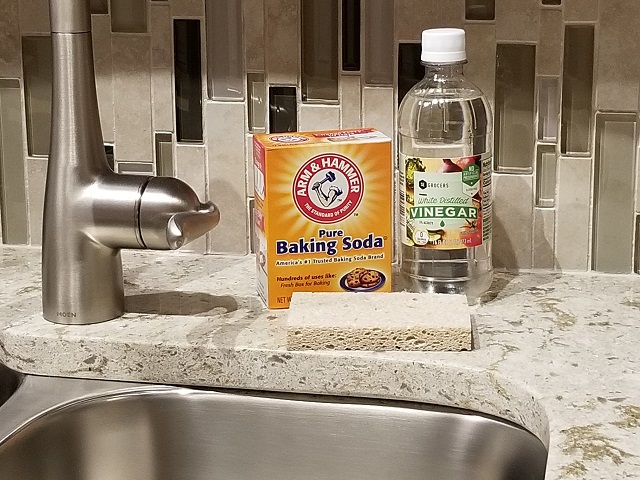
Image Source: www.duncanscreativekitchens.com
Why Does Rust Appear on Kitchen Sinks?
Rust, primarily iron oxide, forms when iron or steel is exposed to moisture and oxygen over time. While stainless steel is resistant to rust, certain conditions can still lead to its formation.
Common Culprits:
- Metal Utensils: Leaving cast iron pans, steel wool pads, or other iron-based kitchenware in a wet sink can transfer rust particles.
- Water Quality: Homes with hard water or water high in iron content are more prone to rust spots, even on stainless steel.
- Scratches and Damage: Deep scratches or chips in the sink’s protective coating can expose the underlying metal to the elements, accelerating rust formation.
- Abrasive Cleaners: Using harsh, abrasive cleaners that scratch the surface can compromise the sink’s integrity, making it susceptible to rust.
- Damp Sponges and Cloths: Leaving wet sponges or cleaning cloths in the sink can create a breeding ground for rust, especially if they contain metal components.
Gentle Yet Effective Household Remedies to Remove Rust Stains Sink
You don’t always need special products to get rid of rust. Many common kitchen ingredients can work wonders. These methods are great for mild to moderate rust and are generally safe for most sink materials.
1. Baking Soda: The Mild Abrasive Powerhouse
Baking soda rust sink is a fantastic natural cleaner. Its mild abrasive properties help scrub away rust without scratching your sink.
What You’ll Need:
- Baking soda
- Water
- Soft cloth or sponge
- Old toothbrush (optional)
Easy Steps:
- Make a Paste: Mix baking soda with a small amount of water to create a thick paste.
- Apply the Paste: Gently spread the paste over the rusty areas of your sink.
- Let It Sit: Allow the paste to sit for about 15-30 minutes. This gives the baking soda time to work on the rust.
- Scrub Gently: Use a soft cloth or sponge to gently scrub the rusted spots. For tougher areas, an old toothbrush can be helpful.
- Rinse Thoroughly: Rinse the sink with clean water.
- Dry and Inspect: Dry the sink completely with a clean cloth. Check if the rust has been removed. You may need to repeat the process for stubborn stains.
2. Vinegar: The Acidic Warrior
White vinegar is acidic and can effectively dissolve rust. This is a great option for tackling more noticeable rust spots. This method is a go-to kitchen sink rust remover.
What You’ll Need:
- White vinegar
- Paper towels or a soft cloth
- Soft brush or sponge
- Water
Easy Steps:
- Soak Paper Towels: Soak paper towels in white vinegar.
- Apply to Rust: Lay the soaked paper towels directly onto the rusty areas of the sink.
- Wait for Action: Leave the paper towels in place for at least 30 minutes to an hour. For very stubborn rust, you might need to leave them for a few hours.
- Scrub and Wipe: Remove the paper towels and gently scrub the area with a soft brush or sponge. Wipe away the dissolved rust.
- Rinse Well: Rinse the sink thoroughly with water to remove all traces of vinegar.
- Dry and Check: Dry the sink and check the results. Repeat if necessary.
3. Lemon Juice: The Natural Zest for Cleaning
Similar to vinegar, the citric acid in lemon juice can help break down rust. This offers a pleasant scent while you restore rusty kitchen sink finishes.
What You’ll Need:
- Fresh lemon juice (or bottled lemon juice)
- Salt or baking soda (optional, for extra scrubbing power)
- Soft cloth or sponge
- Water
Easy Steps:
- Sprinkle and Squeeze: Sprinkle salt or baking soda over the rusty spots, then squeeze fresh lemon juice over the top. Alternatively, you can simply apply lemon juice directly.
- Let It Sit: Allow the mixture to sit for 30 minutes to an hour.
- Scrub: Gently scrub the area with a soft cloth or sponge. The salt or baking soda will provide a gentle abrasive action.
- Rinse and Dry: Rinse the sink thoroughly with water and dry it completely.
4. Cream of Tartar: A Lesser-Known but Effective Option
Cream of tartar, when mixed with water or hydrogen peroxide, can create a powerful paste to tackle rust.
What You’ll Need:
- Cream of tartar
- Water or hydrogen peroxide
- Soft cloth or sponge
Easy Steps:
- Create a Paste: Mix cream of tartar with just enough water or hydrogen peroxide to form a thick paste.
- Apply and Wait: Apply the paste to the rust stains and let it sit for about 30 minutes.
- Scrub and Rinse: Gently scrub the area with a soft cloth and rinse thoroughly with water.
- Dry: Dry the sink completely.
Tackling Tougher Rust: Specialized Products and Techniques
When household remedies aren’t enough, it’s time to bring out the heavy artillery. Here are some more potent solutions and tips for when you need to specifically remove rust stains sink.
5. Commercial Rust Removers: The Targeted Approach
There are many excellent kitchen sink rust remover products available commercially. These are specifically formulated to break down rust quickly and efficiently.
What to Look For:
- Formulation: Choose a rust remover designed for the material of your sink (e.g., stainless steel).
- Safety: Always read and follow the manufacturer’s instructions and wear protective gloves and eyewear.
- Ventilation: Ensure the area is well-ventilated when using strong chemical cleaners.
General Steps for Using Commercial Rust Removers:
- Read Instructions: Carefully read and follow the product’s directions.
- Apply Sparingly: Apply a small amount of the product directly to the rust stain.
- Allow Dwell Time: Let the product work for the time specified on the label.
- Scrub (if needed): Use a non-abrasive sponge or cloth to gently scrub. Avoid using steel wool or harsh brushes.
- Rinse Thoroughly: Rinse the sink extensively with water to remove all chemical residue.
- Dry and Buff: Dry the sink completely and buff with a clean, dry cloth.
6. Oxalic Acid (Bar Keepers Friend): A Go-To for Stainless Steel
Bar Keepers Friend is a popular cleaner that contains oxalic acid, a powerful ingredient for removing rust and other tough stains from stainless steel. This is a fantastic option to rust off stainless steel sink.
What You’ll Need:
- Bar Keepers Friend (powder or liquid)
- Water
- Non-abrasive sponge or cloth
- Gloves
Steps for Using Bar Keepers Friend:
- Wet the Sink: Wet the rusty area of the sink with water.
- Sprinkle Powder: If using the powder form, sprinkle it directly onto the wet rust spots. If using liquid, apply as directed.
- Make a Paste (Powder): For the powder, add a little more water to create a paste.
- Let It Sit Briefly: Let the cleaner sit on the rust for about 1-2 minutes. Do not let it dry.
- Scrub Gently: Use a damp, non-abrasive sponge or cloth to gently scrub the rust away. Work in the direction of the stainless steel grain if applicable.
- Rinse Immediately: Rinse the sink thoroughly with plenty of water.
- Dry and Inspect: Dry the sink completely with a soft cloth. You might be amazed at how well it can restore rusty kitchen sink surfaces.
7. Mild Abrasive Cleaners: Use with Caution
While generally discouraged for routine cleaning, a mild abrasive cleaner sink rust can be used cautiously for stubborn rust. It’s crucial to choose a product specifically labeled as non-scratching for your sink material.
Important Considerations:
- Sink Material: Never use harsh abrasive cleaners on delicate surfaces like porcelain or enamel without testing in an inconspicuous area first.
- Scratching: The primary risk is scratching the sink’s finish, which can lead to future rust issues.
- Test First: Always test any abrasive cleaner in a hidden spot before applying it to the main surface.
General Steps for Mild Abrasive Cleaners:
- Choose Wisely: Select a cleaner specifically designed for sinks and labeled as non-scratching.
- Apply to Sponge: Apply a small amount of the cleaner to a damp, soft sponge or cloth, not directly to the sink.
- Gentle Scrubbing: Rub the rusted area gently in a circular motion. Avoid excessive pressure.
- Rinse Thoroughly: Rinse the sink very well with water.
- Dry and Check: Dry the sink and check for any new scratches or dullness.
8. Rust Polish: For a Final Shine
After removing rust, especially from stainless steel, a rust polish sink can help restore the shine and add a protective layer. This can help prevent future rust from forming.
How to Use Rust Polish:
- Clean the Sink: Ensure the sink is clean and completely dry.
- Apply Polish: Apply a small amount of stainless steel polish to a clean, soft cloth.
- Buff: Buff the polish onto the sink surface, following the grain of the stainless steel if applicable.
- Shine: Use a separate clean, dry cloth to buff the sink to a high shine.
How to Clean Rusty Sink Surfaces: A Comparative Look
| Cleaning Method | Best For | Pros | Cons |
|---|---|---|---|
| Baking Soda | Mild to moderate rust | Natural, inexpensive, non-toxic, gentle abrasive | May require repeat applications for tough stains |
| White Vinegar | Moderate rust | Effective acid for dissolving rust, readily available | Strong smell, can dull some surfaces if left too long |
| Lemon Juice | Mild rust, for a fresh scent | Natural, pleasant aroma, mild acidic action | Less potent than vinegar, might not work for heavy rust |
| Cream of Tartar | Stubborn rust | Effective for tougher stains, natural ingredient | Less common household item for some |
| Commercial Rust Removers | Stubborn and widespread rust | Formulated for effectiveness, fast-acting | Can be harsh chemicals, require safety precautions |
| Bar Keepers Friend | Stainless steel rust | Excellent for stainless steel, removes other stains too | Requires careful rinsing, can be too abrasive if not used correctly |
| Mild Abrasive Cleaners | Very stubborn, set-in rust | Can remove deep rust | High risk of scratching the sink surface |
| Rust Polish | Post-rust removal shine & protection | Restores shine, adds protective layer, prevents future rust | Not a cleaner, only for finishing |
Restoring Your Sink: Tips for Success
When you want to restore rusty kitchen sink surfaces, consistency and the right approach are key.
Key Strategies:
- Identify the Rust Source: Try to find out what’s causing the rust to prevent recurrence.
- Gentle is Best: Always start with the mildest cleaning method and escalate only if necessary.
- Test First: If you’re unsure about a cleaner, test it on an inconspicuous area.
- Work in Sections: For larger sinks or tough spots, tackle one area at a time.
- Rinse and Dry: Always rinse thoroughly after cleaning and dry the sink completely. This prevents water spots and potential new rust.
- Regular Maintenance: Clean your sink regularly to prevent rust from forming in the first place.
Preventing Future Rust: Proactive Sink Care
The best way to deal with rust is to prevent it from happening. Here’s how to clean rusty sink by avoiding it altogether.
Prevention Tips:
- Dry Your Sink: After each use, wipe down your sink and faucet to remove excess moisture.
- Avoid Metal Contact: Don’t leave wet metal items (like cans, cast iron pans, or steel wool pads) sitting in the sink. Use a sink mat or drain board.
- Use a Sink Strainer: A good sink strainer will catch food particles that can trap moisture and contribute to rust.
- Clean Regularly: Frequent cleaning with mild soap and water will prevent the buildup that leads to rust.
- Address Scratches: If you notice scratches, consider using a stainless steel repair kit or a sink polish to seal them.
- Avoid Harsh Chemicals: Stay away from abrasive scrubbers and harsh chemicals that can damage the sink’s protective layer.
Frequently Asked Questions (FAQ)
Q1: Can I use steel wool to remove rust from my sink?
A: It’s generally not recommended to use steel wool on stainless steel sinks. While it might remove rust, it can also create fine scratches that make the sink more prone to future rust and dull its finish. Opt for softer materials like non-abrasive sponges or microfiber cloths.
Q2: How often should I deep clean my kitchen sink?
A: Deep cleaning your sink once a week is a good practice. However, if you have hard water or notice rust spots forming, you might need to clean it more frequently. Regular wiping down after use is crucial for preventing rust.
Q3: My sink is porcelain, can I use these methods?
A: For porcelain sinks, it’s essential to be extra gentle. Baking soda paste and diluted vinegar (or lemon juice) are usually safe. Always avoid abrasive cleaners and harsh scrubbing, as these can damage the porcelain glaze. Test any method in an inconspicuous spot first.
Q4: What if the rust is deep and won’t come off?
A: For very deep or persistent rust, you might need to use a specialized commercial rust remover designed for your sink material. Bar Keepers Friend is particularly effective for stainless steel. Always follow product instructions carefully and wear protective gear. If the rust is due to a significant defect in the sink material, you may need to consult a professional.
Q5: Does the type of stainless steel matter?
A: Yes, the grade of stainless steel can influence its rust resistance. Higher grades are generally more resistant. However, even high-quality stainless steel can rust under certain conditions. The methods described in this guide are generally safe for most common stainless steel sink types.
By following these steps and tips, you can effectively remove rust stains sink and keep your kitchen sink looking clean and shiny, helping you restore rusty kitchen sink surfaces with ease!