
Can you paint unfinished kitchen cabinets? Yes, absolutely! Painting unfinished kitchen cabinets is a fantastic way to personalize your kitchen and achieve a high-end look without a massive budget. This comprehensive DIY guide will walk you through every step, from essential preparation to the final coat, ensuring your cabinets look professionally done. We’ll cover everything you need to know about painting raw wood cabinets and breathing new life into your kitchen space.
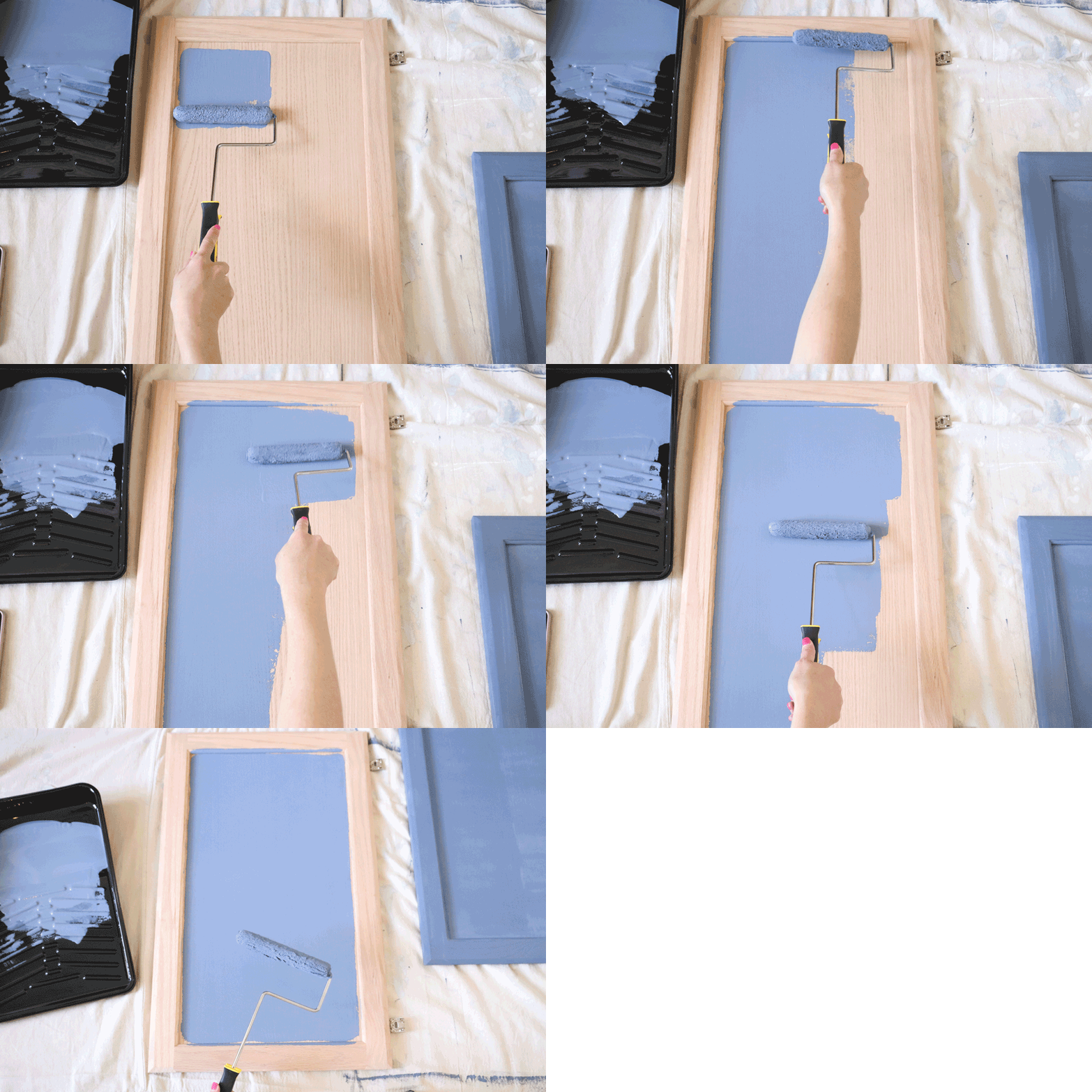
Image Source: www.neathousesweethome.com
Why Paint Unfinished Kitchen Cabinets?
Unfinished cabinets offer a blank canvas for your design dreams. They are often more affordable than pre-finished options, giving you the freedom to choose the exact color and finish that complements your style. Whether you’re aiming for a modern farmhouse feel, a sleek contemporary look, or a cozy traditional vibe, painting is your ticket. This process is also a cornerstone of kitchen cabinet refinishing, allowing you to update an entire kitchen’s aesthetic with a significant impact.
Benefits of Painting
- Customization: Achieve any color or finish imaginable.
- Cost-Effective: Save money compared to buying new cabinets.
- Aesthetic Upgrade: Dramatically transform your kitchen’s appearance.
- Durability: With the right paint and technique, painted cabinets can last for years.
- DIY Satisfaction: Experience the pride of a beautifully renovated kitchen.
Essential Cabinet Painting Supplies
Gathering the right cabinet painting supplies is crucial for a smooth and successful project. Having everything ready before you start will save you time and frustration.
- Screwdrivers or Drill with Bits: For removing hardware and cabinet doors.
- Cleaning Supplies: Degreaser, mild soap, water, clean rags or sponges.
- Sandpaper: Various grits (e.g., 120, 180, 220) for smoothing surfaces.
- Sanding Block or Electric Sander: For efficient sanding.
- Tack Cloths: To remove dust after sanding.
- Painter’s Tape: For masking off areas you don’t want to paint.
- Primer: High-quality stain-blocking primer is essential.
- Paint: Cabinet-specific paint or a durable enamel.
- Paint Brushes: High-quality synthetic brushes for smooth application.
- Foam Rollers or Microfiber Rollers: For large, flat surfaces.
- Paint Trays or Buckets: For holding paint.
- Drop Cloths or Plastic Sheeting: To protect your floors and surrounding areas.
- Safety Gear: Gloves, eye protection, and a dust mask.
- Wood Filler: For repairing any small imperfections.
- Putty Knife: For applying wood filler.
- Caulk: For sealing gaps.
- Optional: Paint sprayer for a flawless finish.
Step-by-Step Guide to Painting Unfinished Kitchen Cabinets
The key to a professional-looking paint job lies in meticulous preparation. Rushing through these steps will likely lead to a less durable and less attractive finish. Let’s dive into the unfinished cabinet preparation.
Step 1: Remove Cabinet Doors and Hardware
This is the first and most important step in DIY cabinet painting.
- Label Everything: As you remove doors and drawers, label each one with a piece of painter’s tape and a marker. Note where each piece came from (e.g., “Upper Left,” “Drawer Front 3”). This prevents confusion when it’s time to reassemble.
- Store Hardware Safely: Place all screws, hinges, and knobs in separate labeled bags or containers.
- Work Systematically: Remove one cabinet door at a time, or work in sections to avoid overwhelming yourself.
Step 2: Clean the Cabinets Thoroughly
New unfinished wood can have dust, oils, or manufacturing residues. A deep clean is essential for paint adhesion.
- Degrease: Use a degreaser solution (a few drops of mild dish soap in warm water works well) to clean all surfaces. Wipe down every inch of the cabinet doors, drawer fronts, and cabinet boxes.
- Rinse and Dry: Rinse the cabinets with clean water and a damp cloth to remove any soap residue. Ensure they are completely dry before proceeding. This step is vital for kitchen cabinet refinishing to ensure a clean surface.
Step 3: Repair Imperfections
Unfinished cabinets might have small dings, dents, or scratches.
- Fill Holes and Dents: Use wood filler to fill any imperfections. Apply it with a putty knife, pressing it firmly into the damaged area.
- Smooth Filler: Once the wood filler is dry, sand it smooth so it’s flush with the surrounding wood.
Step 4: Sanding Unfinished Cabinets
Proper sanding creates a smooth surface for primer and paint to adhere to. This is a critical part of unfinished cabinet preparation.
- Initial Sanding (Grit 120-150): Start with a medium-grit sandpaper (around 120-150 grit). This will lightly scuff the surface, removing any rough patches and creating a “tooth” for the primer.
- Smooth Sanding (Grit 180-220): Follow up with a finer-grit sandpaper (180-220 grit). This will further smooth the wood, preparing it for paint.
- Sanding Technique: Whether you use a sanding block or an electric sander, sand in the direction of the wood grain. Avoid pressing too hard, which can create an uneven surface.
- Clean Between Sanding: After each sanding stage, use a vacuum with a brush attachment or a tack cloth to remove all dust.
Step 5: Apply Cabinet Priming Steps
Priming is non-negotiable when painting unfinished cabinets. Primer seals the wood, prevents tannins from bleeding through the paint, and provides a uniform base for your topcoat.
- Choose the Right Primer: Select a high-quality stain-blocking primer. Oil-based or shellac-based primers are excellent for sealing wood and preventing tannin bleed, especially for woods like oak or pine. Water-based primers are also an option, but ensure they are specifically formulated for cabinetry and have good sealing properties.
- Application:
- Brushing: Use a good quality synthetic brush for corners, edges, and detailed areas.
- Rolling: Use a foam roller for flat surfaces to achieve a smooth finish.
- Spraying (Optional): If you have a paint sprayer, this will provide the smoothest and most professional finish. Follow the manufacturer’s instructions for thinning the primer.
- Even Coats: Apply thin, even coats of primer. Avoid applying it too thickly, as this can lead to drips and an uneven texture.
- Drying Time: Allow the primer to dry completely according to the manufacturer’s instructions. This usually takes a few hours.
- Light Sanding After Priming: Once the primer is dry, lightly sand the entire surface with 220-grit sandpaper. This will knock down any raised grain or imperfections, creating an even smoother surface for the paint.
- Clean Again: Wipe down the primed surfaces with a tack cloth to remove all dust.
Step 6: Painting the Cabinets
Now for the exciting part – applying the color! The best paint for unfinished cabinets is a durable enamel specifically designed for cabinets or high-traffic areas.
- Choosing Your Paint:
- Cabinet-Specific Paints: Many brands offer paints formulated for cabinets. These are typically durable, self-leveling, and have a low-VOC (Volatile Organic Compound) content.
- Alkyd Enamels: These offer excellent durability and a hard finish but can have strong odors and require mineral spirits for cleanup.
- Water-Based Acrylic Enamels: Modern water-based acrylic enamels can rival the durability of alkyds with easier cleanup and lower VOCs. Look for those with a satin, semi-gloss, or gloss finish for best durability and washability.
- Paint Application:
- Thin Coats are Key: Just like with primer, apply paint in thin, even coats. This prevents drips and ensures better adhesion.
- Brushing: Use a quality synthetic brush for edges and details. Load the brush with enough paint but not so much that it drips.
- Rolling: Use a high-density foam roller or a short-nap microfiber roller for flat surfaces. Roll in a consistent direction.
- Spraying: For the smoothest finish, a paint sprayer is ideal. Practice on scrap wood first to get the technique right.
- Drying Between Coats: Allow each coat of paint to dry completely according to the manufacturer’s recommendations before applying the next. This is crucial for durability.
- Sanding Between Coats (Optional but Recommended): For an ultra-smooth finish, lightly sand between paint coats with 320-grit sandpaper or a sanding sponge. Clean with a tack cloth afterward.
- Number of Coats: You will likely need two to three coats of paint for full coverage and durability.
Step 7: Sealing Unfinished Cabinets (Optional but Recommended)
For added durability and protection, especially in a kitchen environment prone to moisture and grease, consider a clear topcoat or sealer.
- Types of Sealers:
- Water-Based Polyurethane: Durable, clear, and easy to clean up.
- Water-Based Polycrylic: Similar to polyurethane but with a lower odor and faster drying time. It won’t yellow over time like some oil-based polyurethanes.
- Cabinet Lacquers: Offer a very hard and durable finish, often applied with a sprayer.
- Application: Apply the sealer in thin, even coats using a high-quality synthetic brush or a foam applicator. Follow the manufacturer’s drying and recoating instructions.
- Sanding: Lightly sand with very fine-grit sandpaper (320-400 grit) between coats of sealer for maximum smoothness. Clean with a tack cloth.
Step 8: Reassemble Cabinets
Once the paint and any topcoat are fully cured (this can take several days to a week, depending on the product), it’s time to put everything back together.
- Attach Hardware: Reinstall hinges, knobs, and handles.
- Rehang Doors: Carefully reattach the cabinet doors and drawers to the cabinet boxes.
- Adjust Hinges: Adjust hinges as needed to ensure doors hang straight and close properly.
How to Stain Unfinished Cabinets
While this guide focuses on painting, it’s worth mentioning that how to stain unfinished cabinets is another popular option. Staining brings out the natural beauty of wood.
Key Differences: Staining vs. Painting
- Appearance: Staining enhances the wood grain, while painting covers it with color.
- Preparation: Both require thorough cleaning and sanding. For staining, you might use a pre-stain conditioner to ensure even absorption.
- Application: Stain is wiped on and wiped off, while paint is brushed, rolled, or sprayed.
- Durability: Painted cabinets with a good enamel and topcoat can be very durable. Stained cabinets are often finished with a clear protective coat like polyurethane for durability.
Basic Staining Steps
- Clean and Sand: As with painting, start with clean, smooth wood. Sand up to 220 grit.
- Apply Pre-Stain Conditioner (Recommended): For even stain absorption, especially on soft woods like pine, apply a pre-stain conditioner.
- Apply Stain: Apply the stain evenly with a brush or rag, following the wood grain.
- Wipe Off Excess: After the recommended time (check product instructions), wipe off the excess stain with a clean, lint-free cloth, again following the wood grain.
- Allow to Dry: Let the stain dry completely.
- Apply Topcoat: Apply multiple thin coats of a durable clear finish (like polyurethane or polycrylic) for protection, sanding lightly between coats.
Common Issues and How to Fix Them
Even with careful preparation, you might encounter minor hiccups. Here’s how to address them:
| Issue | Cause | Solution |
|---|---|---|
| Drips and Runs | Too much paint applied, not enough wiping | Lightly sand the drip smooth once dry. Wipe with a tack cloth and reapply a thin coat, feathering out the edges. |
| Brush Strokes | Low-quality brush, not enough thinning | Use a high-quality synthetic brush. Apply thin coats and allow them to level. For very visible strokes, consider a foam roller or paint sprayer. |
| Roller Marks | Uneven pressure, wrong roller type | Use a high-density foam roller or short-nap microfiber roller. Apply even pressure and keep a wet edge to avoid overlapping dried sections. |
| Tannin Bleed | Insufficient or wrong type of primer | If bleed-through occurs, clean the area, let it dry, and apply another coat of stain-blocking primer. Ensure it dries thoroughly before repainting. |
| Peeling/Chipping | Poor surface preparation, inadequate adhesion | This usually indicates a problem with cleaning or priming. In severe cases, you may need to strip the paint, re-prep, prime, and repaint. Always use a good primer. |
| Uneven Color | Inconsistent stain absorption or paint coats | For stain, ensure you used a pre-stain conditioner. For paint, ensure thin, even coats were applied. Lightly sand and reapply coats if needed. |
Frequently Asked Questions (FAQ)
Q1: What is the best type of paint for unfinished kitchen cabinets?
The best paint is a durable, high-quality enamel. Look for paints specifically labeled for cabinets or trim. Water-based acrylic enamels with a satin, semi-gloss, or gloss finish are excellent choices for their durability and ease of cleaning. Alkyd enamels also provide a very hard finish but come with stronger odors and require mineral spirits for cleanup.
Q2: Do I need to prime unfinished cabinets?
Yes, absolutely. Priming is a crucial step. It seals the wood, prevents tannins from bleeding through the paint (which can cause yellow or brown spots), and provides a uniform surface for the paint to adhere to, ensuring a smoother, more durable finish.
Q3: How many coats of paint do I need?
Typically, two to three thin, even coats of paint are sufficient for good coverage and durability. Ensure each coat is dry before applying the next, and consider a light sanding with fine-grit sandpaper between coats for an ultra-smooth finish.
Q4: Can I paint over stained cabinets?
Yes, you can paint over stained cabinets, but proper preparation is key. You’ll need to thoroughly clean, lightly sand, and prime the stained cabinets with a good stain-blocking primer before applying your paint.
Q5: How long does it take for painted cabinets to cure?
While paint might feel dry to the touch within a few hours, it takes much longer to fully cure and reach maximum hardness. This can range from 7 days to 30 days, depending on the paint type and humidity. Avoid heavy cleaning or aggressive use of the cabinets during the curing period.
Q6: Can I use a paint sprayer for cabinets?
Yes, a paint sprayer is an excellent tool for achieving a professional, smooth finish on cabinets. If you choose to use a sprayer, practice on scrap material first to get the technique right. You’ll also need to ensure the paint is thinned to the correct consistency as per the sprayer’s instructions.
Q7: What grit sandpaper should I use for unfinished cabinets?
For initial sanding to smooth out the raw wood, start with 120-150 grit. Follow this with 180-220 grit for a smoother finish before priming. For light sanding between coats of primer or paint, use 220-320 grit.
Q8: How do I clean my painted cabinets after they are installed?
Clean painted cabinets gently with a soft cloth and mild dish soap mixed with water. Avoid abrasive cleaners or scrub pads, as these can damage the paint finish. Wipe dry with a clean cloth.
By following these detailed steps, you can confidently transform your unfinished kitchen cabinets into a beautiful and durable feature of your home. Happy painting!