
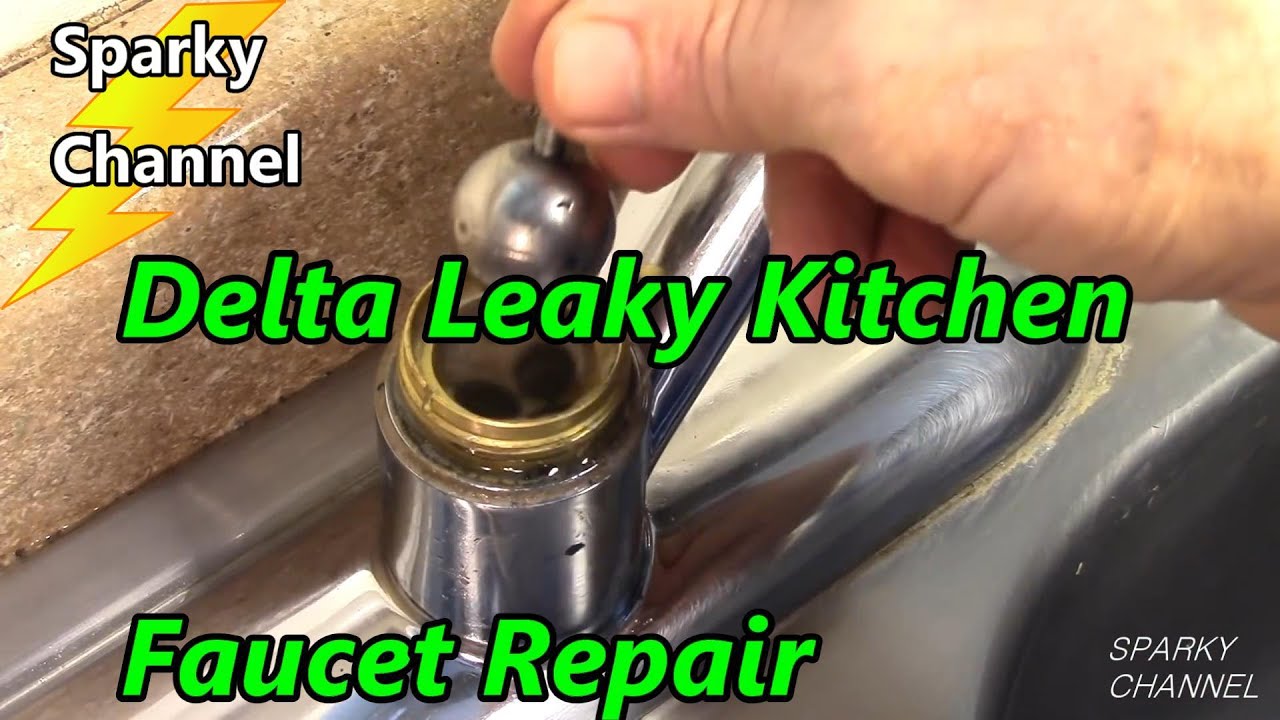
Image Source: i.ytimg.com
Step-by-Step: How To Remove A Delta Kitchen Faucet
Can you remove a Delta kitchen faucet yourself? Yes, with a few basic tools and this step-by-step guide, you can successfully remove a Delta kitchen faucet. This guide is designed for DIYers looking to replace their kitchen faucet or tackle a leaky faucet repair. We’ll cover everything from shutting off the water to detaching the faucet from beneath your sink.
Replacing a kitchen faucet can seem daunting, but by following these clear instructions, you can achieve a professional-looking result without calling a plumber. This process is a fundamental plumbing basic that many homeowners can master. Whether you’re looking to update your kitchen’s look or fix a persistent drip, this faucet removal guide will equip you with the knowledge you need. Let’s get started!
Gathering Your Tools and Supplies
Before you begin the process of faucet removal, it’s crucial to have all your tools and supplies ready. This will prevent frustration and ensure a smooth workflow. Having everything within reach before you turn off the water is key to a successful DIY faucet replacement.
Here’s a list of items you’ll likely need:
- Adjustable Wrench: This is your primary tool for loosening and tightening nuts and bolts.
- Basin Wrench: This specialized tool is invaluable for reaching nuts in tight spaces under the sink, which are common when dealing with a kitchen sink faucet.
- Pliers (Slip-Joint or Channel-Lock): Useful for gripping and turning various parts, especially if the nuts are stubborn.
- Bucket or Towels: To catch any residual water that may drain from the pipes.
- Safety Glasses: To protect your eyes from debris or dripping water.
- Work Light or Flashlight: The area under the sink can be dark.
- Penetrating Oil (like WD-40): Helpful for loosening corroded or stuck nuts.
- Screwdriver Set: You might encounter screws during the removal process.
- Old Rags or Paper Towels: For cleaning up spills and drying parts.
- Putty Knife or Scraper: To remove old plumber’s putty or caulk.
- Replacement Faucet Parts (if applicable): If you’re not replacing the entire faucet, you might need new washers or O-rings for a leaky faucet repair.
- New Faucet and Supply Lines: If you are indeed replacing your kitchen sink faucet.
Having these items prepared will make the entire faucet removal process much more efficient and less stressful.
Step 1: Shutting Off the Water Supply
This is the most critical first step in any plumbing project. Failing to shut off the water can lead to a significant mess and potential water damage.
Locating the Shut-Off Valves
Most kitchen sink faucets have dedicated shut-off valves located directly beneath the sink. These are typically small, round-handled valves connected to the hot and cold water lines that run from your walls to the faucet.
- Hot Water Shut-Off Valve: This valve controls the flow of hot water to the faucet.
- Cold Water Shut-Off Valve: This valve controls the flow of cold water to the faucet.
Table: Identifying Shut-Off Valves
| Valve Type | Appearance | Location |
|---|---|---|
| Hot Water | Usually red or marked with ‘H’ | Under sink, connected to hot line |
| Cold Water | Usually blue or marked with ‘C’ | Under sink, connected to cold line |
Turning Off the Water
Once you’ve located the valves:
- Turn the Handles Clockwise: Firmly turn both the hot and cold water shut-off valve handles clockwise until they are completely closed. You should feel them stop.
- Test the Faucet: Go back to your faucet and turn on both the hot and cold water handles. A small amount of water might trickle out, but it should stop completely. This confirms the water supply is indeed shut off.
- Drain Remaining Water: Leave the faucet handles in the “on” position. This will help drain any remaining water in the lines and relieve pressure.
If you cannot find individual shut-off valves under your sink, you may need to turn off the main water supply to your entire house. This valve is usually located in the basement, garage, or near your water meter.
Step 2: Disconnecting the Water Supply Lines
With the water shut off, the next step is to disconnect the flexible water supply lines from the shut-off valves.
What You’ll Need
- Adjustable wrench
- Bucket or towels
- Rags
The Disconnection Process
- Position Your Bucket: Place your bucket or a thick layer of towels directly beneath the shut-off valves. This will catch any residual water that might drip out.
- Loosen the Supply Line Nuts: You’ll see a nut where the flexible supply line connects to the shut-off valve. Use your adjustable wrench to grip the nut and turn it counter-clockwise.
- For Stubborn Nuts: If the nut is difficult to loosen, apply a small amount of penetrating oil and let it sit for a few minutes. Then, try again with the wrench. Be careful not to overtighten or strip the threads.
- Repeat for Both Lines: Repeat this process for both the hot and cold water supply lines.
- Wipe Away Excess Water: Once the lines are disconnected, use your rags to wipe up any water that has collected in the bucket or on the pipes.
The supply lines are now disconnected from the water source. The other end of these lines is connected to the faucet itself, which we’ll address next.
Step 3: Detaching the Faucet from Under the Sink
This is where the real work of removing the kitchen sink faucet begins. The faucet is typically secured to the sink or countertop from underneath.
Locating the Mounting Hardware
Look directly under your sink, where the faucet body meets the sink basin or countertop. You’ll find a set of nuts and washers that hold the faucet in place. The exact configuration can vary depending on your Delta faucet model.
- For Single-Hole Faucets: You might find a single large nut or a mounting bracket with screws.
- For Faucets with Separate Sprayers or Handles: You’ll have individual mounting nuts for each component.
Using the Basin Wrench
This is where the basin wrench shines. Its long shaft and pivoting head allow you to reach those awkward nuts tucked away in tight spaces.
- Position the Basin Wrench: Adjust the jaws of the basin wrench to fit the mounting nut.
- Grip the Nut: Place the jaws of the basin wrench around the nut.
- Turn Counter-Clockwise: Slowly and steadily turn the basin wrench counter-clockwise to loosen the nut. This might require some force, especially if the nuts are old or have corroded.
- Remove the Nuts: Continue to unscrew the nuts until they are completely removed. There might be rubber or plastic washers between the nuts and the sink.
- Remove Any Mounting Brackets: If your faucet has a mounting bracket, unscrew any accompanying screws or bolts.
Table: Common Mounting Hardware
| Component | Description | Tool Needed |
|---|---|---|
| Mounting Nut | Large nut securing the faucet to the sink or deck | Basin wrench/Wrench |
| Mounting Bracket | Metal or plastic plate that distributes pressure | Wrench/Screwdriver |
| Washer | Rubber or plastic disc for sealing and cushioning | Pliers/Fingers |
Handling Stubborn Nuts
If the mounting nuts are exceptionally difficult to loosen:
- Penetrating Oil: Apply penetrating oil generously and let it soak for at least 15-20 minutes, or even overnight if possible.
- Gentle Tapping: Sometimes, gently tapping the nut with the handle of your wrench can help break the corrosion seal.
- Heat (Use with Caution): In extreme cases, a heat gun applied briefly to the nut (not the surrounding sink material) can expand it slightly, making it easier to turn. Be extremely cautious when using heat near plastic or rubber components, and ensure adequate ventilation.
Step 4: Removing the Faucet from the Sink
Once all the mounting hardware is removed, the faucet should be loose.
Cleaning Away Old Sealant
Often, plumber’s putty or silicone caulk is used to create a watertight seal between the faucet base and the sink. You’ll need to break this seal.
- Gently Wiggle the Faucet: Try to gently wiggle the faucet from above.
- Use a Putty Knife: If it’s stuck, carefully slide a putty knife or scraper between the faucet base and the sink surface. Work your way around, gently prying the faucet away. Avoid using excessive force that could damage your sink.
- Pull the Faucet Upwards: Once the seal is broken, you should be able to lift the entire faucet assembly straight up and out of the sink holes.
You’ve now successfully removed the main body of your Delta kitchen faucet!
Step 5: Dealing with Additional Components (Sprayer, Weights, etc.)
Many kitchen faucets come with additional components that also need to be detached.
The Sprayer Hose
If your faucet has a side sprayer or a pull-down/pull-out sprayer, you’ll need to disconnect its hose.
- Locate the Sprayer Hose Connection: Under the sink, follow the hose from the sprayer to where it connects to the faucet body or a diverter valve.
- Disconnect the Hose: This connection is usually a threaded fitting. Use your adjustable wrench or pliers to unscrew it.
- Remove the Sprayer Weight: If you have a pull-down or pull-out sprayer, there’s typically a weight attached to the hose to help it retract. This weight can usually be slipped off or unscrewed from the hose itself.
Water Aerator
While not strictly part of faucet removal, it’s good practice to clean your aerator if you’re having issues like low water flow.
- Aerator Cleaning: The aerator is the small screen at the tip of the faucet spout. You can usually unscrew it by hand or with pliers (use a rag to protect the finish). Once removed, soak it in a vinegar solution to dissolve mineral deposits. This is a simple maintenance task that can help with performance.
Step 6: Cleaning the Sink Area
After removing the faucet, you’ll likely find residue from old putty, caulk, or mineral deposits on your sink or countertop.
Removing Old Sealant
- Scrape Away Residue: Use your putty knife or scraper to carefully remove any old plumber’s putty or caulk.
- Clean with Degreaser or Mild Cleaner: Use a good kitchen degreaser or a mild all-purpose cleaner to remove any remaining residue and grime.
- Dry the Area: Make sure the sink surface is completely dry before installing a new faucet or proceeding with any other work.
This cleaning step ensures a clean surface for a new faucet installation and helps prevent future leaks.
Reinstalling or Replacing Your Faucet
This guide focused on faucet removal, but the steps are largely reversible for a new Delta faucet installation.
Key Considerations for Installation
- Follow Manufacturer Instructions: Always refer to the specific installation manual that came with your new faucet.
- New Supply Lines: It’s highly recommended to use new flexible water supply lines when installing a new faucet. Old lines can become brittle or develop leaks.
- Proper Sealing: Use plumber’s putty or silicone caulk as recommended by the manufacturer to create a watertight seal.
- Tighten Securely: Ensure all connections are snug but avoid overtightening, which can strip threads or damage components.
Troubleshooting Common Issues During Removal
- Leaky Faucet Repair: If your goal was a leaky faucet repair and you’re just replacing a part like the cartridge, you might not need to remove the entire faucet. For many Delta faucets, cartridge removal is simpler and can be done with the faucet still in place. You’ll typically need to remove a handle screw, pry off the handle, and then unscrew a retaining nut to access the cartridge.
- Corroded Parts: As mentioned, penetrating oil is your best friend for corroded nuts and fittings. Patience is also key.
- Limited Space: The basin wrench is essential for working in tight spaces. Sometimes, removing the sink itself might be necessary for extremely difficult installations or removals, but this is rarely the case for a standard kitchen sink faucet.
Frequently Asked Questions (FAQ)
Q: How long does it typically take to remove a Delta kitchen faucet?
A: For an experienced DIYer, it can take as little as 30-60 minutes. For a beginner, it might take 1-2 hours, especially if you encounter stubborn fittings.
Q: Do I need to turn off the water to the whole house?
A: Only if you cannot locate or operate the individual hot and cold water shut-off valves under your sink.
Q: Can I replace just the cartridge in my Delta faucet without removing the whole unit?
A: Yes, in many cases. If your issue is a leaky faucet repair related to the internal cartridge, you can often replace just the cartridge by removing the faucet handle and unscrewing a retaining nut. Always check your faucet’s model for specific instructions.
Q: What should I do if the supply lines are old and corroded?
A: It’s best practice to replace old supply lines with new ones when you replace your faucet. They are relatively inexpensive and can prevent future leaks.
Q: Is it okay to leave some water in the pipes?
A: No, it’s crucial to shut off the water supply and drain the lines as much as possible before disconnecting them to avoid a flood.
By following these detailed steps, you should be well-equipped to confidently remove your Delta kitchen faucet. This DIY faucet replacement project is a rewarding one that can save you money and give you a fresh new look for your kitchen sink faucet.